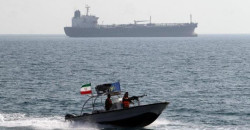
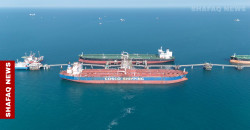
Hormuz closure squeezes Baghdad's electronics market, prices surge


Shafaq News Baghdad
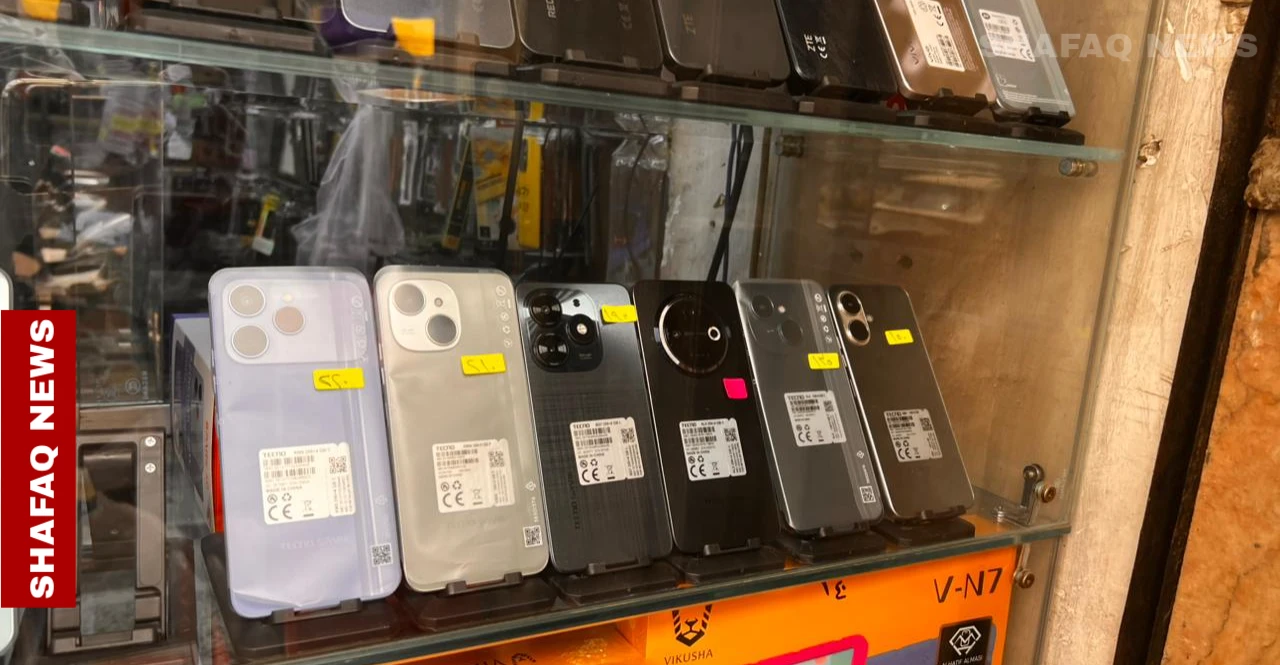
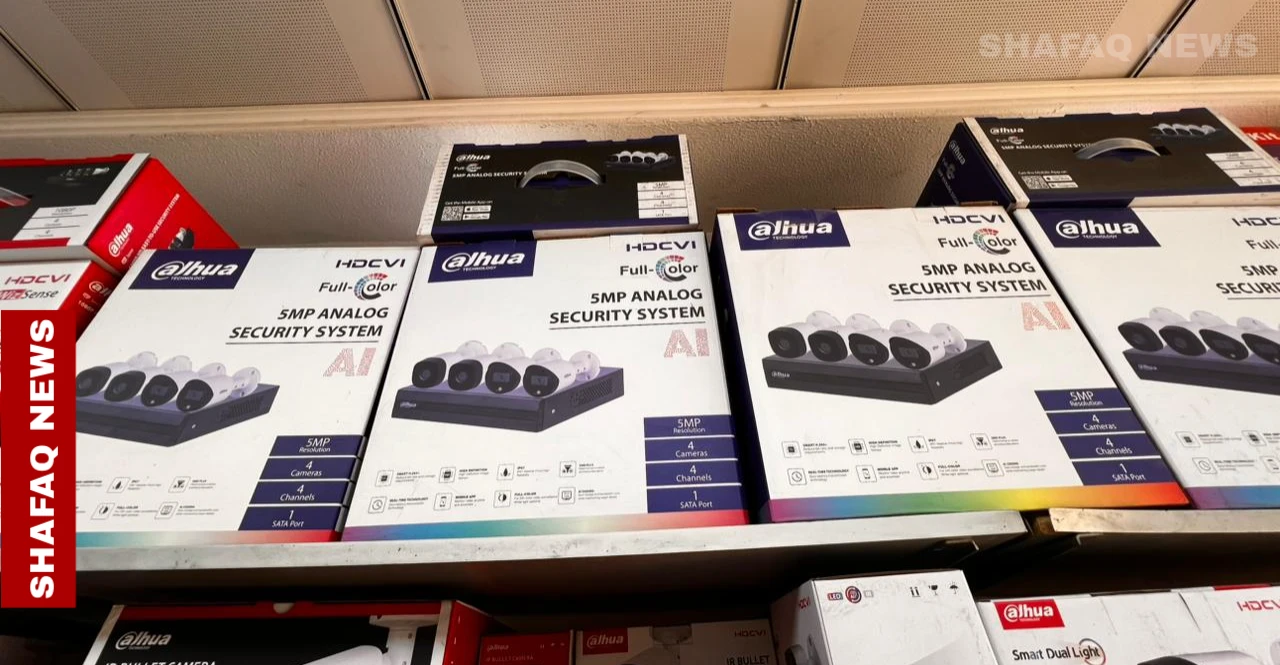
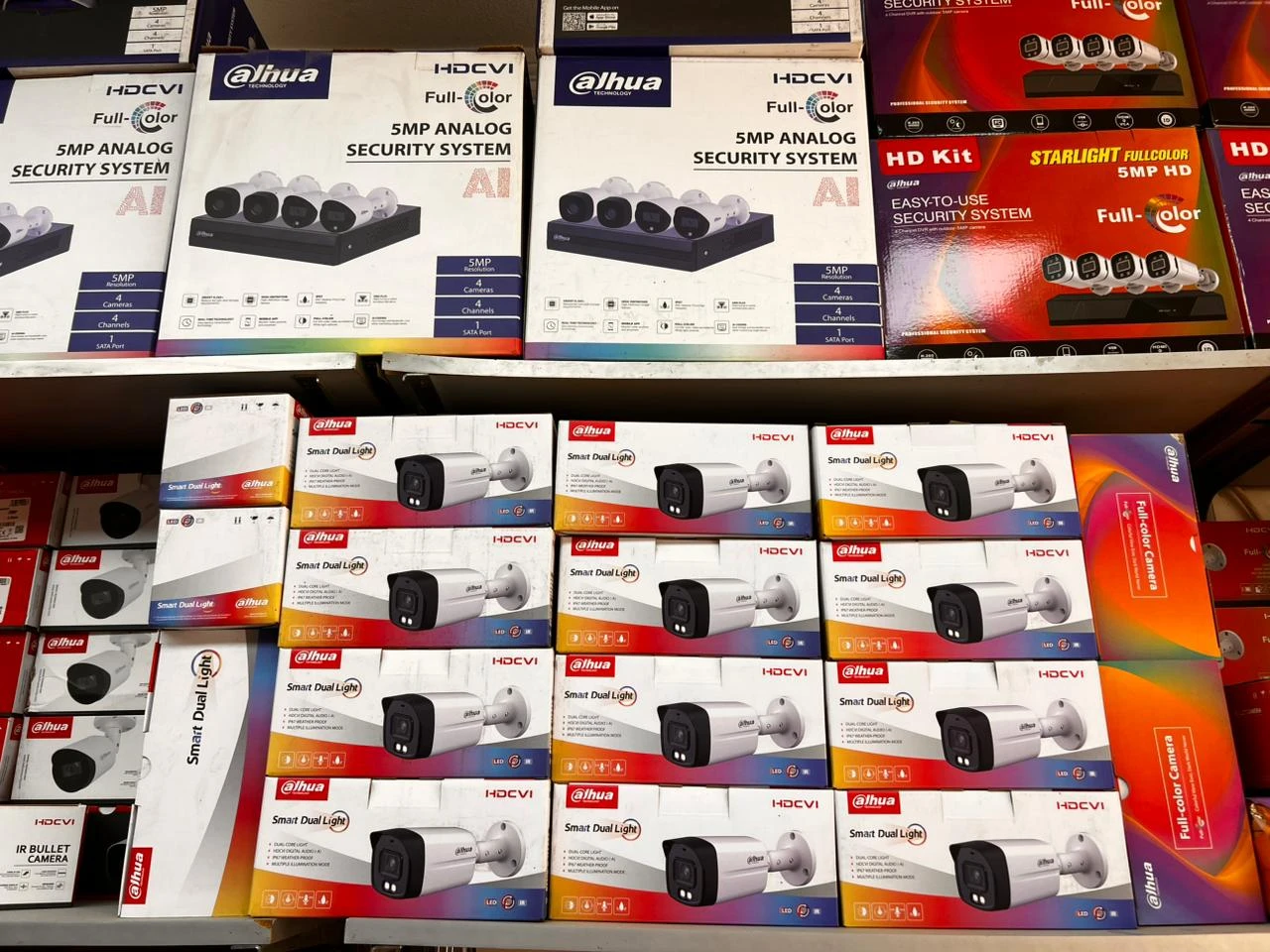
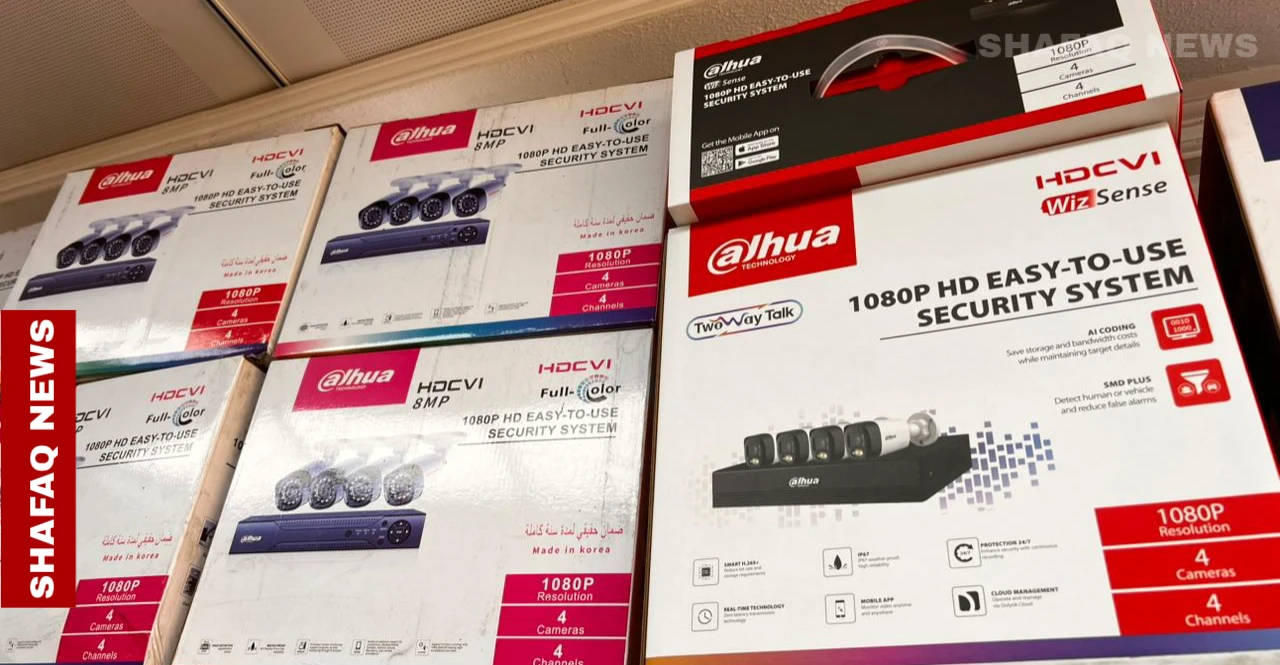
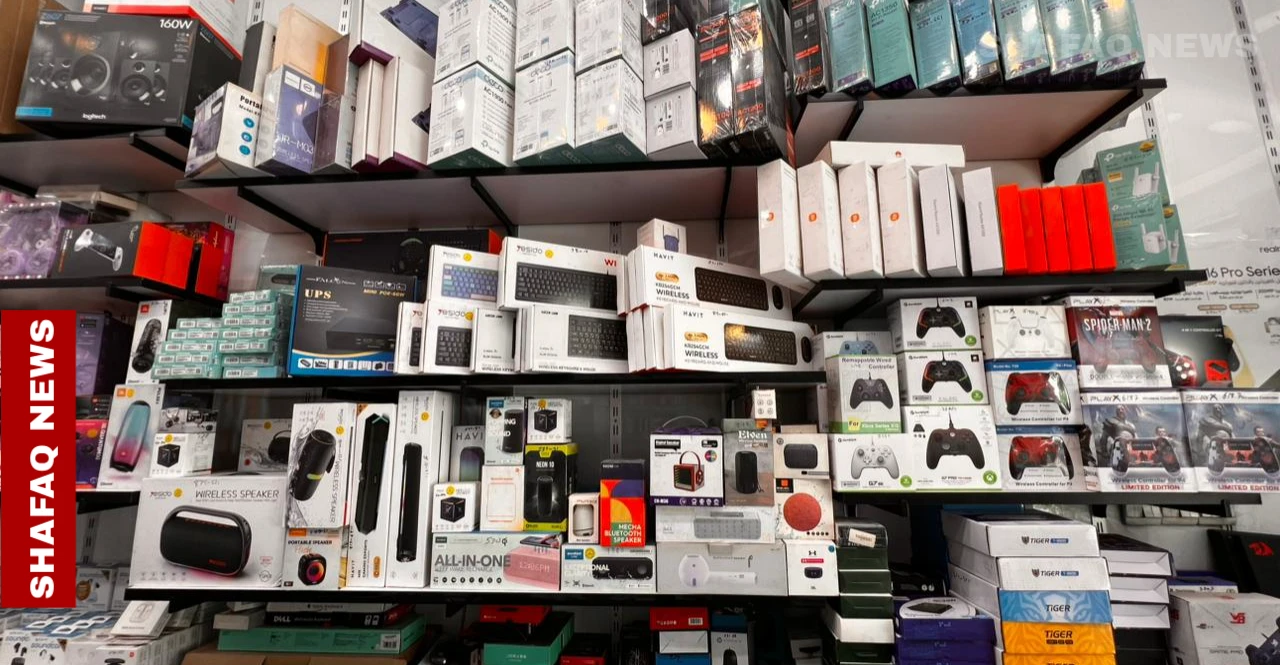
The closure of the Strait of Hormuz has triggered acute shortages of electronic components in Baghdad, driving prices sharply higher and leaving traders on al-Sinaa Street, the capital's main electronics hub, without a clear timeline for resupply.
Shop owners told Shafaq News that key items, including VGAs, hard disks, and RAMs, are running out. "Many materials have already run out, and we don't know if they will enter the market again," said Ibrahim Hussein, an electronics retailer in Karrada, a commercial district in central Baghdad, warning that prices will climb further if the waterway remains closed. "Most of the materials we import pass through it," he said.
Iraq imports approximately $2.23 billion worth of electronics from China annually, according to the Observatory of Economic Complexity. Nearly all of that cargo transits the Strait of Hormuz, the narrow waterway between Iran and Oman that serves as the only maritime exit from the Persian Gulf. Its closure following the outbreak of hostilities between Iran and the US-Israeli coalition on February 28 severed that supply line directly, forcing suppliers to seek costlier overland or alternative sea routes.
Read more: Can "Made in Iraq" rise again? Challenges and hopes for local manufacturing
The market had already been under pressure before the conflict. Traders said government-imposed customs tariffs had pushed prices upward in an earlier wave, leaving businesses with little buffer when the supply disruption hit. "There are goods that were imported previously, but their prices changed because of the customs tariffs, and then because of the shortage and increased demand," said Ali Mohammed, a retailer on al-Sinaa Street.
He added that spare parts have effectively disappeared from the market with no available substitutes, as imports remain stalled by the regional situation. "The closure caused a shortage of materials, forcing us to change prices to align with the economic stagnation…a prolonged closure would push prices even higher.”
Iraq does not produce electronics domestically at any meaningful scale, making the country entirely dependent on imports and acutely vulnerable to disruptions in the single maritime corridor through which the bulk of its supply flows.
Read more: Hormuz lockdown: Iraq’s economic lifeline under threat