Baghdad weighs major Rafidain Bank overhaul


Shafaq News– Baghdad
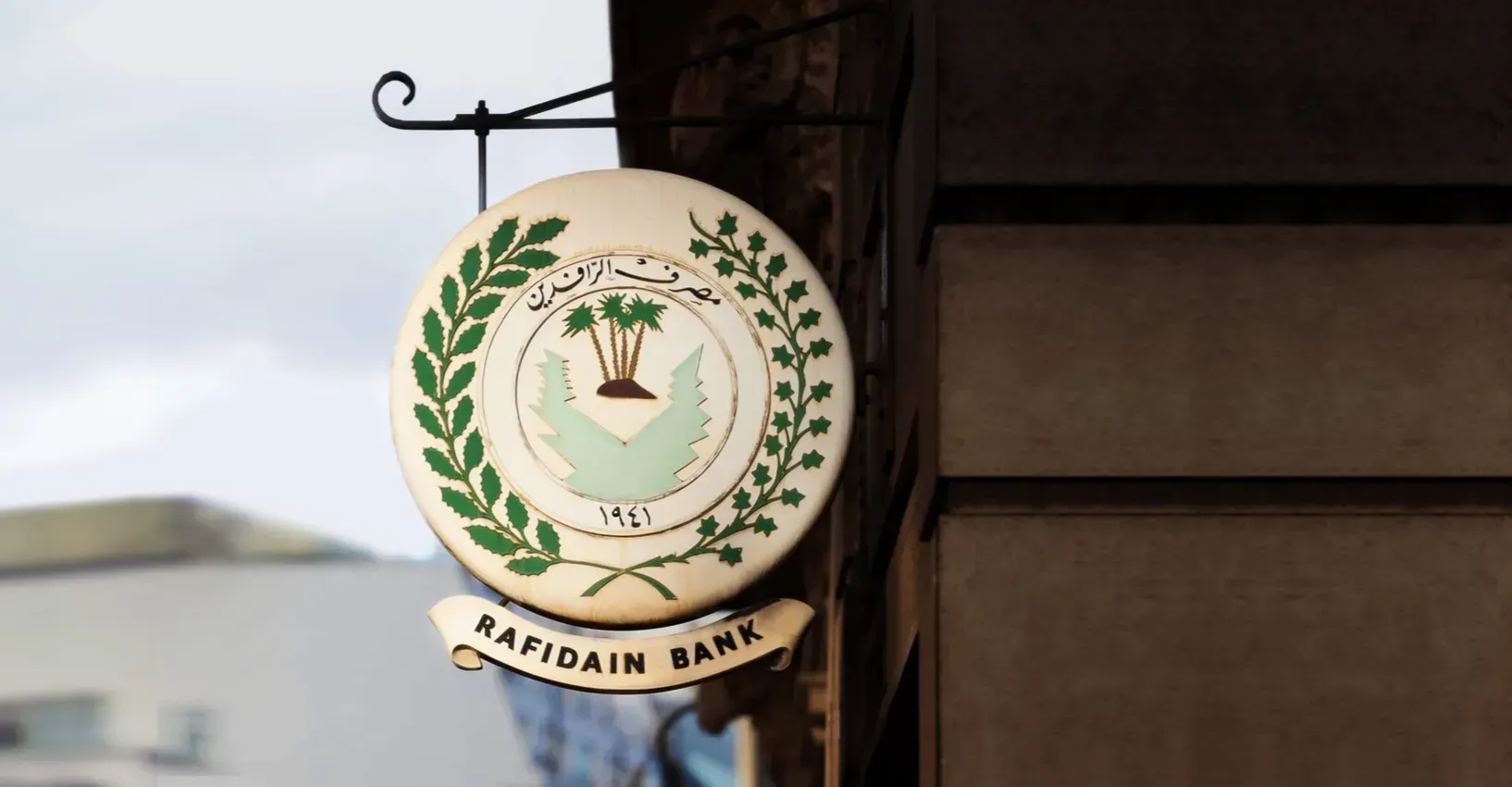
Iraq plans to split its largest state-owned lender, Rafidain Bank, into two separate entities, one focused on managing government finances and another aimed at competing for investment, as authorities accelerate reform under US scrutiny.
Mudhhir Mohammed Salih, financial advisor to caretaker Prime Minister Mohammed Shia Al-Sudani, told Shafaq News on Saturday that a major financial consultancy advising the government had not recommended privatizing Rafidain prior to completing structural reforms centered on institutional specialization.
Instead, the proposal would recast Rafidain as Iraq’s sovereign bank, responsible for handling the state’s treasury operations, including the unified treasury account and its integration with more than 1,000 government spending units.
The sovereign entity, Salih explained, would be structurally tied to Iraq’s fiscal authority and serve as a central policy coordination hub for public revenues and expenditures, aiming to bolster efficiency, governance, transparency, and financial discipline.
A second institution, dubbed "Rafidain One," would also be formed as a public-private joint-stock company operating under modern banking principles and the Basel III standards designed to strengthen bank capital and liquidity, he told our agency, extending credit to individuals and businesses, employing financial technology to promote digital inclusion, and working to unify Iraq’s “fragmented” banking sector.
Rafidain One would also manage foreign trade finance and potentially partner with a global banking firm, Salih added, with a long-term goal of transforming it into a high-rated regional lender. He described it as “a real lever for modernizing the Iraqi banking sector and supporting sustainable economic development.”
The restructuring plan follows mounting pressure from Washington. In August 2025, US Representative Joe Wilson called for sanctions against Rafidain and threatened to cut funding to Iraq, alleging the bank was channeling money to the Houthis. Iraq dismissed the claims as “categorically false.”
Soon after, Rafidain entered a compliance partnership with US-based firm K2 Integrity, and by October, Yemen's information minister announced the closure of the Sanaa branch, citing global efforts to disrupt Houthi financing networks.
The Central Bank of the United Arab Emirates also imposed fines on Rafidain’s Abu Dhabi branch late last year over repeated compliance failures, sources told Shafaq News at the time, warning the branch could face closure.
Once the Arab world’s largest commercial bank with $47 billion in assets before the 1990 Gulf War, Rafidain now operates 164 domestic branches and seven abroad, including locations in Cairo, Beirut, Abu Dhabi, Bahrain, Sanaa, Amman, and Jabal Amman.
Read more: Iraq to revamp state-owned banks, seeking to modernize financial sector