Baghdad Forum: Iraq pushes for a new energy era


Shafaq News – Baghdad
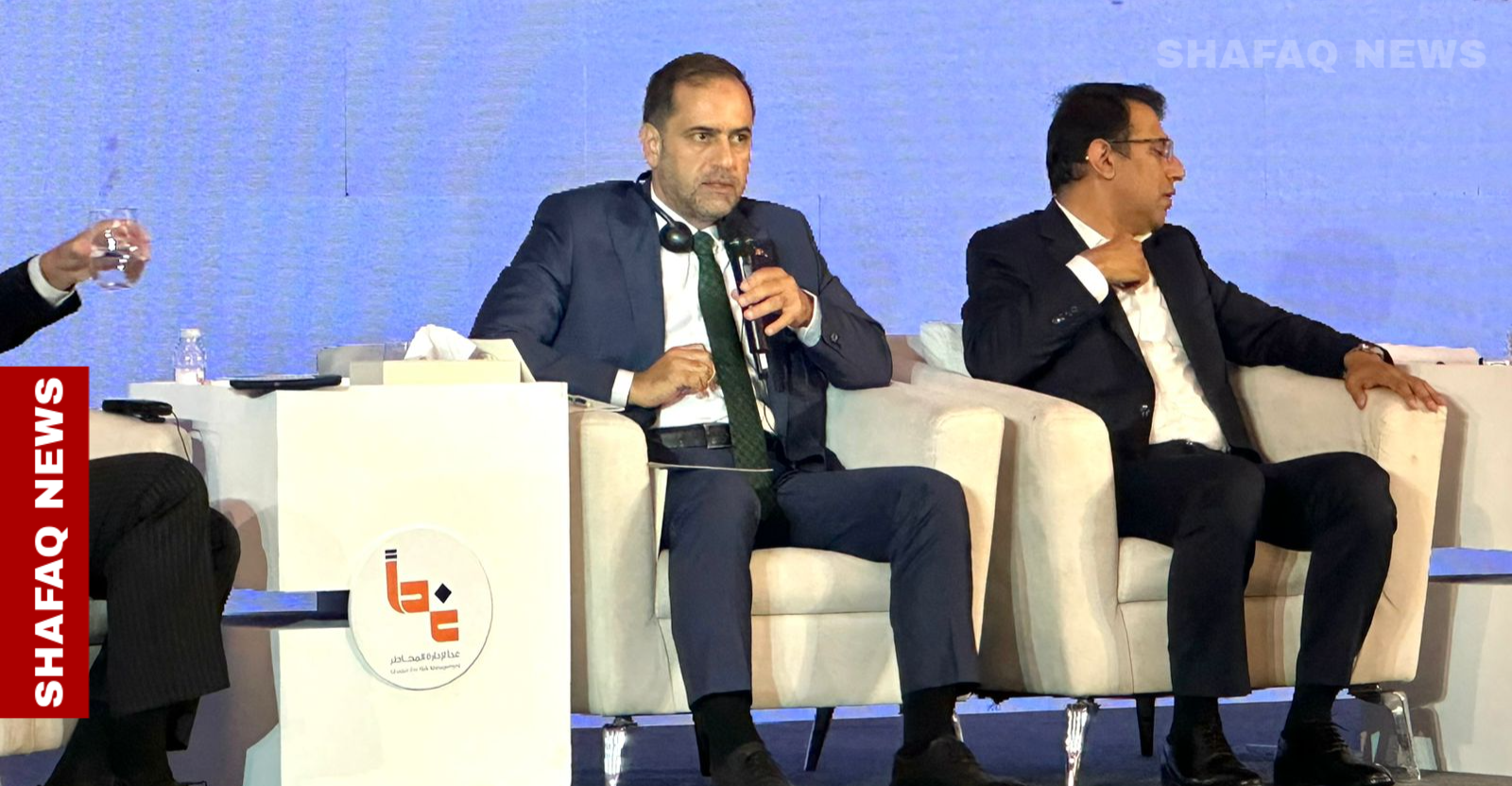
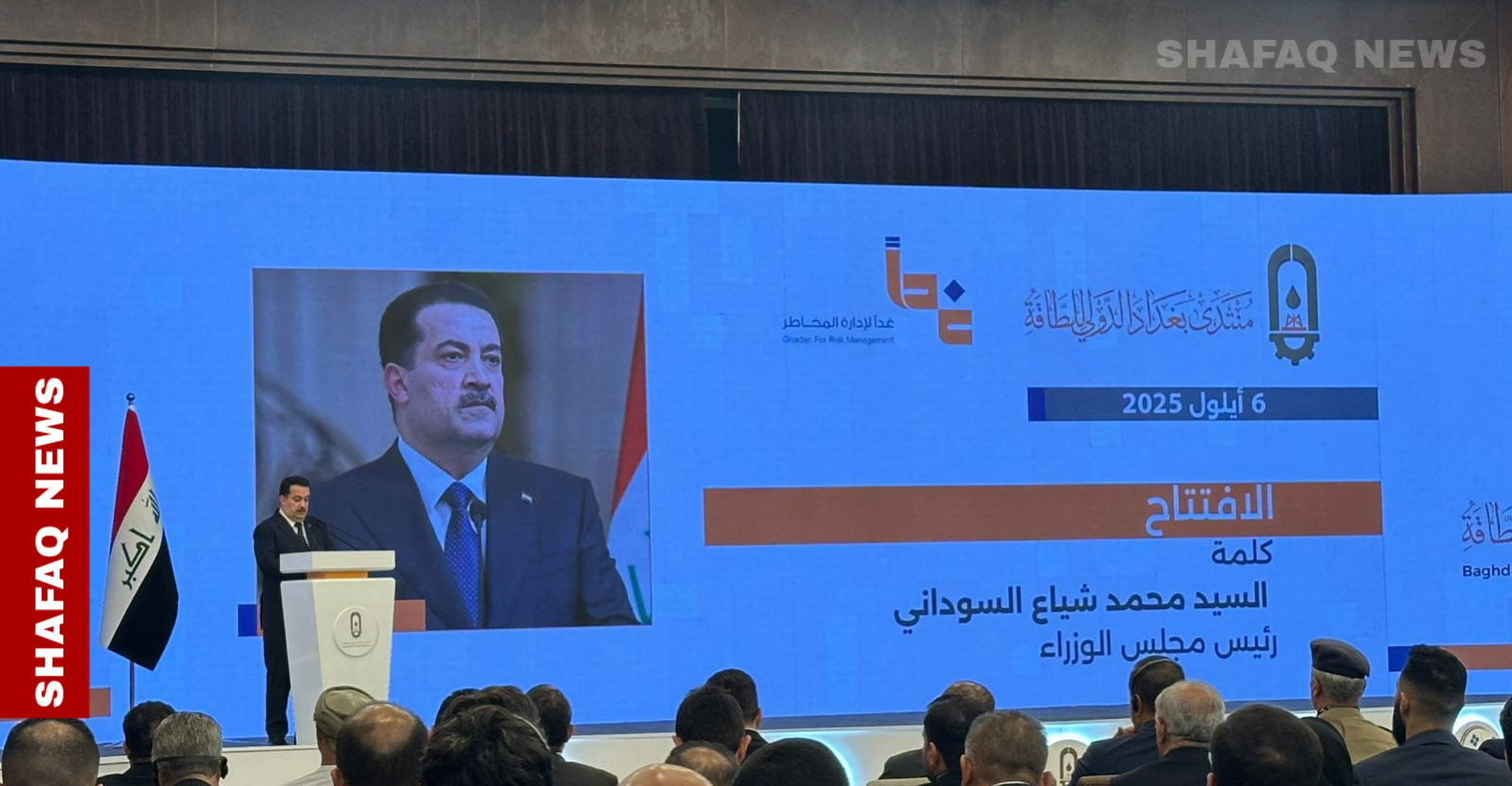
The Baghdad International Energy Forum opened on Saturday with high-ranking officials from across the region discussing market outlooks and export diversification strategies.
Iraqi Prime Minister Mohammed Shia al-Sudani inaugurated the conference alongside OPEC officials and energy ministers to address global challenges and new opportunities for cooperation.
Massive Iraqi Reserves
During the event, Al-Sudani announced Iraq’s oil reserves total around 150 billion barrels, enough to supply markets “for more than a century,” placing the country among the top ranks globally.
Describing Iraq as an expanding industrial hub, the PM called for a review of OPEC quotas based on real production potential, arguing that current quotas fail to reflect the country’s reserves, capacity, and population needs.
New Export Options
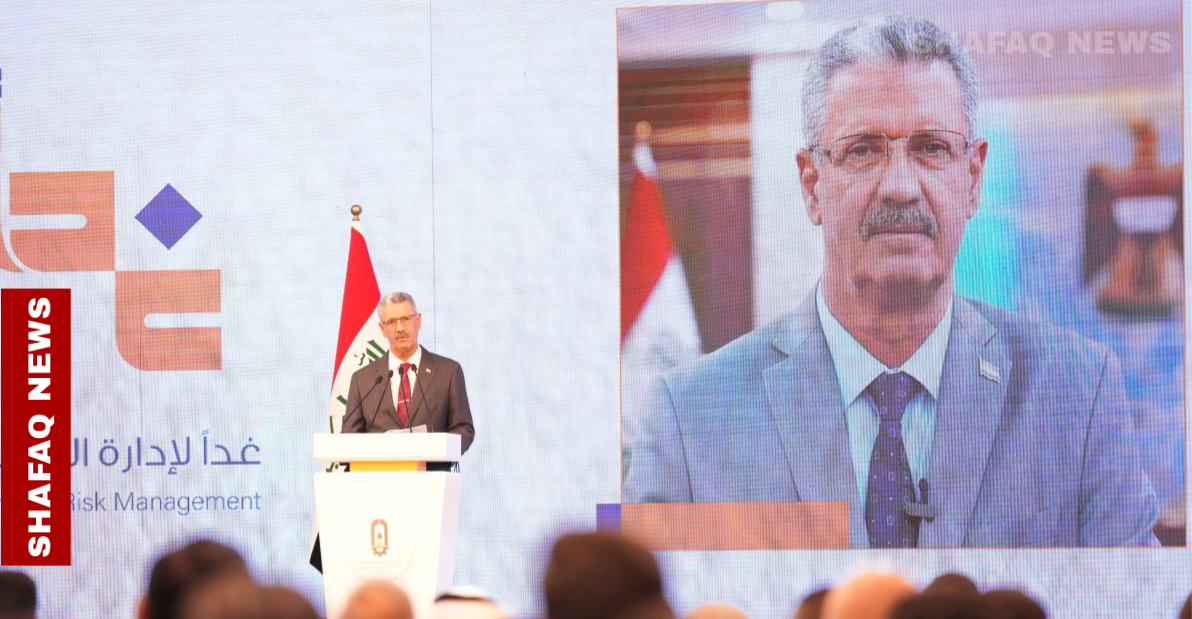
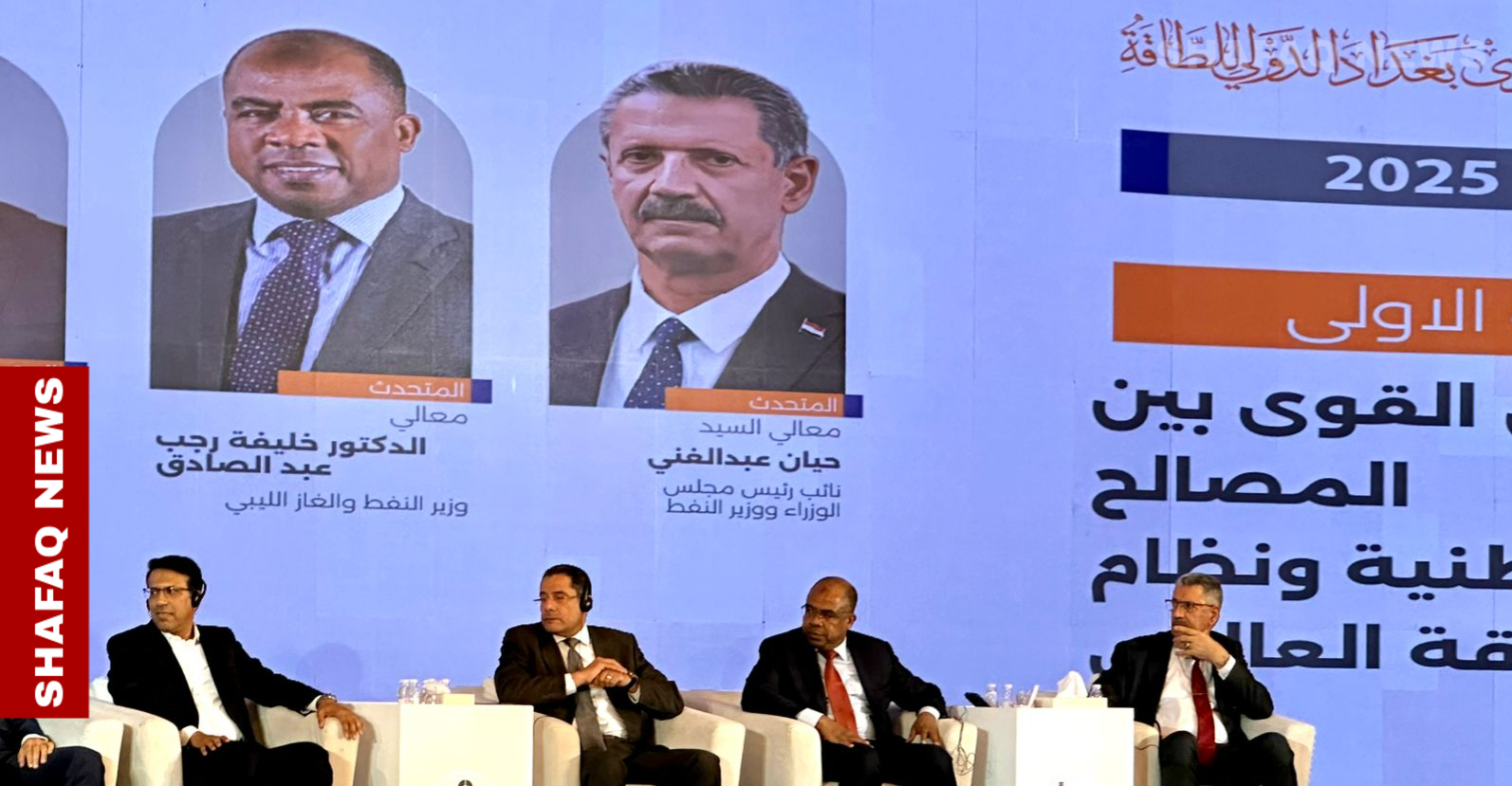
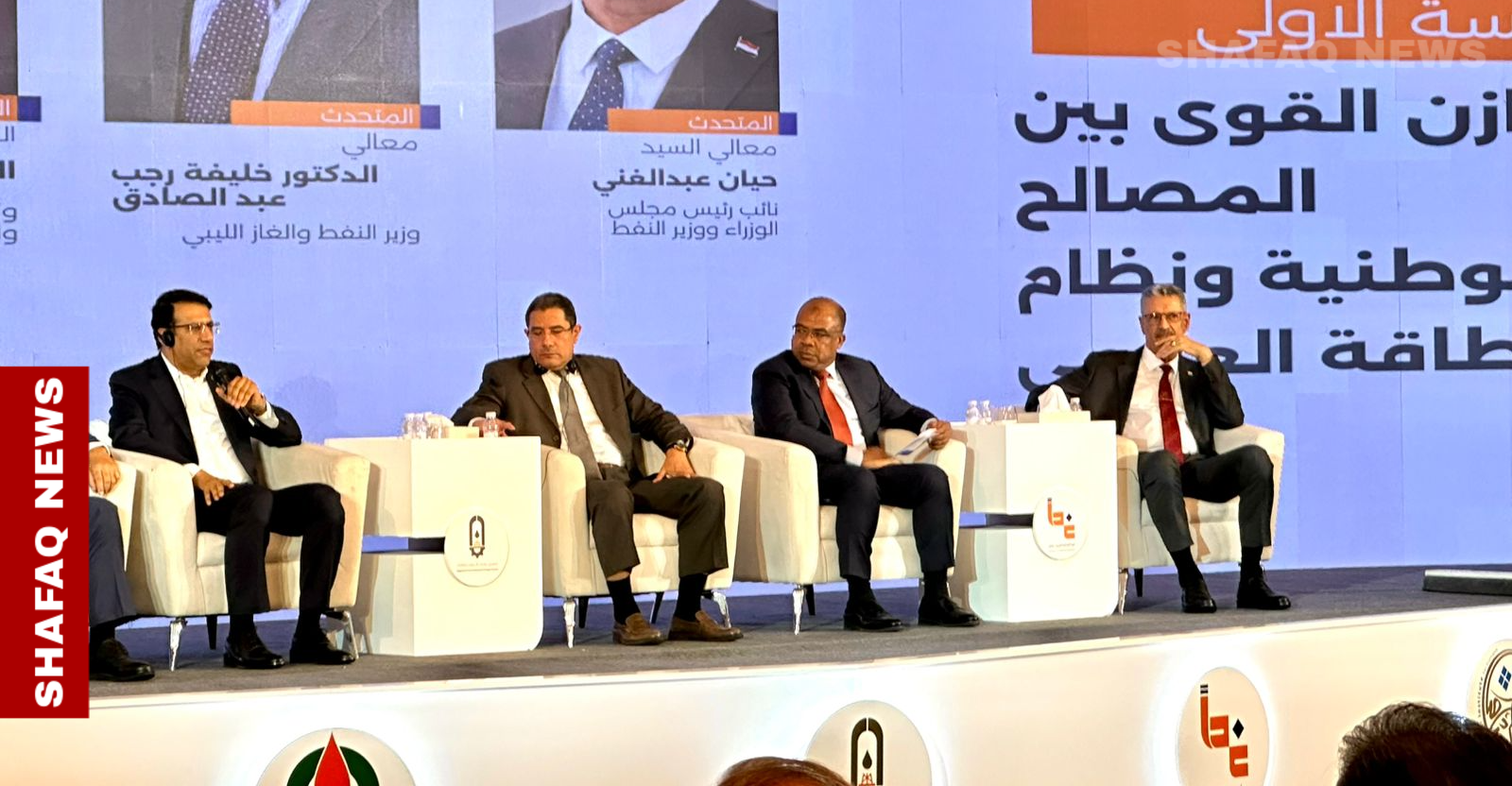
Oil Minister Hayan Abdul Ghani revealed that Iraq is examining crude export routes through Syria and Lebanon to diversify flows and ensure stability.
He underlined Baghdad’s commitment to the Paris Climate Agreement, with solar and wind projects being integrated into the national grid. Oil still accounts for 90% of revenues, he added, so the ministry seeks a balance between domestic needs and exports.
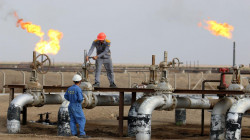
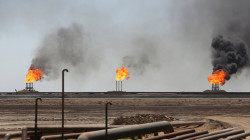
Iraq also aims to end gas flaring by 2029 and achieve full gas utilization by 2030, with Basra Gas Company expanding operations to meet those targets.
Unprecedented Demand Surge
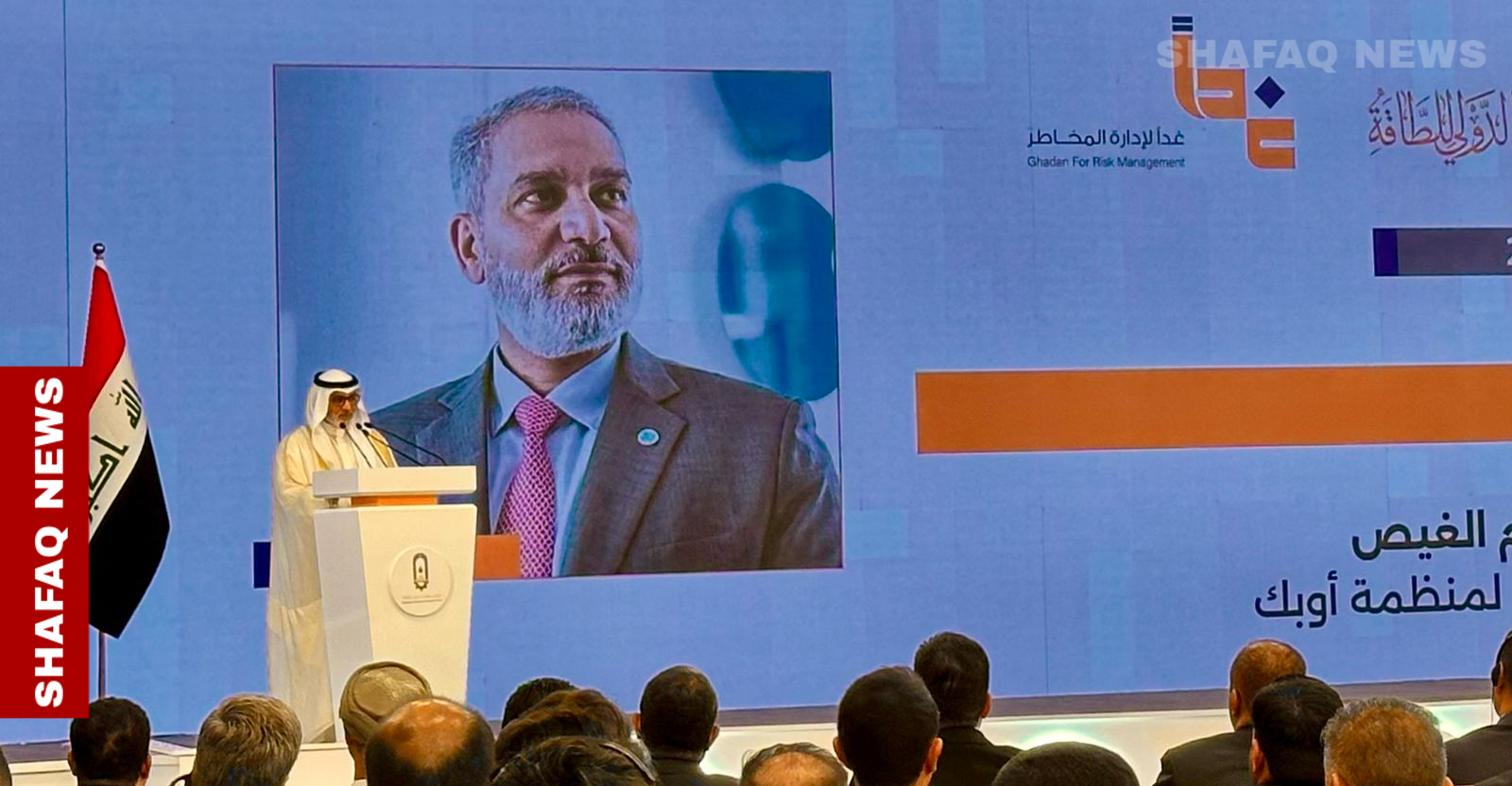
OPEC Secretary-General Haitham al-Ghais forecasts a 23% rise in global oil demand by 2050, driven by population growth and new energy demands from artificial intelligence and data centers.
He noted fossil fuels are expected to keep an 80% share of the global mix as energy security concerns outweigh some climate policies. “Oil will remain the largest source, with demand projected to reach 120 million barrels per day.”
Libya’s Renewable Transition
Libyan Oil Minister Khalifa Rajab said Tripoli is targeting 30% renewable energy by 2035, using solar and wind to preserve oil for export.
“Libya is working with international partners to improve production methods and reduce gas flaring, making exports more flexible as gas sales approach oil levels,” he added.
Iran’s OPEC Commitment
Iranian Deputy Energy Minister Hossein Zadeh reaffirmed adherence to OPEC standards, saying Tehran will align production with agreed levels by late 2025.
He highlighted Iran’s century-long oil industry experience and extensive capabilities in refining, exploration, and production in cooperation with OPEC.
To curb emissions, he pointed to national projects, underscoring that dialogue and joint meetings with neighboring countries are key to this effort, citing contracts with Turkiye and Iraq.
Turkiye’s Energy Growth
Turkish Deputy Energy Minister Ahmed Junkar reported oil output at 80,000 barrels per day, with a target of 100,000. He said electricity consumption has doubled to 120,000 megawatts, while renewables now account for 61% of capacity.
According to Junkar, 73% of Turkiye’s energy currently comes from renewable sources, with private sector involvement expanding wind and solar projects.
Turkiye operates oil pipelines with both Iraq and Iran, along with other energy transport lines connecting multiple countries. The Deputy Minister emphasized that his country “supports cooperation with neighboring countries to develop clean energy infrastructure.”