Shafaq News– Baghdad
Deeply rooted in Iraqi folklore, religious tradition, and environmental life, Christ’s thorn jujube, known locally as Sidr, continues to hold a unique place in society, as the tree stands at the intersection of belief, ecology, and modern city planning.
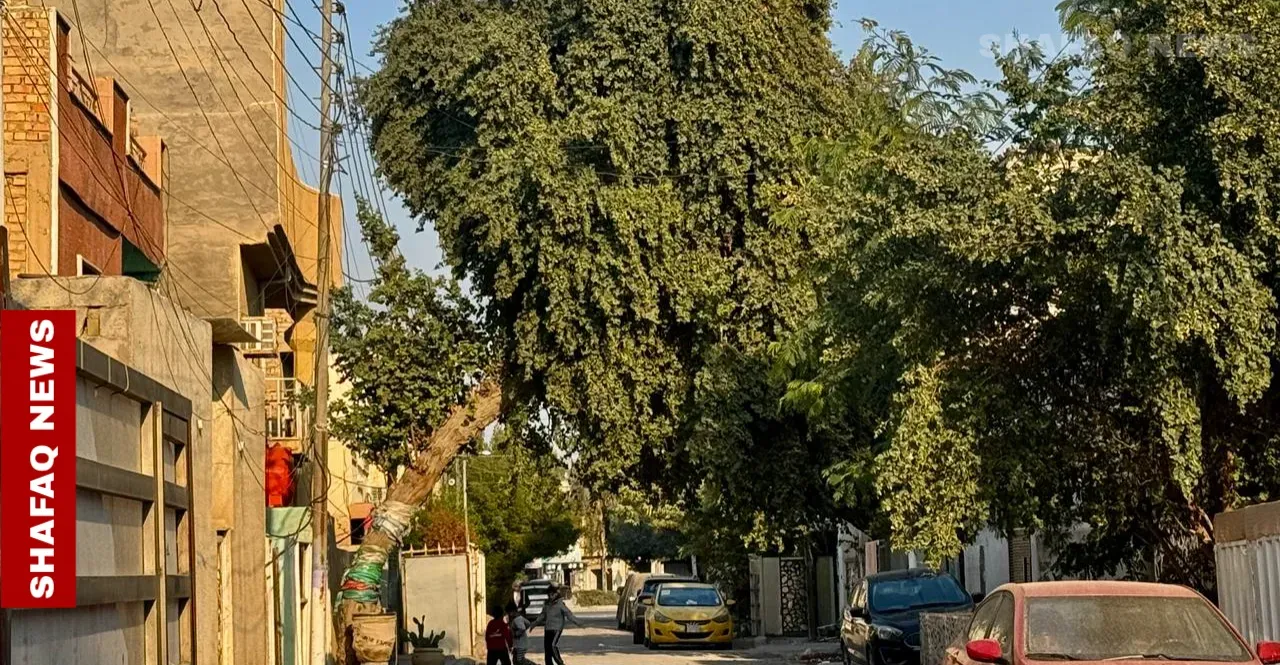
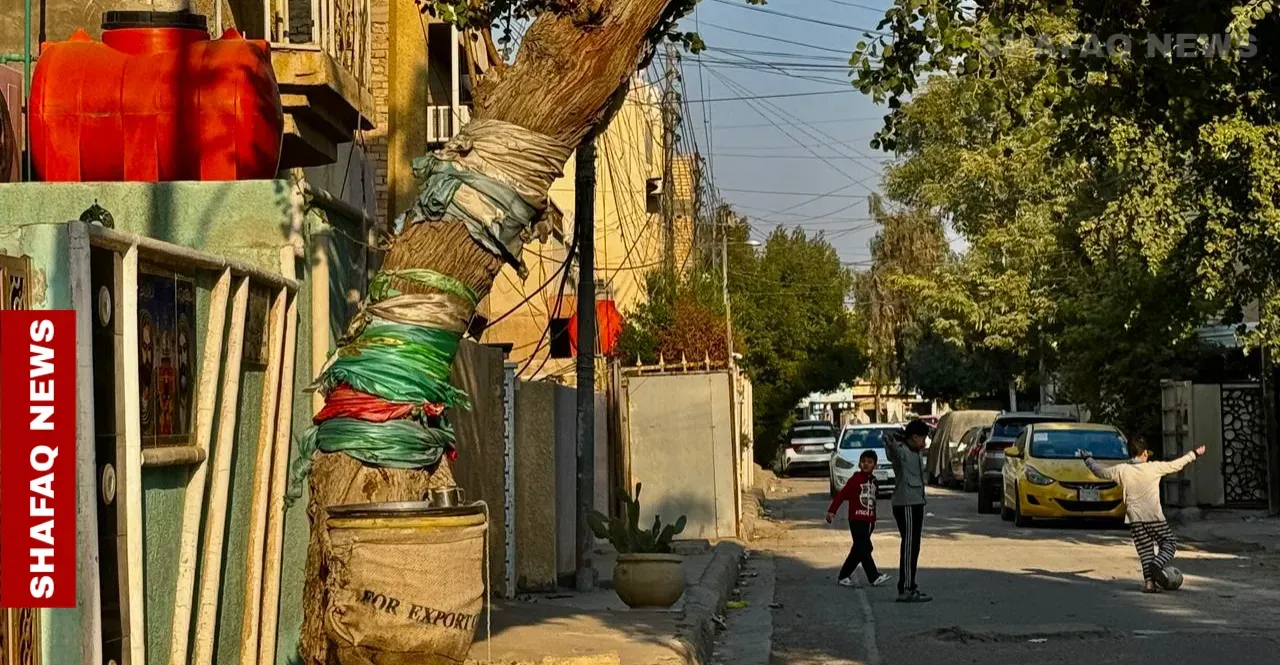
For more than two decades, Um Karim has tended a Christ’s thorn jujube tree she planted outside her home in the Iraqi capital, Baghdad. Over the years, she watched it grow tall and bear fruit, eventually tying a large clay vessel to its trunk and filling it daily with water for passersby, a gesture she considers both charitable and protective.
“Prophet Muhammad used its leaves for washing,” Um Karim told Shafaq News, explaining that she planted the tree seeking sustenance and protection from illness and misfortune. While she regularly trims its branches, the tree’s deep roots have caused tension with neighbors, some of whom complain that they have blocked nearby sewage lines. Despite repeated attempts to persuade her to cut it down, Um Karim has refused, insisting, “Cutting it would bring harm to my family.”
Religious scholars stress that such beliefs should be understood within a broader spiritual context. Speaking to Shafaq News, Sheikh Hazem Al-Radhi, mosque imam in Baghdad, said that Christ’s thorn jujube is mentioned in several Quranic verses and is regarded by many Muslims as “one of the trees of Paradise.” Its religious status, he noted, gives it a special place in Islamic tradition, where uprooting or burning it is generally discouraged. However, he cautioned against exaggeration or superstition, pointing out that the tree’s value lies in its description as a “blessed tree” rather than in unsupported folklore.
Beyond belief, the tree presents practical challenges. Christ’s thorn jujube is known for its extensive root system, which can damage underground infrastructure, making it unsuitable for dense urban neighborhoods. Bassam Kanaan, Director of the Horticulture and Forestry Department at the Ministry of Agriculture, told our agency that planting these trees within urban areas “has become impractical,” while the ministry has intensified efforts to plant the tree on the outskirts of Baghdad and within government institutions that have ample space.
“It is one of the most effective trees for combating desertification, as it helps form compact soil that traps sand, while its dense branches and thorns encourage birds to nest,” he indicated, adding that the nectar of its flowers is among the best sources for bees, producing Sidr honey.
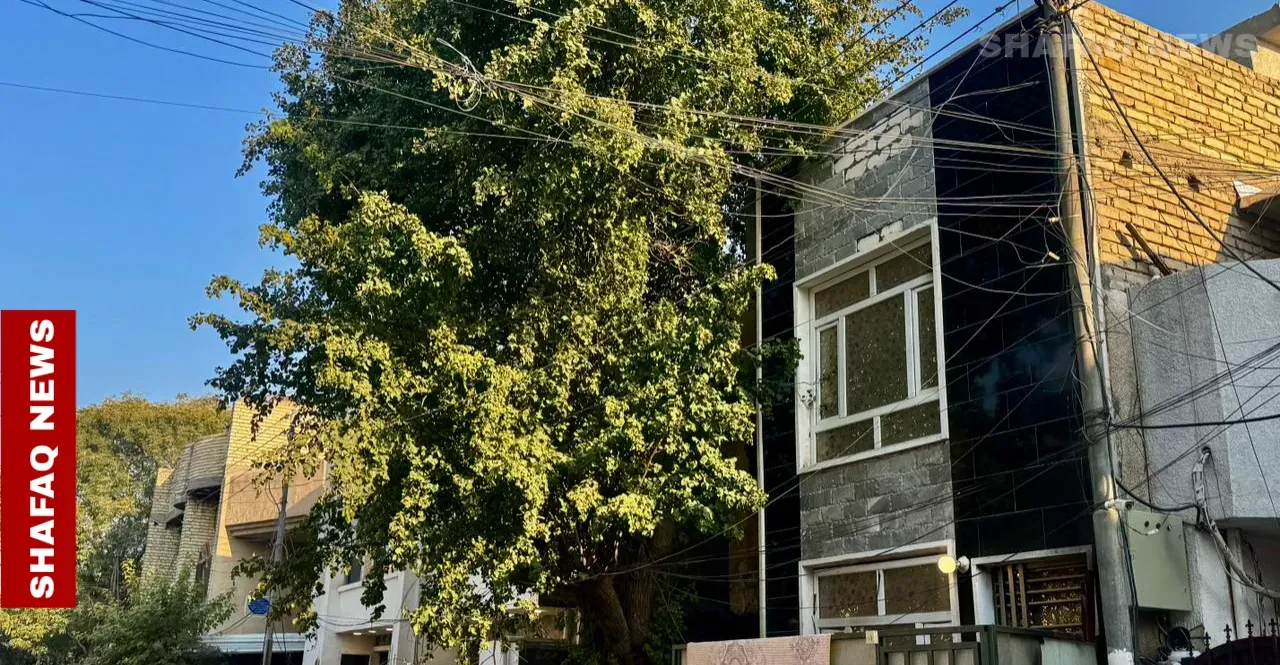
Despite the problems caused by their roots, Christ’s thorn jujube carries significant economic value and plays an important environmental role, according to specialists. Abdul Karim Jaber, a professor at the College of Agriculture at the University of Baghdad, explained to Shafaq News that the Christ’s thorn jujube plays a critical role in improving ecosystems, particularly in arid and semi-arid regions. Its ability to prevent erosion, absorb carbon dioxide, and moderate surrounding temperatures makes it an effective natural tool in addressing climate stress.
The tree’s economic value further strengthens its case for protection. Sidr honey is widely sought after for its nutritional and medicinal qualities, while the leaves are used in pharmaceutical, cosmetic, and traditional medicine industries, creating opportunities for small and medium-scale investment. Jaber stressed that sustainable management, rather than cutting, allows communities to benefit from the tree without harming its life cycle.
“The roots grow deep because water is scarce,” he clarified, describing the tree’s structure as a natural adaptation rather than a flaw. Poor planning, he warned, leads to conflict between infrastructure and nature, while scientific management allows both to coexist.