Shafaq News- Basra
Basra’s Natural History Museum houses more than 2,000 preserved specimens documenting decades of biodiversity and environmental change across southern Iraq, according to the museum’s director.
Shatha Mohammed told Shafaq News that the museum has developed into an environmental and academic resource, with five specialized exhibition halls covering different aspects of the region’s natural environment.
The five sections include geological and soil samples,
insects and arthropods, aquatic and marine life, skeletons and taxidermized
animals, as well as an herbarium documenting southern Iraq’s plant life.
Mohammed said its collection includes birds from Iraq’s marshes, marine species
from the Arabian Gulf, and wildlife native to Basra and southern Iraq.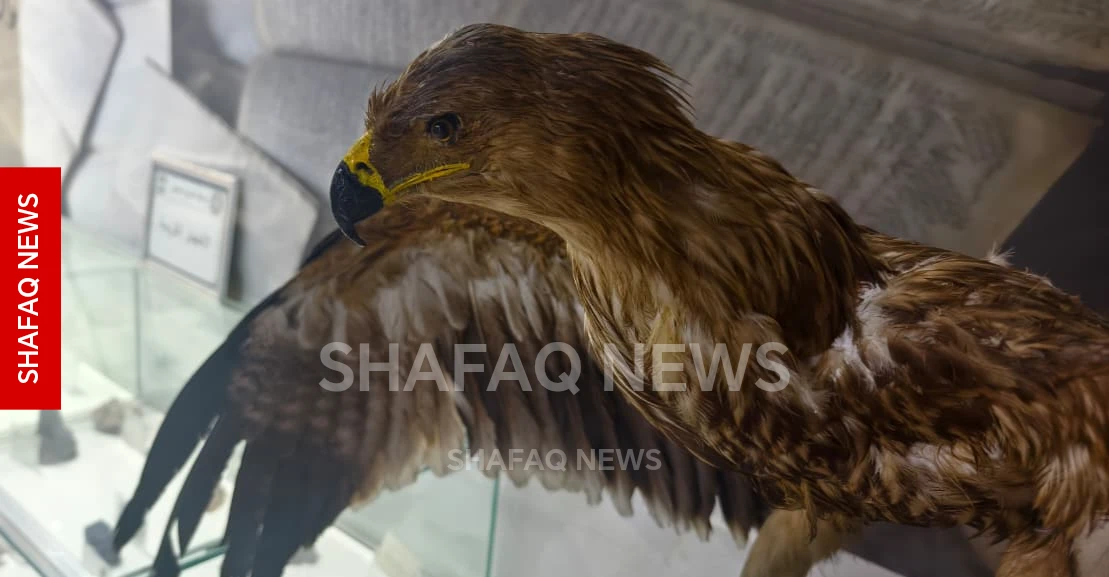
Among its collection are rare historical specimens,
including a preserved grouper that has been kept at the museum for more than 47
years. Mohammed said the museum, located at the Government Palaces Complex,
continues to improve its scientific documentation and preservation methods in
line with modern academic standards.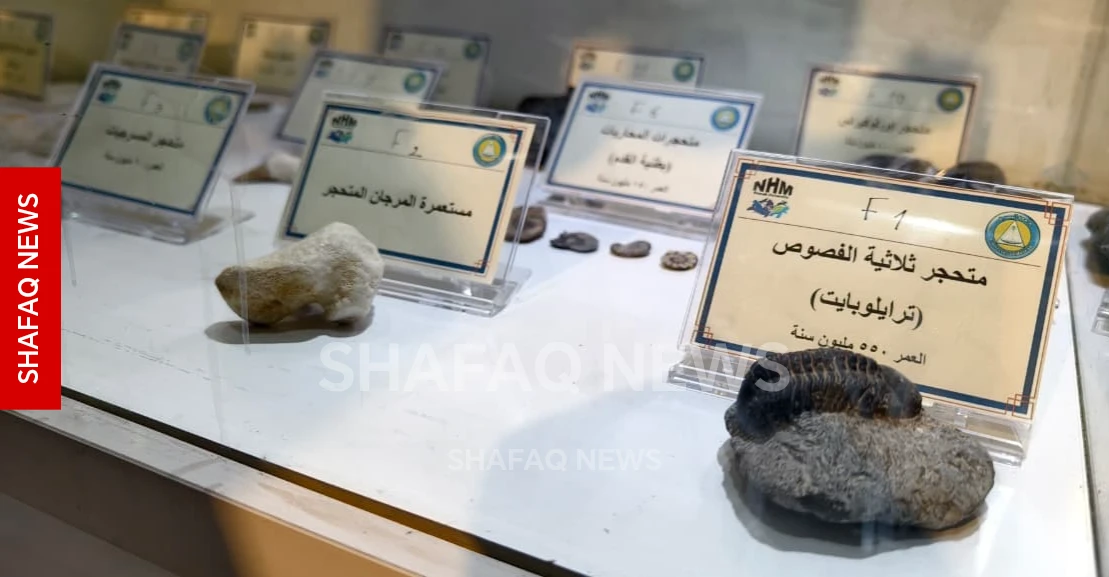
The museum has also become a destination for visitors from across Iraq and abroad, offering an overview of southern Iraq’s natural environment and its history, she added.
Founded in 1972, the Natural History Museum was established under the direction of Professor Khalaf Hanoun Al-Rubaie and has since served as a scientific institution documenting the natural heritage of southern Iraq.
Read more: Timeless tributes: Taxidermy in Iraq blends craft, memory, and tradition