Shafaq News
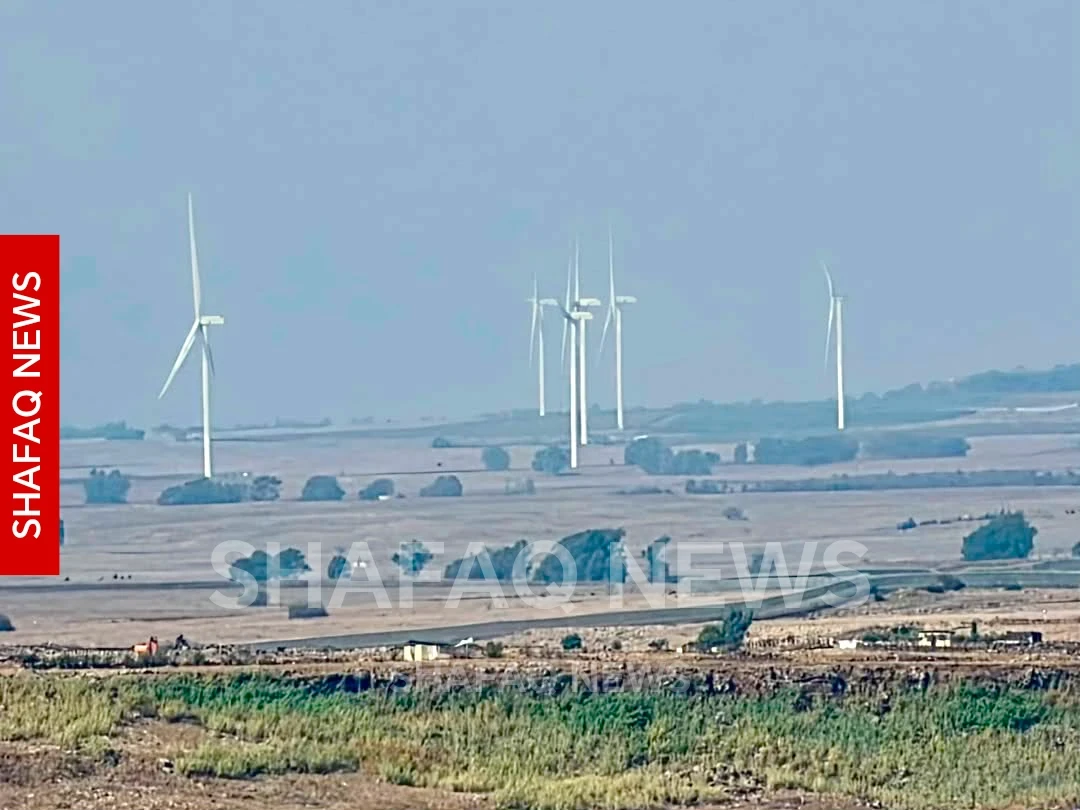
In the Syrian villages along the edge of the Israeli-occupied Golan Heights, whether a farmer can reach his olive grove or a shepherd his pasture now depends on where Israeli patrols and checkpoints happen to be that day. From Quneitra province to the Yarmouk Basin in western Daraa, Israeli incursions have disrupted farming and herding, restricted movement, and tested Syria's ability to protect its citizens and reassert control.
Residents who spoke to Shafaq News describe broad rejection of the Israeli military presence, and of the offers of aid that sometimes come with Israeli attempts to engage them, in communities where village elders, tribal ties and young activists all shape the response.
Israel says its forward deployment is meant to stop threats from taking shape near the Golan, while Damascus insists any lasting security arrangement must begin with an Israeli withdrawal and respect for Syrian sovereignty.
The Sijil Center, which monitors Israeli operations in Syria, recorded 395 incidents in October, the highest monthly total this year and a 41.1% increase from September's 280. It documented another 163 violations between November 1 and 14 alone, including ground incursions, checkpoints, raids, detentions, shelling, and overflights, most of them in Quneitra and Daraa.
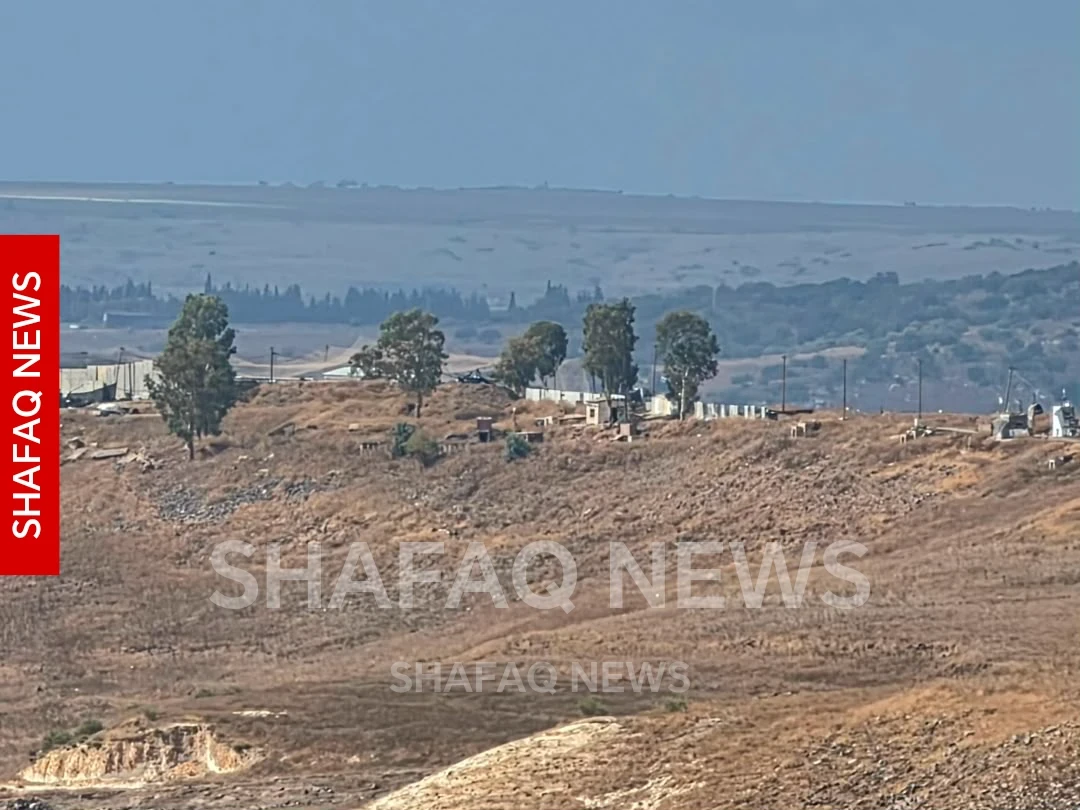
Shafaq News reporters have tracked Israeli movements around Maariya, Abdin, Jamla, Wadi al-Raqad and villages across Quneitra, involving raids, detentions, checkpoints and searches, as well as artillery fire and engineering work. The pattern points to an Israeli ability to watch roads and village entrances and to decide who can pass and who can reach their land.
Land out of reach
In Maariya, a village in western Daraa, the mukhtar, or village headman, counts the cost in fields and livestock.
"About 1,500 dunams* of farmland are now beyond our reach," Kamel Saleh Dawara told Shafaq News. "People can no longer grow vegetables, look after their olive trees or graze their sheep, goats and cows there."
Dawara added that around 120 goats have also been stolen, as herders struggle to reach pastures and care for their animals.
The village has turned down Israeli offers of food and services, including water and electricity, Dawara said, crediting the community's social and tribal bonds. "We refuse to deal with the Israeli forces or take anything from them, however hard life gets."
"We simply want to live in safety, go back to our land and work it freely, and see an end to the Israeli presence that is restricting our lives." Organizing protests, he added, is difficult under the current circumstances.
Olives, Bees And Pasture
Ammar Damara, a farmer and beekeeper, said being cut off from land in the valley had cost villagers dearly. When he spoke to Shafaq News, large areas of olives had still not been harvested.
The valley's relative warmth makes it a winter refuge for beekeepers, who move their hives there during the cold months, he explained. "Beekeepers have lost about half their hives, and grazing has been almost completely wiped out," Damara said. "Some people have had to sell what they own just to get by."
Israeli offers of help have done nothing to soften local opposition, he said. "People would rather put up with hardship than accept them."
His brother was detained one night and released the next day. "We hope it doesn't happen again," Damara said.
Residents stand with the Syrian state and will accept whatever solution the government sees fit, he said, calling for international action to stop the incursions and reopen the roads to the farmland and pastures.
Detentions have become a regular feature of the raids. On November 1, Israeli forces detained Zaidan al-Hussein while he was harvesting olives in Wadi Koya in the Yarmouk Basin, and his whereabouts remained unknown, Shafaq News reported at the time. On Friday, they detained three people during an incursion into the town of Jubata al-Khashab in northern Quneitra.
According to Syrian officials and UN-backed investigators cited by The Associated Press, Israel has detained 49 Syrians since December 2024 and released 16.
No Unified Leadership
Tribal and community ties have not produced a single local leadership. Small residents' committees, usually of three or four people, handle contacts with government bodies and follow up on services, according to a Shafaq News reporter, while calls for protest tend to come from young people rather than from organized village committees.
Damara described meetings that bring together village elders, young people, teachers and intellectuals to discuss what is happening. But Ahmed Mousa Subaihi, a local coordinator between residents and the UN Disengagement Observer Force (UNDOF), sees little organization behind them.
"There are no organized tribal meetings here, and no means to confront these incursions," Subaihi said, noting that the area's many tribal and social groups do not necessarily act as one, even though opposition to the incursions runs deep.
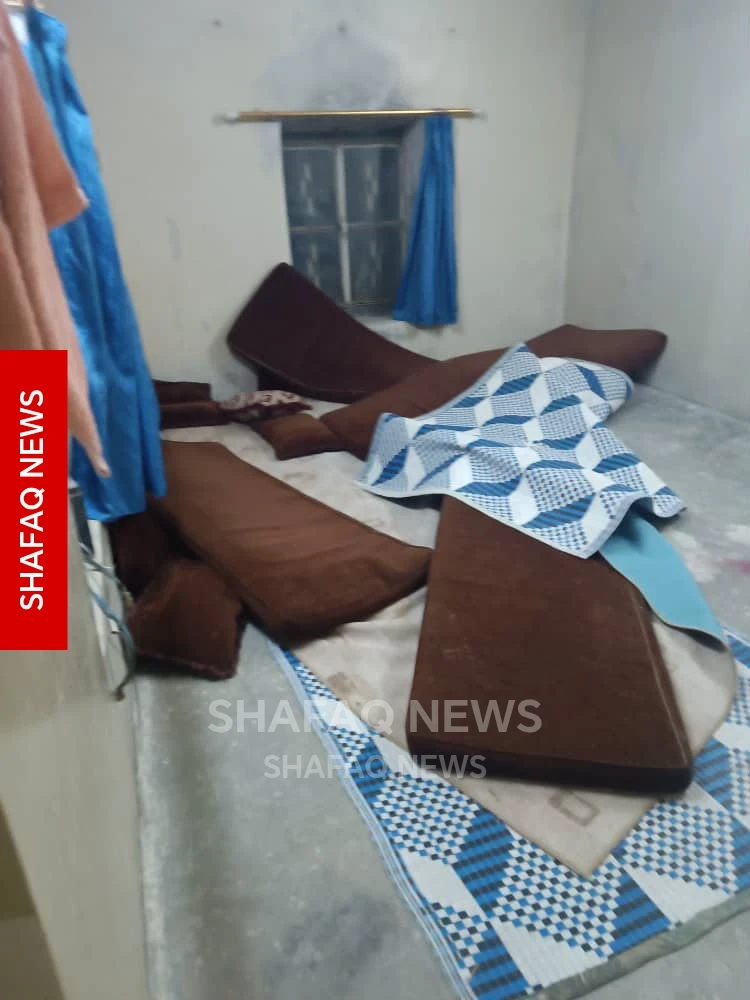
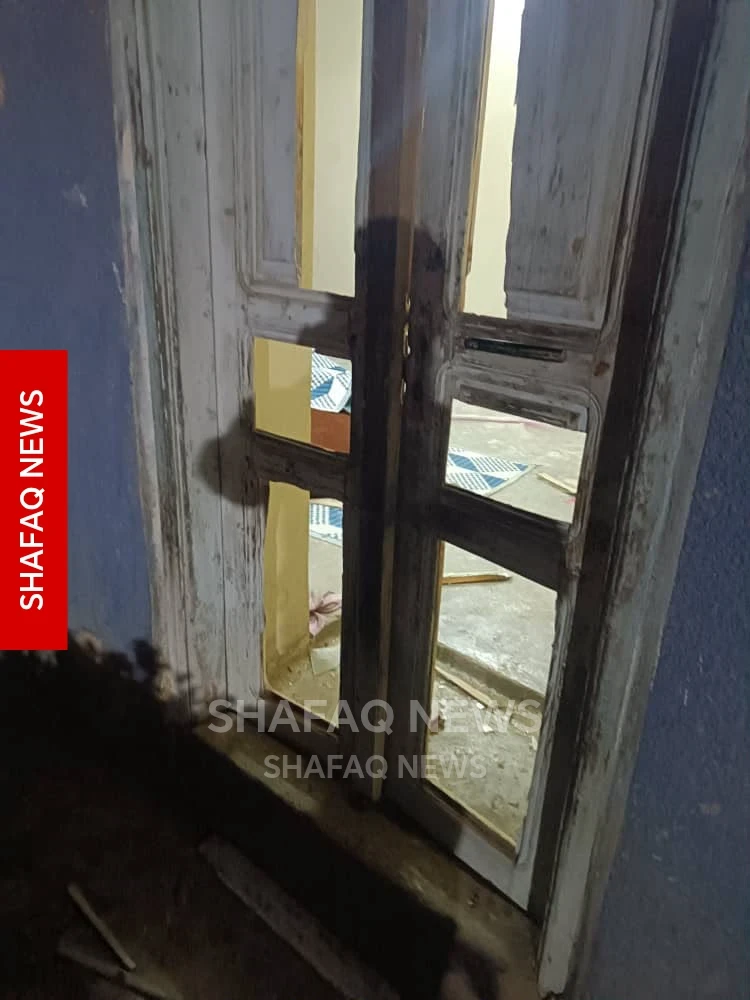
Fear has become a constant, he said, recalling a night raid on the village of Jamla. "The damage reaches people's property, their land, their beehives and their olive trees," he said, calling for civilians to be protected and the violations to stop. Subaihi spoke in a local capacity, not on behalf of the UN.
In the background, sources told Shafaq News that individuals affiliated with Hizb ut-Tahrir have been present in parts of southern Syria, the Yarmouk Basin and areas near the occupied Golan Heights since the Bashar al-Assad era. The scale and structure of that presence, whether those individuals possess weapons, and the nature of their current activities require further verification.
The Shadow Of October 7
Israel frames its presence in and around the buffer zone as necessary to protect its northern border from Lebanon's Iran-backed Hezbollah, which fought alongside Assad's forces during Syria's 13-year war, and to stop threats before they reach the Golan. Its forces "question and detain individuals when there is reasonable suspicion of their involvement in terrorist activity," the Israeli military says.
In September, the military said it had carried out operations against armed infrastructure inside Syria, detaining suspects and seizing anti-tank shells, mortar rounds and rifles. That account could not be independently verified, nor does it show that the measures were limited to armed suspects rather than the civilians caught up in the raids.
At a UN Security Council session on September 17, Israel's ambassador, Danny Danon, linked what Israel calls its security zone in southern Syria to preventing an October 7-style attack launched from Syrian territory, according to the Security Council Report. The Security Council has stressed that the 1974 disengagement agreement must be respected and that there should be no military activity in the separation zone.
Damascus's Terms
Damascus is offering a negotiating path that begins with Israel withdrawing from positions it has taken since December 8, 2024, the day Bashar al-Assad's government fell, and returning to the 1974 disengagement lines. That could lead to a security arrangement and, later, talks on a lasting peace.
Speaking at an Atlantic Council event in September, Syrian President Ahmed al-Sharaa tied peace to guaranteeing Syria's rights and ending the occupation of its land, saying a successful security agreement could pave the way for longer-term talks on peace and the occupied Golan. He also criticized Israel for basing its Syria policy on its experience in Gaza and exaggerating its security fears.
Restoring the 1974 arrangements is not the same as settling the question of the Golan, which Israel captured in 1967 and later annexed in a move most of the international community does not recognize. The first concerns separating forces and where they are deployed, while the second concerns land, sovereignty, borders, and a final settlement.
Syrian-Israeli negotiations date back to the 1991 Madrid conference and continued through the 1990s and into 2000. Disputes over the scope of an Israeli withdrawal, the June 4, 1967 line, Syrian access to Lake Tiberias, and security arrangements prevented an agreement. The sources reviewed for this report show no indication that current contacts have formally resumed from where those negotiations ended.
*1 hectare= 10 dunams
Written and edited by Shafaq News staff.