Shafaq News- Erbil
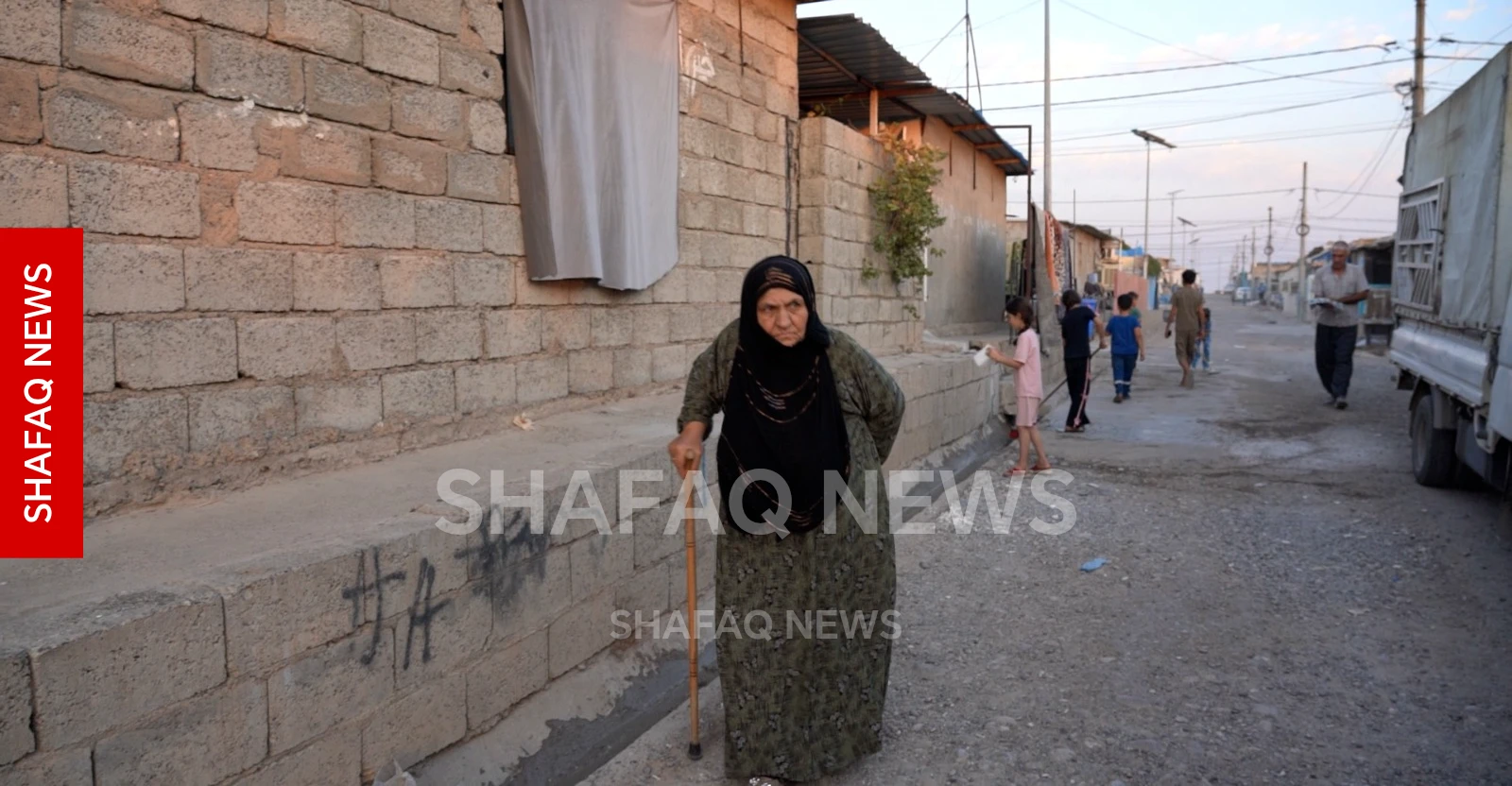
For more than a decade, a Syrian refugee family has called Darashakran camp, southwest of Erbil, home. What began as a journey to the Kurdistan Region of Iraq (KRI) in search of treatment for four children with disabilities has turned into an indefinite stay, now made harder by the loss of humanitarian assistance and the absence of a steady income.
Darashakran was established in 2013 for Syrian refugees and
housed nearly 11,900 people in late 2024, according to UNHCR. The agency
describes it as one of the more isolated refugee camps in the Kurdistan Region,
around 20 km from the nearest town and reliant on services provided inside the
camp.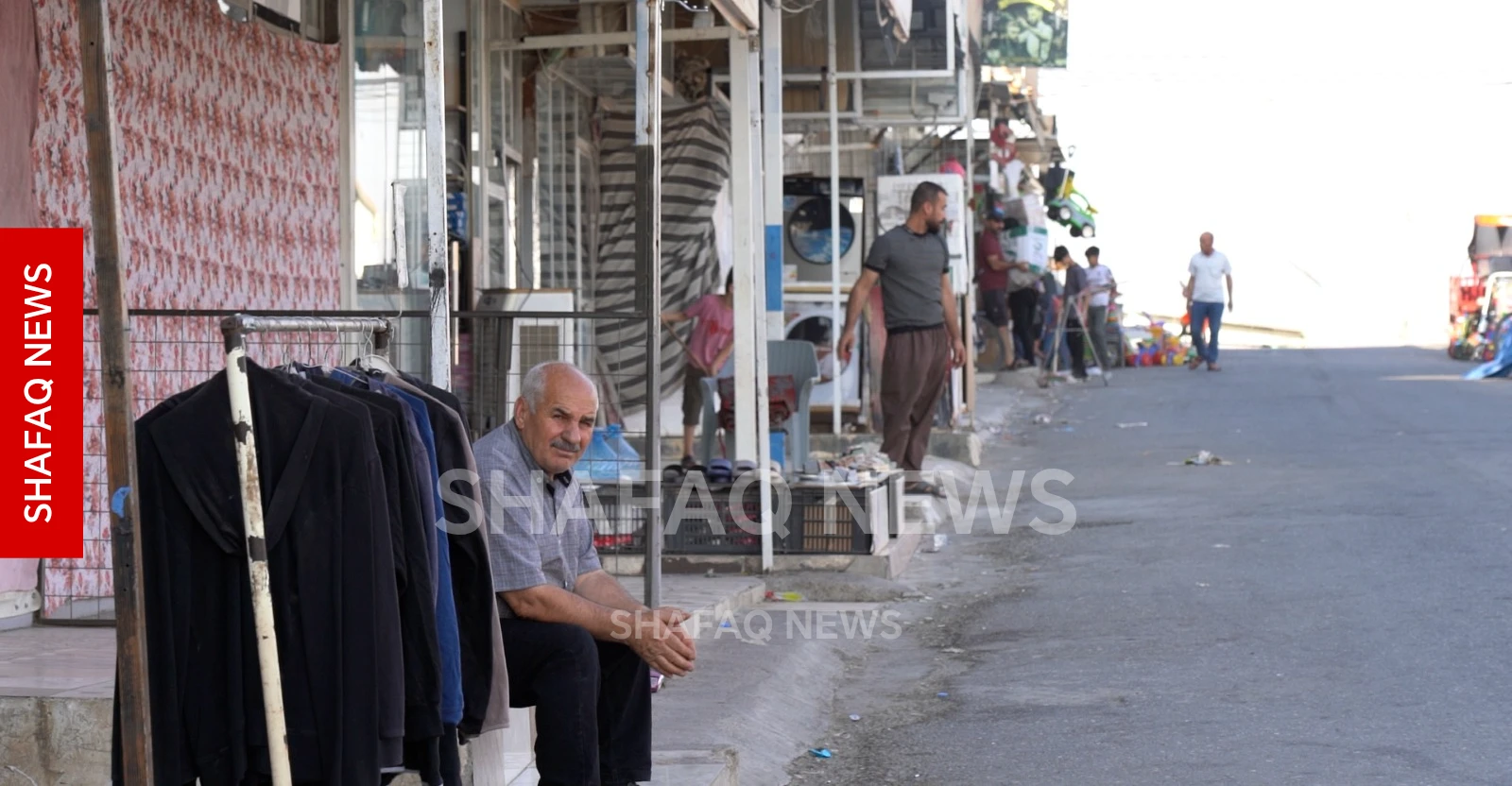
Mumtaz Othman arrived with his family from Syria in 2013, hoping to find treatment for his children. They never left the camp. “My four children, Suad, Hamdia, Rodar and Lamis, have paralysis and disabilities and cannot stand or move,” Othman told Shafaq News. “We are living in difficult economic conditions and have no stable source of income.”
Returning to Syria, he said, offers little prospect of relief. The family depends on an environment where four children require continued care and assistance, while Othman sees few ways to provide for them if they leave the camp. “Returning under the current conditions means facing hunger and being left with nothing, especially with four children with disabilities who need care and assistance,” according to Othman.
His immediate concern is securing that care and meeting the
family’s basic needs. Othman appealed to humanitarian organizations and others
able to help to support his children.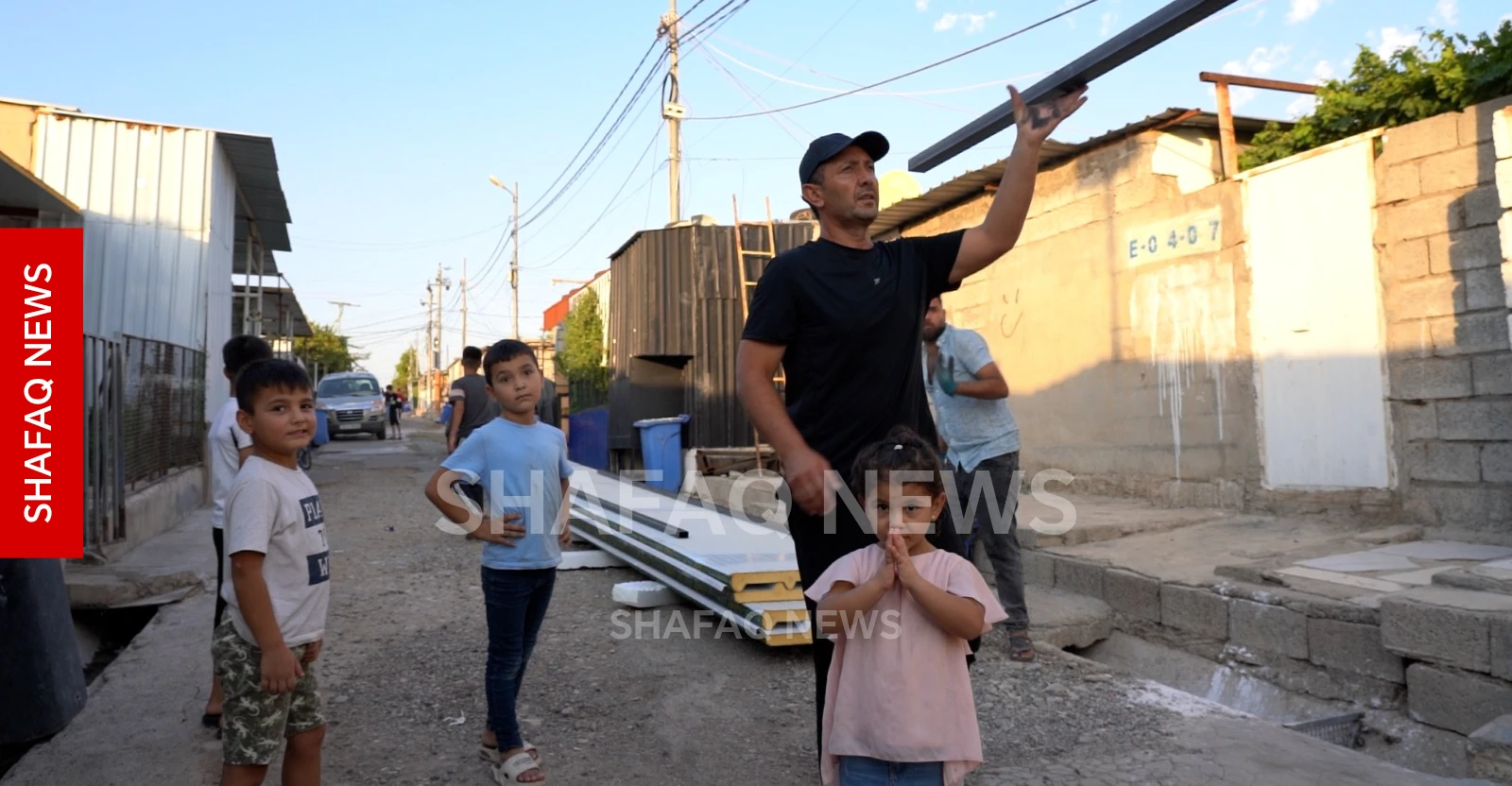
Life After Aid
Jamil Ahmed, another Syrian refugee in the camp, said UN assistance stopped in 2021, leaving residents increasingly dependent on daily labor. Refugees now work as painters, construction workers, electricians, auto mechanics and tile installers, while others seek jobs in markets or take whatever temporary work is available. On days when there is no work, families have fewer options to cover their expenses. “For those unable to work, the consequences are more severe.”
Ali Hussein, head of the camp council, told Shafaq News that refugees first lived in tents supplied by the UN refugee agency, UNHCR. Over time, with no sign that they would soon return to Syria, families began replacing them with simple homes built largely at their own expense.
Humanitarian organizations helped build no more than 20% of the housing, according to Hussein. Residents constructed the rest themselves, in some cases after selling property in Syria or working for years to save enough money.
Read more: No aid, no care: Iraq’s camps reel after US aid cut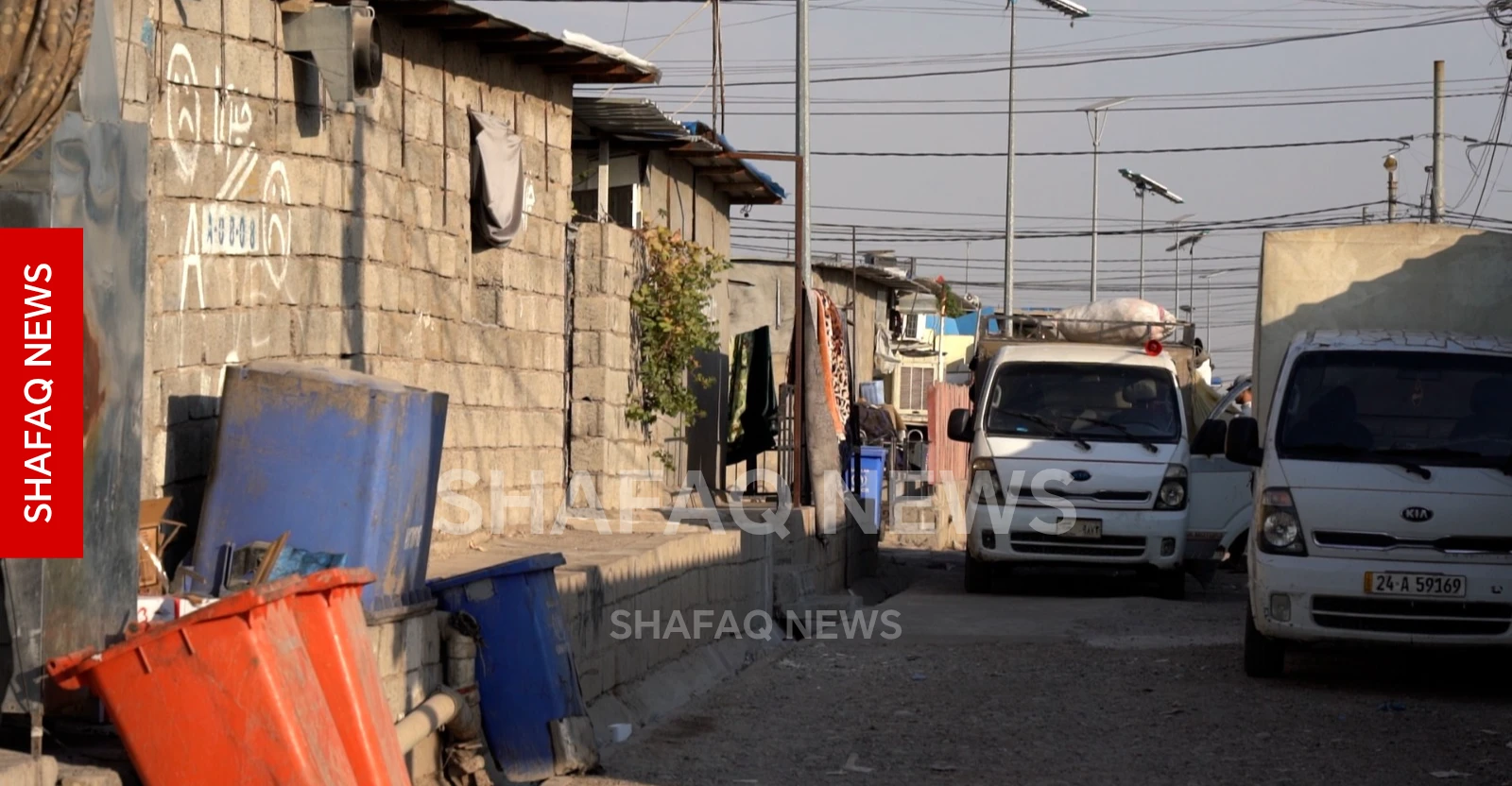
Waiting For Conditions to Change
Hussein called on UNHCR to reconsider its refugee programs and funding and resume assistance, citing continued instability in Syria and deteriorating economic conditions and public services, including healthcare and education.
For Othman, those wider problems carry an immediate meaning. Returning is not simply a question of crossing the border after more than a decade away; it means finding a place where he can support four children who cannot stand or move and who depend on others for care.
Read more: One year after Al-Assad’s fall, Syrian returns reach historic levels