Shafaq News- Duhok
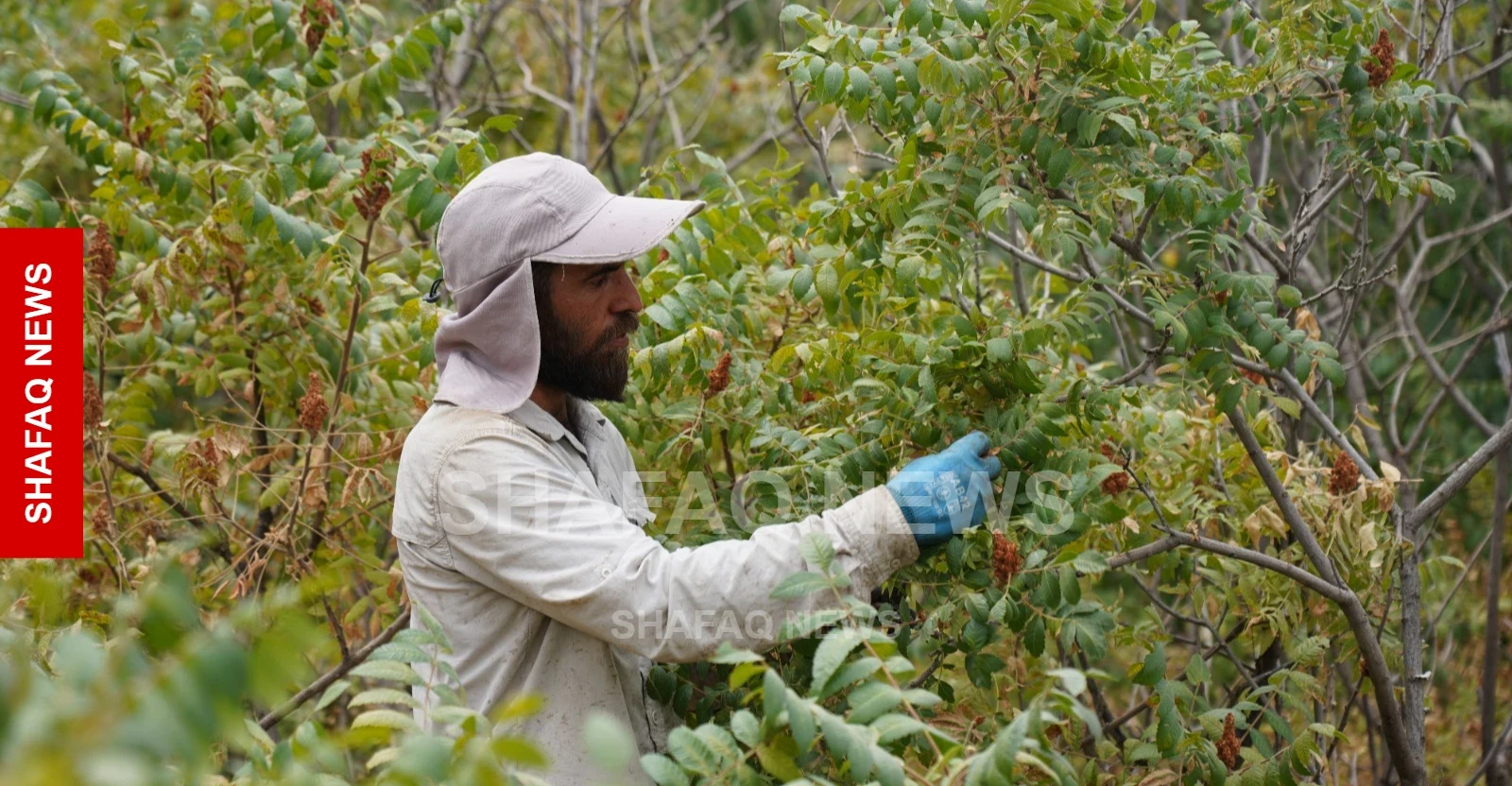
Farmers in Duhok province, in the
Kurdistan Region of Iraq (KRI), are harvesting sumac from more than 3.5 million
trees this August, with the locally grown crop drawing demand from Europe, the
United States, and neighboring countries.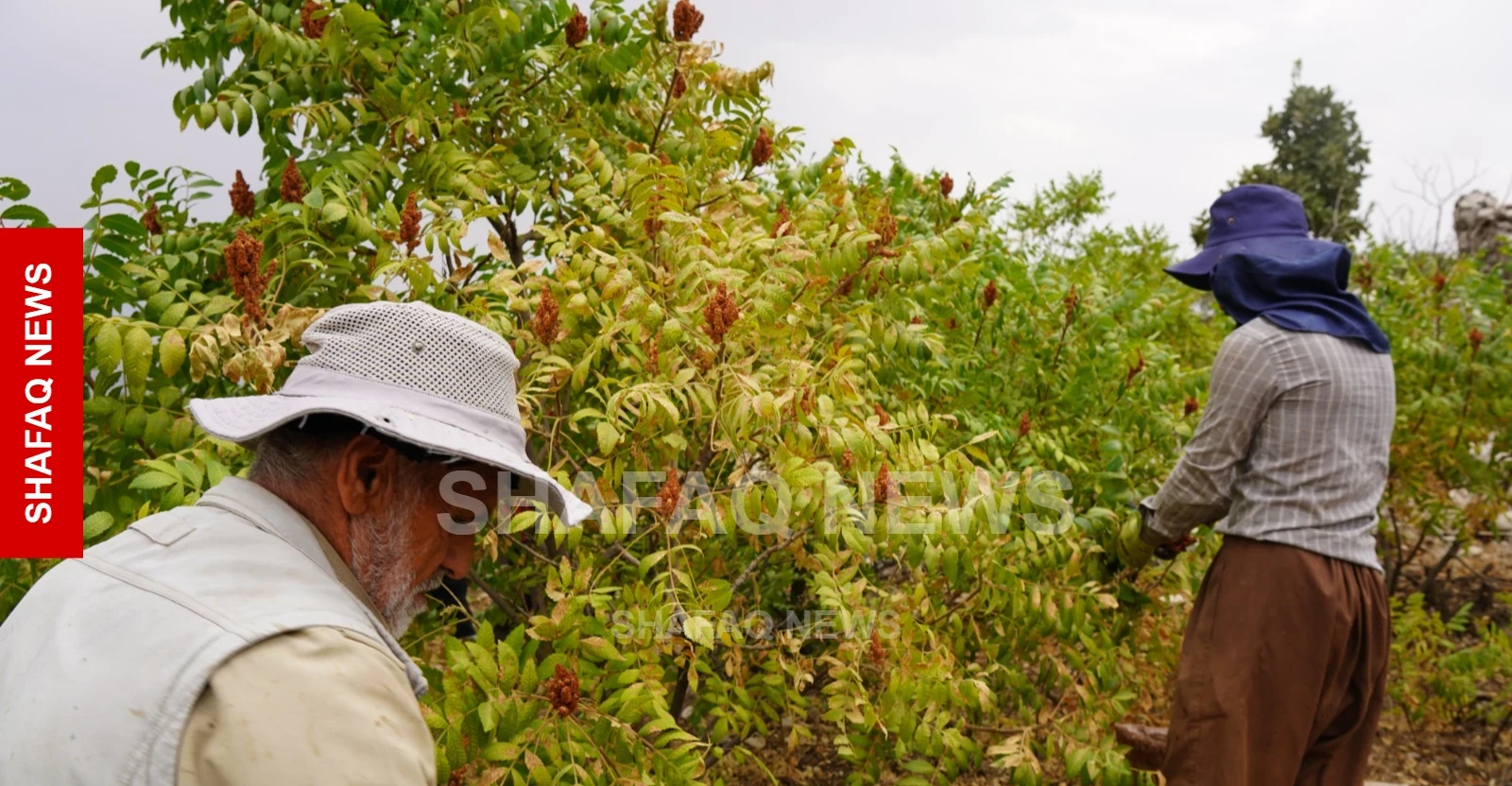
More than 9,000 dunams (900 hectares) are planted with sumac in Dinarta, a mountainous subdistrict of Akre in northern Duhok, with production expected to reach around 6,000 tons this year, Dinarta Agriculture Department official Diljar Mahdi Taha Ismail told Shafaq News.
The area produces three main
varieties: red sumac, the most widespread; Baliki sumac; and white sumac,
considered the highest quality and most sought after. Prices have risen
significantly from last year, with farmer Nimat Abbo Zaid Khalid putting red sumac
at 10,000-11,000 Iraqi dinars ($7.60-$8.36) per kilogram this season and white
sumac at 12,000-13,000 dinars ($9.12-$9.88).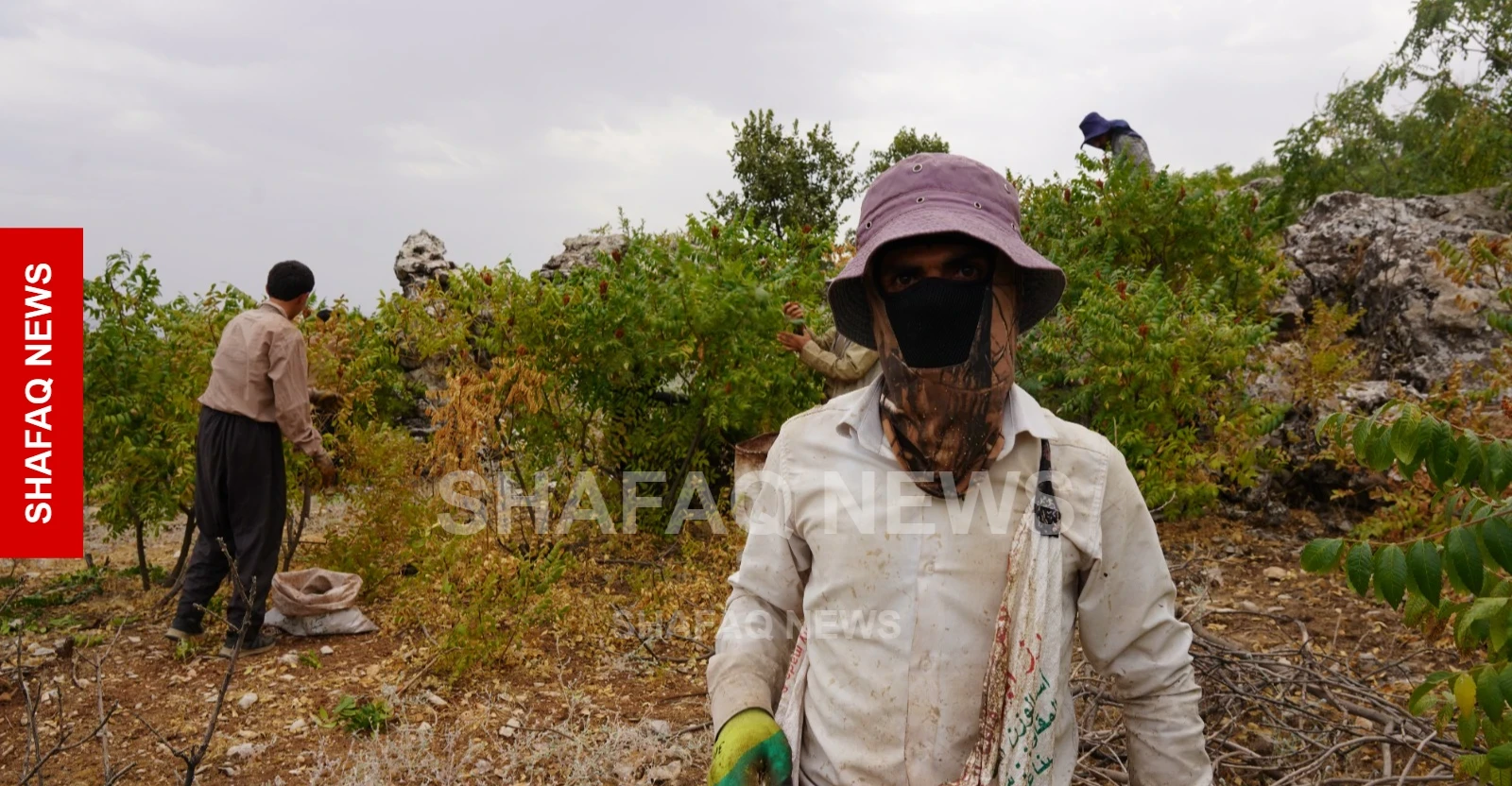
The harvest, which usually begins in
early August, was delayed until mid-month after around 20 days of heavy spring
rainfall affected flowering and caused some blossoms to fall, Khalid told
Shafaq News. Despite the impact on this season’s crop, the trees remained in
better condition than during the severe drought of the previous two years.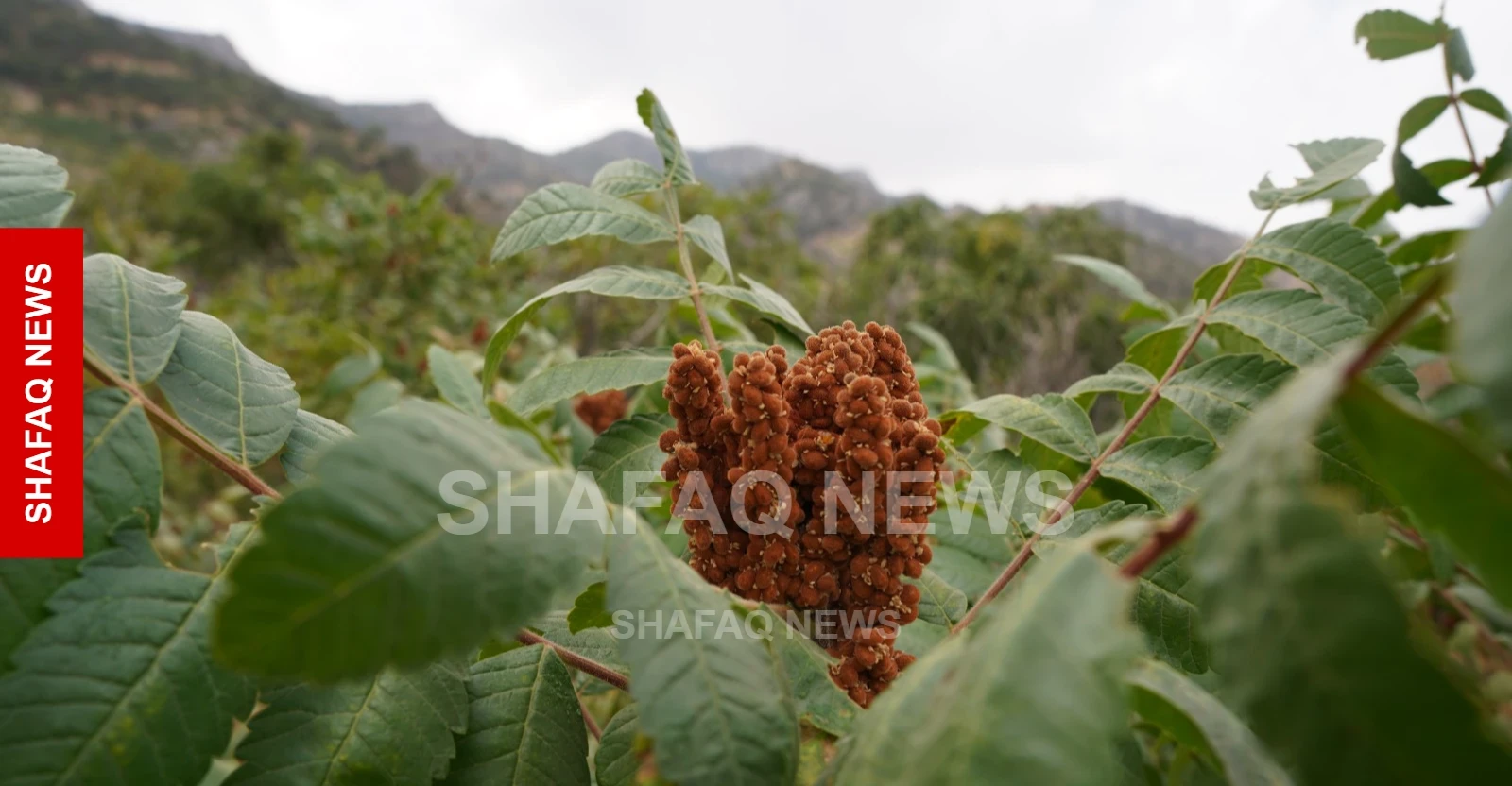
Khalid’s family has cultivated and harvested sumac since 1993 and owns around 7,000 trees. The crop is picked entirely by hand, then dried and processed before being transported to Dinarta for wholesale sale.
Beyond local production, sumac from
Dinarta is marketed across the KRI and central and southern Iraq, while more
than 5,500 tons were exported to Turkiye and Iran last year. Difficult access
to mountain farms remains one of the main challenges for growers, prompting
authorities to work on opening roads to facilitate access and crop
transportation.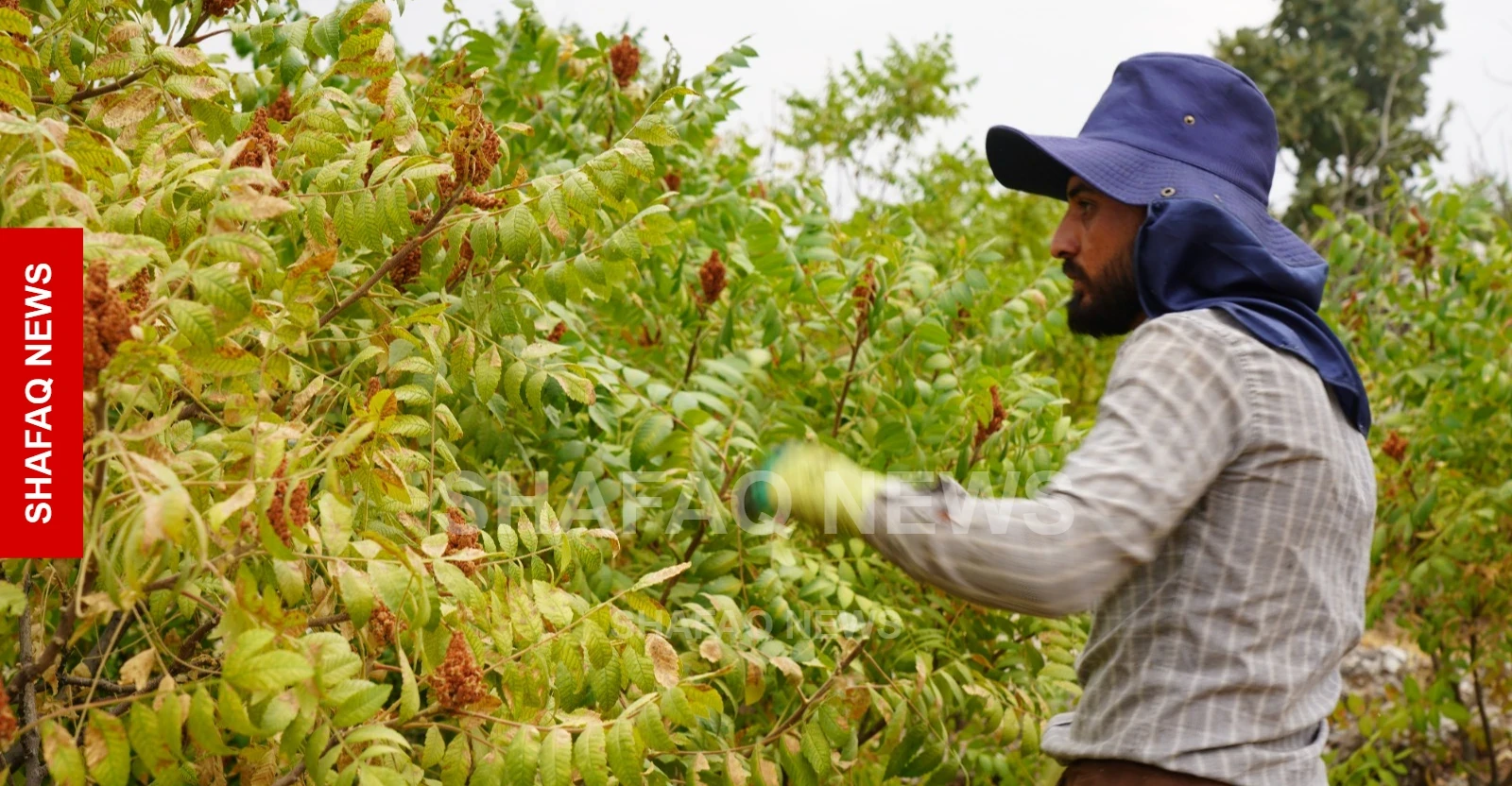
A private company in Akre is also coordinating with the government to export large quantities annually, as local agricultural authorities seek to expand marketing channels and increase export outlets, according to Ismail.
Read more: Iraq’s water crisis: A structural rewrite of agricultural governance