Shafaq News- Greenbrier
Iraq returned to training in West Virginia on Friday with a full squad and a clear task before facing France: correcting the mistakes that turned a competitive first half against Norway into a 4-1 World Cup defeat.
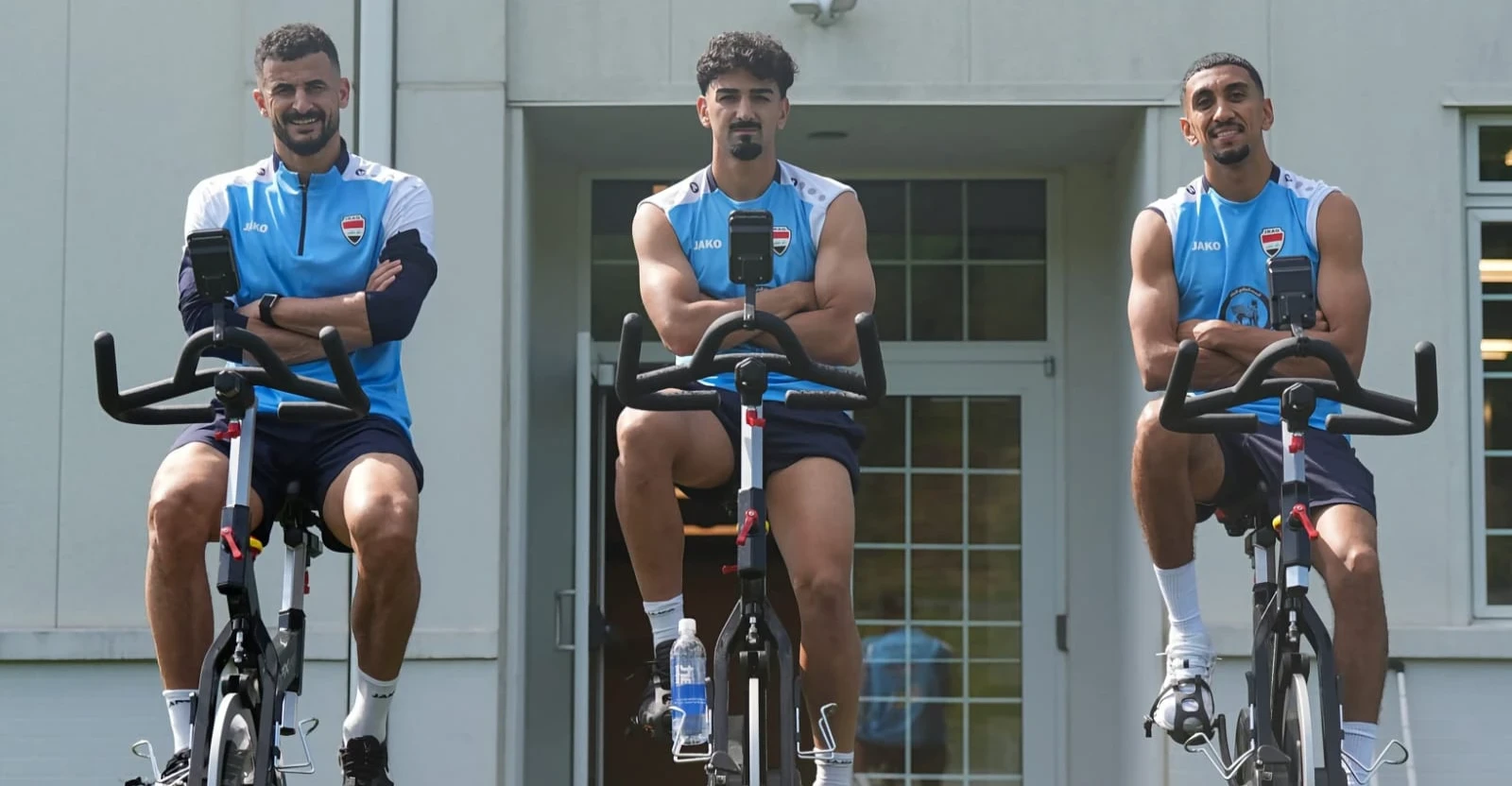
The squad trained at the Greenbrier complex under coach Graham Arnold’s program, four days before Iraq meet France at Lincoln Financial Field in Philadelphia in their second Group I match. All players attended the session, Ali Riyah, the press envoy accompanying Iraq’s delegation, told Shafaq News, adding that no influential injury currently threatens any player’s availability before the France match.
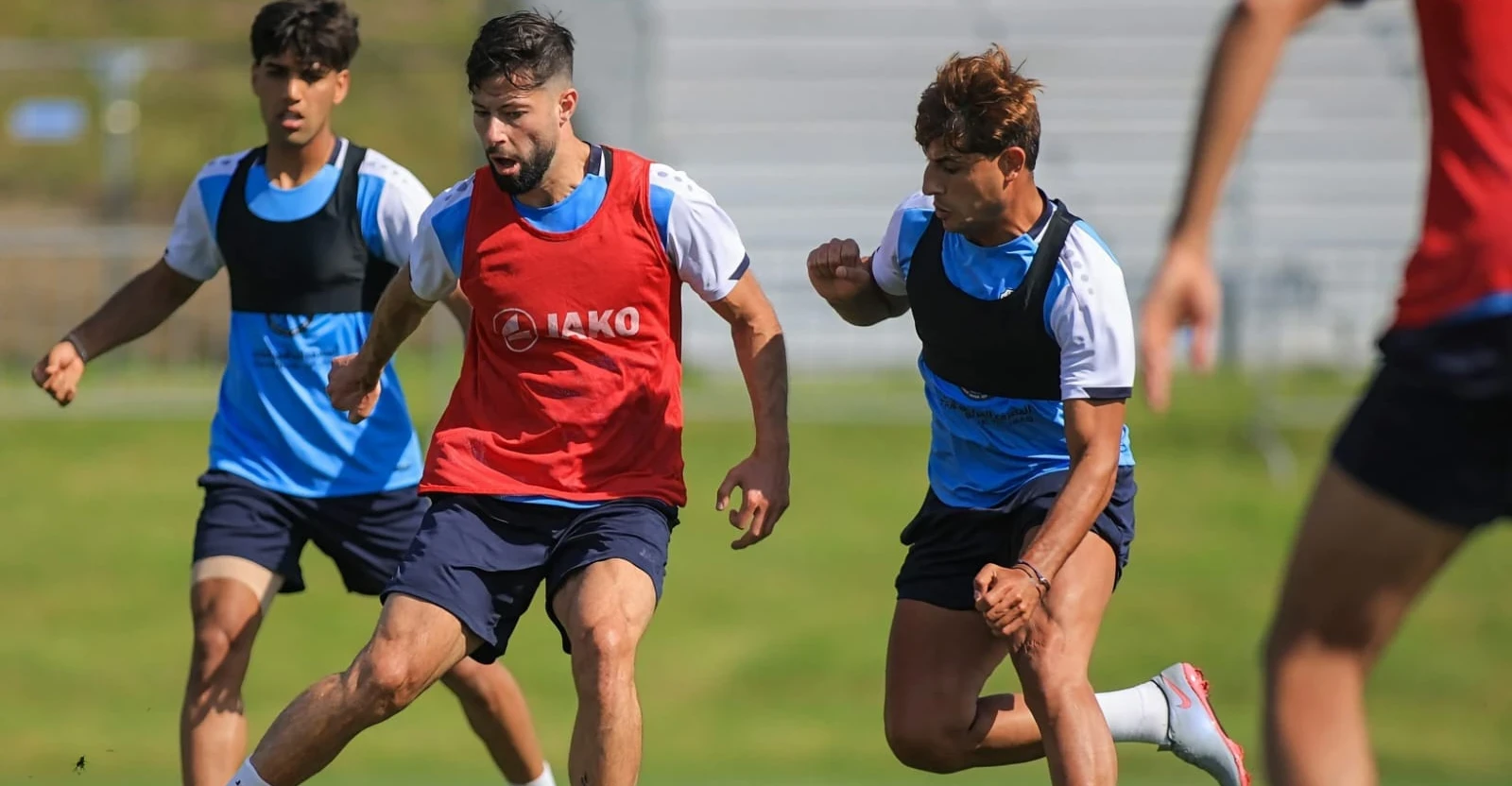
Tactical correction “dominated” the session, with Arnold focusing on errors from the Norway match and overseeing practical exercises aimed at preventing a repeat against one of the tournament’s strongest teams. Arnold also placed clear emphasis on the “psychological and motivational” side of the squad, alongside the physical and technical work shaping Iraq’s preparation for the match.
The players showed strong commitment during training, Riyah noted, and remain convinced they have more to offer if they avoid the mistakes that made the Norway defeat heavier than the balance of play suggested.
Iraqi fans in the United States expressed disappointment after the opening loss, but confirmed they would continue travelling to support the team in Philadelphia against France and later in Canada against Senegal. The defeat also triggered criticism from Iraqi writers and journalists following the team, with attention focused on Arnold’s selections, the goalkeeping position, defensive organization, and Iraq’s inability to limit the damage after Norway regained control.
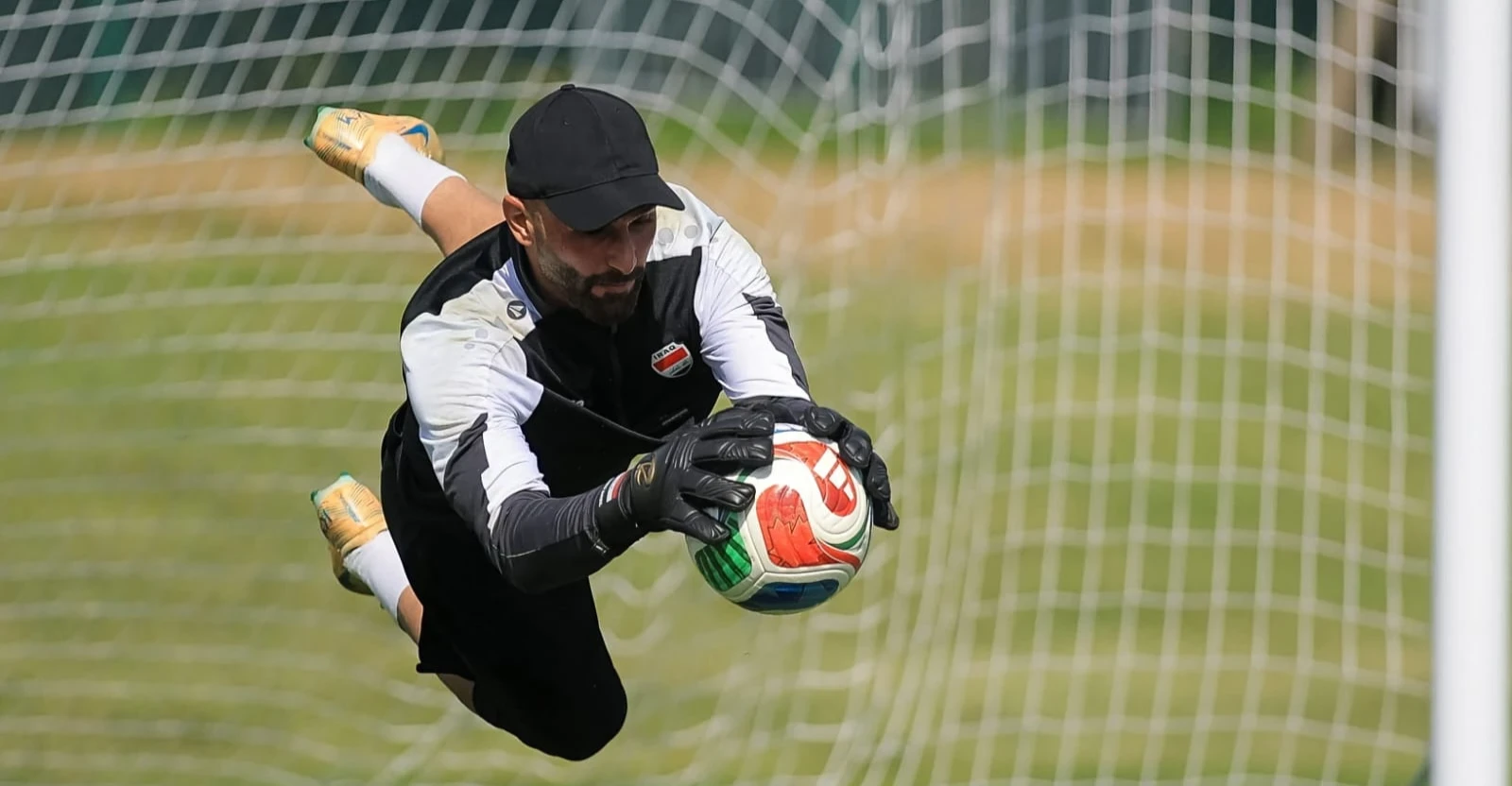
The result was heavier than expected, writer Faleh Hassoun Al-Daraji argued, even if he had not anticipated Iraq beating a Norway side led by Erling Haaland and Alexander Sorloth. He also questioned Arnold’s decision to start goalkeeper Jalal Hassan against a team built around strong aerial threats, as Ahmed Basil’s height and ability on high balls could have offered Iraq a different option.
The selection of Ibrahim Bayesh also drew criticism from Al-Daraji, who argued that the match’s pace and physical demands required a different midfield profile and that Iqbal Zidane could have offered greater technical control. Defensive frailties were another concern, particularly Zaid Tahseen’s performance and Iraq’s need for stronger preparation at center-back against opponents of World Cup caliber.
The pressure now shifts to Philadelphia, where Iraq need a positive result to revive their hopes of reaching the next round before closing the group stage against Senegal. France, meanwhile, arrive with three points after a 3-1 victory over Senegal in their opener, giving Didier Deschamps’ side early control of Group I and leaving Iraq with little room for another defeat.
FIFA assigned Canadian referee Drew Fischer to officiate Iraq’s meeting with France, scheduled for Tuesday, June 23, at 00:00 Baghdad time at Lincoln Financial Field.