Shafaq News – Baghdad
Plastic nylon bags have become a staple across Iraq despite warnings of harmful chemicals and growing pollution crisis, while campaigns push for alternatives amid government inaction.
Experts warn that Iraq already ranks among the most polluted
countries globally, and the widespread use of nylon bags to store bread and
food is one of the most serious health risks, contributing to cancer cases
through the leaching of chemicals into food.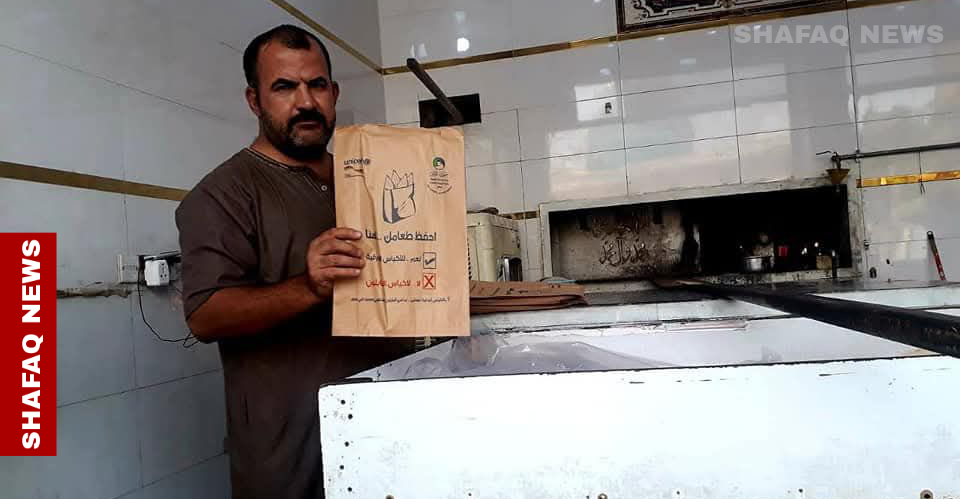
The Head of the Awareness Department at the Ministry of Environment, Salah al-Zaidi, told Shafaq News that the ministry carried out a nationwide campaign from 2019 to 2022 with UNICEF support to address pollution, particularly concerning nylon use. “The campaign covered all Iraqi provinces, but engagement from bakery and restaurant owners was extremely limited. Only Nineveh’s local government responded by obligating bakeries to sell bread in paper bags.”
Fadel al-Gharawi, the head of the Strategic Center for Human Rights in Iraq, further highlighted the ecological threat posed by plastic bags, noting that more than 700 species of marine and terrestrial animals suffer from their effects. Transparent plastic bags, he explained, are often mistaken for jellyfish by sea turtles, leading to fatalities, while corals are damaged as the bags block sunlight. Camels, cattle, and other mammals have also died from ingesting discarded nylon bags.
Despite these warnings, nylon bags remain the default choice
in bakeries and markets across the country, where government oversight is
largely absent and only volunteer-led campaigns have tried to promote paper
alternatives.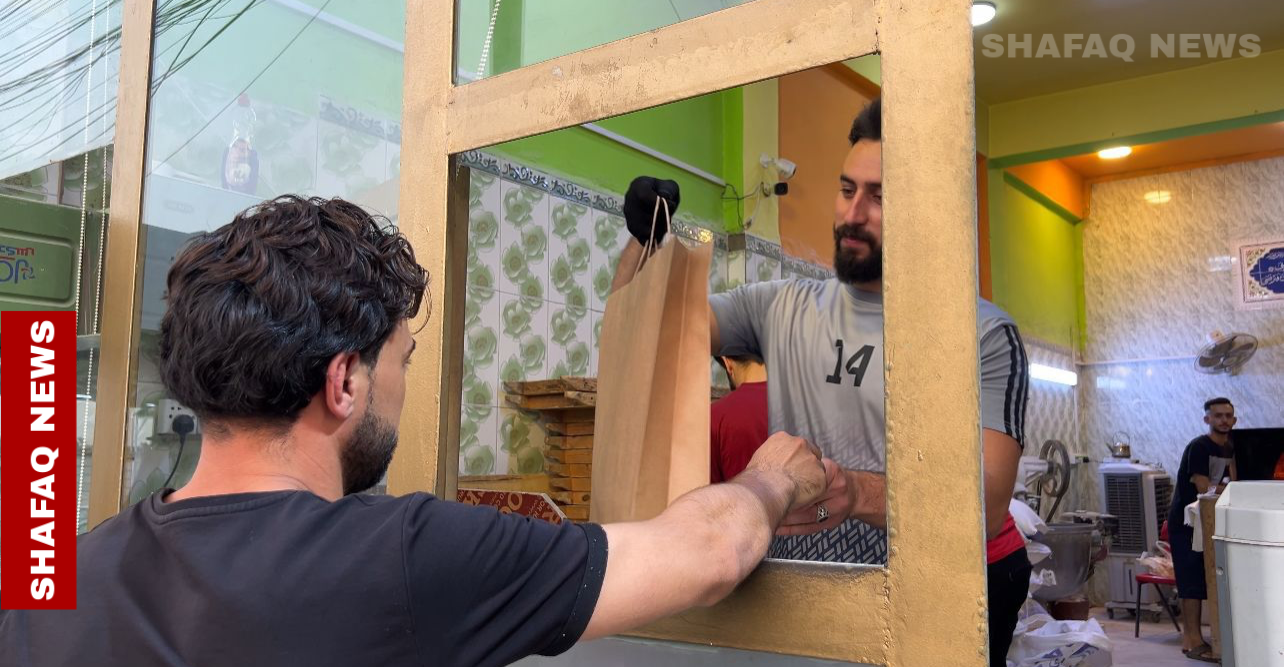
One such initiative is led by Nada Abdul-Samad, who told
Shafaq News she was inspired during a visit to Rwanda, where authorities banned
plastic bags. She later sought support from others to launch an awareness
campaign. Her campaign, supported by a group of young people, included posters
and leaflets showing how nylon reacts to heat and releases carcinogens such as
dioxin, while also explaining the health and environmental differences between
plastic and paper bags.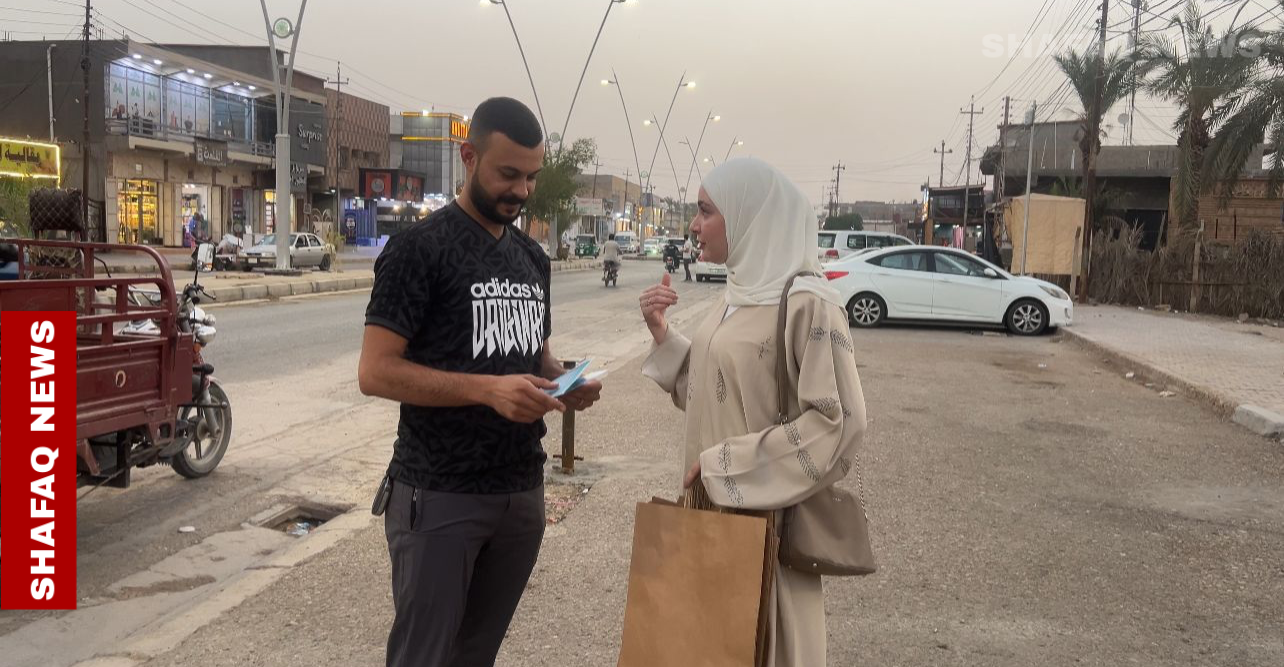
Although the campaign succeeded in drawing cooperation and attention, its effect was temporary. “This issue requires government involvement and binding laws with penalties for violators,” Abdul-Samad stressed, adding that bakery owners often complain that paper bags are more expensive than nylon alternatives.