Shafaq News- Babil
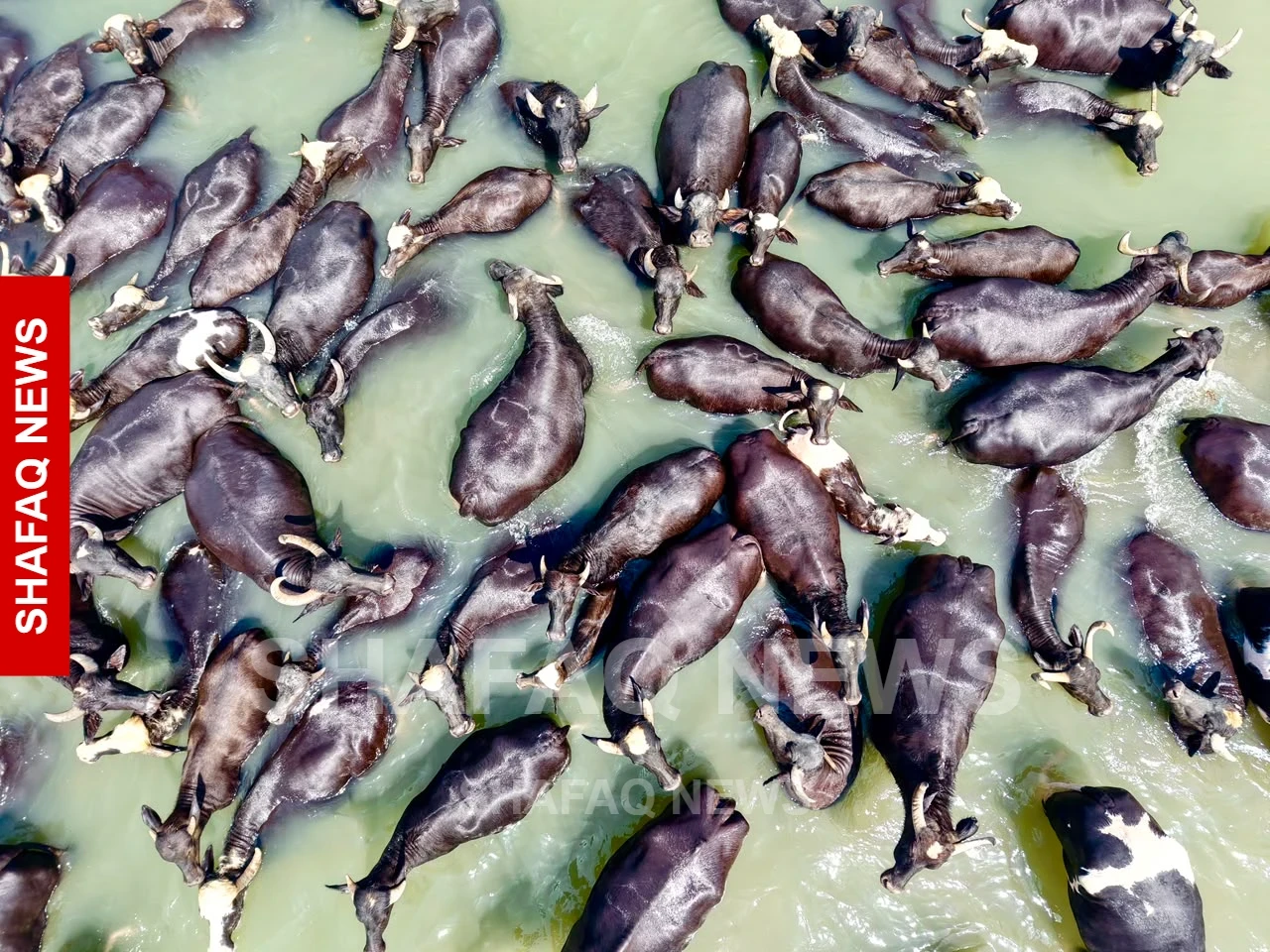
Buffalo herds and fishermen are returning to waterways in Iraq’s Babil province after improved rainfall and higher river levels brought relief from years of drought that damaged agriculture, livestock, and fisheries across central and southern Iraq.
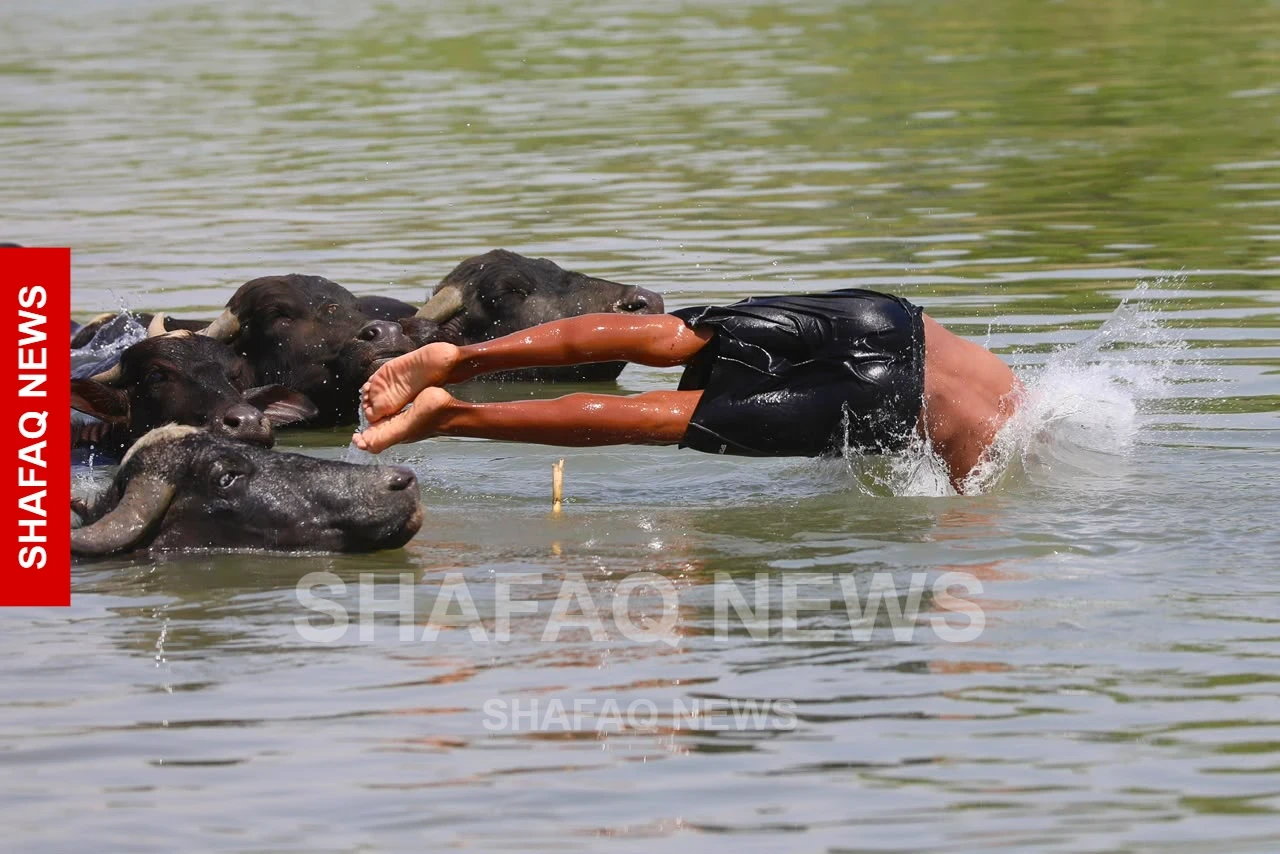
Along Shatt Al-Hilla, a major historical branch of the Euphrates River, Shafaq News observed buffalo swimming with their herders while fishermen cast nets nearby, showing a gradual revival of water-dependent livelihoods.
The 2025-2026 winter brought above-normal rainfall and Iraq’s strongest recovery in national water storage in recent years, according to the United Nations. The gains restored only about a quarter of the water lost since 2020, with storage remaining below one-fifth of total system capacity.
In southern Dhi Qar, provincial desertification adviser Haider Saadi said more than 10,500 families, or nearly 60,000 people, were displaced by water shortages, while 98% of wetlands and agricultural areas became barren. More than 15,000 buffalo died and around 90% of fish stocks were lost over four years.
Iraq remains among the world’s five most climate-vulnerable countries, according to UN assessments. Its latest climate plan shows crop yields have fallen around 17%, while soil salinization affects 54% of agricultural land. The World Bank has also warned that the gap between Iraq’s water supply and demand could widen to 11 billion cubic meters by 2035, threatening food security and economic activity.
Still, in July, Iraq’s parliamentary Agriculture and Water Committee cautioned that improved water levels had not ended the country’s strategic water threat, with southern provinces still facing displacement and agricultural decline.
Read more: Rising Euphrates waters revive hopes in central Iraq