Shafaq News- Najaf
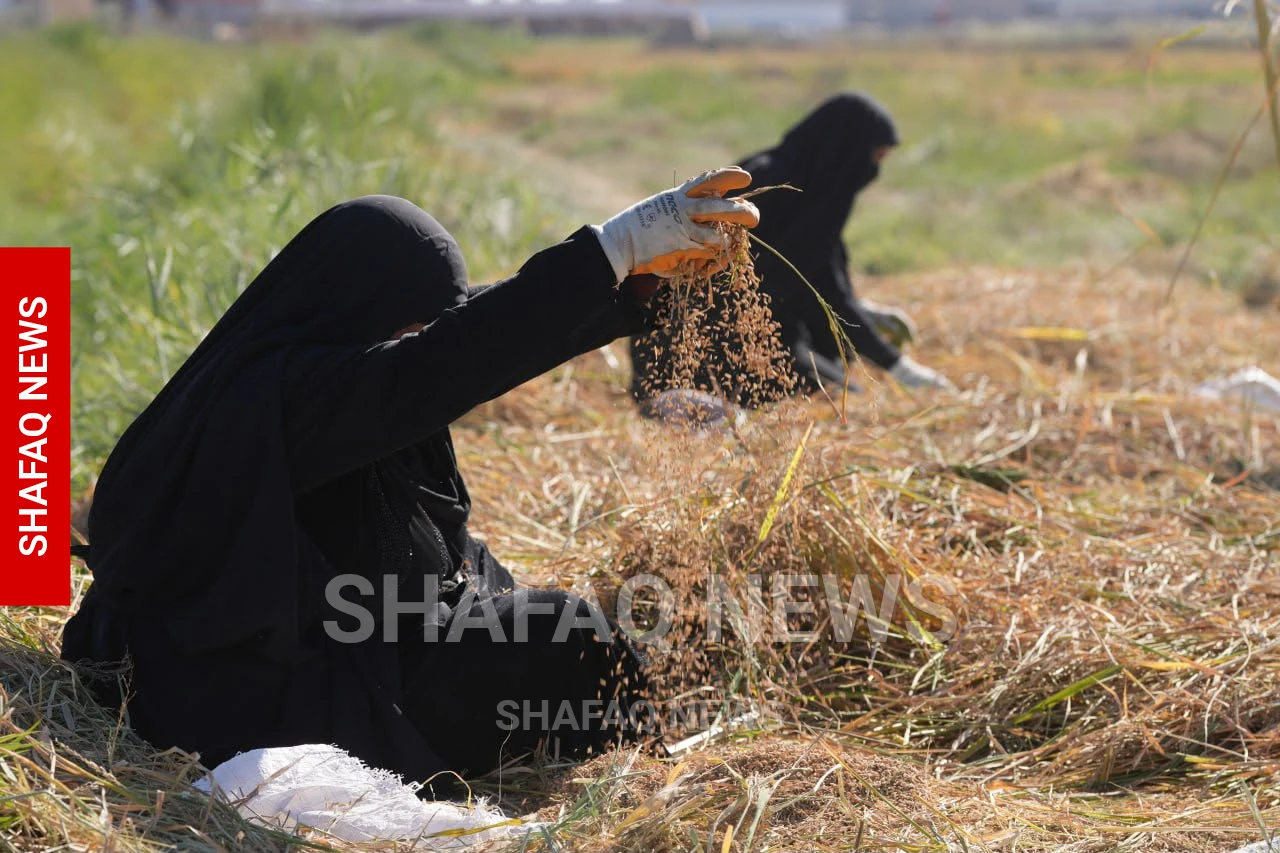
In a quiet corner of a rice field in Al-Mashkhab, southern Iraq, Umm Ismail, dressed in black and wearing a niqab, gathers rice grains left behind by harvesting machines to help feed her six children.
“This work is
exhausting, but we endure the hardship to see a smile on one of my children’s
faces and help them finish school,” she told Shafaq News.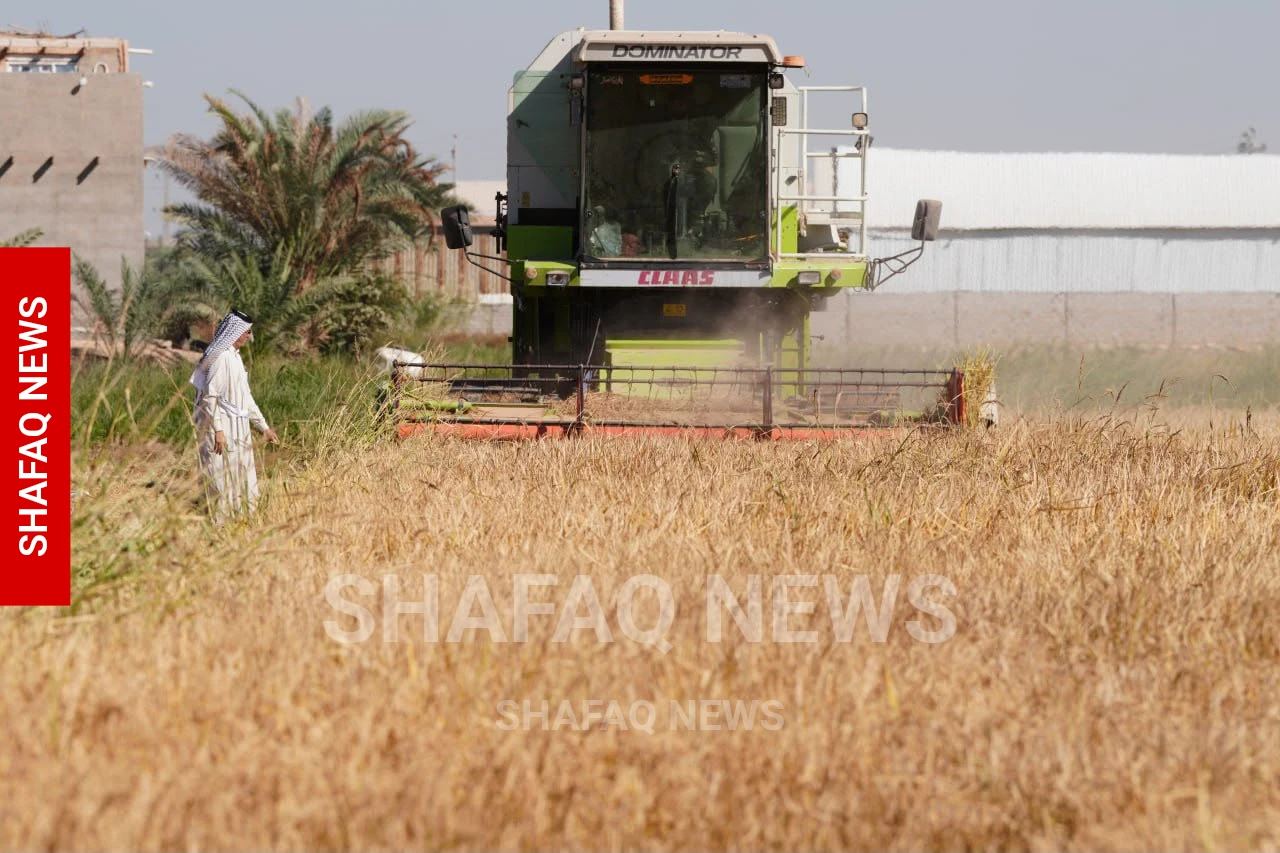
Memories of the Sanctions Era
For Umm Ismail, the work brings back memories of Iraq's economic hardship during the international sanctions of the 1990s, when she accompanied her mother to the fields to collect leftover amber rice.
“We used to go with
our mother to collect what remained of the amber rice harvest, and we never
felt ashamed,” she recalled. “Today, however, we feel embarrassed because we
don't want to put our sons and daughters in an uncomfortable position in front
of others.”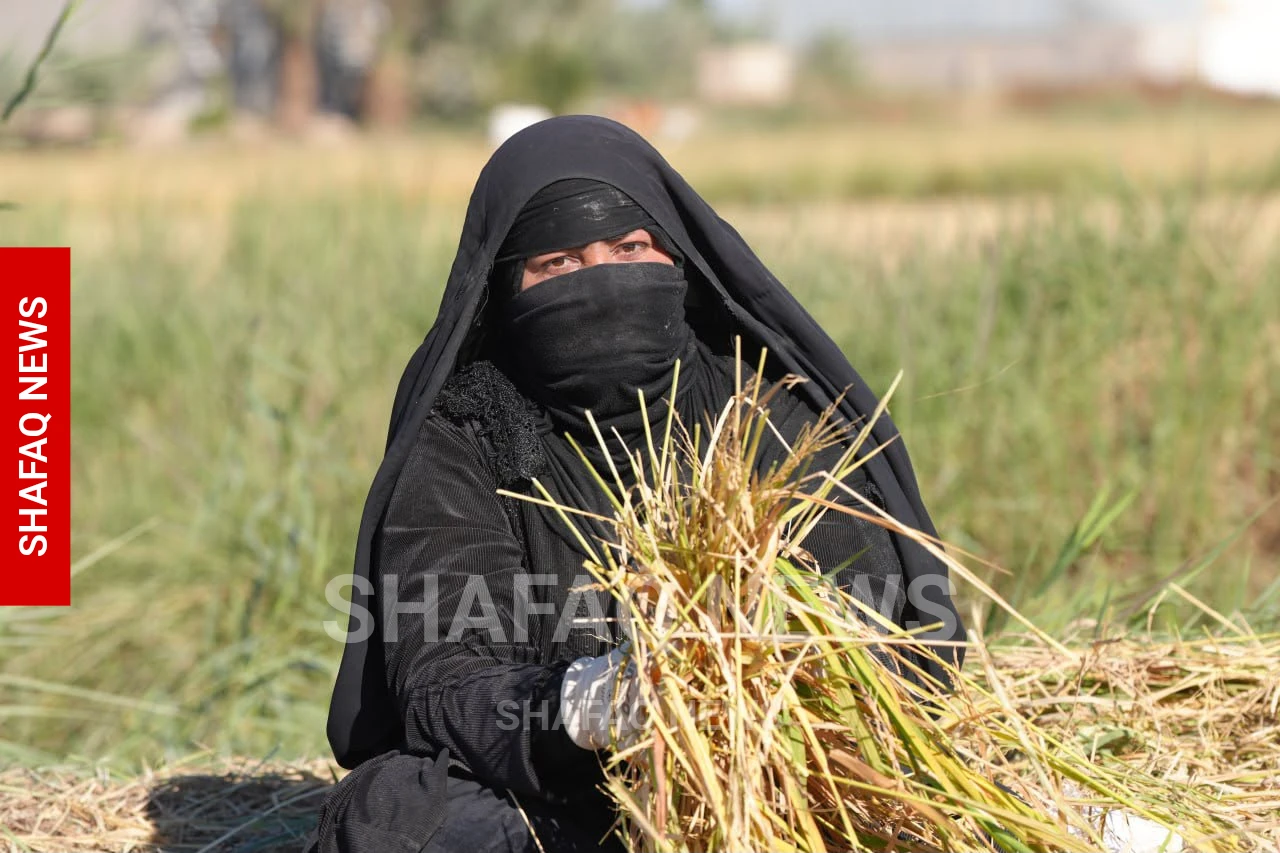
Umm Nadia, who also visits the fields during the harvest season, shares that reluctance to be seen. She said the practice, now largely confined to families struggling with poverty, has become a thing of the past for most people.
“We choose places
where people cannot see us,” she told Shafaq News, explaining that the work is
physically demanding. “We clean and mill the rice to help meet the needs of my
family of four.”