Shafaq News- Diyala
The population of Arabian sand gazelles at the Mandali Wildlife Reserve in eastern Diyala province has rebounded after two years of sharp decline, reaching an estimated 60 to 70 animals, up from fewer than 40.
New births have contributed to the increase, but the herd's recovery remains vulnerable to shortages of animal feed and limited government support. Workers at the facility have even had to purchase some of the supplies needed to feed the gazelles with their own money, Shafaq News learned on Wednesday.
Despite the increase in numbers, the reserve's officials remain concerned about the herd's long-term survival, citing declining vegetation, expanding barren areas, and a lack of resources to maintain the facility and care for the animals.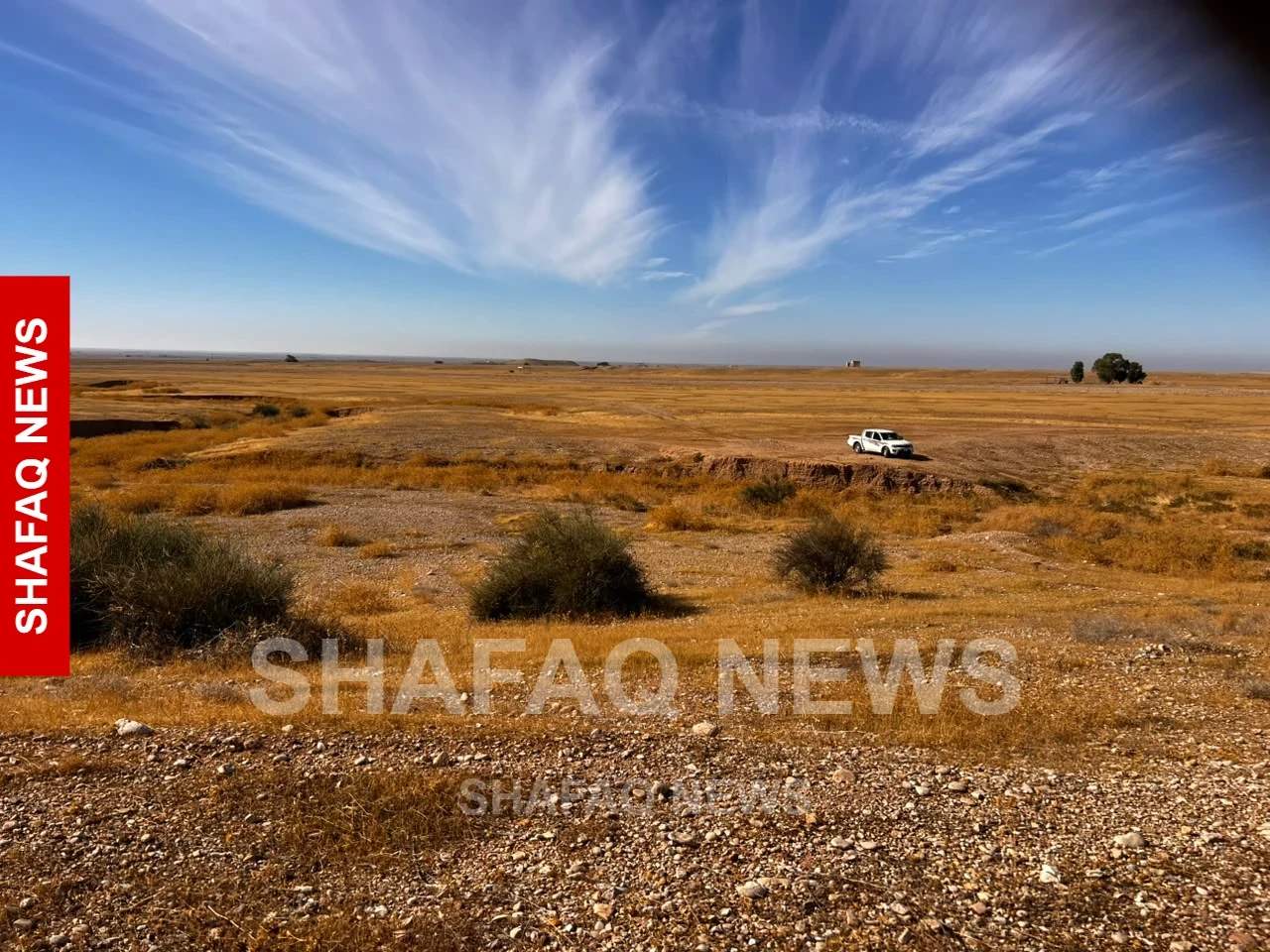
Footage captured by Shafaq News at the facility showed vast stretches of barren land, with little grass or vegetation available as a natural food source for the gazelles.
In June 2025, Shafaq News reported on the site's deteriorating condition, when Mandali district administrator Ali Dhamad al-Zuheiri disclosed that the population had fallen to just 10–20 animals, down from more than 400 gazelles.
After the report, Diyala Governor Adnan Mohammed Abbas al-Shammari ordered a five-member committee of agricultural specialists to investigate the disappearance of part of the herd and determine the circumstances behind the decline.
Diyala's Agriculture Directorate had also denied responsibility for the decline, noting that the facility was transferred to the Department of Forestry and Desertification when it still housed around 300 gazelles.
Established in 2000 on the outskirts of Mandali, toward Khanaqin and near the Iraqi-Iranian border, the Mandali Wildlife Reserve covers approximately 400 dunams (100 acres) of fenced land.