Shafaq News- Babil
On Monday, the world marked World Wetlands Day, coinciding with the anniversary of the adoption of the Ramsar Convention in 1971, which aims to protect wetlands and promote their sustainable management.
To mark the occasion, Shafaq News documented daily life in the Iraqi marshes, showing water buffalo swimming, fishermen at work, children swimming and playing, and farmers cultivating the land.
In Iraq, wetlands, including the marshes, play a critical
role in environmental balance as major carbon sinks and habitats for more than
40% of plant and animal species, while supporting the livelihoods of millions
of people.
The situation, however, points to a deepening environmental crisis threatening the marshes and other water bodies, as prolonged drought, falling water levels, and rising salinity have killed thousands of animals, birds, and fish and forced hundreds of families to leave their areas.
Read more: Silent extinction: Iraq’s wildlife fades as water runs out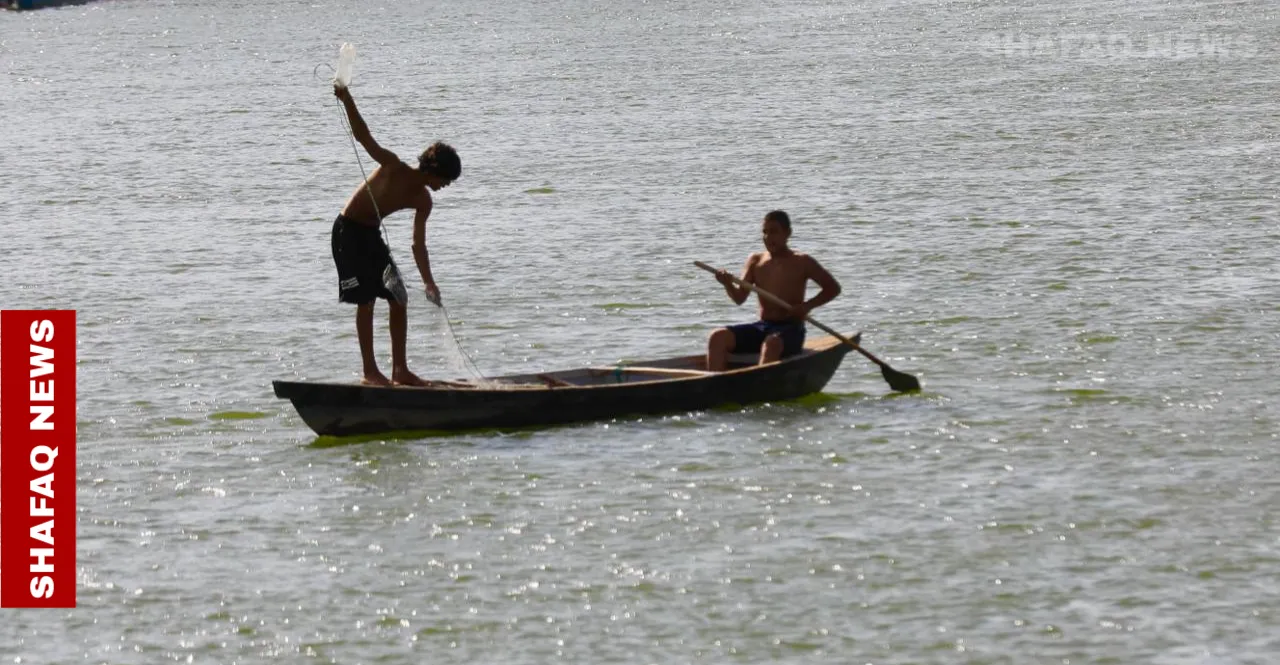
According to expert Iqbal Lateef, more than 80% of Iraq’s historical marshlands have disappeared due to deliberate drainage policies, oil exploration, and poor water resource management, eroding both the environmental and cultural identity of local communities.
Read more: Green turning grey: Inside Iraq's accelerating desertification
Despite these challenges, the Iraqi Marshlands, known as the
Ahwar of Southern Iraq, gained international recognition in 2016 when they were
inscribed on UNESCO’s World Heritage List, acknowledging their outstanding
cultural and environmental value.