Shafaq News- Al-Anbar
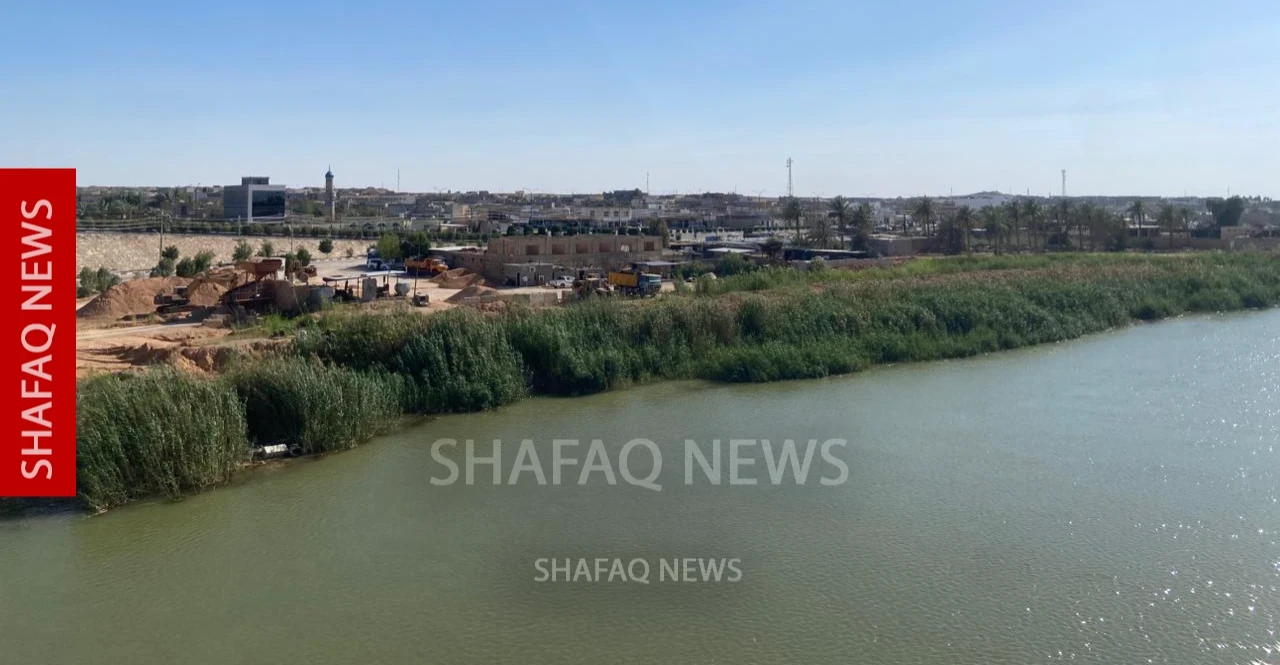
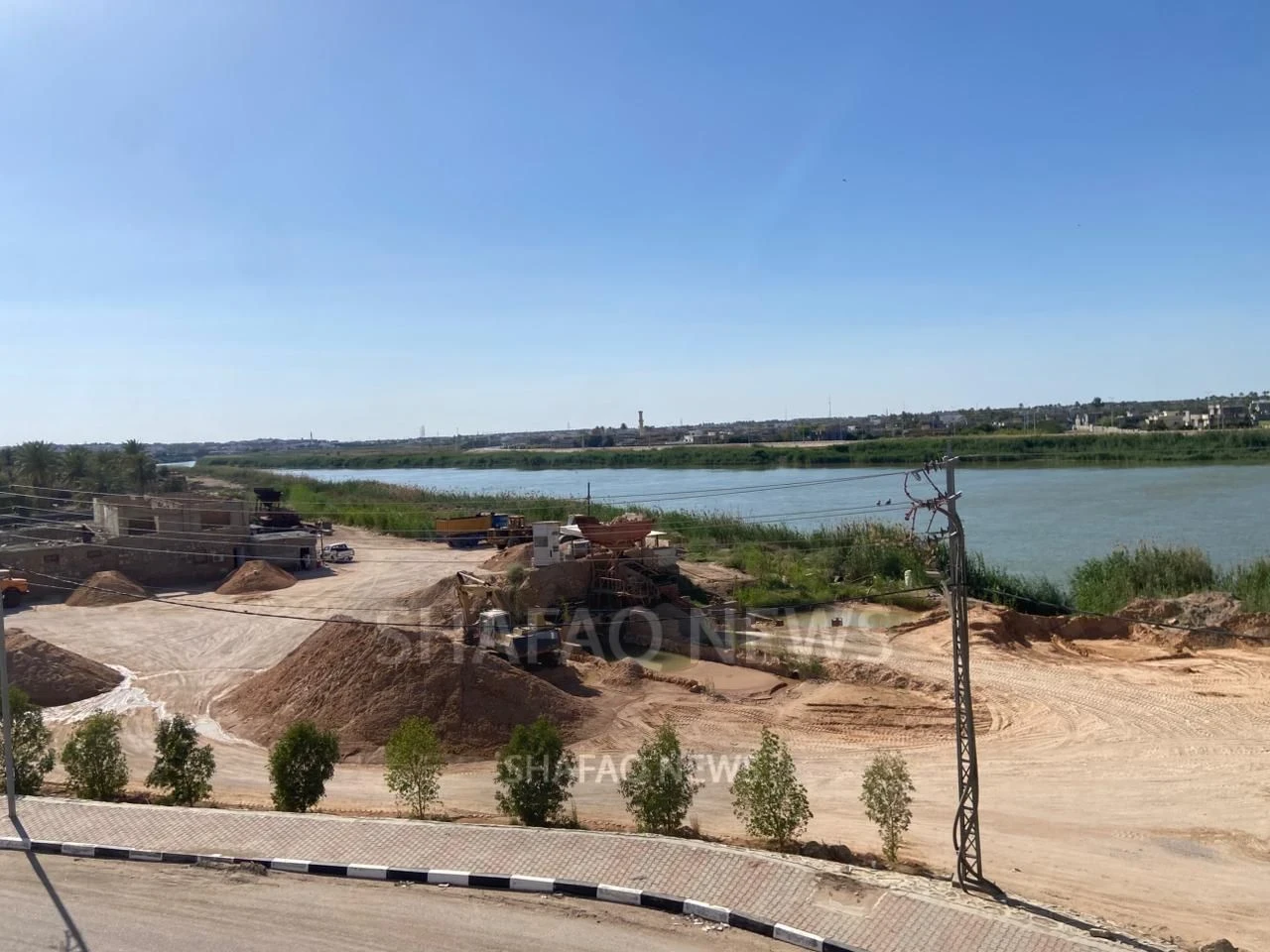
Local authorities in Iraq’s Al-Anbar province moves against unlicensed factories operating along the Euphrates River, warning that the facilities threaten water quality and surrounding ecosystems through violations on the riverbanks.
Qais Naji, director of Al-Anbar’s Environment Directorate, told Shafaq News that all such factories along the Euphrates would face legal measures, adding that local authorities in Al-Habbaniyah had formed a joint committee involving the Environment Directorate and the district administration to monitor these activities under the supervision of District Commissioner Ali Dawood.
Environmental teams, according to Naji, are conducting regular field inspections and submitting official requests to the Environment Ministry to issue closure orders against violating facilities, particularly in the Al-Khalidiya area along the Euphrates. Factories that fail to comply with closure orders will be referred to the judiciary under Iraq’s Environmental Protection and Improvement Law No. 27 of 2009.
Read more: Al-Anbar: An unfinished chapter in Iraq’s water story
Mohammed Ibrahim, an environmental expert, separately warned that untreated industrial waste discharged into the river could contaminate groundwater and water used for agriculture and drinking. Pollutants including heavy metals, oils, and chemical waste could accumulate in the Euphrates, harming biodiversity, causing fish deaths, and degrading surrounding ecosystems.
Unregulated industrial activity could increase thermal and chemical pollution in the river, negatively affecting human health through the use of contaminated water for irrigation and drinking, he added, while continued violations without effective oversight could “deepen environmental pressures” through soil erosion, lower agricultural productivity, and deteriorating water quality.
In 2025, a study by researchers from the University of Al-Anbar also found biological oxygen demand (BOD5) levels in the Euphrates near Al-Khalidiya exceeded permissible limits, associating the deterioration with sewage, industrial, and agricultural pollution sources.
Read more: Pollution gnaws at Iraq: Laws without teeth, fines without impact
The warnings come as Iraq faces one of its worst water crises in decades. A 2025 World Weather Attribution study described the year as Iraq’s driest since 1933, with water levels in the Tigris and Euphrates rivers dropping by up to 27%, while nearby Al-Habbaniyah Lake has suffered sharp declines due to drought, reduced Euphrates inflows, and rising evaporation rates, according to NASA Earth Observatory.
Read more: Iraq’s water crisis deepens: Reserves collapse, mismanagement continues