Shafaq News - Babil
Iraq’s southern provinces are facing one of the country’s most severe droughts in decades, leaving herders and farmers struggling to sustain their livelihoods.
Mohammed Abbas, a local shepherd, described to Shafaq News how his struggle began five years ago, after the nearby stream he relied on to water his camels ran dry. Now, he travels with his herd at sunset, searching for water wherever it can be found.
“All the neighboring villages have dried up as well,” he
added. “I have been forced to move from place to place with my herd, trying to
find a water source to keep them alive.”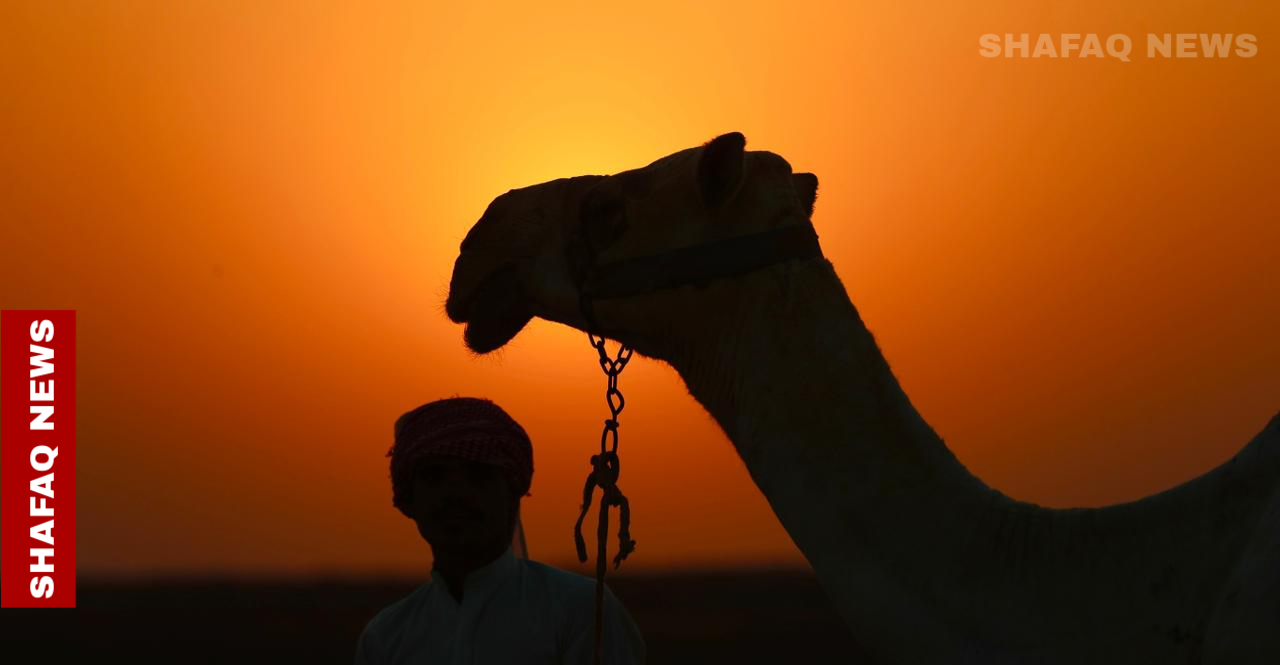
Residents warned that the drought has devastated livestock and crops, causing large numbers of animals to die and harvests to shrink. They also urged the government to implement urgent solutions.
Iraq is confronting a severe water crisis. Rivers are shrinking, reservoirs are falling, and the southern marshlands, once central to the country’s ecosystem, no longer receive sufficient flows. Officials caution that the country could lose up to 20% of its water resources by 2035 due to climate change, upstream dams, and aging infrastructure.
Read more: Iraq’s water crisis deepens: Reserves collapse, mismanagement continues
Reduced flows from Turkiye, which controls the Tigris and Euphrates, have intensified the shortage. Ankara recently increased water releases in partial response to Baghdad’s requests, yet Iraqi authorities continue to press for a fixed and fair share.