Shafaq News- Baghdad
Iraq, home to ancient Mesopotamia and some of the world's earliest civilizations, could turn its vast archaeological heritage into a major economic and tourism resource, but inadequate infrastructure, years of instability, and limited services continue to hinder its potential, tourism and archaeology specialists told Shafaq News, calling for a national strategy and stronger coordination among relevant authorities.
Ali Yassin, spokesperson for the Tourism and Antiquities Department at the Ministry of Culture, described Iraq's tourism assets as ranging from ancient archaeological sites and historic cities to traditional markets, handicrafts, music and cuisine.
Among its most prominent sites is Babylon, a UNESCO World Heritage Site with remains dating back more than 4,000 years. Yassin highlighted the Ishtar Gate and the city's association with the Hanging Gardens, one of the Seven Wonders of the Ancient World.
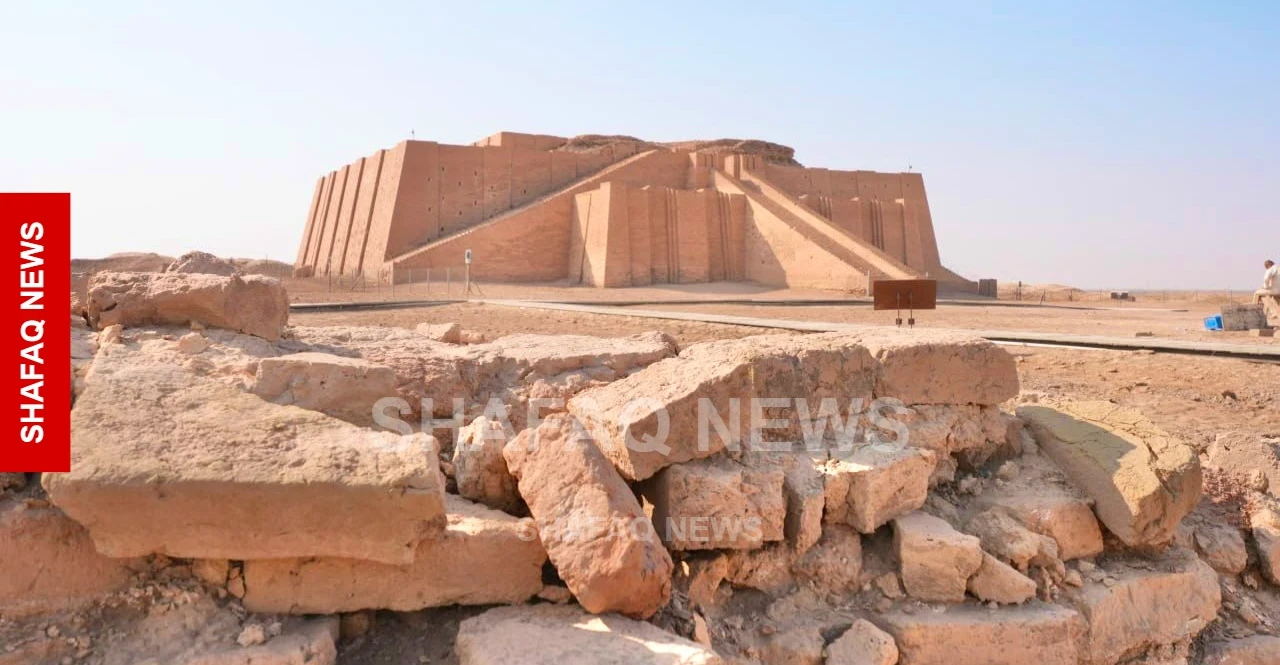
Ur, one of history's oldest Sumerian cities and traditionally associated with the Prophet Abraham, is home to its renowned ziggurat. About 30 kilometers west of Baghdad, Aqar Quf was a religious and political center of the Kassite dynasty, which ruled Babylon between the 16th and 11th centuries BC. Its surviving ziggurat stands about 57 meters high.
Read more: Discover Iraq: Baghdad, a city shaped by conflict and enduring hope
Farther north, Nineveh and Nimrud preserve palaces, temples and monumental reliefs from the Assyrian civilization, while Hatra, another UNESCO World Heritage Site, is one of Iraq's most prominent ancient, fortified cities.
That history is also concentrated in the Iraq Museum in Baghdad, which Yassin described as a journey through roughly 7,000 years of Iraqi civilization. The museum, the country's official institution for preserving and organizing its archaeological heritage, holds an estimated 170,000 to 200,000 artifacts representing the Sumerian, Akkadian, Babylonian, Assyrian, Hatra and Islamic periods, distributed across 28 exhibition halls and stairway display areas.
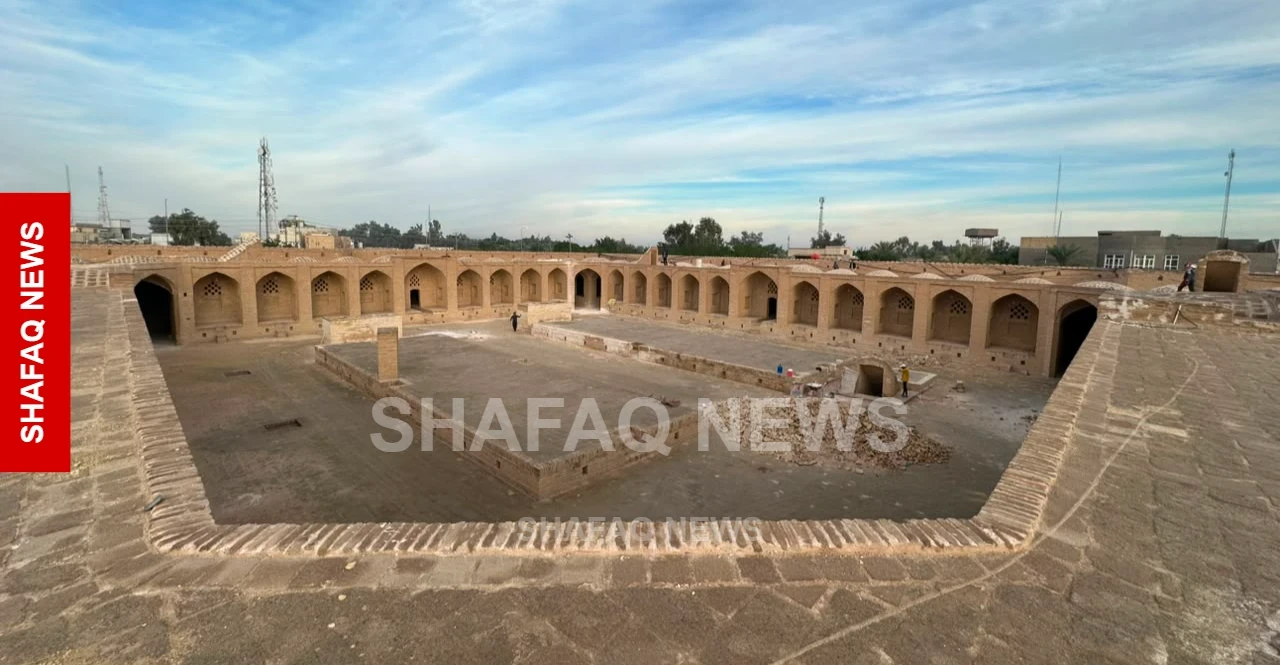
Iraq's appeal, however, extends beyond archaeological remains. Old Baghdad, including Al-Mutanabbi Street, Al-Shorja market and Khan Murjan, combines history with a living cultural experience. Other cities, including Kufa, Wasit and old Basra, carry significant historical, Islamic, literary and philosophical legacies.
Yassin also pointed to Iraq's intangible heritage, from popular poetry and Iraqi maqam music to copperwork, carpets and Islamic ornamentation, alongside traditional cuisine shaped by generations of local customs and stories.
These assets, he explained, form part of a proposed national strategy to “develop tourism by capitalizing on Iraq's cultural and civilizational diversity and strengthening its profile as a historical and cultural destination.”
Archaeological researcher Qais Rashid described archaeological tourism as a vital part of the wider tourism sector, saying it could contribute to national revenues, development and investment alongside religious, natural and medical tourism.
He argued that Iraq possesses an exceptional civilizational legacy rarely matched elsewhere. Mesopotamia witnessed some of humanity's earliest civilizations and major developments in writing, law, agriculture, irrigation, temple construction, fortified cities, and the wheel, as well as early contributions to social organization and human rights.
Successive periods of instability, together with recurring political and financial crises, however, disrupted many efforts to build an archaeological tourism sector commensurate with Iraq's history, Rashid noted.
“Reviving the sector requires a secure environment, modern infrastructure and specialized personnel to manage archaeological tourism facilities,” he said, pointing to the need for green spaces, restaurants, hotels and recreational facilities, alongside better roads, airports and museums and easier procedures for obtaining tourist visas.
Read more: 150,000 archaeological sites, 556 tourists: Iraq's oil economy explains the gap
Because those requirements involve numerous state institutions, the researcher stressed that developing archaeological tourism cannot be the responsibility of a single ministry and “requires joint national efforts by ministries and other relevant bodies.” He proposed establishing a Higher Council for Tourism and Antiquities that would bring together all concerned authorities and report directly to the Prime Minister's Office, arguing that such a body could help stimulate tourism in general and archaeological tourism in particular.
The sector has already recorded substantial growth. Iraq's tourism income rose 25% to $5.7 billion in 2024 from $4.6 billion in 2023, while the Interior Ministry reported a sharp increase in Arab and foreign tourist arrivals during 2025 and early 2026, with Baghdad receiving the largest number of visitors. The Arab Tourism Organization also selected Baghdad as the Arab Capital of Tourism for 2025.
Religious travel, however, remains a major driver of visitor numbers. More than 22 million pilgrims took part in the 2026 Arbaeen pilgrimage, including around five million foreign visitors from 172 countries, according to official figures.
“Antiquities are a common bond among Iraqis and one of the strongest symbols of a shared national identity,” Rashid concluded. “Investing in this heritage goes beyond economics and tourism. It can strengthen citizenship and help raise generations that believe in a strong, united Iraq at peace with its history, its identity and others.”