Shafaq News- Latakia
Tourism activity in Syria’s Latakia province has picked up, with more visitors returning to its beaches, resorts, and mountain destinations, Fadi Nizam, the province’s tourism director, told Shafaq News.
“The recovery is noticeable but incomplete,” Nizam said, noting that several new facilities have opened while others are being renovated. However, activity remains largely seasonal, with most visitors arriving during the summer months.
The sector continues to face infrastructure shortcomings, including poor road conditions, unreliable electricity and water supplies, and inadequate sanitation services. Many tourism facilities also require renovation and modernization, while owners face difficulties securing financing and covering rising operating costs.
To address these challenges, the Tourism Directorate is providing training for tourism workers, streamlining licensing procedures, monitoring service standards, and coordinating with municipal authorities to improve conditions at tourist sites, Nizam said. The Directorate is also organizing tourism events and exhibitions and conducting promotional campaigns to attract visitors from across Syria and abroad.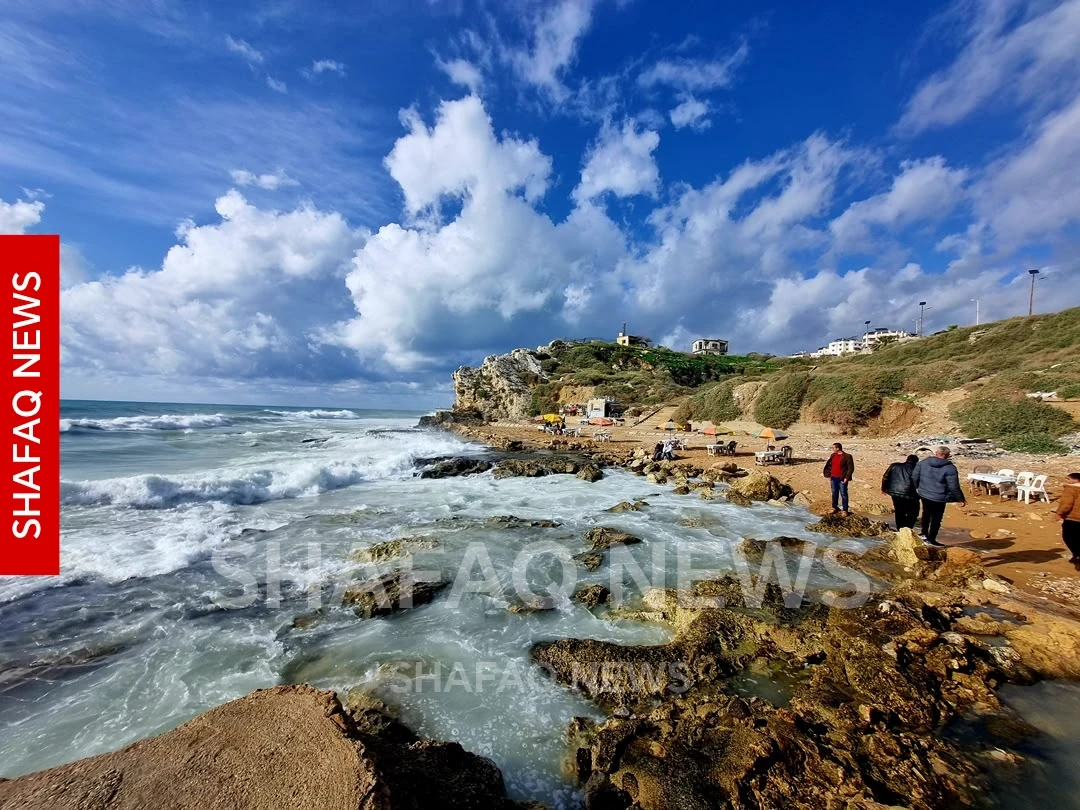
Coast to Peaks
Latakia’s tourism sector encompasses its coastline, mountain resorts, forests, and archaeological sites. Coastal destinations include beaches, resorts, restaurants, and the port, while mountain areas such as Salma, Kassab, al-Haffeh, Slunfeh, and Mashqita attract visitors during the warmer months. The province also features the Frounloq forests, the Shouh and Cedars Nature Reserve, springs, lakes, and other natural attractions.
Among its archaeological landmarks are Ras Shamra, the ancient city of Ugarit, associated with the origins of alphabetic writing; Salah al-Din Castle, a UNESCO World Heritage Site; the Roman theater in Jableh; the Arch of Triumph; the National Museum; and Latakia’s old city.
The province’s heritage also includes mosques, churches, and historic buildings, while local cuisine and traditional sweets contribute to its food tourism sector.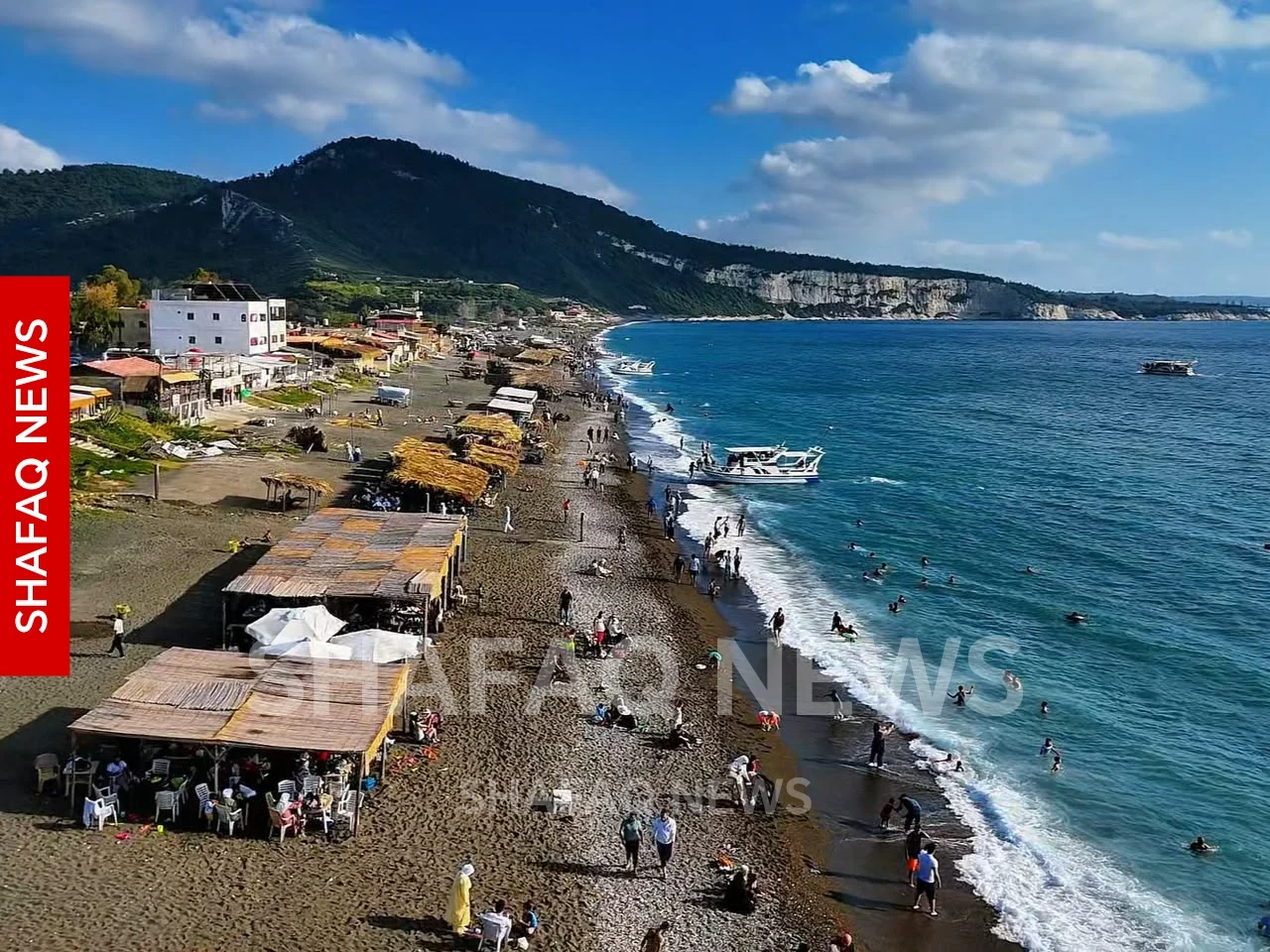
Capitalizing on Potential
According to Nizam, the Tourism Directorate is compiling an inventory of tourism investment opportunities, including sites and facilities available for development. It is also working with the Tourism Ministry and investment authorities to simplify licensing procedures and reduce the time required for projects to begin operations.
Proposed projects include restoring old houses in Latakia’s historic district and converting them into guesthouses, developing mountain lodges and campsites, and establishing hiking routes. Medical tourism and marine activities, including tourist marinas and sea excursions, are also under consideration.
Other plans cover restaurants, entertainment facilities, and services such as tourist transportation, guiding, and tour operations. Undeveloped sites are being assessed for their investment potential, while existing destinations are undergoing maintenance and service improvements.
The province is also coordinating with tourism companies and organizations in neighboring countries to attract visitors. Nizam pointed to efforts by the Tourism Ministry and the Federation of Tourism Chambers to promote Syria’s tourism sector through participation in Arab and international exhibitions and tourism forums.