Shafaq News
As the year draws to a close, the streets and markets of
Mosul, Nineveh’s capital, are once again illuminated by festive lights,
Christmas trees, and Santa Claus figures, scenes that reflect the city’s
cautious return to everyday life after years of violence and upheaval.
Before 2014, Mosul was home to a long rooted Christian
community whose presence shaped the city’s social and cultural fabric. That
changed abruptly when ISIS seized control of the city, forcing Christians to
choose between conversion, paying a heavy tax, or death. Homes were marked with
the Arabic letter “N” to identify Christian properties for confiscation, while
public expressions of faith and culture were banned under a regime that imposed
fear and strict social controls.
Thousands of families fled, many seeking refuge in the
Kurdistan Region, leaving behind churches, schools, manuscripts, and ancestral
homes that had defined generations of life in the city.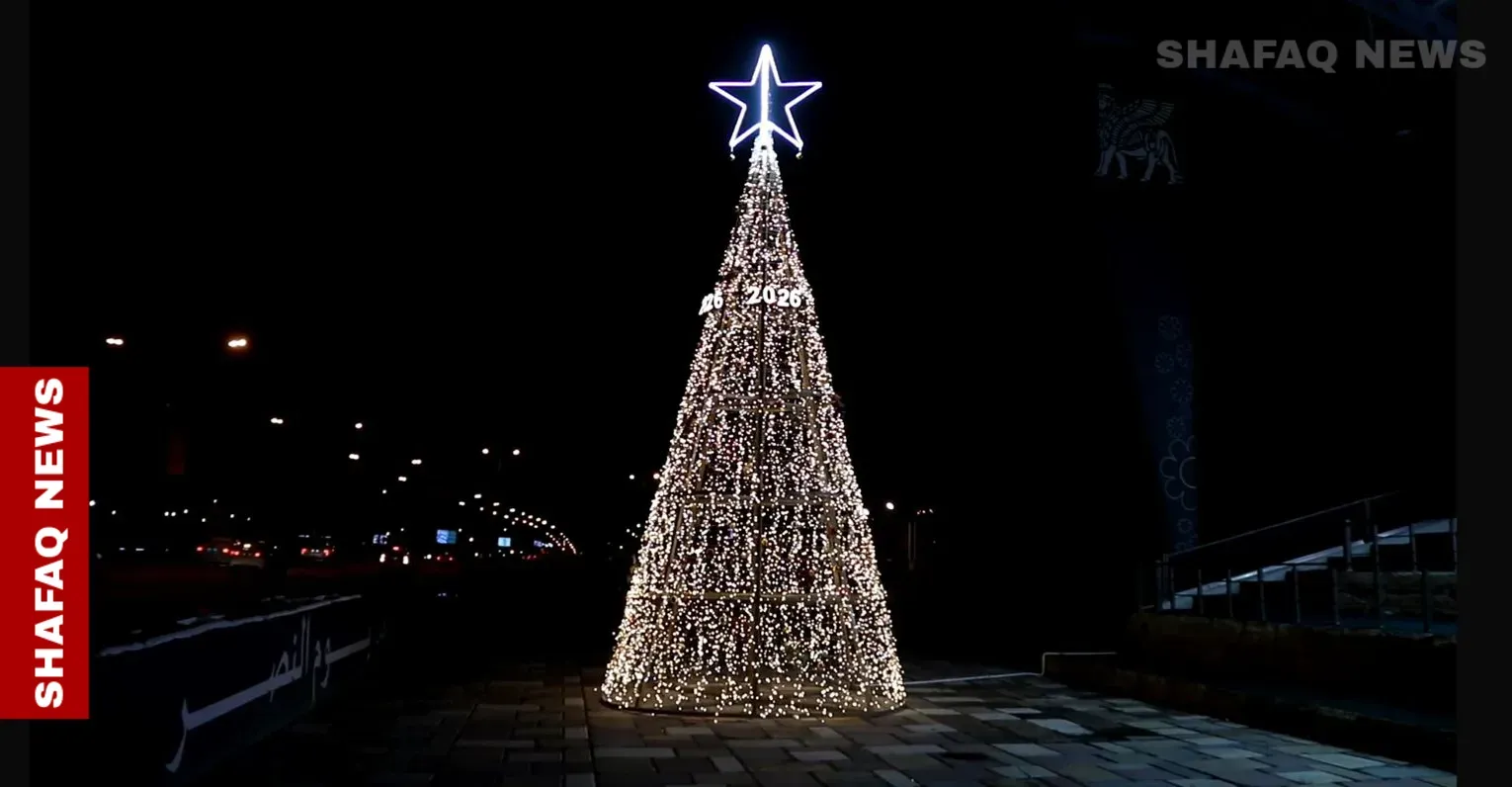
Mosul’s path to recovery has been slow and painful. In
October 2016, Iraqi forces, backed by the Global Coalition, launched a major
military operation to retake the city. Months of intense fighting left vast
neighborhoods in ruins and caused heavy civilian losses before authorities
declared Mosul fully liberated on July 10, 2017.
For residents who remained or later returned, the city’s
gradual revival is now visible in small but meaningful ways. Ahmed Mahmoud, a
shop owner on Mosul’s left bank, told Shafaq News that the festive decorations
carry a deeper significance than celebration alone. “The lights bring back
Mosul’s old spirit,” he said. “Years ago, we wouldn’t have dared display
anything that could be misinterpreted. Today, there is a sense of security and
a reason to celebrate after a long period of hardship.”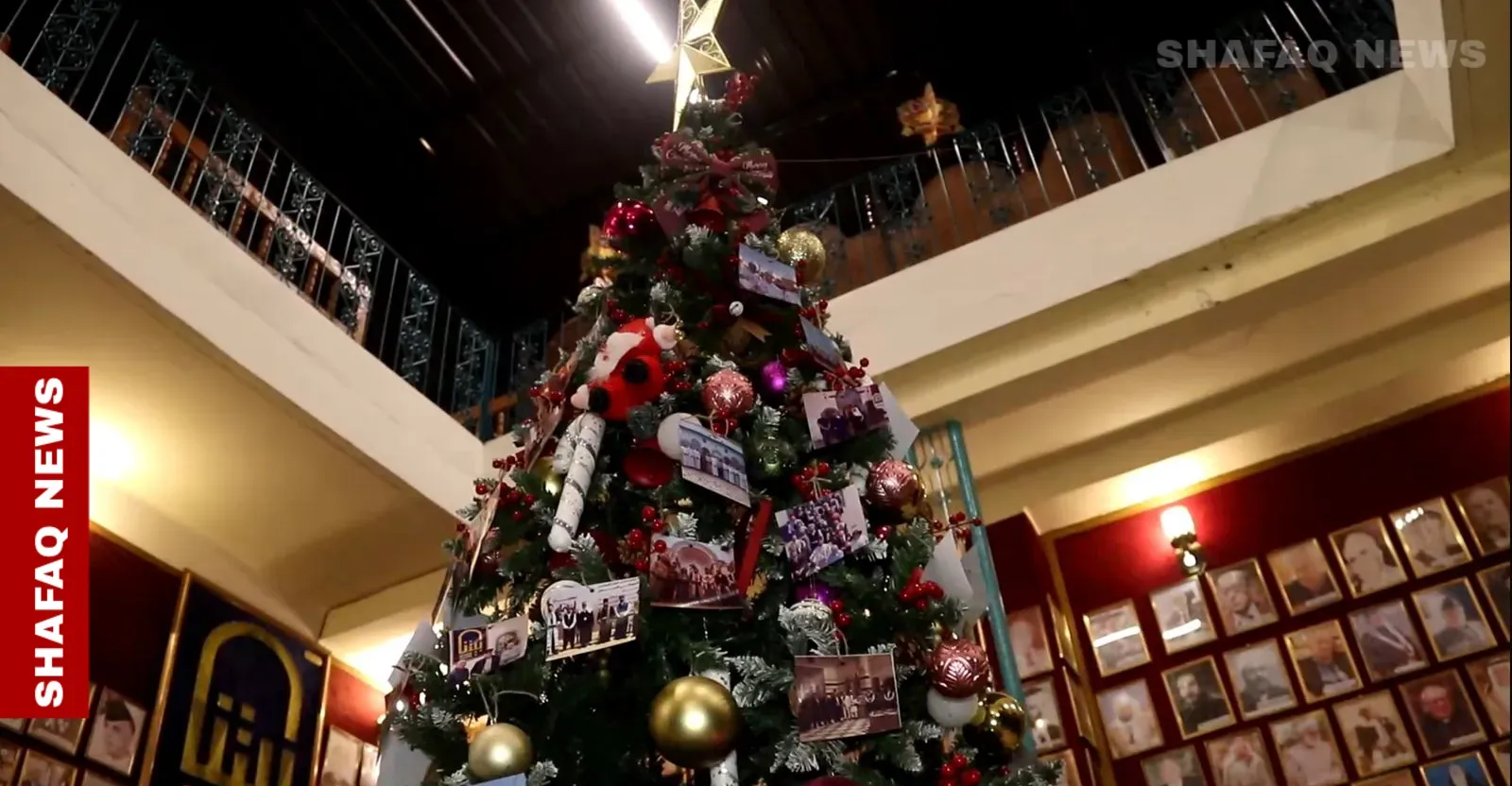
Sara Younan, a Mosul native who relocated to the nearby town of Qaraqosh, echoed that sentiment. Speaking to our agency, she said that the city feels more open and tolerant than it did in previous years, noting, “Seeing Santa Claus and Christmas trees in the streets reflects a social and psychological shift after a long period of isolation."
Read more: Christians of Iraq: Where did they go?
Written and edited by Shafaq News staff.