Shafaq News- Kobani
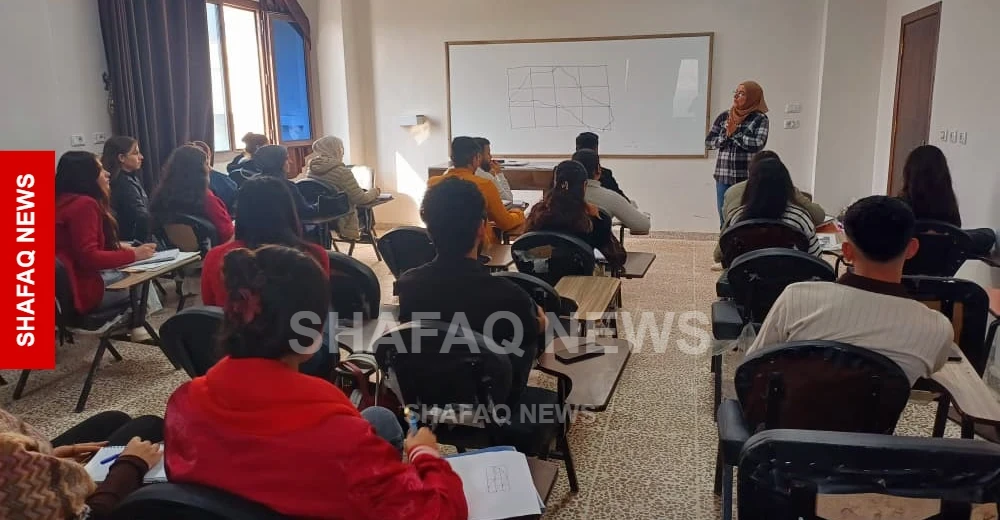
Syria’s decision to merge Kobani University into the University of Aleppo has left several academic programs unavailable to new students, disrupting enrollment plans despite the prospect of officially recognized degrees, students and university officials told Shafaq News.
Approved by Syria’s Higher Education Council on October 18, the merger places Kobani University’s faculties under the University of Aleppo but allows new admissions for the 2026–2027 academic year only in education, arts and humanities, and sciences, while admissions to other programs have been suspended pending an academic review. University administrator and former co-president Sharvan Muslim identified emergency medicine, laboratory sciences, nursing, anesthesia, law, agricultural engineering, media studies, electrical and computer technology, and accounting among the excluded programs.
Noujan Al-Saghir, an 18-year-old high school graduate, said she planned to study at Kobani University’s Higher Institute of Media but had to choose another subject because the program was excluded from government admissions and her family could not afford to send her elsewhere.
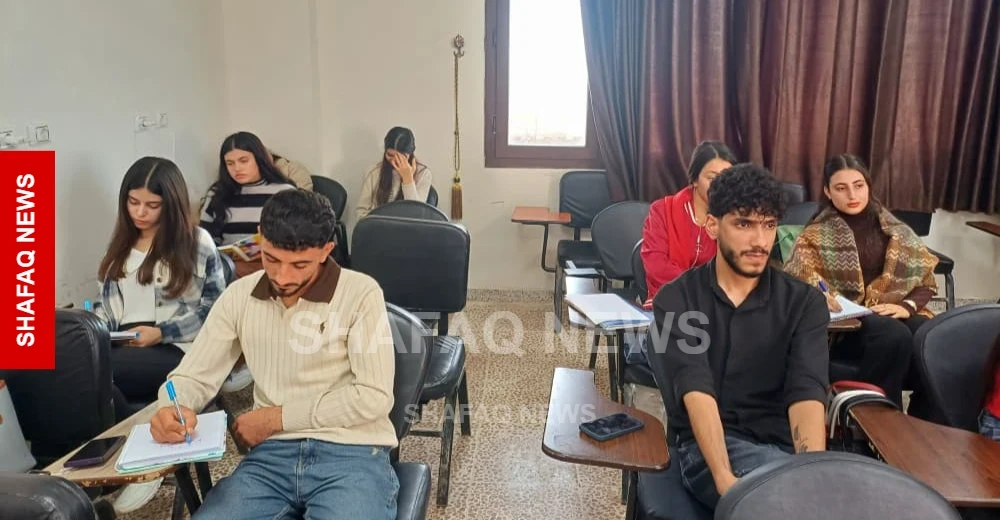
“I applied through two admissions processes, one government-run and the other specific to Kobani University,” Al-Saghir said, explaining that the university’s separate process was canceled despite an agreement to retain existing departments. Calling for greater administrative independence to preserve local study options, she noted that several classmates faced similar difficulties.
Third-year student Zainab Mohammed welcomed the merger, saying that government recognition of degrees would improve graduates’ employment prospects. Students at universities operated by the now-dissolved Autonomous Administration of North and East Syria (AANES) had long faced uncertainty over whether their qualifications would be officially recognized, Mohammed clarified, while acknowledging that the new restrictions had disrupted plans for recent high school graduates, including those with strong academic results.
Kobani University has begun forming joint committees with the University of Aleppo to oversee the transition, Muslim confirmed. Their work covers student records, degree certification, preparations for the next academic year, and teaching staff arrangements.
A delegation from the University of Aleppo is expected to visit Kobani next Monday to advance the process, he said.
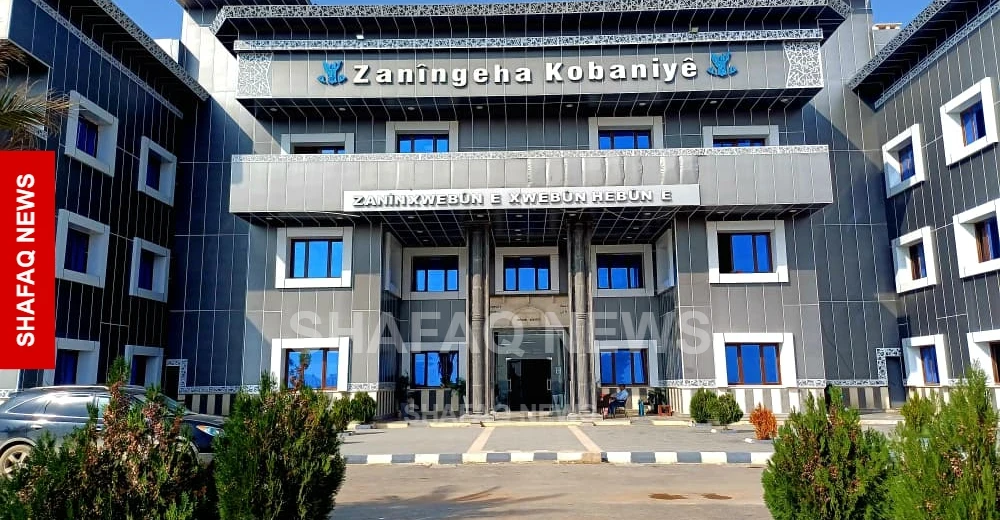
Under the new structure, Kobani University will operate as a group of faculties with its own council and an administration affiliated with the University of Aleppo, while second-, third-, and fourth-year students will continue studying under their existing curricula until graduation.
Muslim also disclosed that a technical problem prevented the records of approximately 50 Kobani high school graduates from reaching the Higher Education Ministry, excluding them from the government admissions system. Their applications, he said, will instead be registered with the Education Ministry and forwarded to higher education authorities before admissions results are released, allowing them to compete for remaining places in a subsequent round.
Established on September 30, 2017, under the AANES, Kobani University opened that December with programs in basic sciences and Kurdish language and literature before expanding into other disciplines and specialized institutes, attracting hundreds of students despite shortages of teaching staff, facilities, and educational resources. Before the merger, its degrees lacked official recognition from the Syrian government.
Read more: Syria expands Kurdish education ahead of new school year