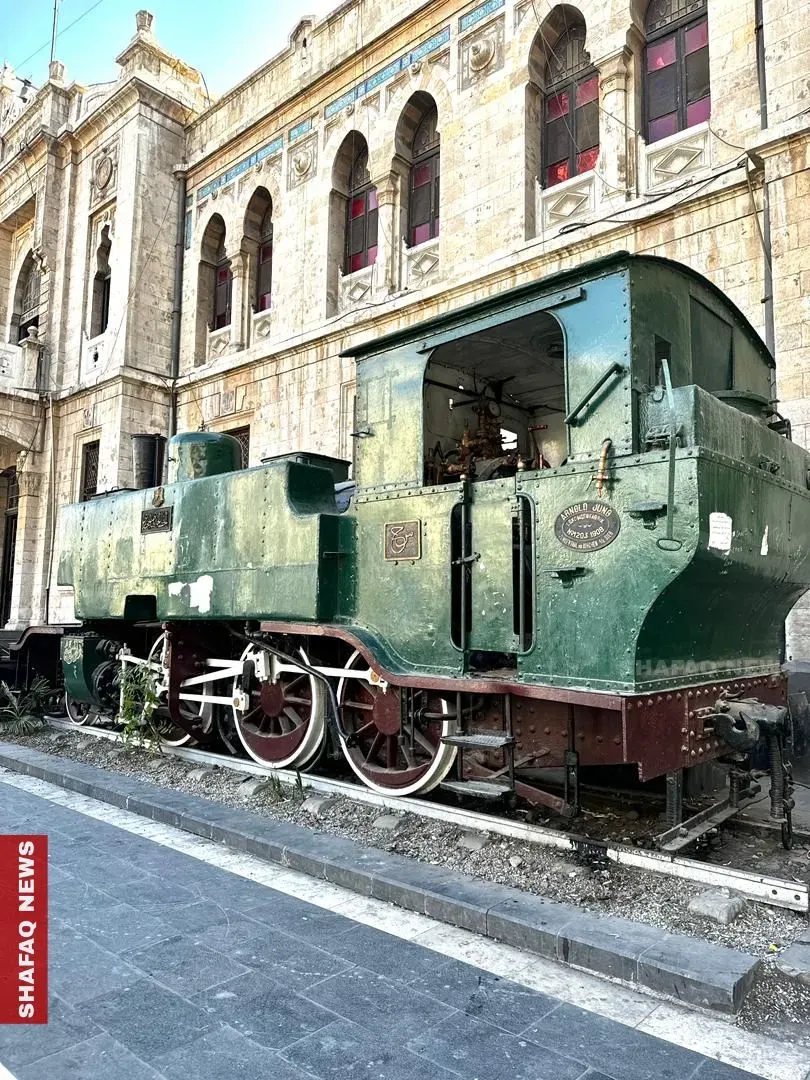
Shafaq News – Damascus
For more than a century, the Hejaz
Railway Station has stood at the entrance of Al-Nasr Street as one of
Damascus’s defining landmarks, a building that once linked the Levant to the
Arabian Peninsula and served as a gateway for pilgrims and traders alike.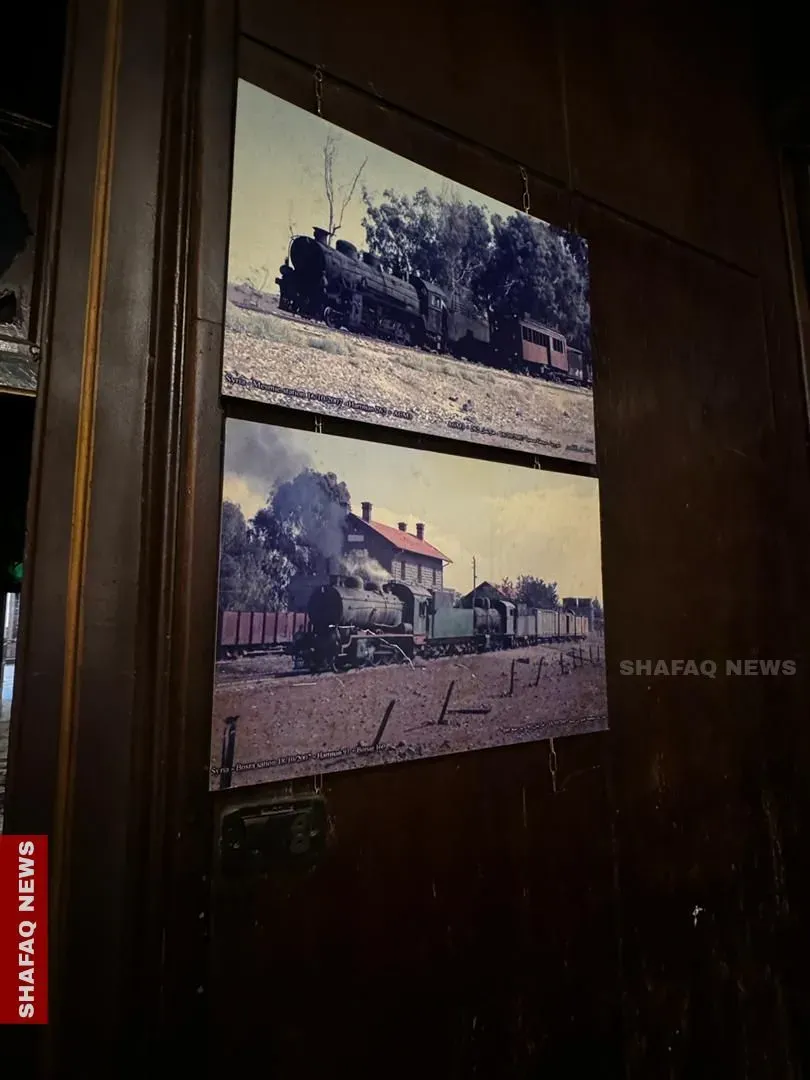
Today, the historic terminal is
again drawing official attention. Basil Mohamed, an employee at the station,
told Shafaq News that authorities are preparing plans—based on international
standards—to convert the entire complex into a museum in cooperation with
Turkish companies specialized in restoring heritage structures. Previous
attempts to revive a Damascus–Daraa heritage line, known as the “Hejaz Tourist
Train,” were halted due to political and security conditions.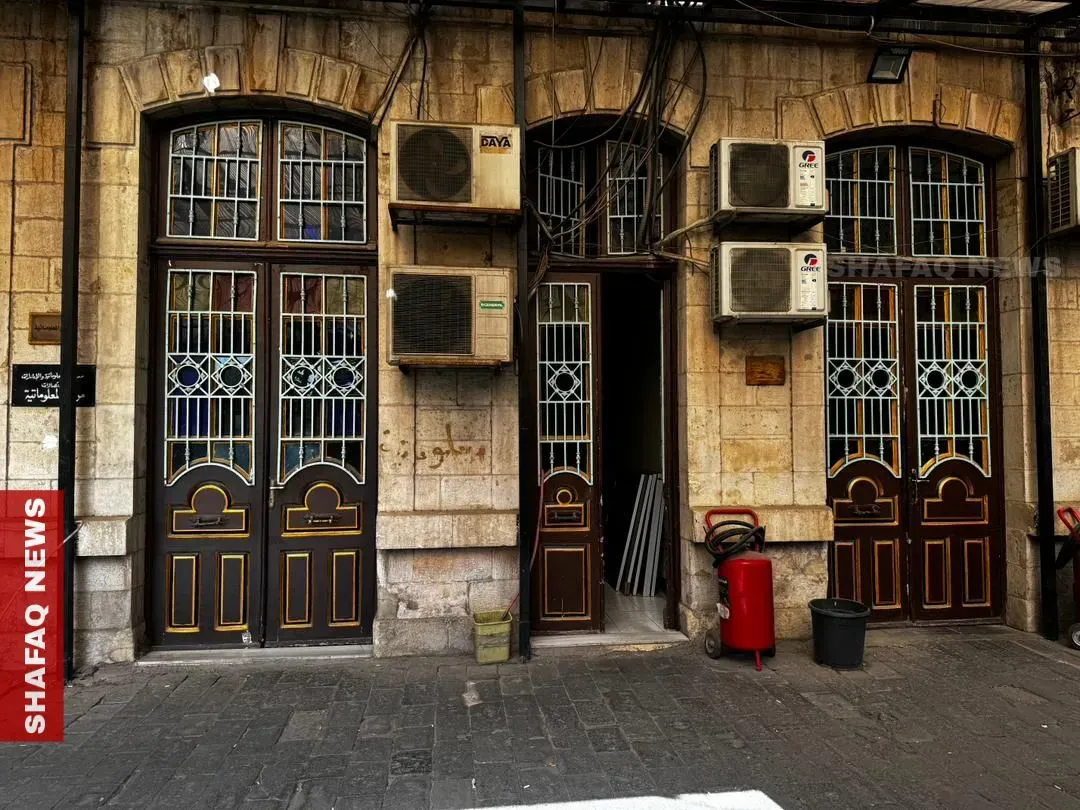
Built in the early 20th century, the
station reflects an architectural style that combines European classical
features with Ottoman and Damascene traditions. Designed by Spanish architect
Fernando de Aranda, its façade displays Damascus’s signature Ablaq
masonry—alternating black-and-white stonework—and arched windows inspired by
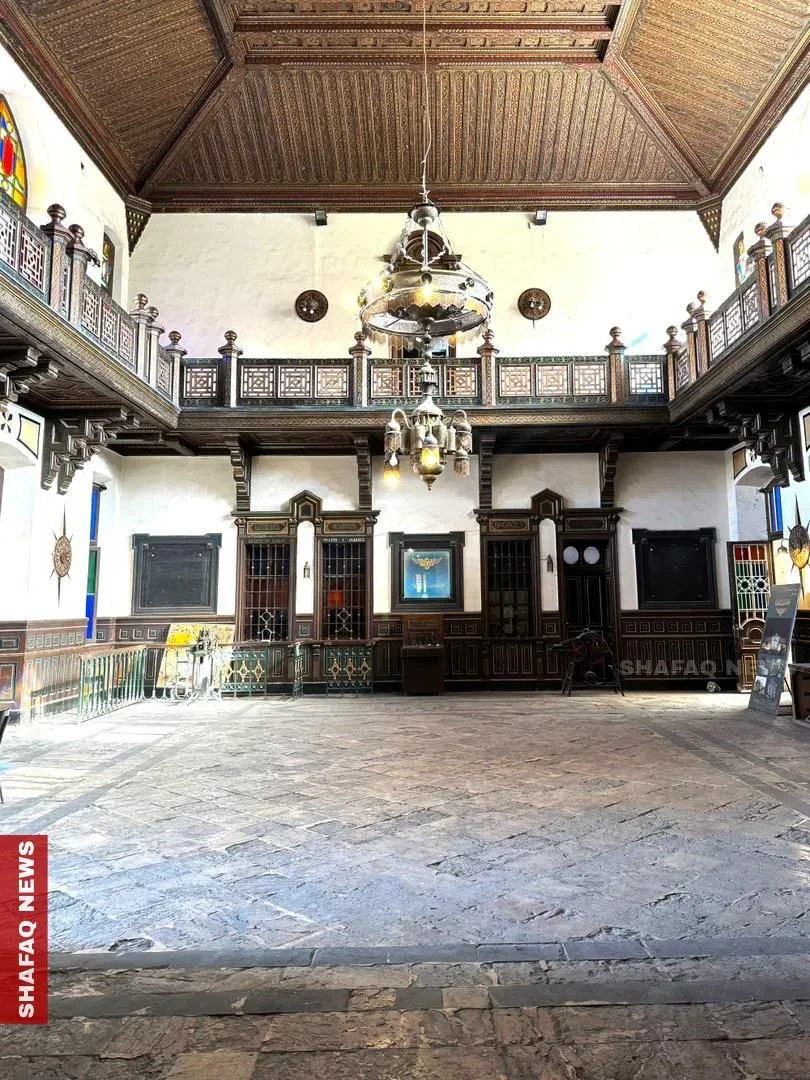
Mamluk palaces. Inside, stained glass, carved marble columns, and finely
crafted wooden ceilings create the soft, filtered light that once greeted
travelers heading south.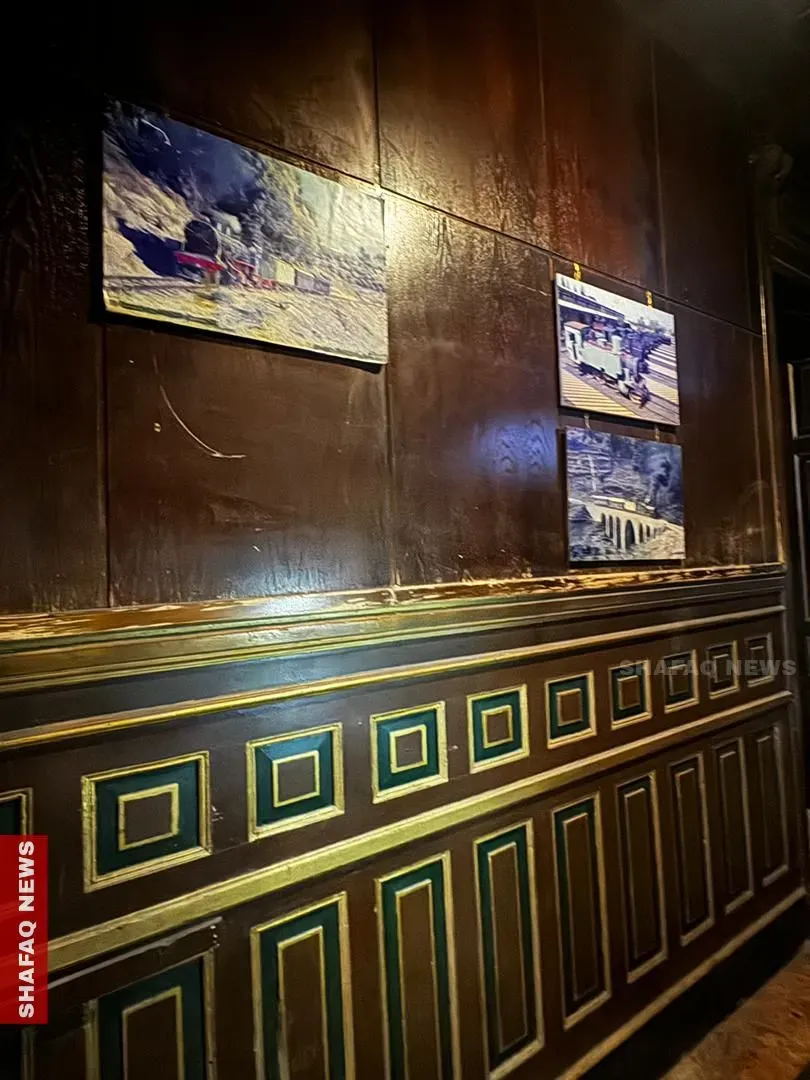
Although rail operations ended decades ago, the structure has remained stable. Portions of the interior are now used for administrative and cultural activities within a limited adaptive-reuse framework.
The wider Hejaz Railway was funded through Islamic subscription campaigns, public donations, stamp revenues, and proceeds from sacrificial-animal hides, with a total cost of around four million Ottoman gold lira. When it was active, the line shortened the Damascus–Medina journey from nearly 40 days to roughly 72 hours and linked Damascus to Daraa, Haifa, and the Hijaz across more than 1,300 kilometers of narrow-gauge track.
Its operations declined after widespread sabotage during World War I and the Arab Revolt, eventually leaving the Damascus station as the railway’s most prominent surviving landmark.
More than a century later, the
building remains a vivid reminder of the region’s early modern ambitions—its
stonework, arches, and quiet halls preserving the last intact chapter of a
project that once reshaped movement across the Middle East.