Shafaq News- Baghdad
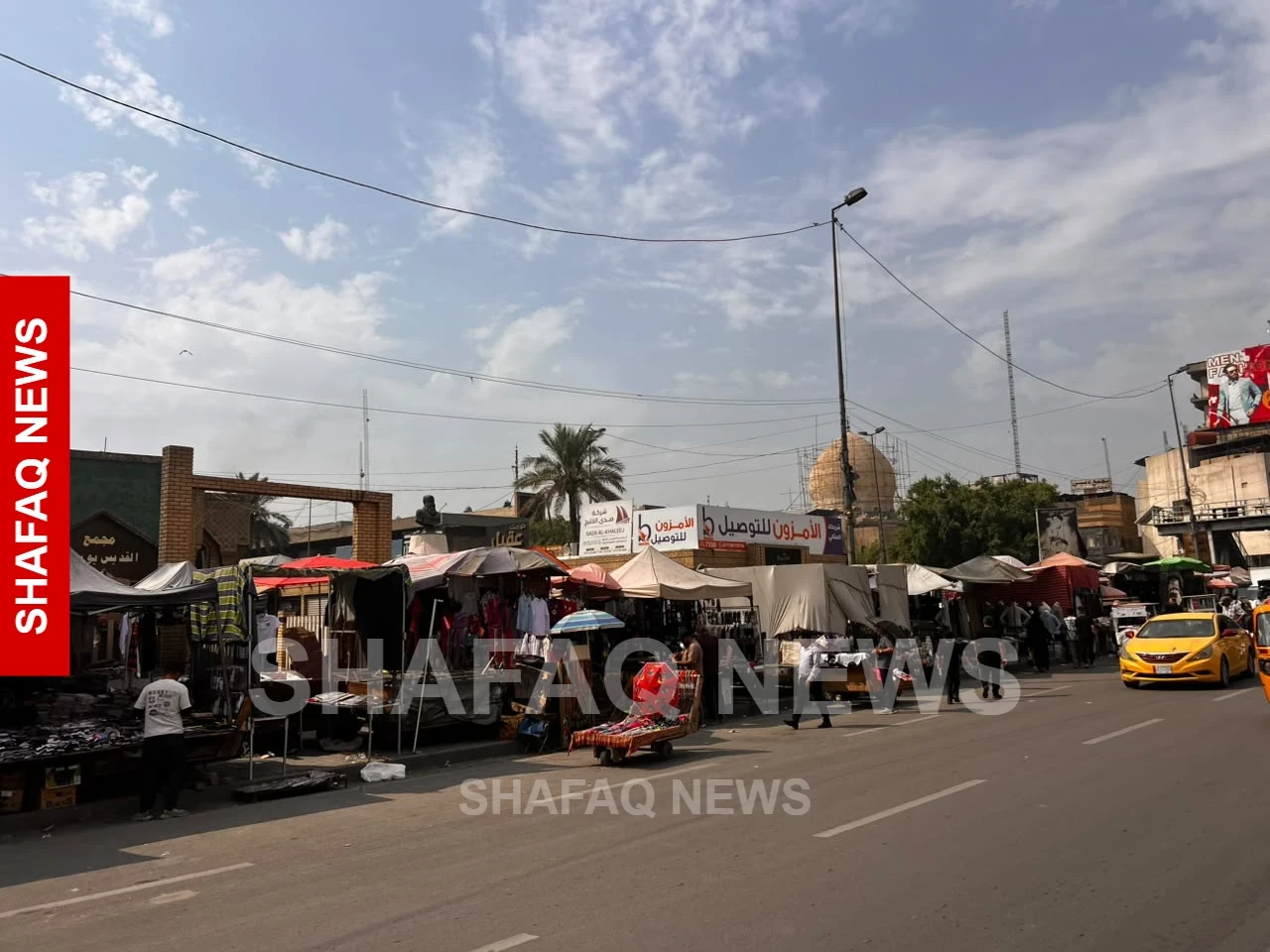
Trading activity in Baghdad’s main markets remained at a near standstill on Thursday, more than a week after Iraq raised the official US dollar exchange rate against the dinar.
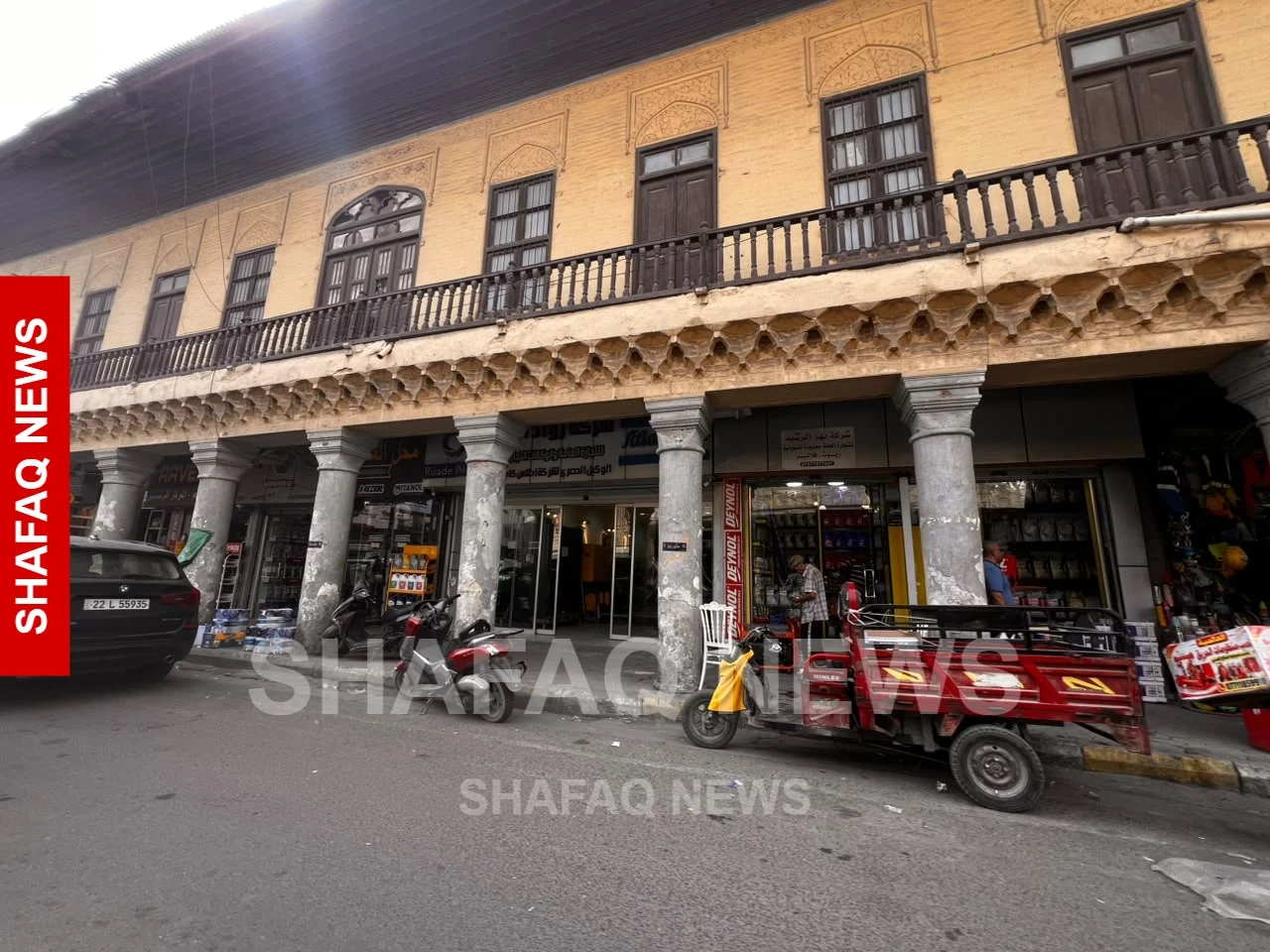
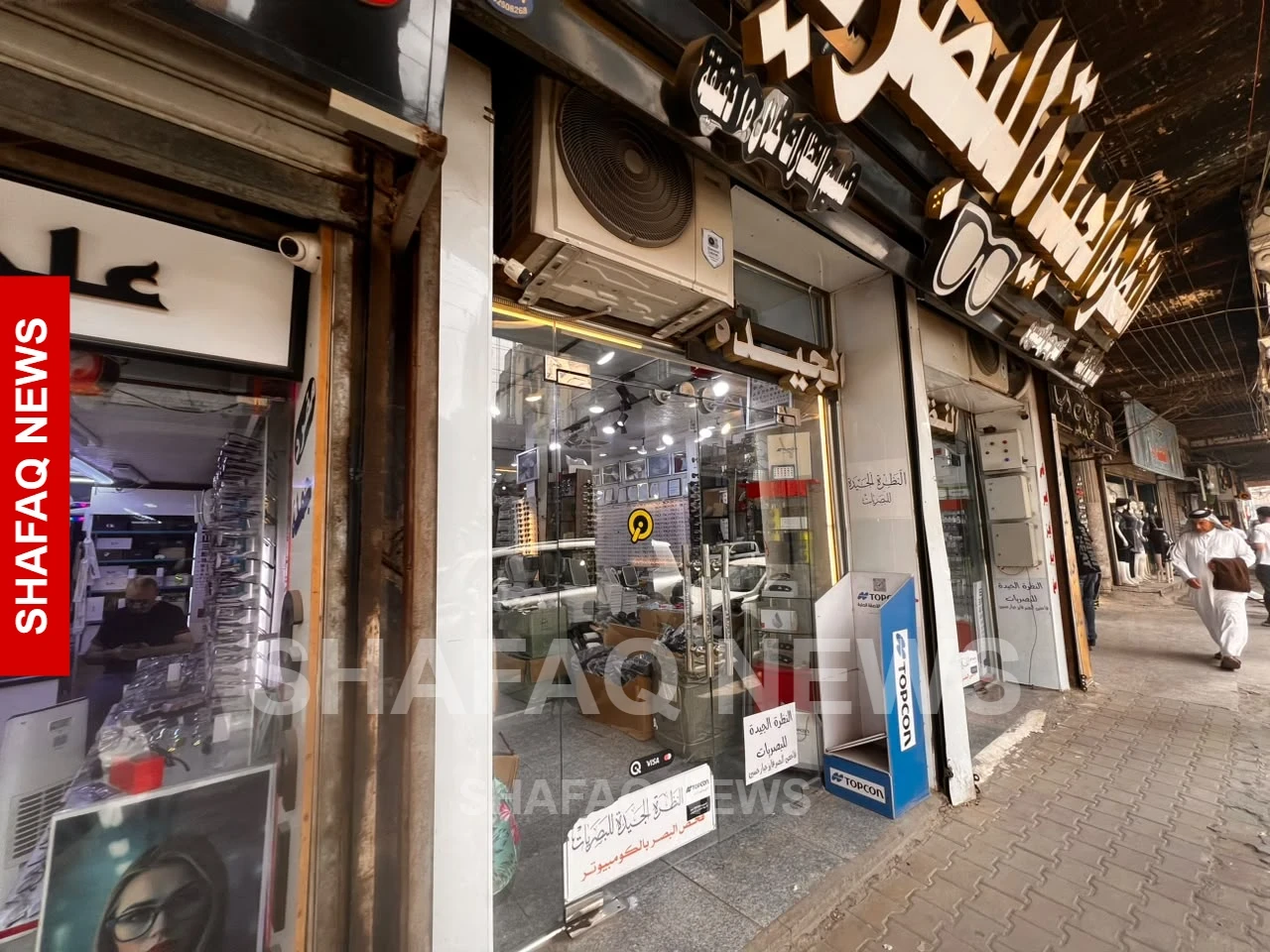
A Shafaq News correspondent reported that Al-Shorja market and Al-Rasheed Street, two of the main trade hotspots in the capital, were nearly empty of shoppers, while a group of citizens staged a protest against the new exchange rate.
On October 6, Iraq’s Cabinet approved new exchange rates, setting the dollar at 1,500 dinars for purchases from the Finance Ministry, 1,510 for sales to banks, and 1,520 for end users, up from the previous rate of 1,320 dinars per dollar.
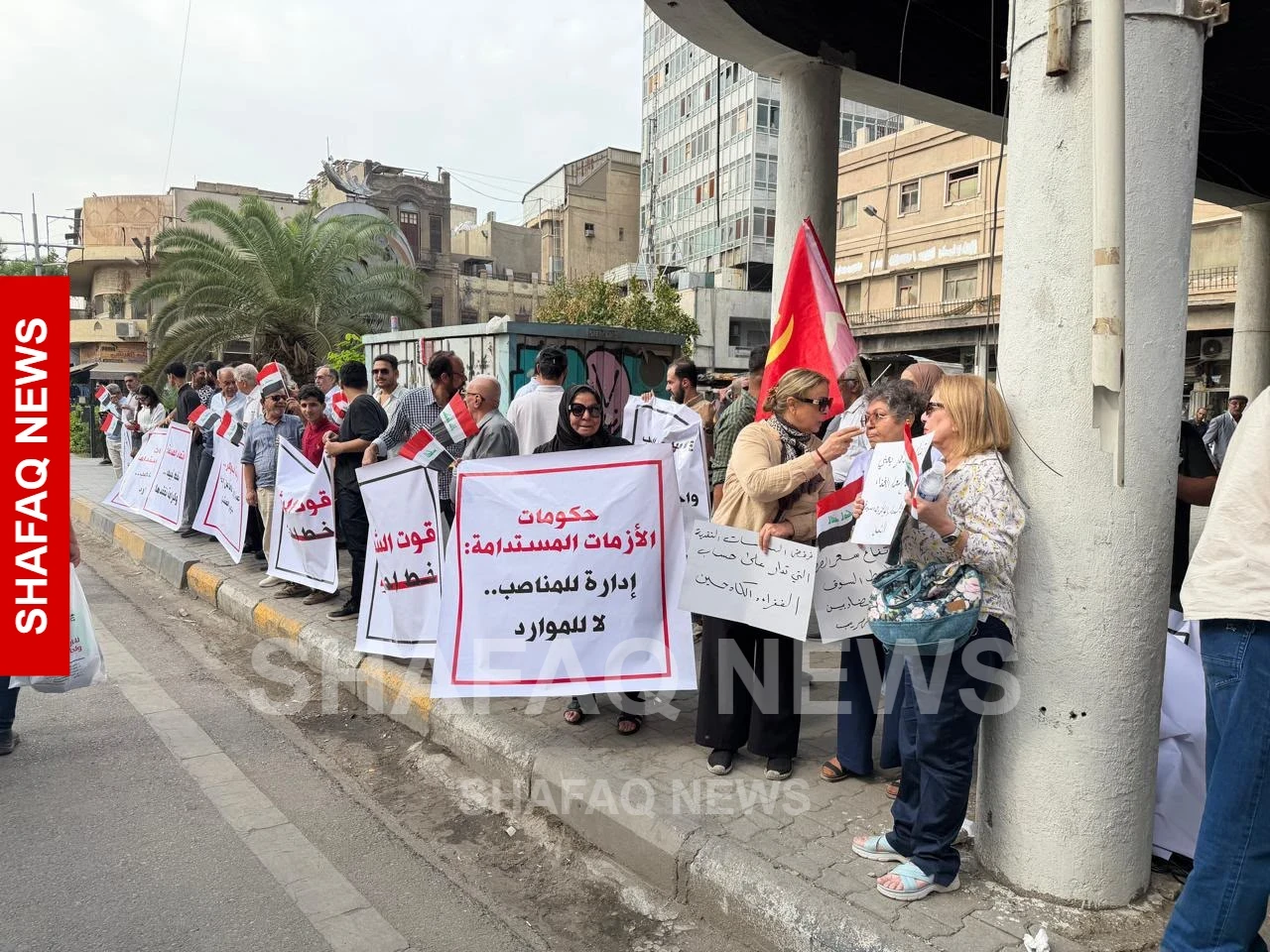
The Central Bank of Iraq (CBI) implemented the new rates on October 7, prompting traders in Baghdad’s Al-Shorja and Jameela wholesale markets, along with several currency exchange and money-transfer companies, to close their businesses in protest.
Read more: Iraqi dinar devaluation sparks backlash from blocs inside the cabinet
The sudden change disrupted trading as merchants struggled to set prices and reprice goods under the new exchange rate.
Prime Minister Ali al-Zaidi defended the decision during a meeting with parliament’s leadership, saying the government had faced three alternatives: compulsory savings, paying public-sector salaries every 45 days, or taking on additional debt.
Al-Zaidi said Iraq’s economy had come under severe pressure following the suspension of oil exports and the closure of the Strait of Hormuz. He added that public debt had exceeded 208 trillion dinars (about $136.84B) and that the government needed 10 trillion dinars (about $6.58B) monthly to meet its obligations, including salaries.