Shafaq News
The first light of dawn spills across the road to Karbala, glinting off black and green banners swaying above the heads of millions of pilgrims. The smell of fresh bread mingles with the sharp steam of boiling tea. Beneath the steady hum of footsteps and whispered prayers, women’s voices call out offers of food, water, and rest.
The Arbaeen pilgrimage—once banned under Saddam Hussein—has grown into one of the world’s largest annual gatherings, drawing over 15 million people from Iraq and abroad to mark the fortieth day after the third Shia Imam Hussein bin Ali’s martyrdom. For many, the journey is an act of devotion; for the women who serve along the way, it is also an assertion of presence, purpose, and equality in a space that belongs to all.
In the middle of this vast river of
humanity, women-led processions carve out spaces of service and dignity—feeding
the hungry, tending the sick, and ensuring that female pilgrims, many traveling
alone, have safe places to pause.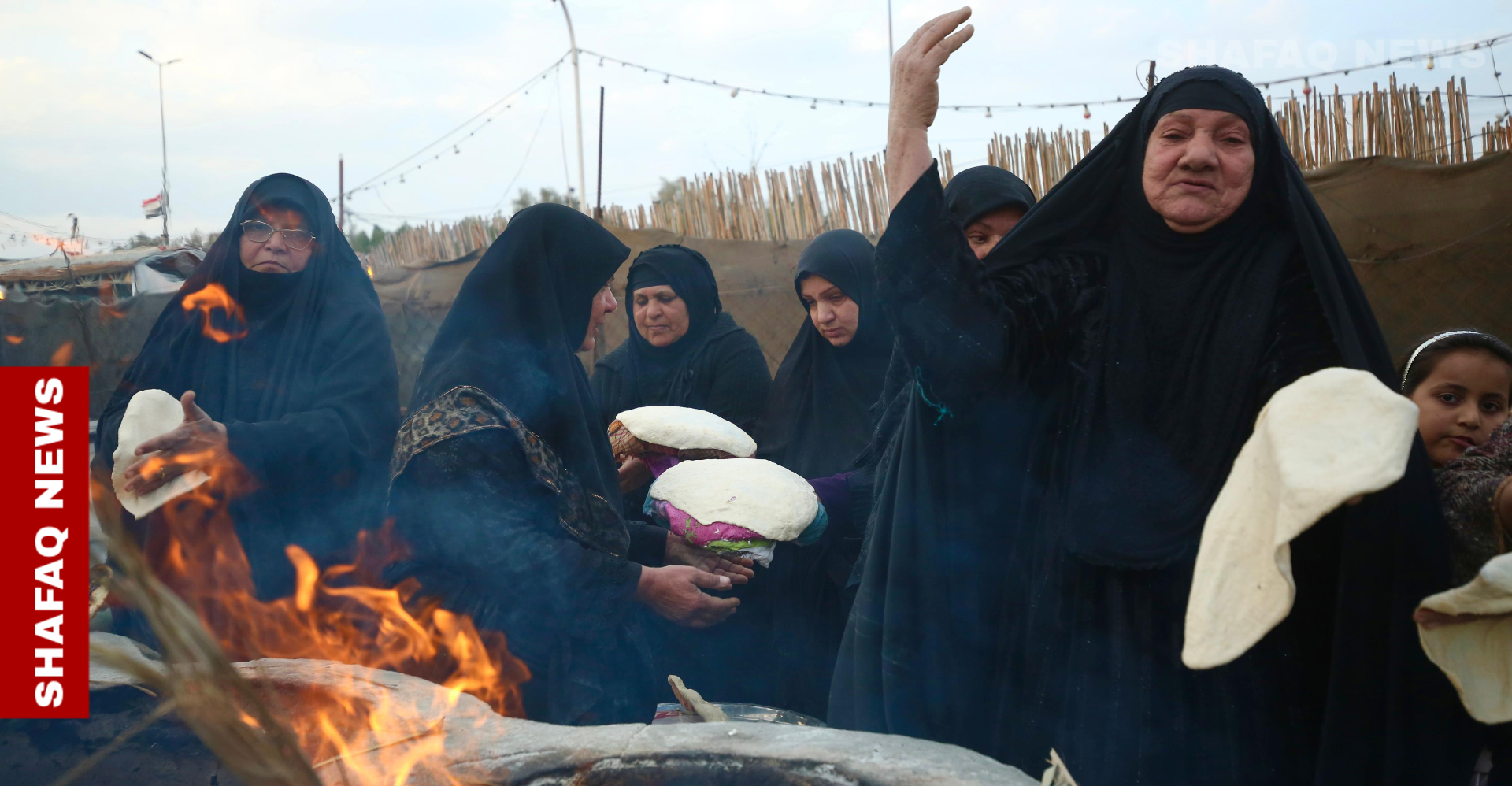
On one dusty stretch of the route, 55-year-old Fatima Abdul-Zahra stands behind a wooden table piled with sandwiches, juice, and fruit. Around her, three daughters work with practiced ease: one hands out food, another refills water, and the eldest—a trained lab technician—checks blood pressure and treats heat exhaustion inside a small women-only tent. “Every follower of Sayyida Zainab (daughter of Imam Ali) who needs rest will find it here,” Fatima tells Shafaq News, her hands never still.
A few meters away, Umm Kazem, a frail woman in a faded black abaya, sits on a plastic chair with nothing to give but blessings. She adjusts a pilgrim’s headscarf, kisses her forehead, and raises her hands in prayer. “When I have no bread, I give prayers.”
Farther along, young engineer Reem Qais
kneels before a middle-aged woman, washing her blistered feet with warm water,
massaging them with ointment, and sliding on new cotton socks. Reem had dreamed
of running her own procession since childhood. She saved from her salary,
rallied friends to donate, and now oversees a modest tent serving hot meals,
offering mats for sleep, and providing basic medical care with help from
volunteer nurses.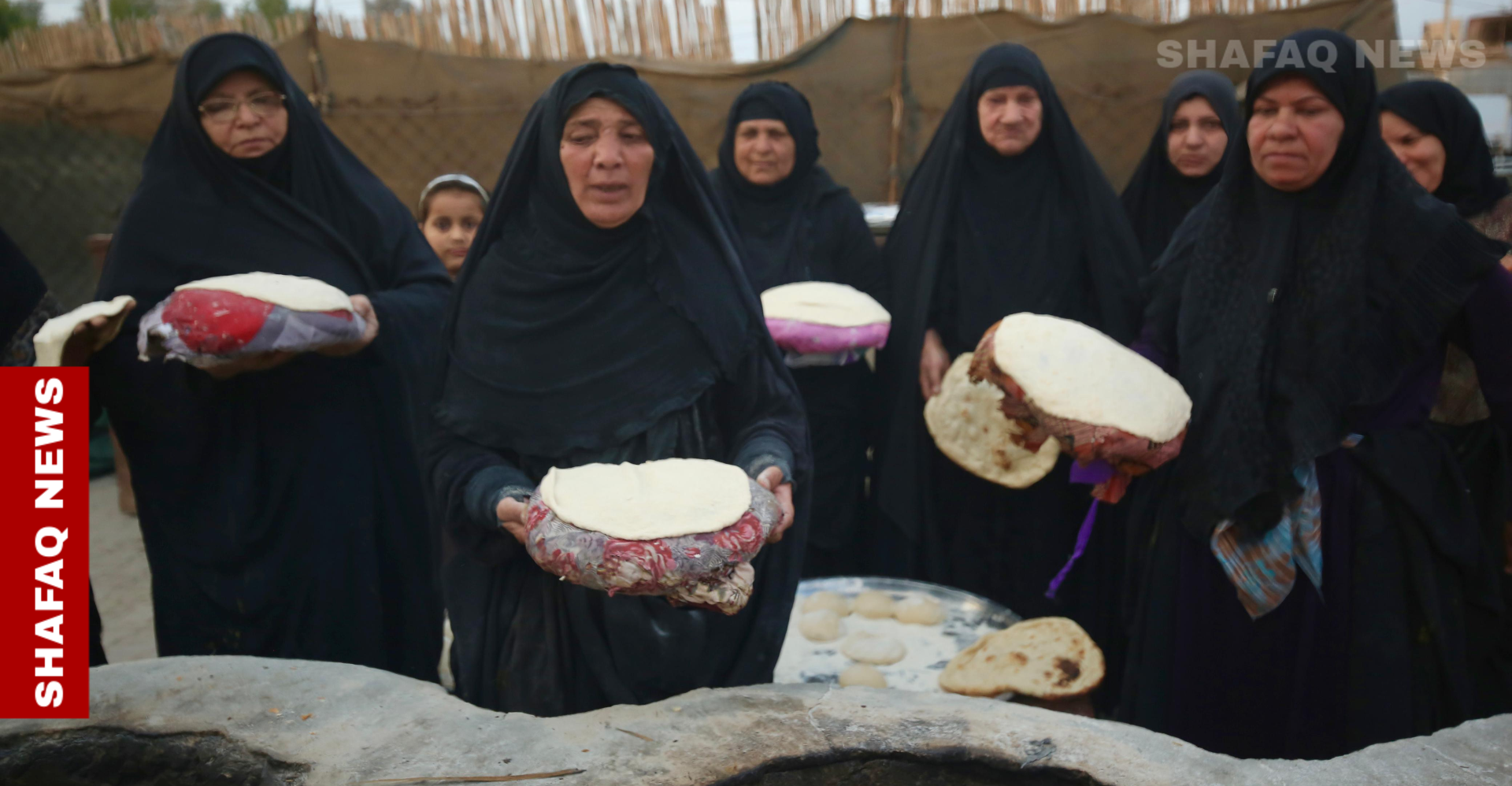
In Karbala’s side streets, Umm Huda stirs a vast pot of soup while her daughters—government employees and homemakers—prepare plates for breakfast. Without sons, she made her daughters her partners in service, pooling their incomes to finance a women-only tent with overnight lodging. “Serving pilgrims isn’t just for men,” she tells Shafaq News.
Her daughter Basma, a school teacher, adds,
“In Karbala, women have always been a part of the story. Imam Hussein brought
his family knowing his fate—we carry that legacy.” For Bushra, a lawyer and
Basma’s sister, every meal and every bandaged wound is an offering to their
late father. “He raised us on love for these rituals. Everything we do here, we
dedicate to his soul,” she says, injecting a painkiller into a heat-stricken
pilgrim’s arm.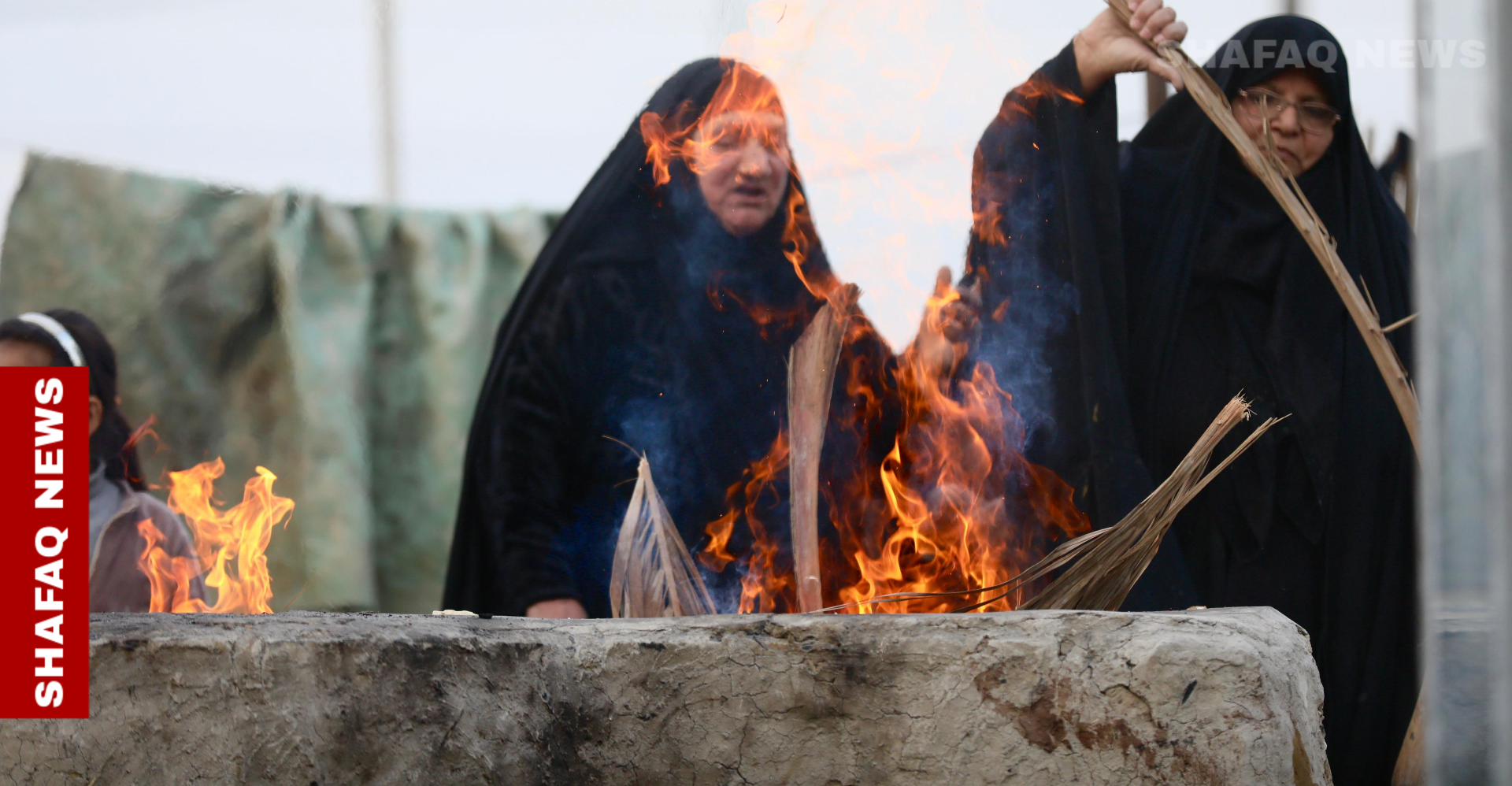
These moments repeat endlessly along the 80-kilometer stretch to Karbala: a hand washing a stranger’s feet, a cup of tea offered with a smile, a prayer whispered over a weary traveler.
Here, service is not measured by the size of the tent or the amount of food, but by the sincerity of intention and the human touch that carries each pilgrim closer to the shrine.
Written and edited by Shafaq News staff.