Shafaq News – Baghdad
At the edge of a busy Baghdad street, inside a dim workshop crowded with wires and faded circuit boards, 60-year-old Khaled Walid leans back on his wooden chair and waits. Three days have passed since a customer last pushed open his door. The refrigerators, washing machines, and old television sets that once kept him busy now sit untouched, gathering dust.
“This job used to feed families,” he told Shafaq News. “Now it barely fills the day.”
Walid opens his shop every morning
at sunrise. He stays until the final call to prayer in the evening, hoping
someone will walk in with a broken appliance worth saving. But those visits
have become rare—victims of a market flooded with cheap electronics that break
quickly and offer no hope of repair.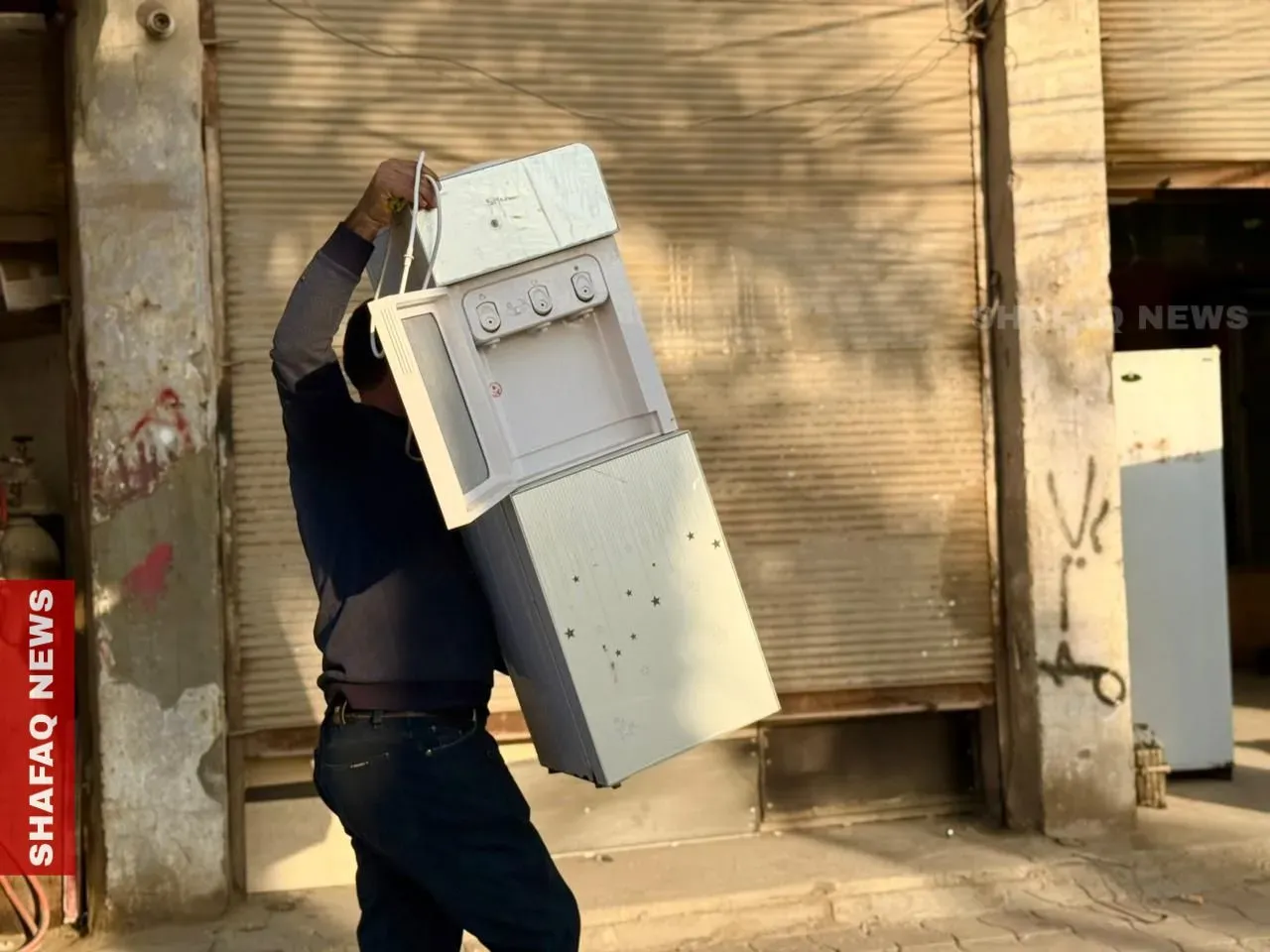
“Nothing is made to last anymore,” he says. “The old devices had spare parts. They were solid. Today’s appliances? They die, and people throw them away.”
When a customer insists, Walid turns to a practice increasingly common in the trade: parts cannibalizing—buying another broken device solely to extract a usable component. “It raises the cost,” he explains. “Often the repair becomes as expensive as buying something new. So people stop coming.”
In the southern district of Bayaa, 59-year-old repairman Abdul Hussein Awwad gestures toward a modern television opened on his workbench. The screen dominates the table, but the circuit that powers it is no larger than a palm.
“Look at this,” he says. “Everything is tiny. Everything is fragile. You need magnifying glasses just to see what’s broken.”
Awwad remembers when televisions
were bulky, heavy creatures—difficult to carry but easy to fix. Their internal
parts were big, visible, and interchangeable. A technician could take pride in
tracing a fault, soldering a wire, reviving a machine that would last another
decade.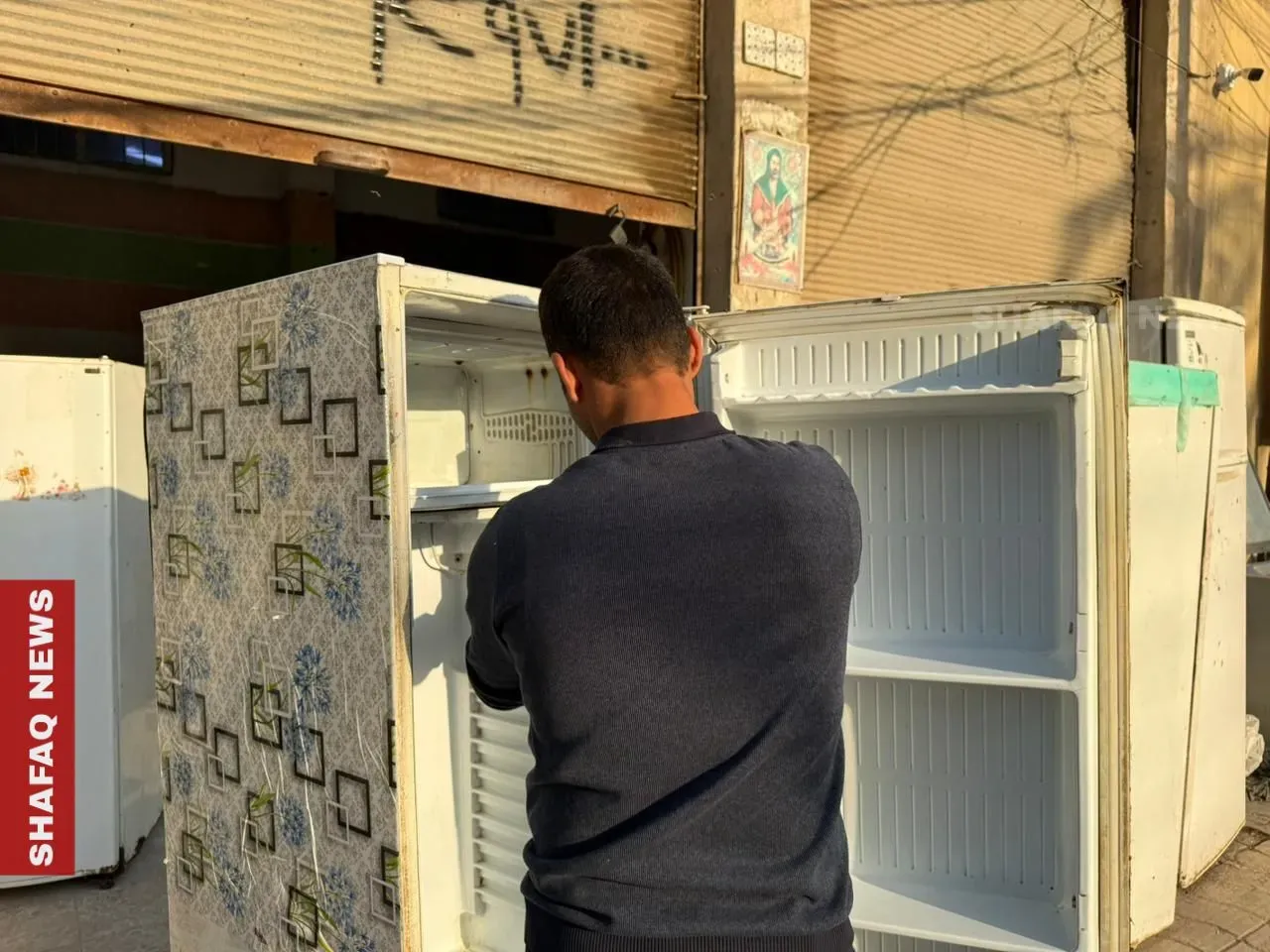
“Now the parts are so small,” he explains, “one wrong move and the whole board is finished.”
The financial pressure is relentless. His earnings no longer cover daily expenses, and some months he pays the shop rent using his social-support allowance. “This job once built homes,” he reflects. “Today, it can’t keep a workshop alive.”
The shift is more than technological. It is cultural. The market is saturated with appliances designed for rapid consumption—cheap to buy, quick to fail, and too expensive to repair.
“Most new devices last two years, maybe,” Awwad says. “The old ones lived fifteen. They were loyal. That’s the difference.”
In a larger workshop in Hay al-Ilam, technician Mohsen Kazem steadies a large television screen with both hands. A magnifier lens rests on his forehead as he works through another improvisation.
“Someone brought me a desktop monitor no one else could repair,” he says. “There were no spare parts in the market. So I used parts cannibalizing—dismantling another broken monitor to revive it.”
He says it with a mixture of pride and frustration. Pride in the craft, frustration in the scarcity.
“In the past, even different brands looked the same on the inside,” Mohsen clarifies. “You could learn one system and repair everything. Siemens, Sony… they shared a structure. Now every device is built differently. Cheap materials. No consistency. No durability.”
Technicians increasingly rely on
YouTube tutorials because manufacturers no longer provide manuals or
replacement components. When a repair requires a missing part, the search often
becomes a day spent roaming electronic markets, hoping for a scrap unit that
carries the piece. “You learn by hunting,” he says. “Not by teaching.”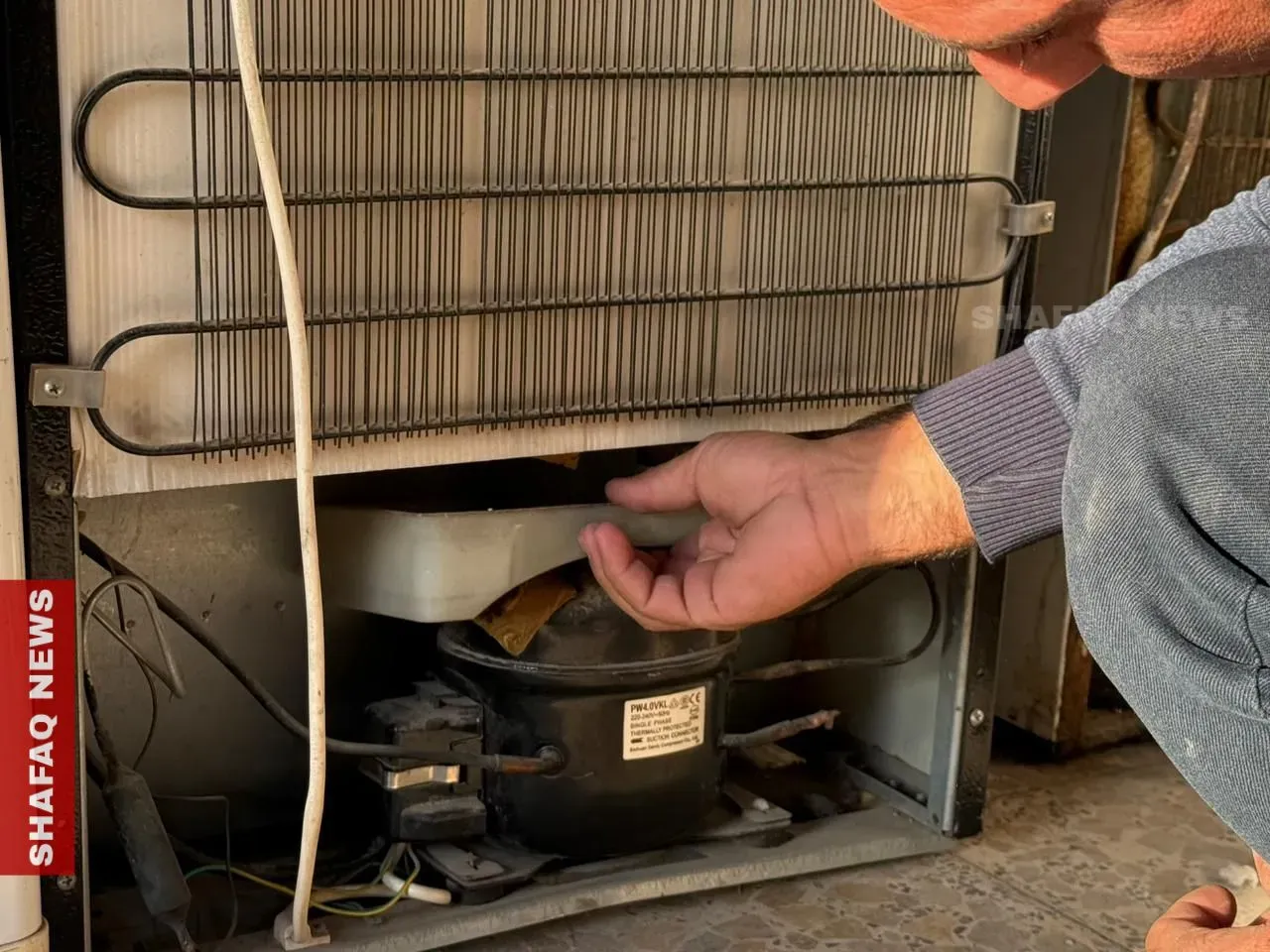
Consumers Caught in the Middle
For ordinary Iraqis, the collapse of the repair trade means paying twice—first for the appliance, then for the replacement.
“My computer screen just went black,” Maha Ali remarks. “I went to Industry Street. Every shop told me the same thing: ‘No parts. Replace it.’”
The new monitor costs nearly as much as the computer itself.
“It was a simple problem,” she says. “But the device wasn’t meant to be fixed. It was meant to be thrown away.”
Her story is now the norm. Appliances fail for minor reasons, yet the lack of spare parts turns small glitches into full replacements.