Shafaq News- Najaf
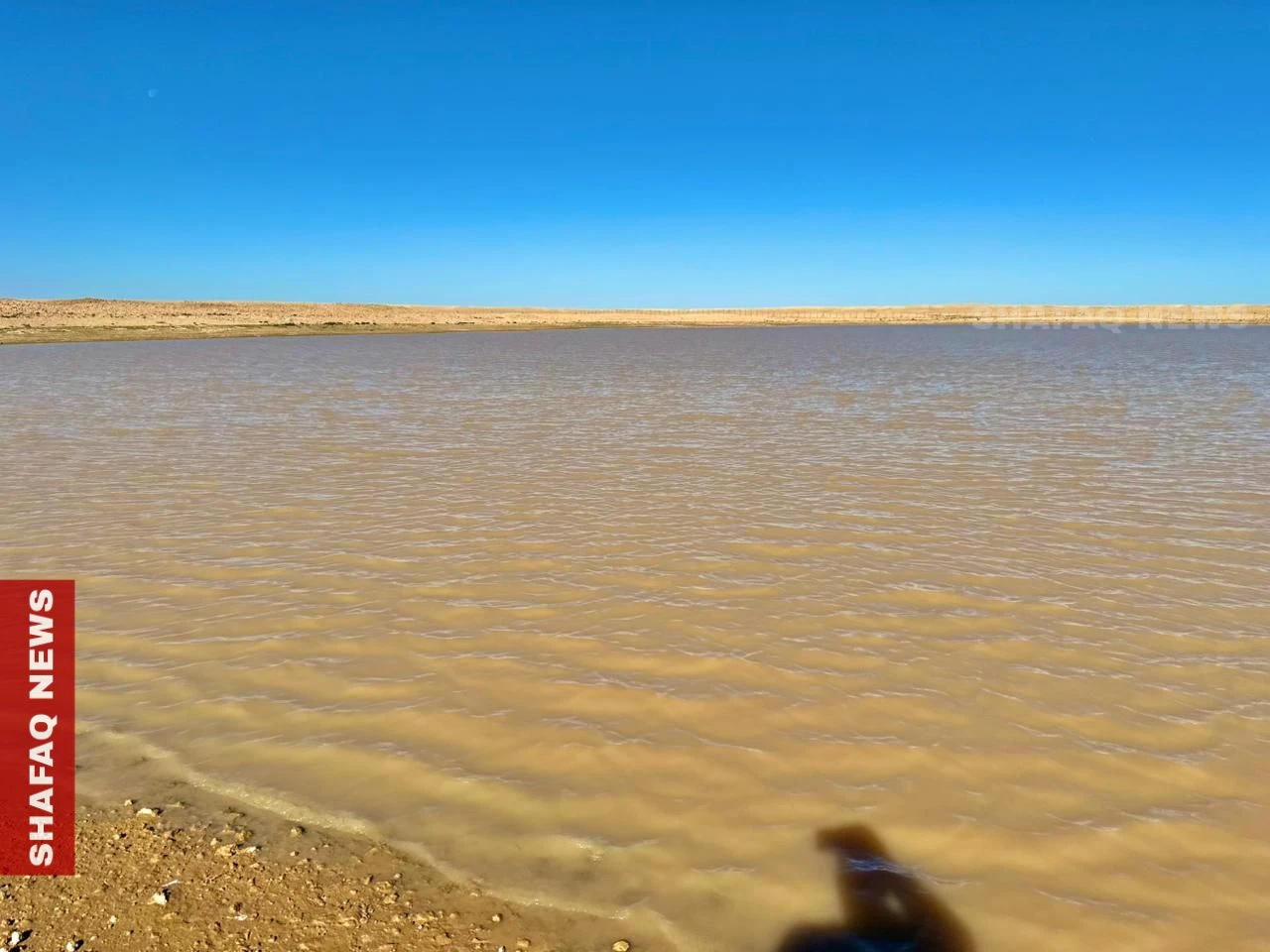
Najaf’s desert has witnessed an environmental recovery following seasonal rainfall, improving water resources and boosting livestock activity and eco-tourism, an official told Shafaq News on Wednesday.
The director of Al-Shabaka district, Kazem Al-Abayji, said
that the desert includes about 20 water ponds that fill during rainy seasons
and retain water for up to a year, adding that “the area also contains a major
water reserve, the Najaf Lake basin, which supports water storage and
contributes to environmental stability.”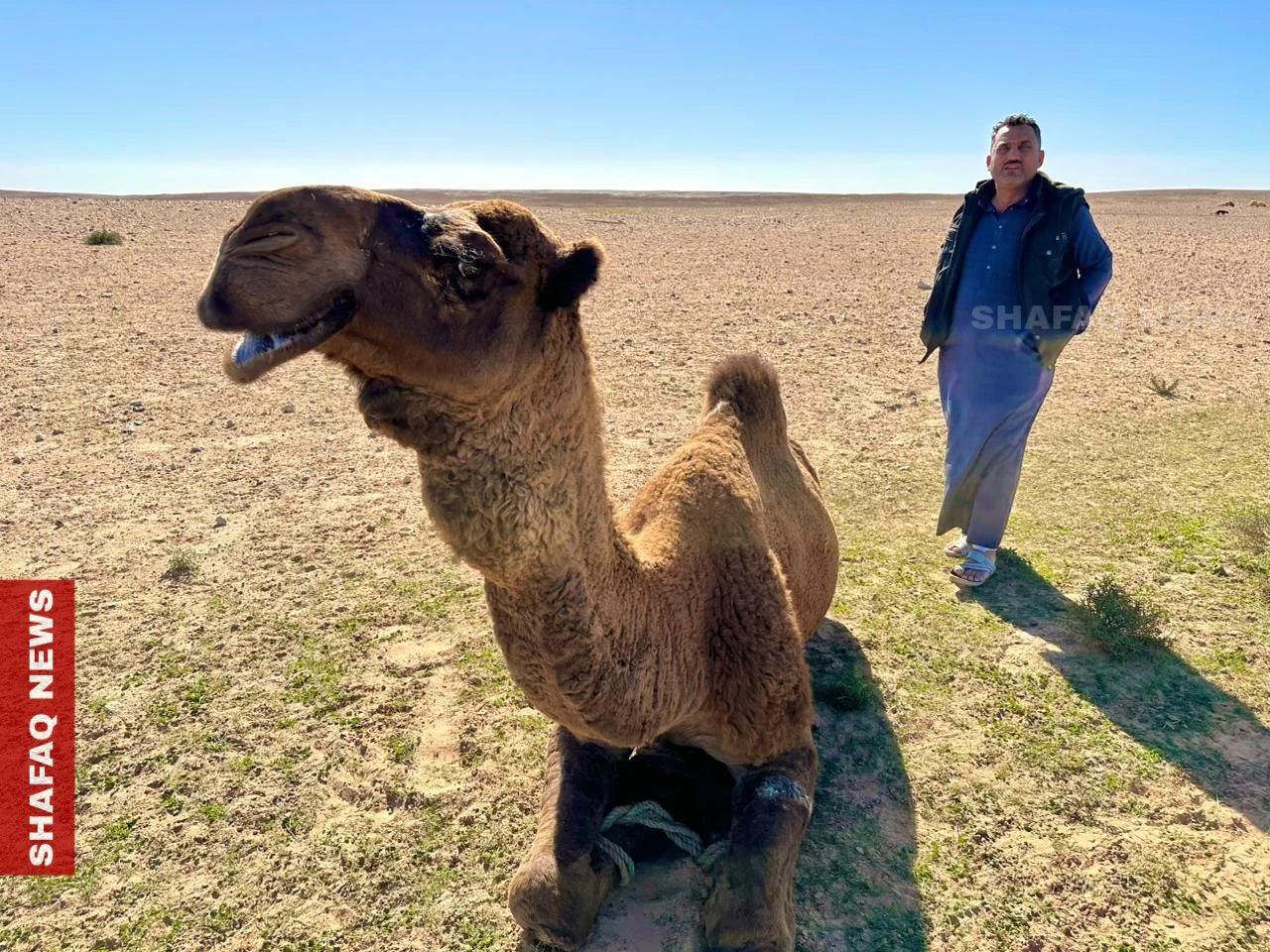
Recent rainfall, he noted, has raised groundwater levels and turned Al-Shabaka into a destination for tourists and livestock breeders from across Iraqi provinces. Al-Abayji clarified that sheep and camel herders have benefited from the spread of vegetation, as the desert has turned into wide green areas after years of drought.
Al-Shabaka is a remote border district in Najaf province,
located in Iraq’s southwestern desert about 180–200 km from Najaf city and
around 75 km from the Saudi border, and is historically known as a route for
pilgrims.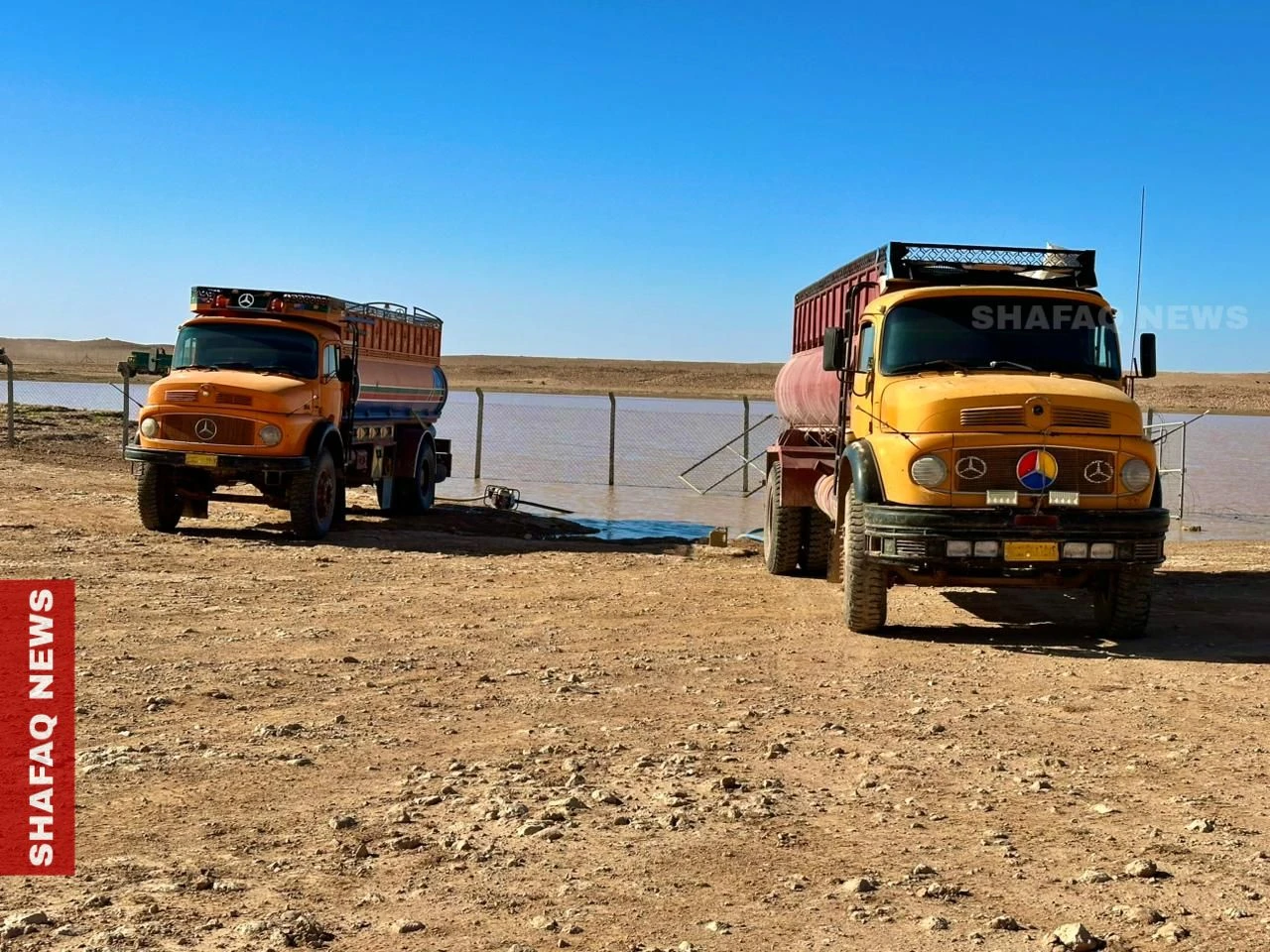
The recovery comes after years of water scarcity across Iraq, driven by declining rainfall, climate change, and reduced river flows from upstream countries, Turkiye and Iran. Najaf Lake, a natural depression dependent on seasonal floods and rainfall, had previously suffered from shrinking water levels.
Read more: Iraq faces severe drought as water inflows decline