Shafaq News- Nineveh
On Tuesday, Japan’s Embassy in Iraq and UNESCO signed an education and reconciliation project titled Bridges for Peace to support conflict-affected communities in Nineveh province, including the construction of 10 schools in western Nineveh and Sinjar, benefiting more than 3,000 students.
Japan’s Ambassador to Iraq, Akira Endo, told Shafaq News
that the project falls under Japan’s 2025 supplementary budget, confirming that
the allocated funding covers the construction of schools valued at $107,000.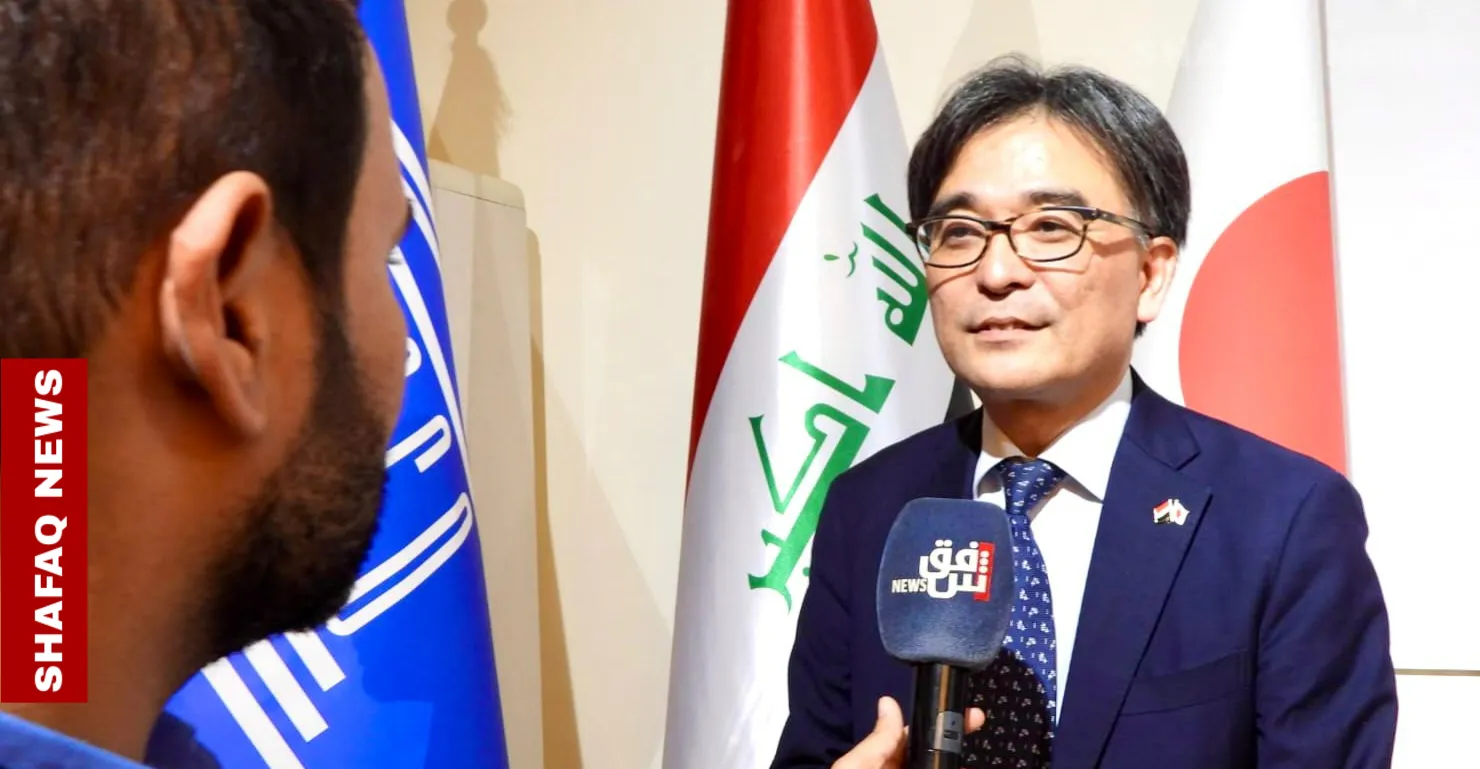
Additional projects are planned in several provinces, including Erbil and parts of southern Iraq, he pointed out, adding that the Japanese government is prioritizing areas liberated from ISIS to support the restoration of education and community reconciliation.“Since 2003, Japan has implemented official economic cooperation projects in Iraq exceeding $21 billion.”
Addressing Japan’s support for displaced people and returnees since ISIS seized parts of Iraq in 2015, he noted that “more than one million Iraqis remain unable to return home or resettle elsewhere, despite progress toward restoring peace and stability.”
Meanwhile, UNESCO’s Representative in Iraq, Alexandros Makar
Gakis, stated to our agency that the project’s launch comes eight years after
the end of the conflict, while communities in Nineveh, particularly western
Mosul and Sinjar, continue to face deep social fragmentation, psychological
trauma, and reintegration challenges.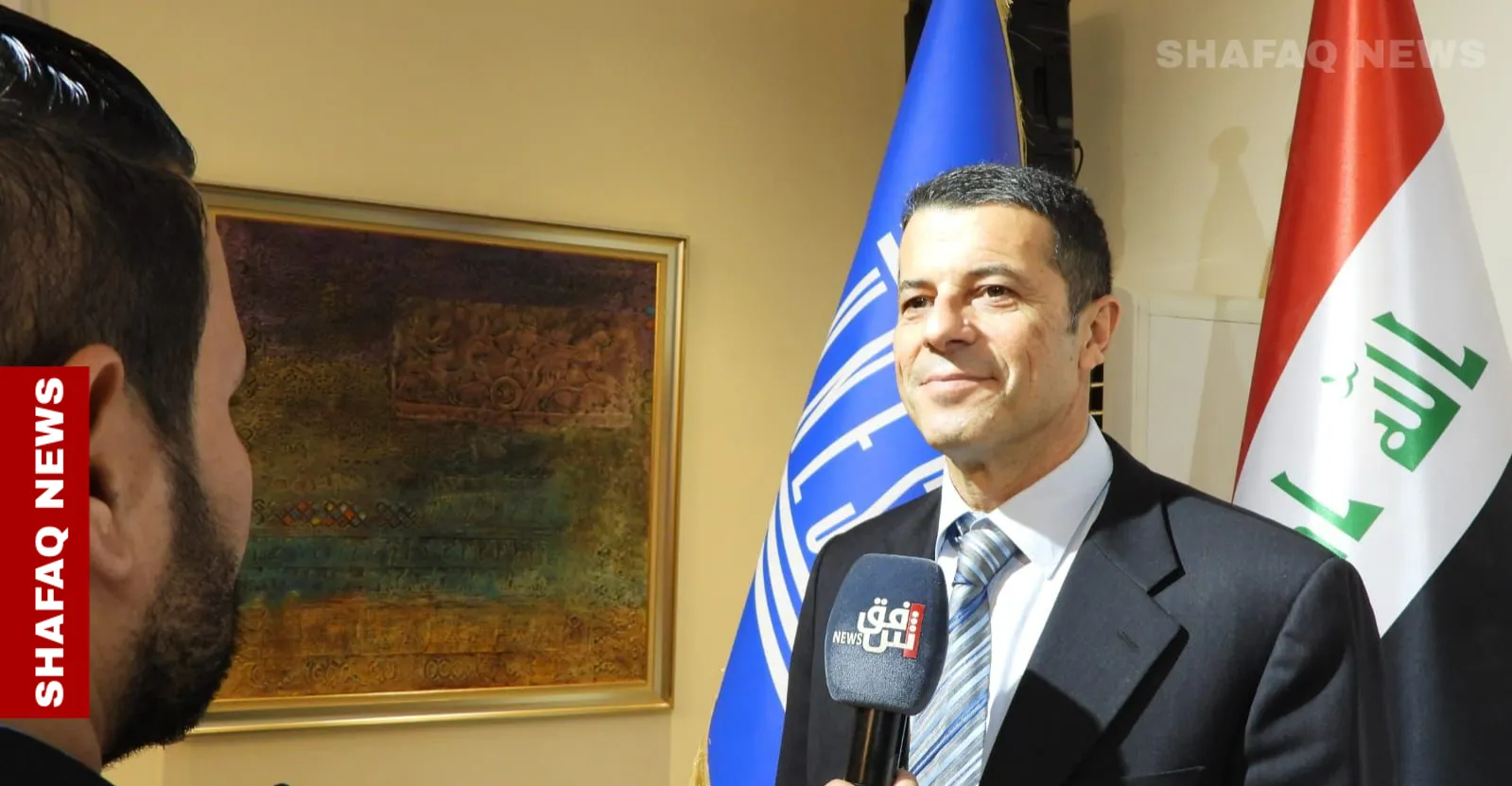
The project will place special emphasis on returnees and displaced people, particularly girls, as students and community leaders will receive tools through the Youth for Peace campaign to counter hate speech, promote dialogue, and rebuild ties between communities.
The displacement crisis in Sinjar remains unresolved more than a decade after it began, with about 110,000 residents still living in camps and unable to return home, according to Duhok’s Department of Migration, Displacement, and Crisis Response, which also estimates that another 170,000 displaced Sinjar residents live outside camps across Duhok province.