Shafaq News– Kirkuk
Near Kirkuk Citadel, a quiet but revealing scene unfolds as young vendors line the sidewalks with colorful children’s toys, including plastic dolls, miniature cars, rubber balls, and sound-making gadgets designed to catch a child’s eye.
Along the sidewalk near the Citadel, young vendor Cesar Omar
lays out his merchandise. “These toys are harmless, and people buy them because
they are cheap and suitable,” he told Shafaq News. Asked about safety
certificates or manufacturing details, he noted that such information rarely
reaches street vendors, adding that the goods are purchased from wholesalers
without further documentation.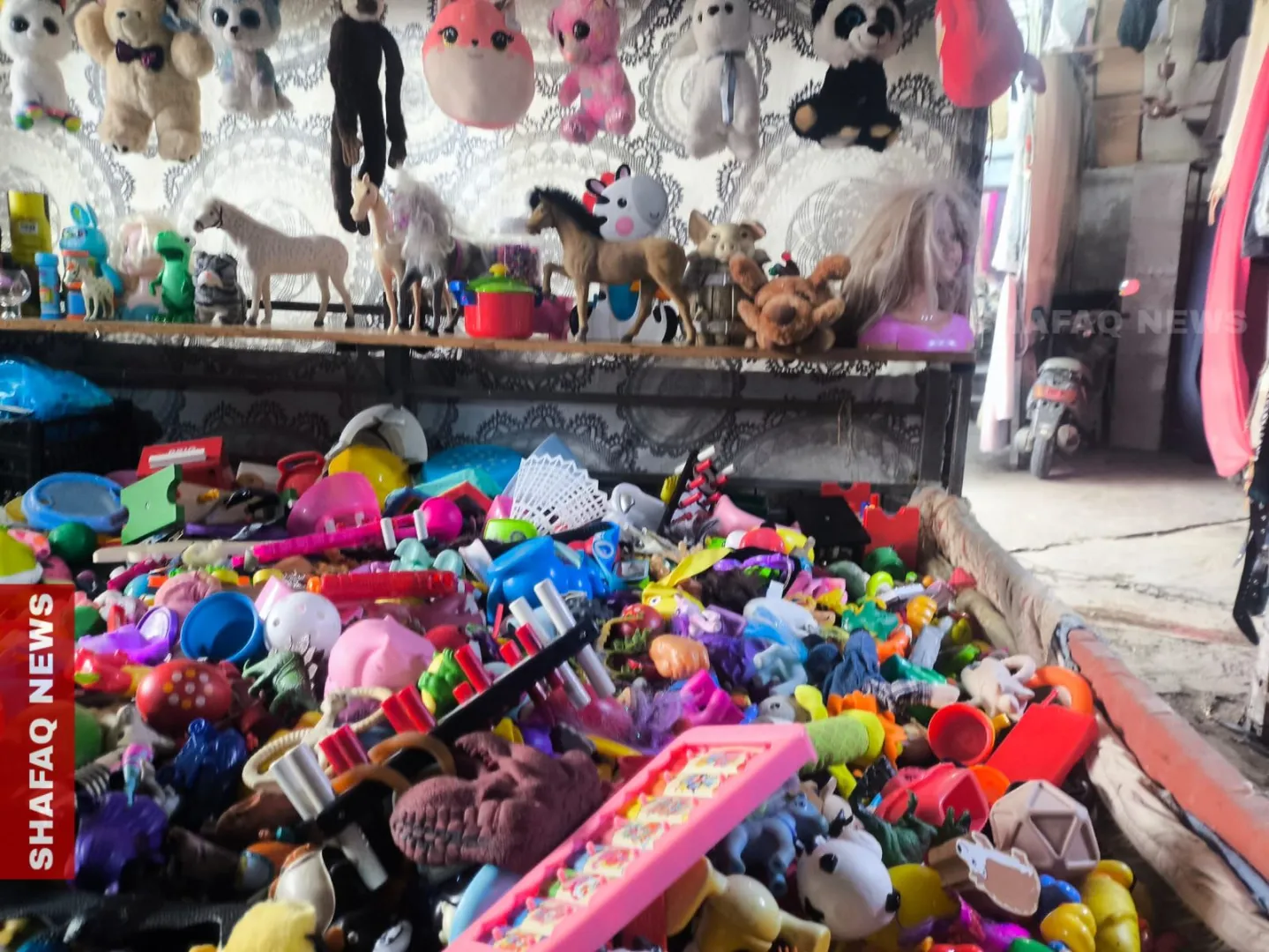
Nearby, vendor Ahmed Jassim said price overwhelmingly shapes purchasing decisions in Iraq’s toy markets. “The first thing customers ask is how much it costs,” he stated, noting that few inquire about origin or safety.
Wide Price Gaps, Little Information
During a field tour of popular markets in Kirkuk, Shafaq News observed wide variations in toy prices, reflecting the absence of clear pricing standards or visible quality oversight.
Used toys promoted as “European” or “original” sell for $15-20,
particularly larger dolls or small electronic items that appear well-preserved.
Other plastic toys are priced between $5 and $10.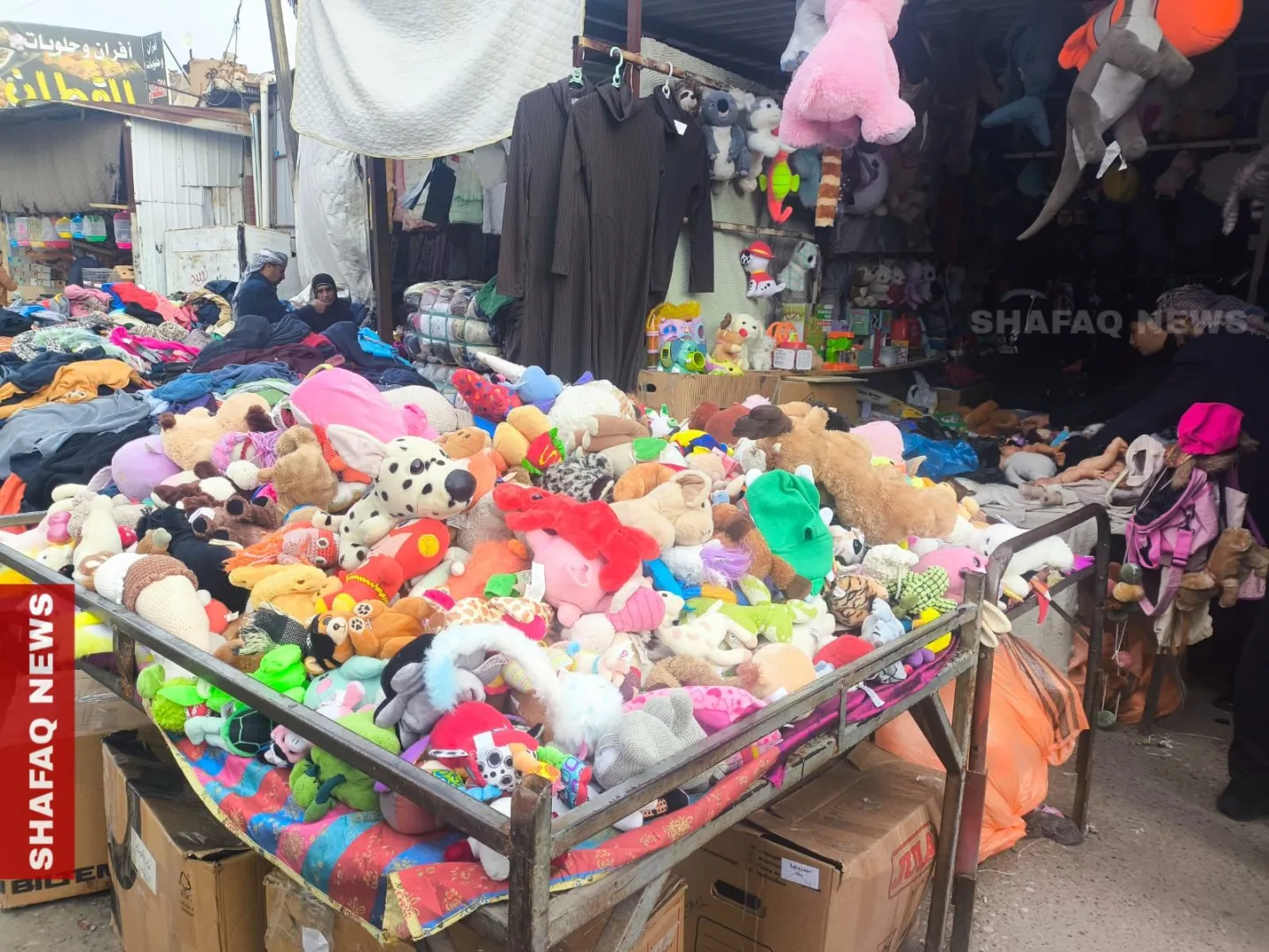
The most commonly sold items, small cars, lightweight dolls, and rubber balls, are priced between $1 and $3. At the lowest end, very small or basic toys sell for as little as 50 cents. These items are often displayed without packaging and carry no information about materials or country of origin.
Clarifying the origins of the toys, Zuhair Qader, an importer who has worked in the sector for more than a decade, pointed out to Iraq lacks a domestic children’s toy industry and relies almost entirely on imports, primarily from China, alongside shipments from Turkiye and Iran, and occasionally via the UAE.
Expert Concerns
Economic expert Ali Khalil told Shafaq News the main problem
emerges after imported goods pass customs, as oversight largely disappears once
products reach local markets, leaving no effective system to withdraw
substandard or unsafe toys, even when health risks are identified. He also warned
that some of the cheapest items may contain hazardous plastics or dyes.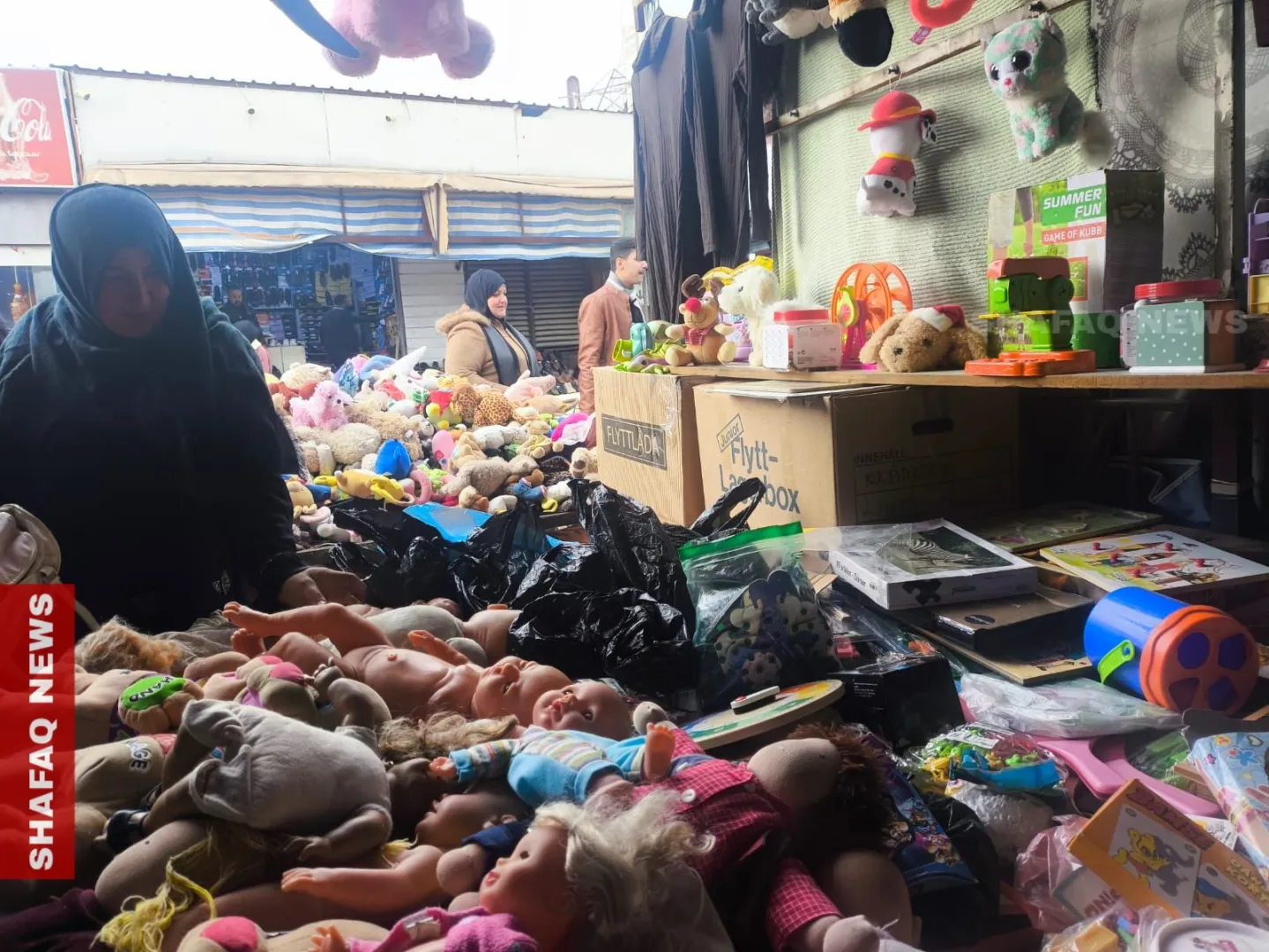
Between Kirkuk Citadel, a symbol of enduring history, and markets crowded with toys of uncertain origin, a clear contrast emerges: strong consumer demand, limited oversight, and an import system shaped largely by affordability.
Until clearer standards and monitoring are enforced, street stalls will continue offering what families can afford, while questions about responsibility and child safety remain unresolved.