Shafaq News- Baghdad
The 128-gigabyte memory card Ahmed usually buys used to cost him no more than 30,000 Iraqi dinars ($19.74). On a recent visit to a camera shop in central Baghdad’s Al-Bab Al-Sharqi (Eastern Gate) district, he found it priced at 85,000 dinars ($55.92). A genuine card of the same capacity, he said, costs more than $130.
For more than seven years, Ahmed has made a living taking portraits around Tahrir Square and Al-Mutanabbi Street and photographing weddings and other events. Some of the equipment he bought just a few months ago is now beyond what he can afford. What he earns from a portrait or a wedding has barely changed, he told Shafaq News.
Buying Gear at Street Rates
Photographer Hussein Farhan said the trade depends entirely on imported equipment, from cameras and lenses to lighting and sound systems. In his experience, most suppliers use the parallel-market exchange rate to buy and price their stock because official bank transfers are cumbersome. When the dollar costs more in dinars, photographers pay more to buy or replace their gear.
A basic camera stabilizer costs about 400,000 dinars ($263), and some lenses sell for as much as five million ($3,289). People working in the trade estimate that equipment and accessory prices have risen by about 80%.
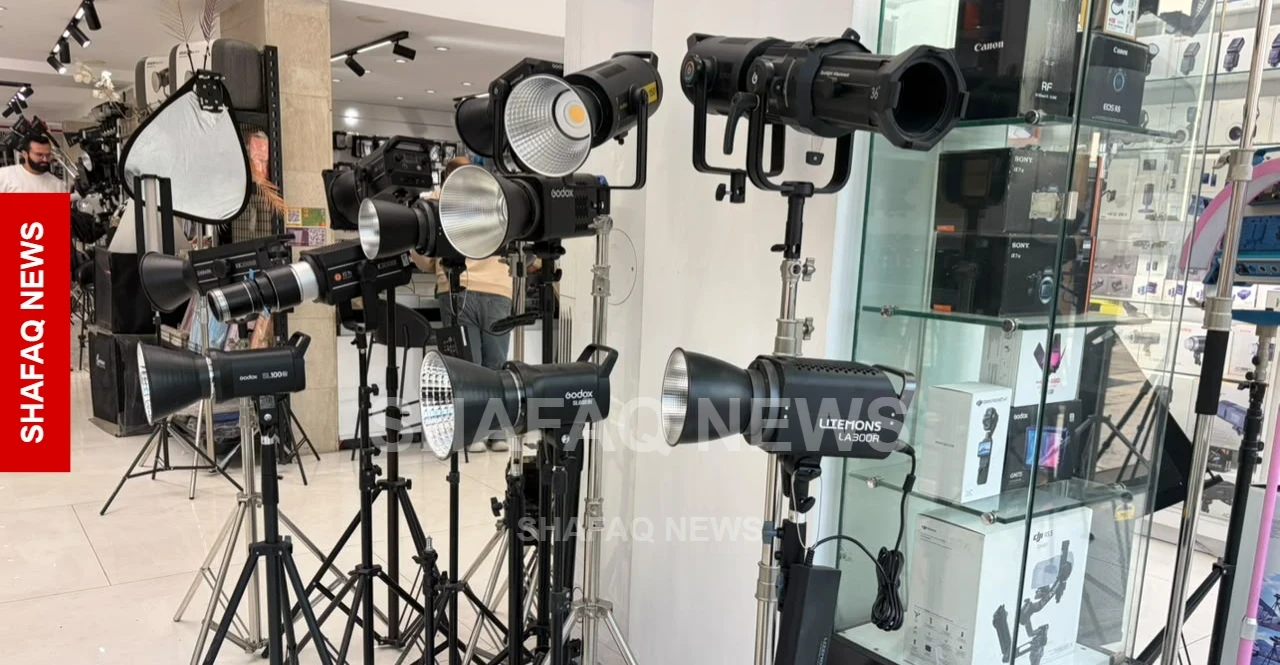
Farhan said the costs weigh especially heavily on photojournalists who use their own equipment for daily assignments and on newcomers buying their first kit out of pocket. He called for simpler bank transfers for suppliers or customs relief for press equipment, saying higher prices make it harder for photographers to keep up with the demands of the job.
$3K+ Lens
Photographer Fatima Majed recently paid five million dinars for a Sony lens that used to cost no more than 3.5 million ($2,303). In her experience, a photographer can earn at most 150,000 to 200,000 dinars ($99–$132) for covering a wedding. That fee has to help cover lighting, lenses, memory cards and stabilizers as well as the camera.
Majed said it can take a long time to earn back what she spends on gear through wedding and graduation assignments. Raising her fees could cost her customers.
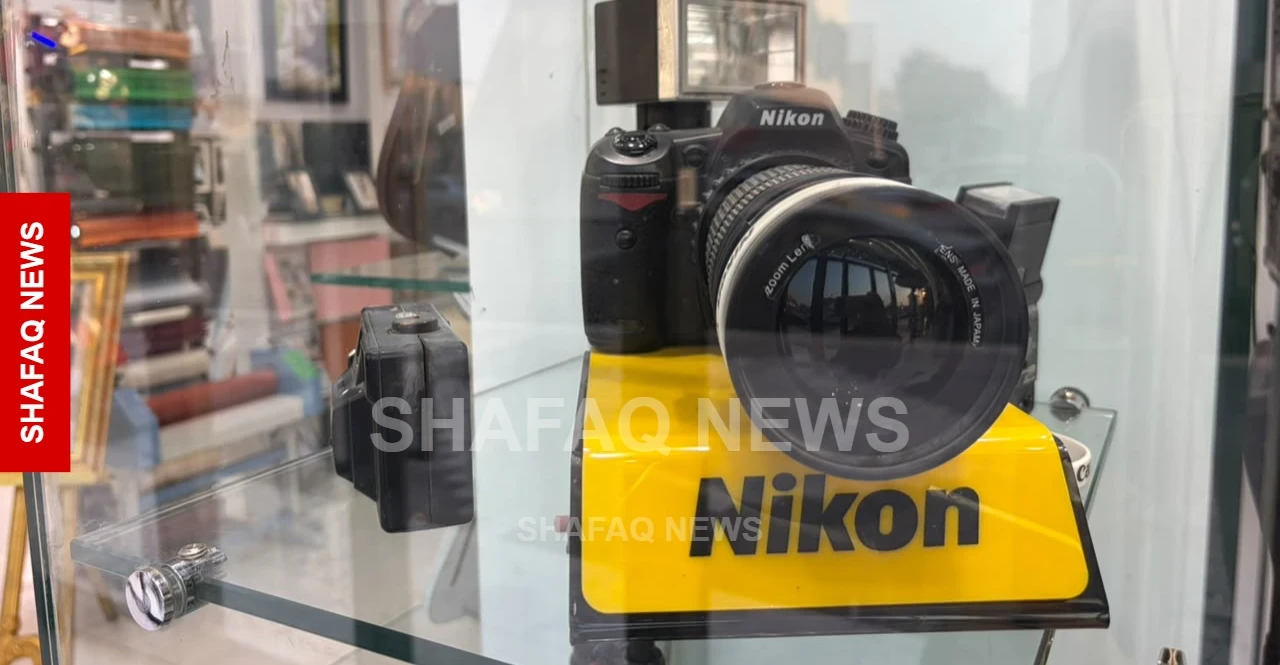
The squeeze reaches camera shops, too. Adnan Ali, who sells cameras and accessories, said customers are putting off purchases and upgrades. At times, sales have nearly stopped. He buys cameras, lenses and lighting and sound equipment in foreign currency, so a weaker dinar raises the cost of restocking.
Holding on to unsold equipment carries its own risk. New models can push down the resale value of older ones while they are still sitting in the warehouse, Ali said.