Shafaq News- Babil
After years of severe drought that struck Iraq beginning in 2020 and peaked in 2024, when water levels in the Tigris and Euphrates rivers fell to critical levels, the 2025-2026 winter season brought abundant rainfall, snowfall, and increased water releases from Turkiye, reviving hopes for the recovery of agriculture, livestock grazing and breeding, as well as other water-dependent livelihoods.
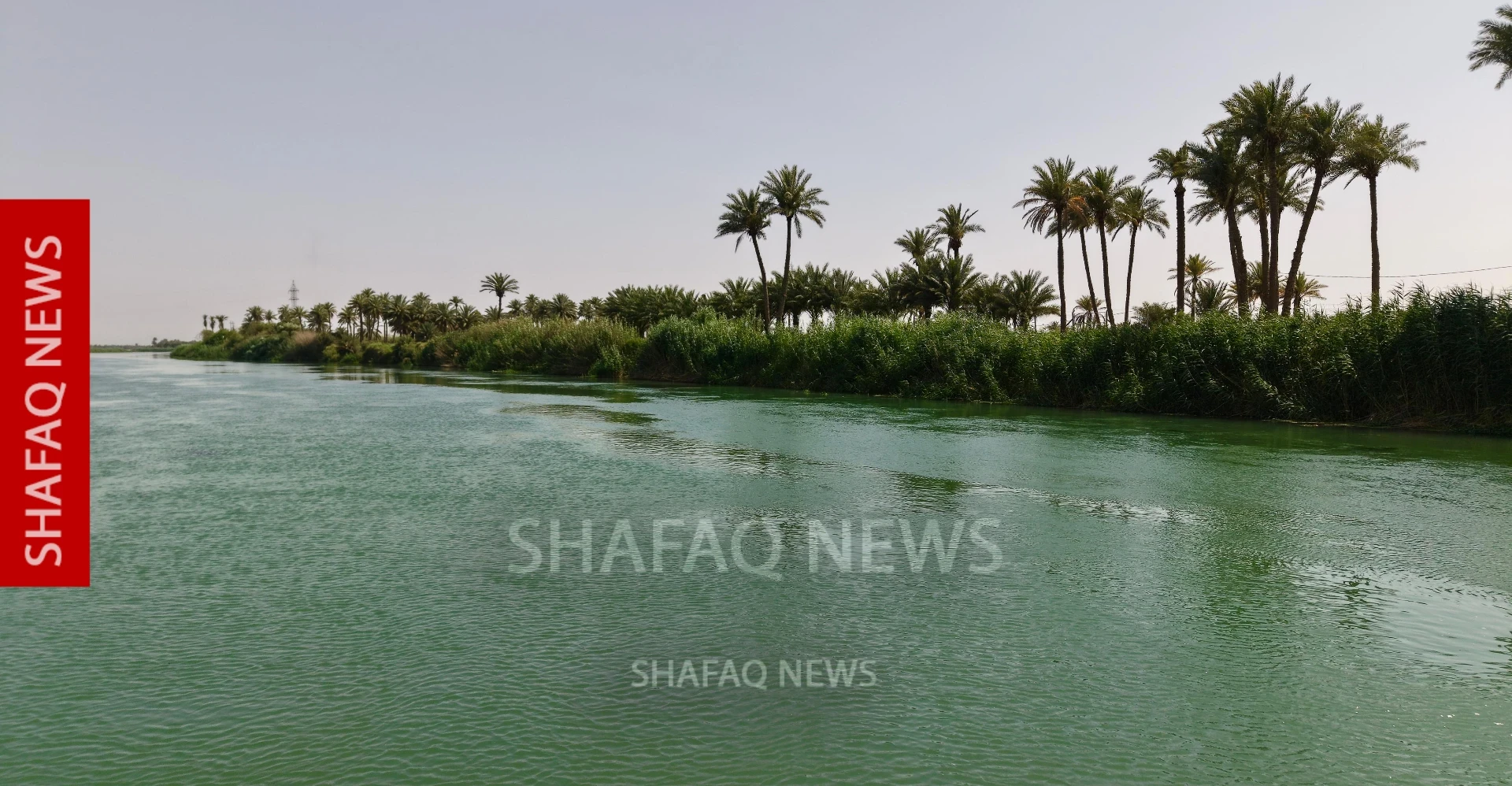
Shafaq News correspondents observed a noticeable rise in the water level of the Euphrates River in Babil province, located roughly midway along the river’s course through Iraq. Ground and aerial footage from Al-Kifl district, south of Babil, showed the river flowing more vigorously than during the years of drought that affected the area.
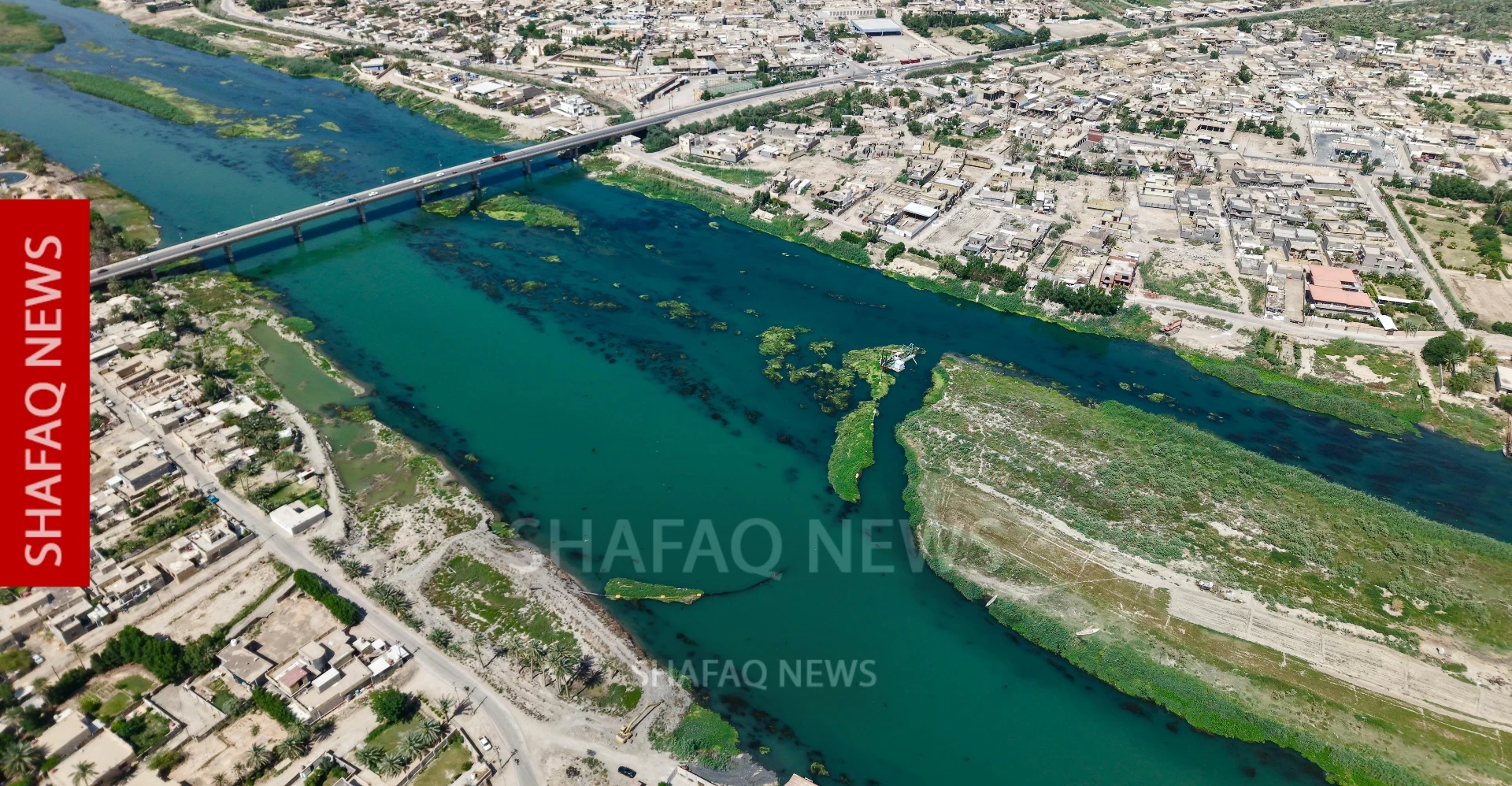
As water levels increased, fishermen returned to the river in greater numbers, while other professions that had nearly disappeared due to drought also began to recover. Agriculture, the backbone of the local economy in Al-Kifl, has shown signs of improvement, while grazing lands have also recovered, benefiting livestock herders.
The river has also become a refuge for young people seeking relief from rising temperatures, which are often accompanied by reduced electricity supply.
According to statements from relevant authorities, water releases into the Euphrates during recent months have been favorable and are expected to support agricultural activity and other sectors.
The previous years of drought had severe consequences for water-dependent sectors. In addition to the sharp decline in agricultural activity, the drying up of tributaries and vast areas of marshlands and water bodies across central and southern Iraq triggered large-scale migration among livestock breeders, particularly buffalo herders whose livelihoods depend heavily on access to water.
The drought also affected industries linked to buffalo and cattle breeding, leading to a decline in the production of milk and dairy products, including yogurt, cheese, and qaymar (clotted cream), as well as certain traditional industries that rely on reeds as a primary raw material.
Read more: Euphrates flood wave approaches Iraq: Water lifeline or emerging threat?