Shafaq News – Duhok
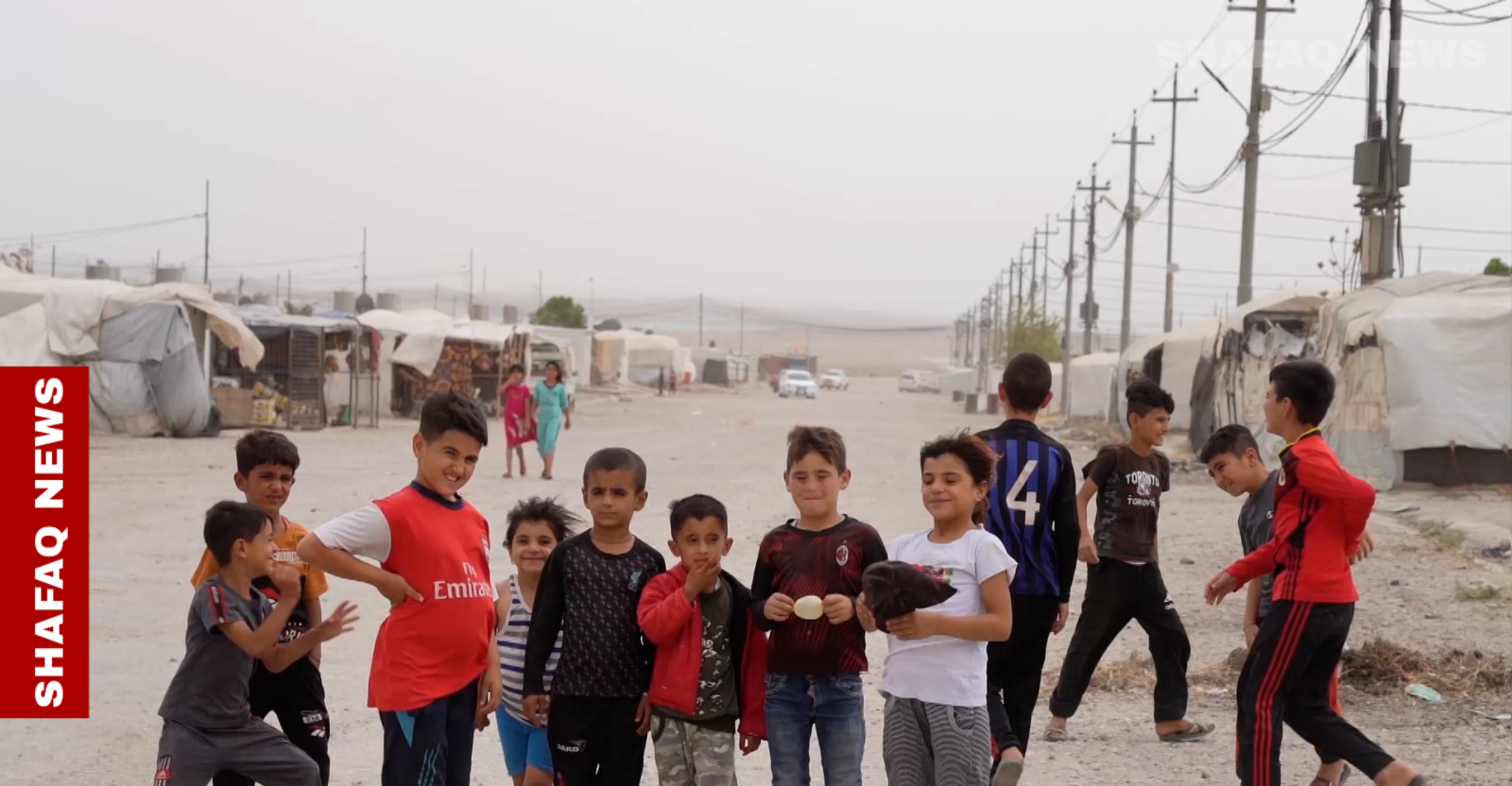
On Sunday, Duhok’s Migration and Crisis Response reported that thousands of Yazidi families remain in displacement camps across the province, eleven years after ISIS overran Sinjar.
The Directorate’s Head, Dayan Jaafar, told Shafaq News that the main obstacles to return include ongoing insecurity, destroyed infrastructure, lack of basic services, and the absence of compensation for damage caused by ISIS, noting that many had lost their homes, shops, and sources of income without receiving any official reconstruction support.
Jaafar described the situation as a “failure” to create a safe and viable environment for return, accusing the Iraqi government of neglecting its responsibilities. “The government has not provided sufficient protection for returnees, nor implemented essential services like electricity and water.”
He added that the decline in international funding has
worsened the crisis, with humanitarian aid organizations reducing assistance by
up to 80 percent. As a result, the Kurdistan Regional Government has been
forced to cover multiple service sectors—ranging from healthcare and education
to water, power, and sanitation—placing a heavy financial and administrative
burden on the region.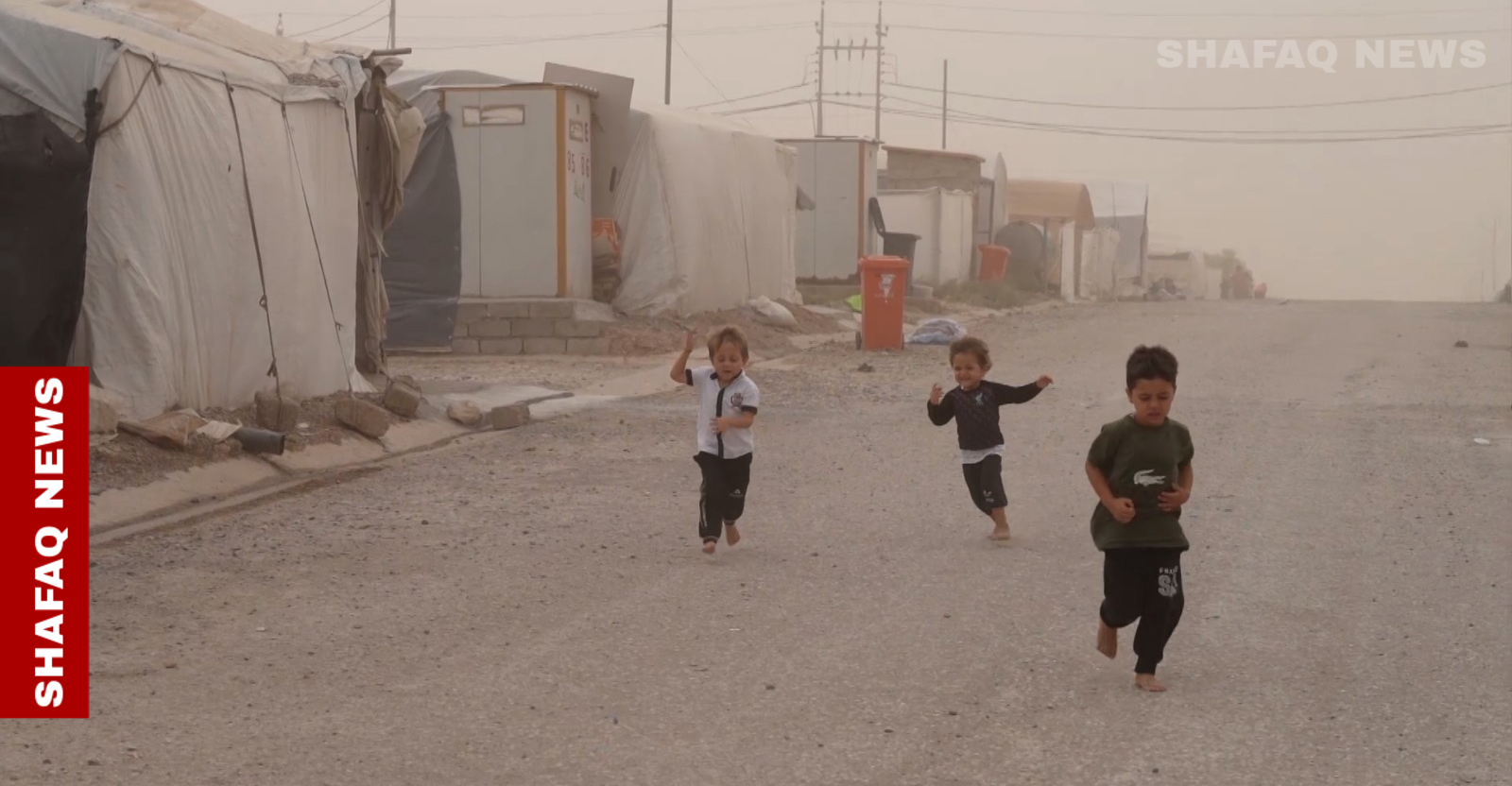
In recent years, over 800 families have returned from Sinjar to Duhok due to the complete lack of life-sustaining conditions in their original areas.
Regarding return plans, Jaafar revealed that around 600 families have registered to go back to Sinjar, but only half have returned. The rest were discouraged after the Iraqi government failed to deliver the four million dinars ($2.8K) return grant that was once offered to support resettlement.
Yazidis remain among the groups most affected by ISIS
atrocities. Over 200,000 remain displaced, many still in camps, while others
have returned to areas that lack basic services or support. Roughly 2,600
Yazidis are still missing.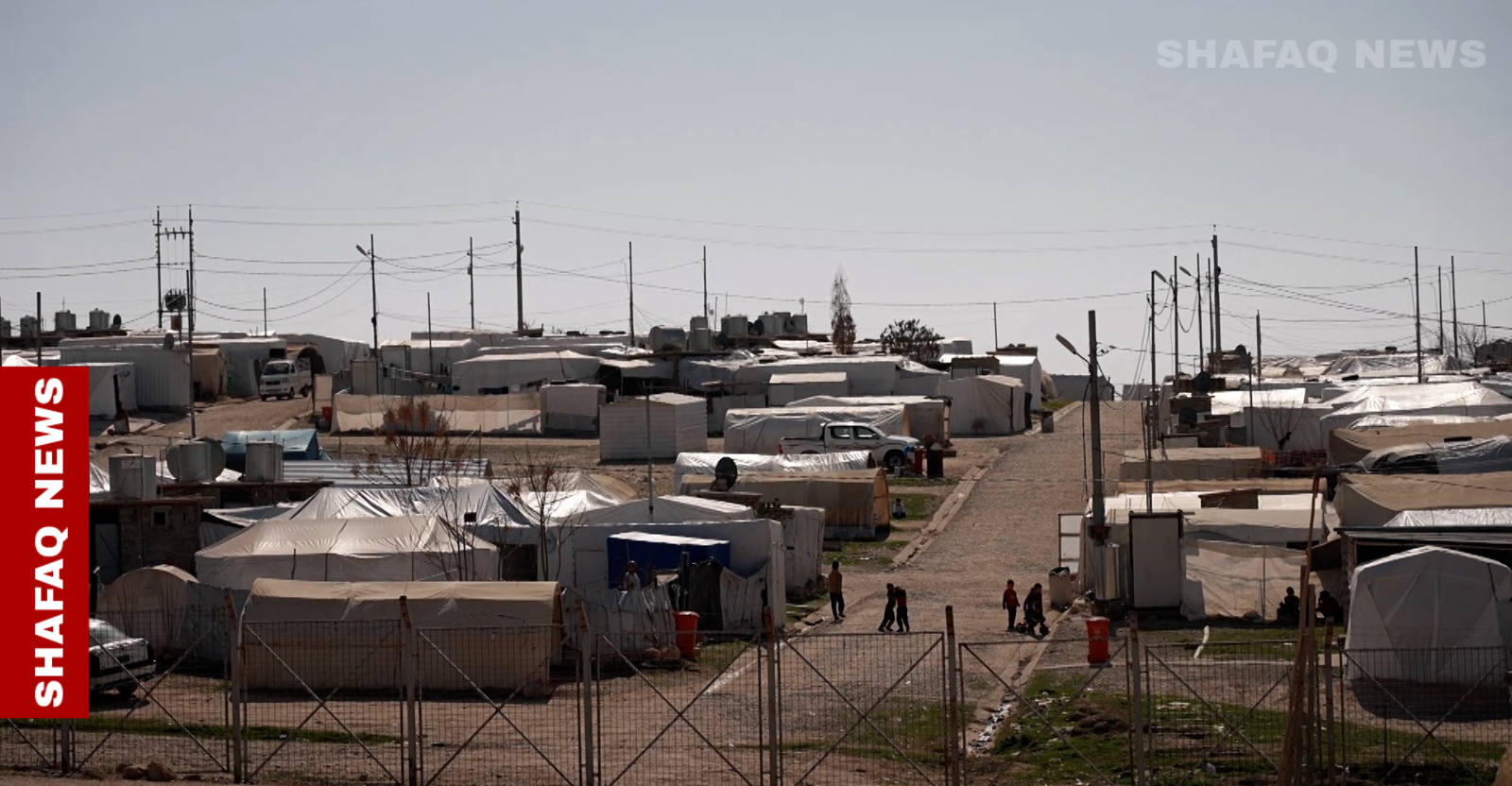
Hadiya Khalo, a displaced resident from Sinjar, explained that she initially fled with a single household. “Now, after my sons got married, we are three families. We can’t go back because we would need three homes. Our original house in Tel Qasab was destroyed.”
Bassem Makhso, a university student, said he would be forced
to end his education if he returned. “Even with reduced aid, camp life here is
still more stable than returning to a place with no security, no schools, and
no services,” he told Shafaq News.