Shafaq News- Baghdad
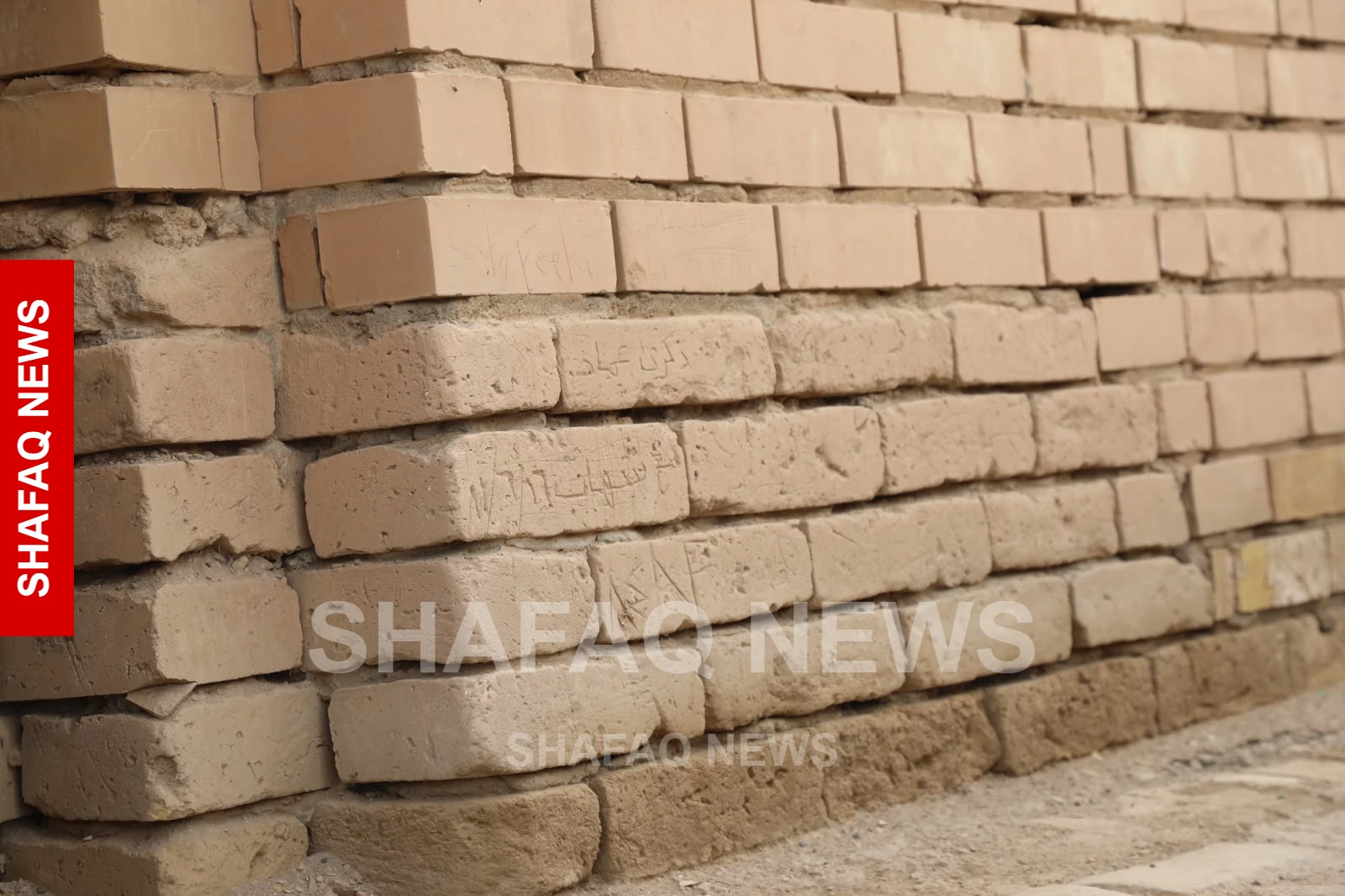
Names, dates and personal messages have found their way onto the walls of Iraq's archaeological sites, leaving modern marks on monuments that have survived for thousands of years. Despite warnings and protective measures, visitors continue to deface historical landmarks, raising concerns about the preservation of the country's cultural heritage.
Iraq, often called the cradle of civilization, is home to some of humanity's earliest writing systems and archaeological landmarks. From the Ziggurat of Ur in Dhi Qar province and the ancient city of Babylon near Hillah to the ruins of Nineveh and the Ziggurat of Aqar Quf near Baghdad, its historical sites have long attracted researchers, archaeologists, and tourists.
Read more: Aqar Quf Ziggurat: A fading legacy of Mesopotamia
Amer Abdul Razzaq, adviser to the minister of tourism and antiquities, considers writing on archaeological and historical monuments “a deliberate act of vandalism” that damages Iraq's cultural heritage and national identity.
Speaking to Shafaq News, he warned that Iraqi law provides
for fines and, in more serious cases, criminal prosecution and imprisonment.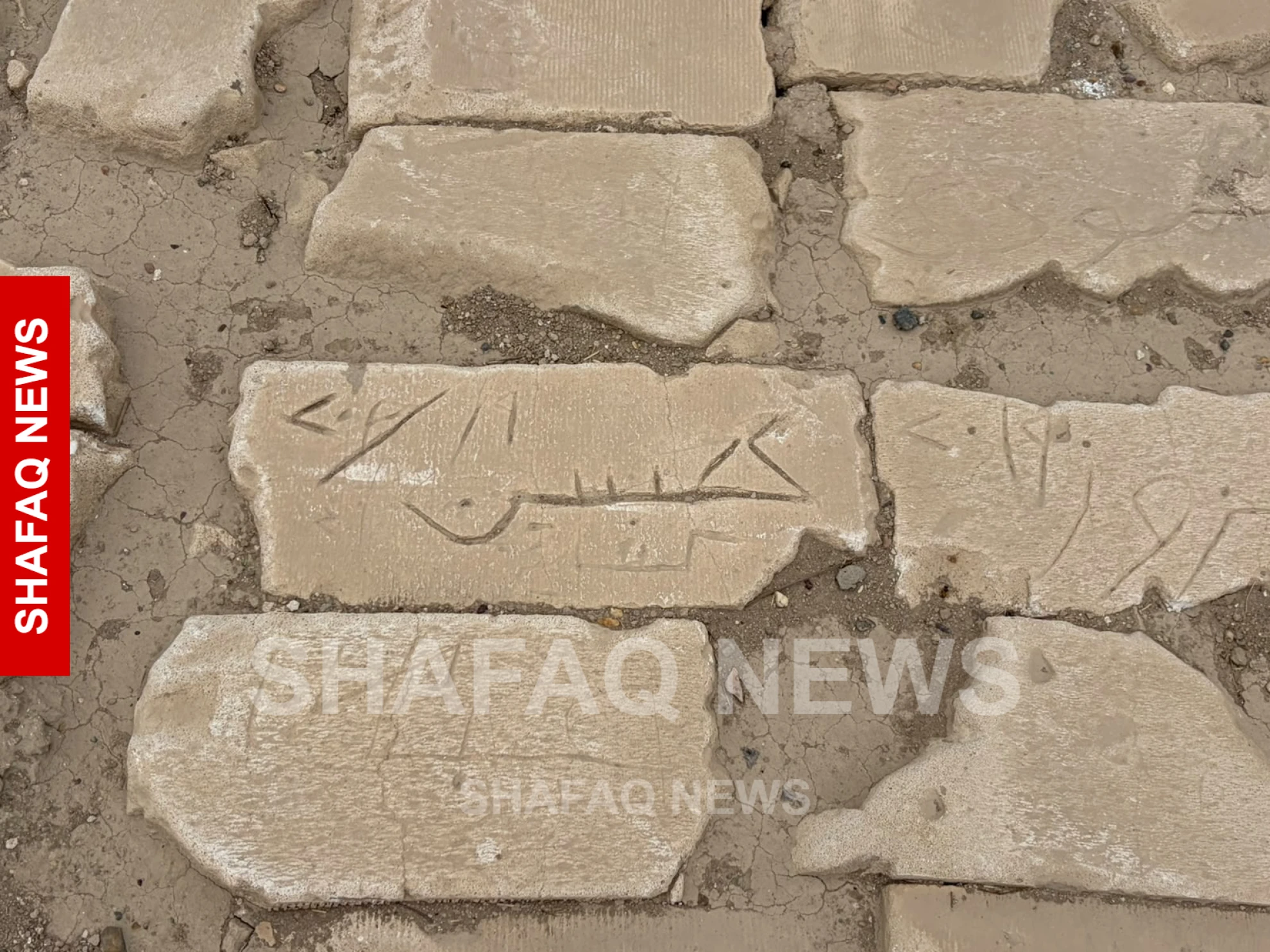
To protect these landmarks, the State Board of Antiquities and Heritage is strengthening surveillance at major tourist sites, including installing security cameras and increasing the role of antiquities police and guards. The board also plans awareness campaigns targeting schools, organized trips, and tourist groups to encourage visitors to respect historical monuments.
Yet those responsible for protecting the sites face difficulties enforcing the rules. Naeem Ali, a guard with the antiquities police, told Shafaq News that tourist groups frequently leave negative marks on the locations they visit, with some visitors touching historical structures despite restrictions.
"We try as much as possible to prevent visitors from touching or writing on the monuments, but without success," Ali said, recalling uncomfortable encounters with tourists who ignored instructions.
According to Ali, guards often discover new inscriptions and personal messages that appeared without their knowledge.
In August, the heritage organization Lamassu launched a campaign titled "Don't Write on Our History" to remove graffiti from the walls of historic houses in Old Mosul. The initiative coincided with official efforts to clean affected buildings and pursue those responsible for the damage.
Authorities are also trying to reverse older alterations that changed the appearance of archaeological sites.
Ali Obeid Shalgham, head of the State Board of Antiquities and Heritage, told Shafaq News that a comprehensive restoration plan, developed in cooperation with Italy's University of Bologna, aims to address damage and later alterations at archaeological landmarks.
Read more: A race against time: Restoring Iraq's lost history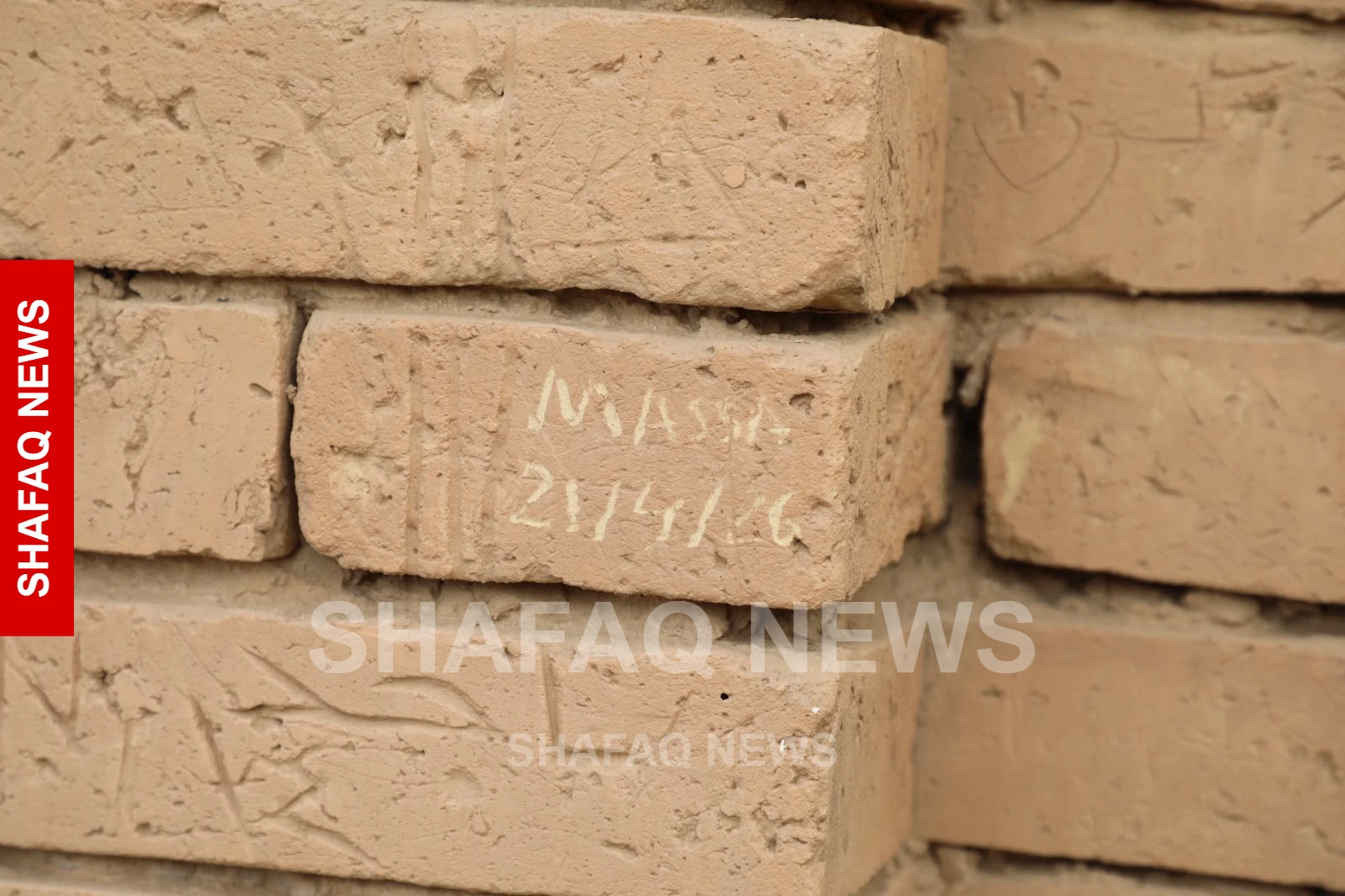
Particular attention will go to encroachments and construction added during the former regime, including modern bricks and other materials that altered the original appearance of historical monuments.
The project, he said, involves removing some of these additions while excavating other areas to uncover architectural features and previously undiscovered archaeological remains.
The board has also established archaeological monitoring arrangements and deployed antiquities police to protect the sites, prevent further damage, and supervise the movement of tourists and visitors.
For guards on the ground, however, prevention remains difficult: new names and messages often appear despite patrols, warnings, and restrictions.
Read more: From Babylon to Erbil: Iraq’s UNESCO sites and those next in line