Shafaq News- Basra
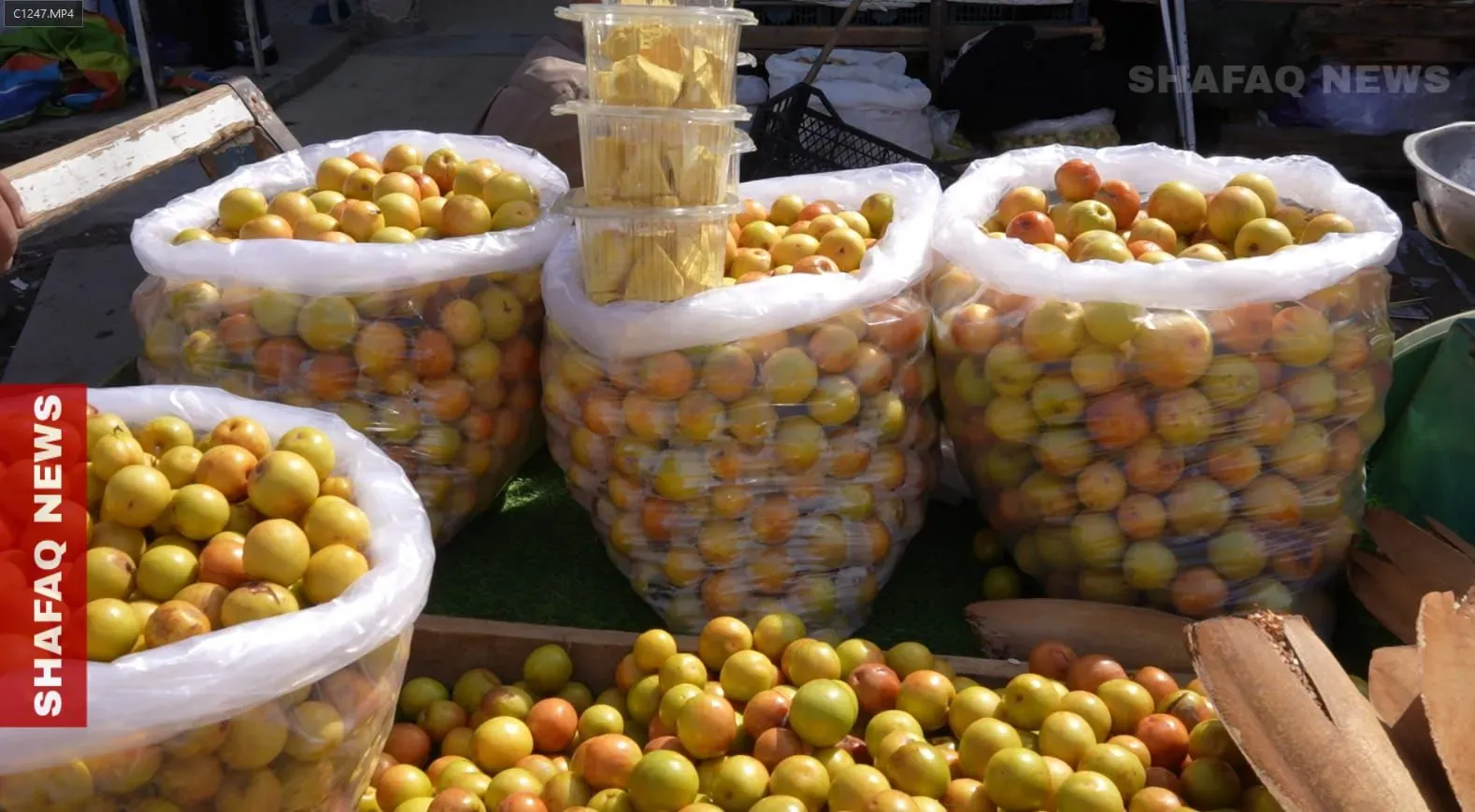
In Al-Ashar Market, at the center of Iraq's Basra, some trades do more than sell goods —they preserve memory. Among the narrow alleys and familiar calls of vendors, the sale of nabq, the fruit of the sidr tree, continues to carry the scent of southern orchards and the visual rhythm of seasons that refuse to fade.
At the heart of this scene stands
Abu Hassan, one of the market’s oldest nabq sellers, whose small stall has
become a quiet landmark. Locals recognize it instinctively, while visitors,
including foreign tourists and Gulf travelers, pause, drawn by a fruit that has
come to symbolize Basra’s agricultural identity.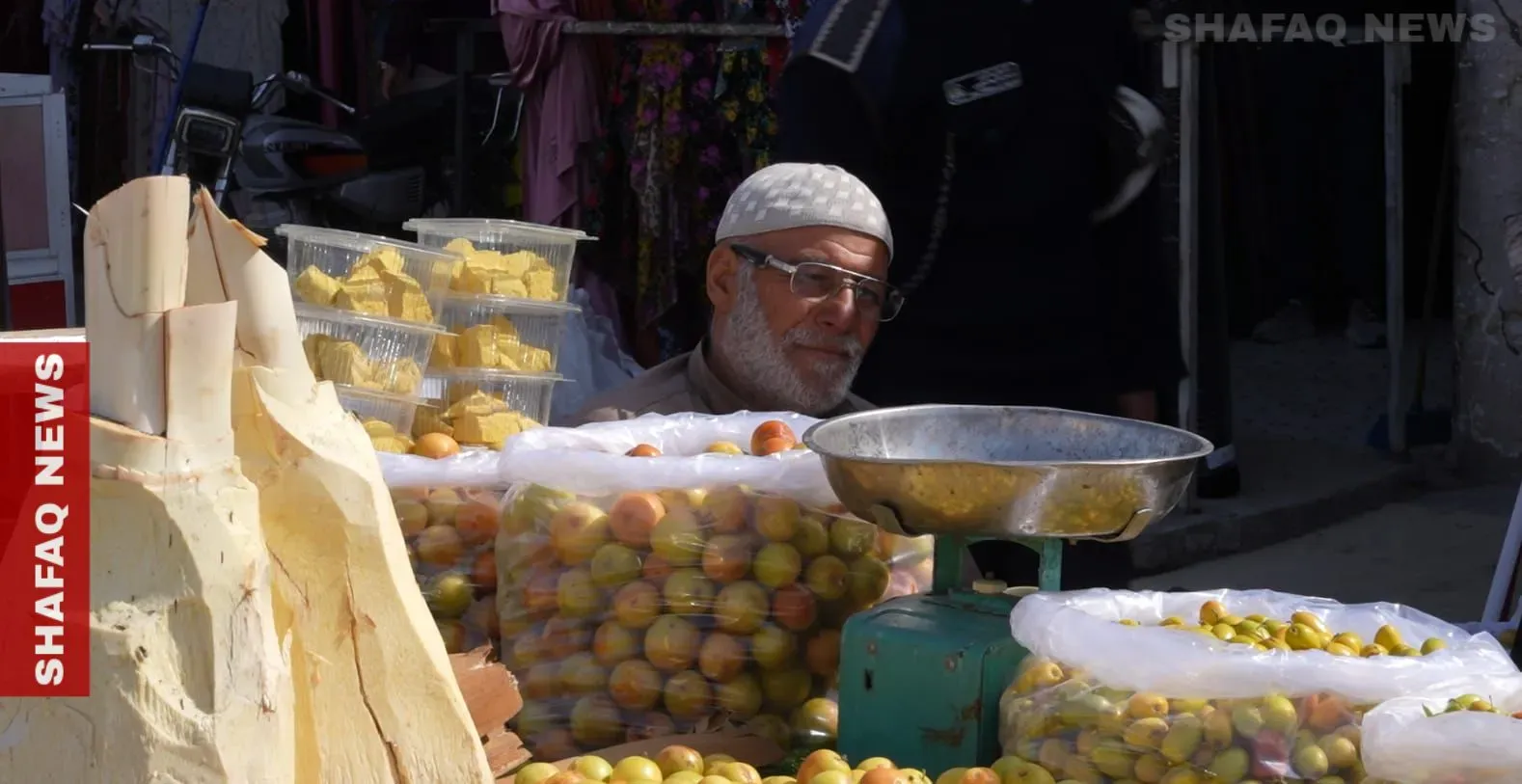
Abu Hassan told Shafaq News that the trade has been in his family since the 1990s, describing how it began with limited quantities before gradually expanding to supply other Iraqi provinces. He described Basra’s nabq as unmistakable in flavor and aroma, noting that experienced buyers can identify it “from a distance,” even before reaching the stall. Al-Ashar Market, he added, remains the main showcase for the fruit.
That distinctiveness, he said,
explains why visitors from Gulf countries regularly seek out Basra’s nabq
during their trips, purchasing it as a seasonal delicacy they struggle to find
elsewhere.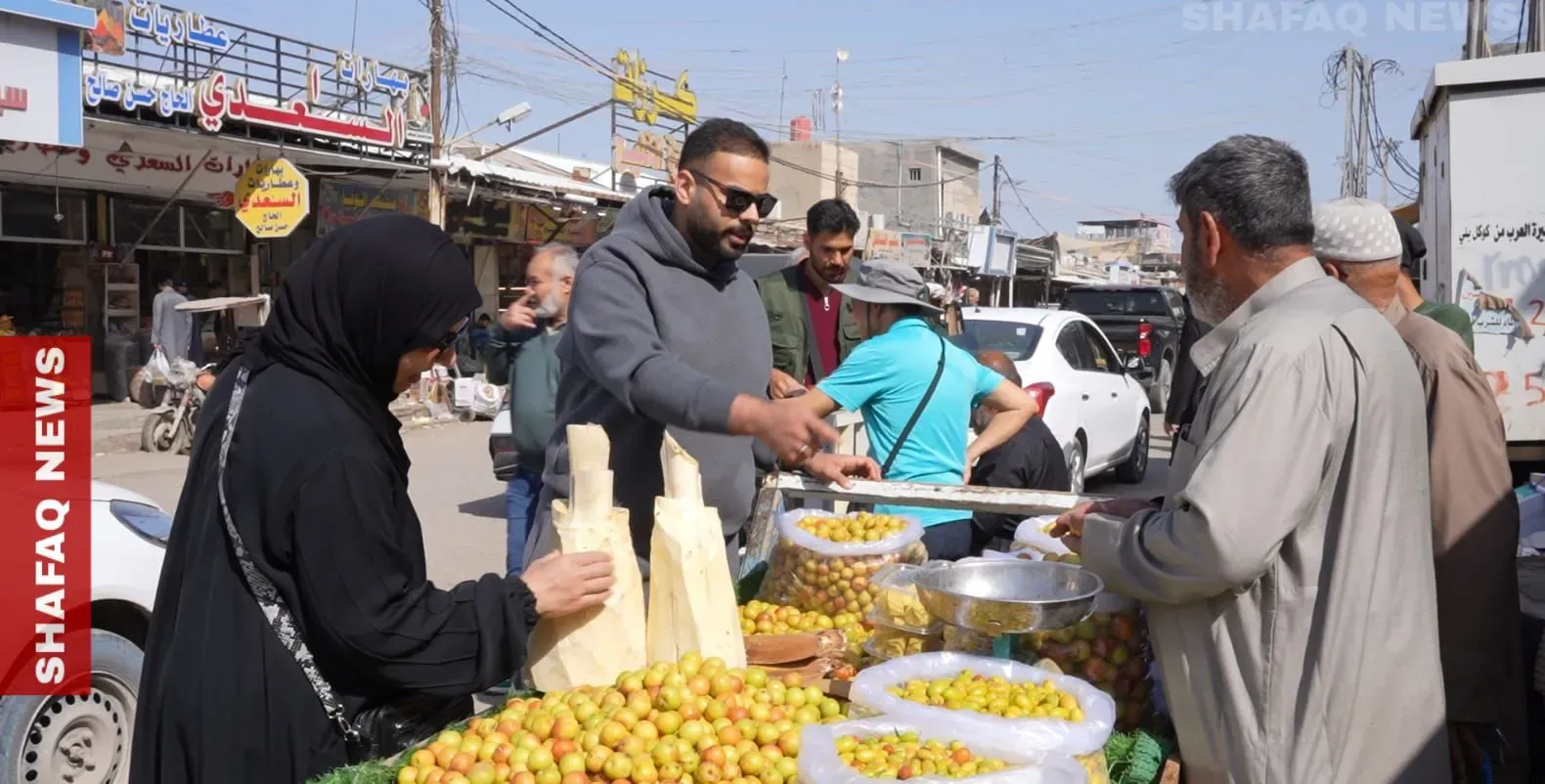
Yet the trade has not been untouched
by change. Abu Hassan described how prices have risen sharply over the years,
with the kilogram now selling for about 15,000 Iraqi dinars (approximately
$10), compared with roughly 2,000 dinars in the past. He attributed the
increase to declining cultivated areas, damage to orchards caused by rising
salinity and water shortages, and limited support for farmers —factors that
reduced production and increased marketing costs.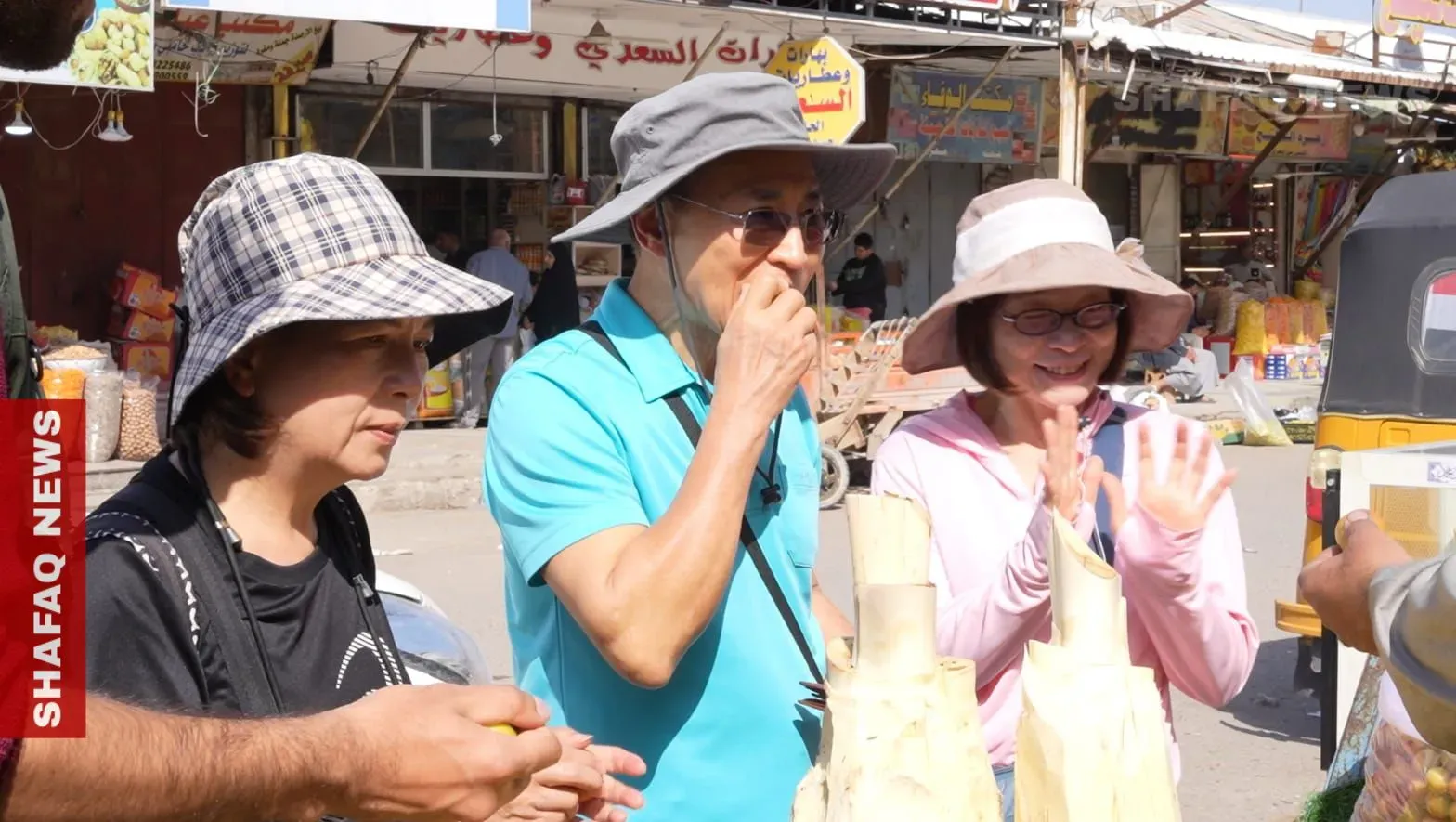
Despite these pressures, foreign
workers and shoppers of various nationalities continue to buy it in large
quantities. Sellers, Abu Hassan affirmed, welcome such visitors with the
hospitality long associated with Basra’s markets, a social custom that reflects
deep human ties and reinforces Al-Ashar Market’s role not only as a commercial
space, but as a living archive of the city’s economic and cultural identity.