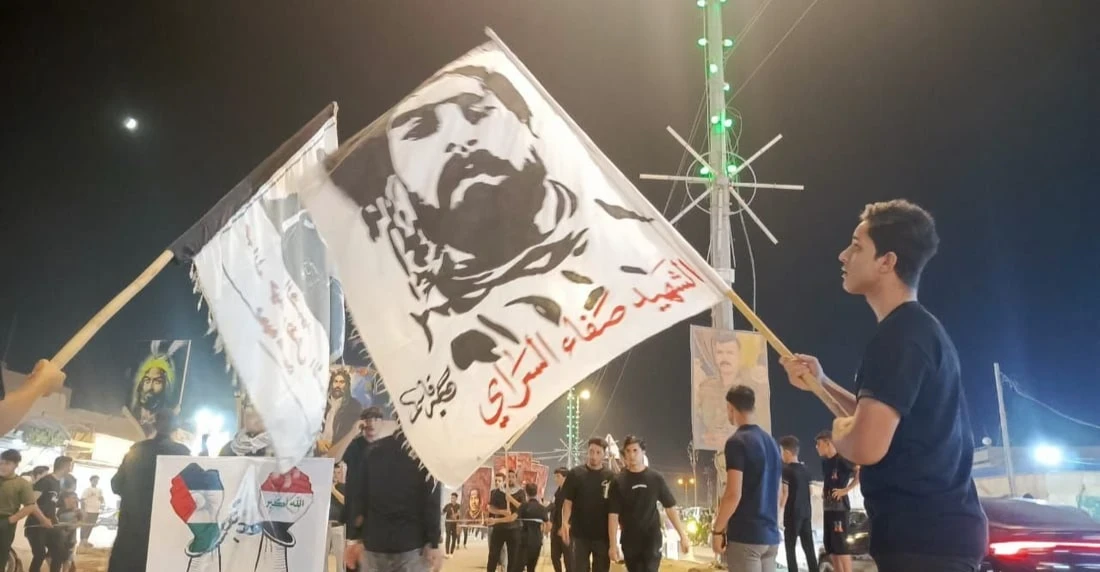
Shafaq News- Karbala
Iraq entered the final hours before Ashura on Wednesday with millions of pilgrims gathering in the holy city of Karbala, while authorities across the country launched one of their largest annual security and public service operations to accommodate the religious commemoration.
Ashura, observed on the 10th day of the Islamic month of Muharram, marks the killing of Imam Hussein ibn Ali, the grandson of the Prophet Muhammad, at the Battle of Karbala in 680 AD. The event is the most significant day of mourning for Shiite Muslims, who commemorate his death through religious processions, sermons, and mourning rituals.
Read more: Muharram in Iraq: New year becomes a season of mourning
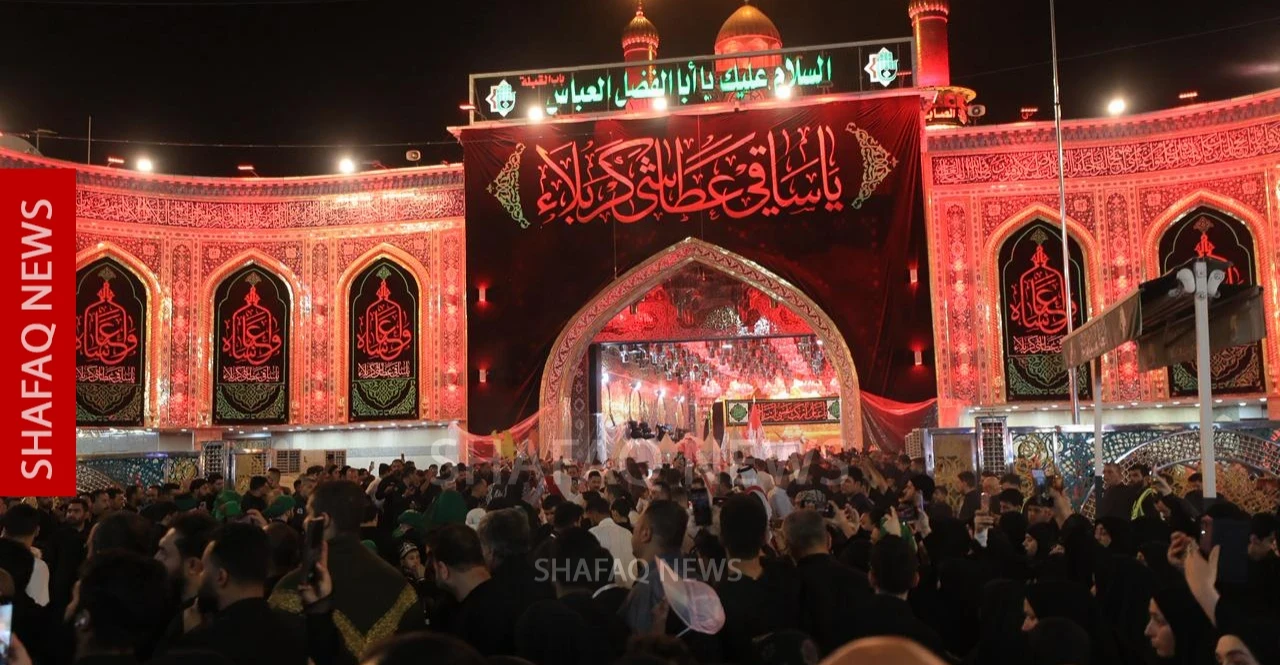
In Karbala, the broad plaza between the Imam Hussein and his brother Al-Abbas shrines filled with mourning processions arriving from across Iraq, as the sounds of traditional drums and elegies echoed through the city ahead of Thursday's peak ceremonies.
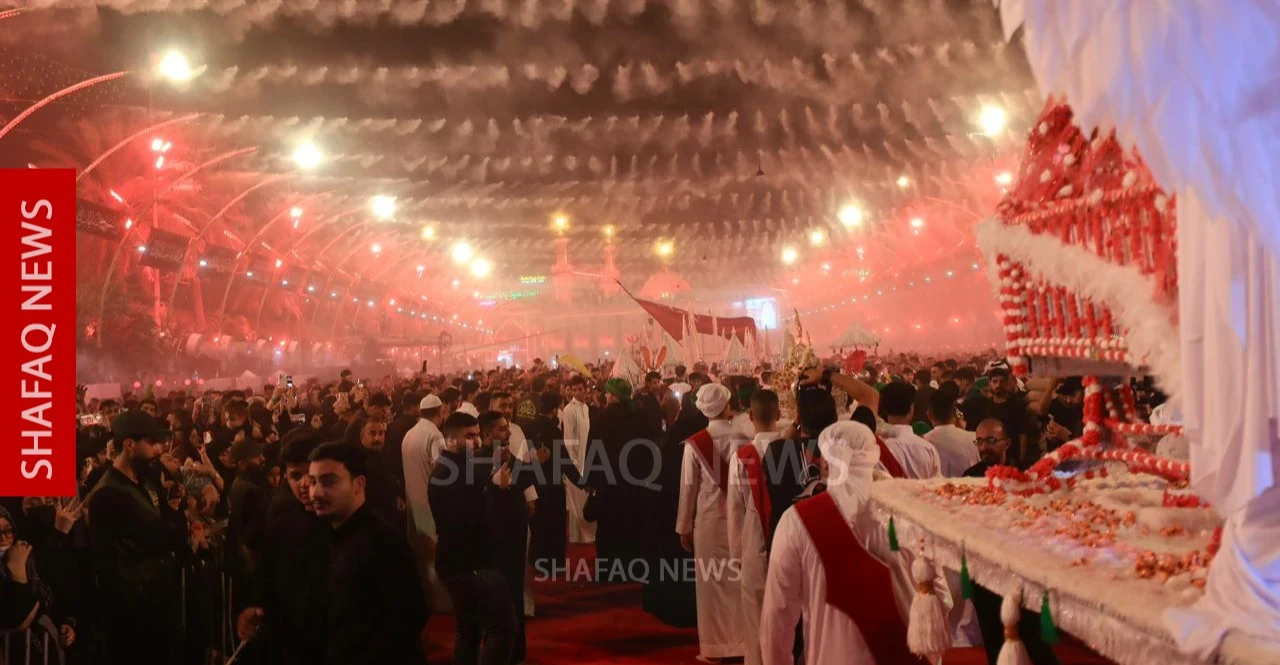
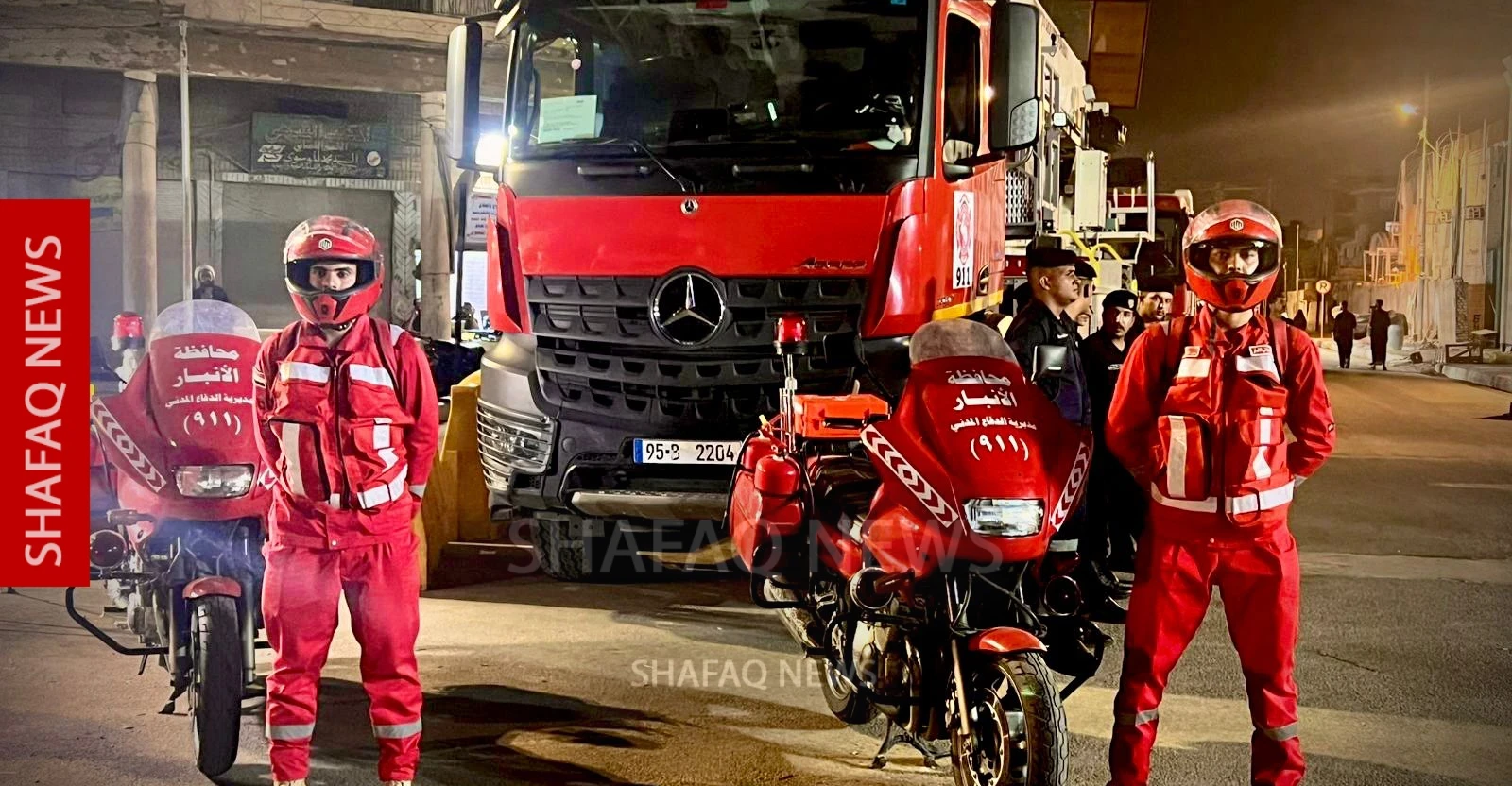
Authorities activated an extensive logistical plan to support the influx of visitors. The Health Directorate deployed 100 ambulances, eight public hospitals, five private hospitals, and five emergency medical centers dedicated to crowd medicine, while 55 inspection teams monitored food and beverage safety.
Read more: Karbala's call: Ashura's spiritual resonance and its surging economic tide
Municipal services also expanded operations, assigning more than 3,200 workers and 419 specialized vehicles to sanitation duties across 10 sectors of the city. Wastewater authorities said they had removed more than 3,500 tons of sediment from sewer networks and processed over 2.3 million cubic meters of wastewater during the first week of Muharram.
Fuel supplies for religious processions —known as mawakeb, volunteer groups that provide food, water, accommodation, and services to pilgrims— were also increased. Authorities distributed more than 209,000 liters of diesel, 104,000 liters of kerosene, and over 120,000 liquefied petroleum gas cylinders.
Ashura Beyond Karbala
In the southern city of Basra, around 5,000 members of Iraq's Pakistani community gathered at the Abu al-Fadhel al-Abbas procession, where religious lectures, mourning ceremonies, and commemorative events were held in Urdu.
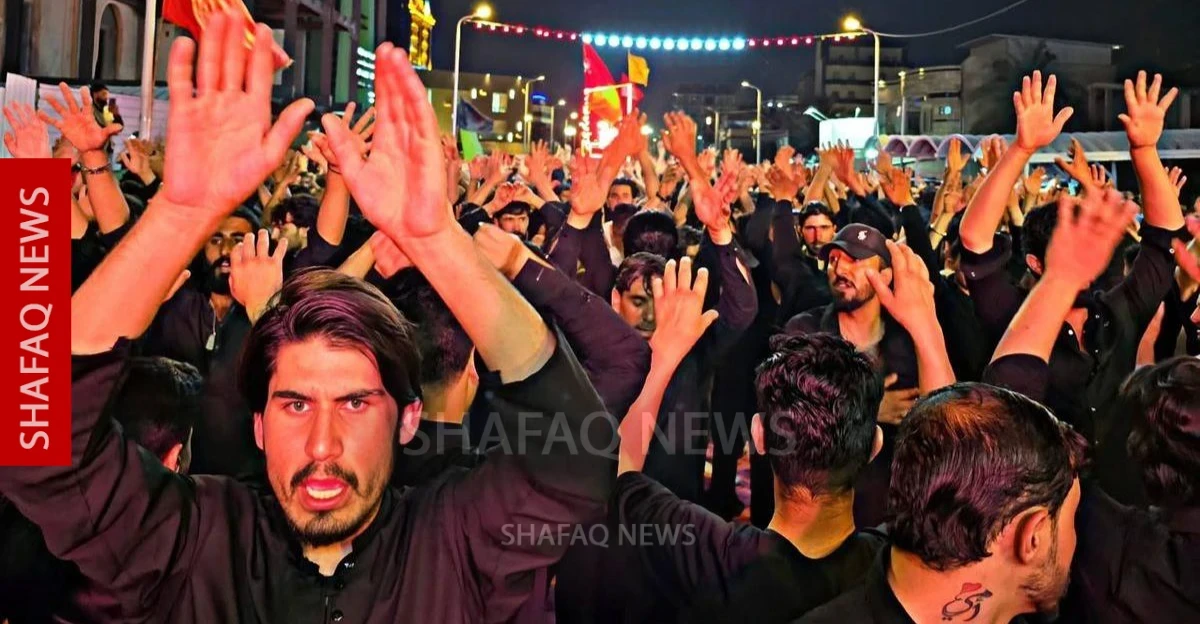
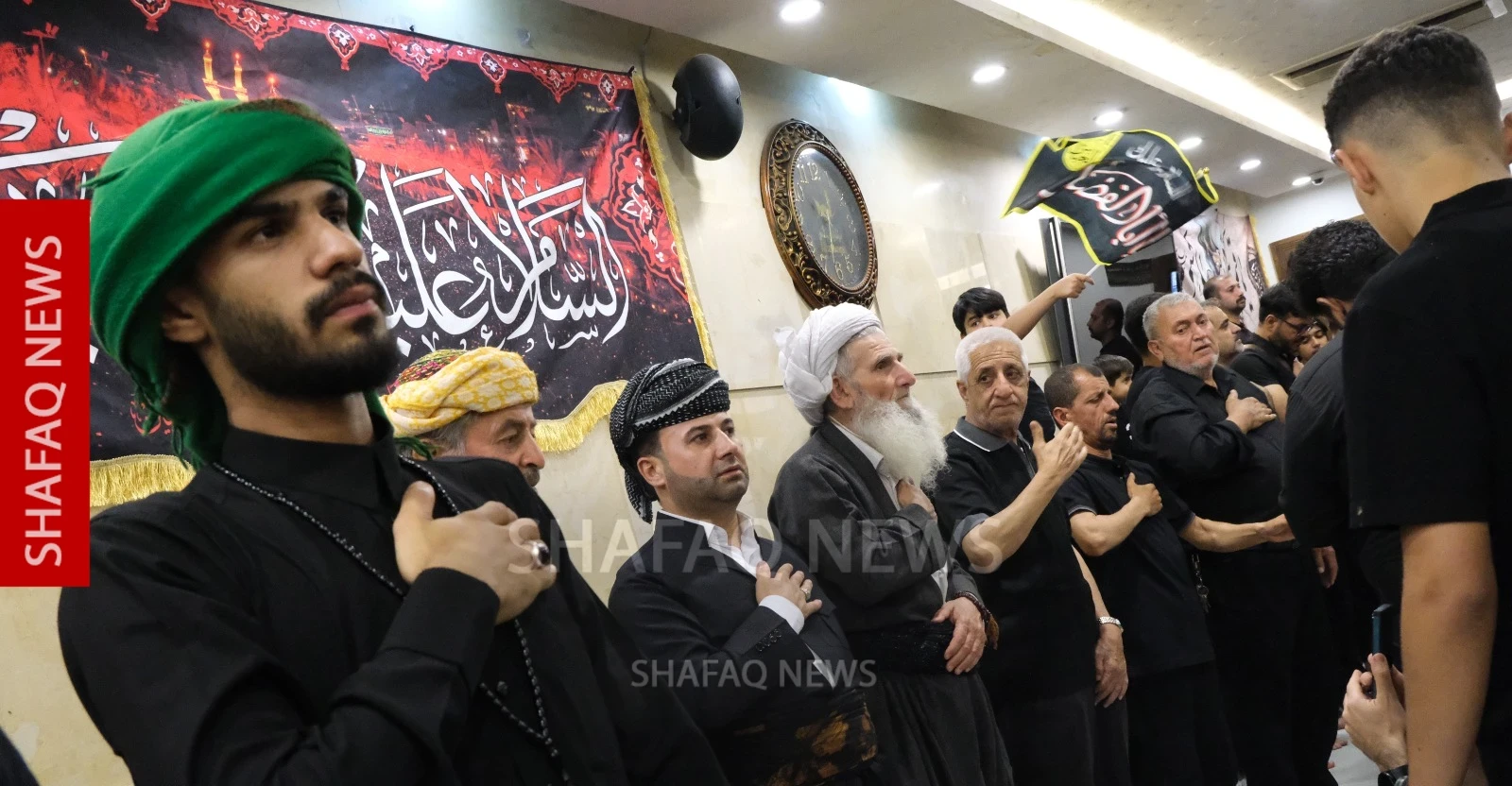
Further north in Erbil, the capital of the Kurdistan Region, worshippers gathered at Altun Mosque for an Ashura ceremony organized by the Imam Hussein Shrine in cooperation with the Kurdistan Regional Government's Ministry of Endowments and Religious Affairs.
Meanwhile, in Dhi Qar province, security forces prevented the "Tishreen Martyrs Procession" —a registered mourning procession named after protesters killed during Iraq's 2019 anti-government demonstrations— from joining the annual Ashura parade in Nasiriyah's Haboubi Square. A security source told Shafaq News the procession was barred because participants planned to carry photographs of those killed during the protests, despite organizers saying the group had been officially registered for more than five years.