Shafaq News- Kirkuk
A yellow car is parked outside a row of shops in old Kirkuk. On a lower shelf, a green dome rises above a ring of arches, while tiny figures lean from balconies and a horse-drawn cart waits at the foot of a staircase. The whole city fits on the shelves of Adel Haji Bakr's workshop.
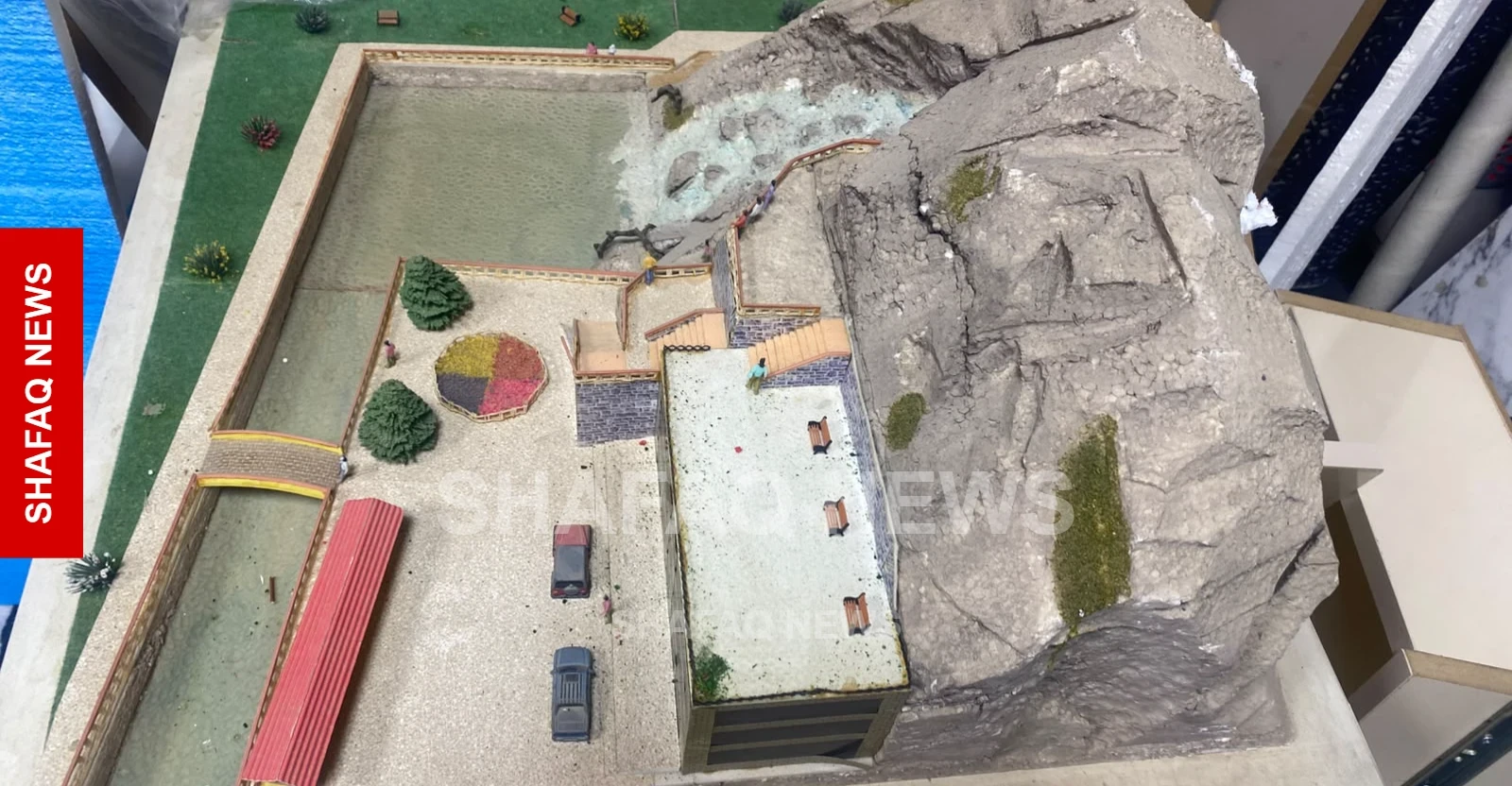
A Kurdish artist who teaches technical subjects, Haji Bakr creates three-dimensional miniature scenes, known as dioramas, to preserve the architecture of his northern Iraqi city and document the history of the communities that shaped it.
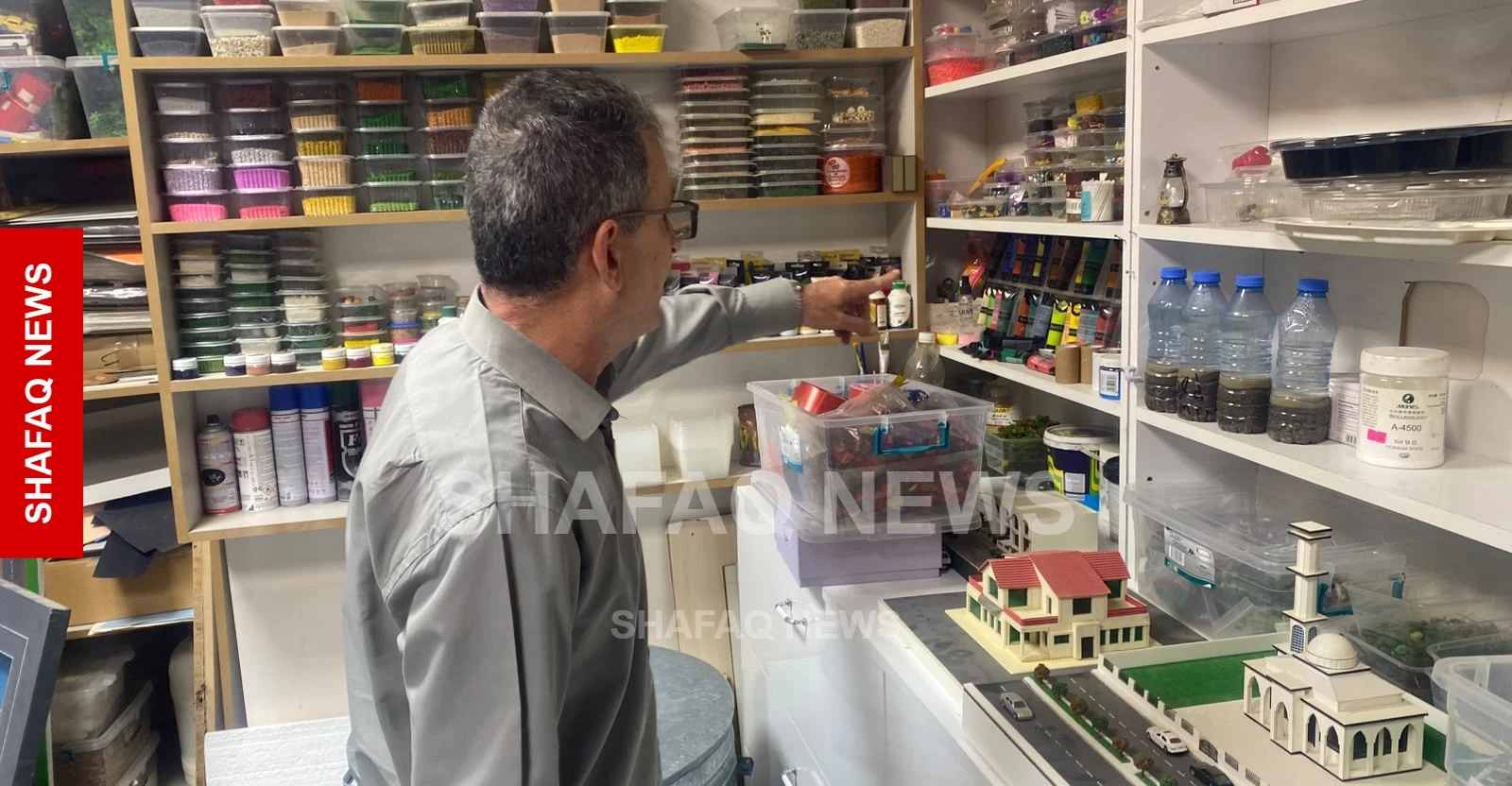
He started the project alone, without outside support, out of love for Kirkuk and a desire to protect its identity, he told Shafaq News. So far, he has made 35 models of historic landmarks and says the city has hundreds more worth documenting.
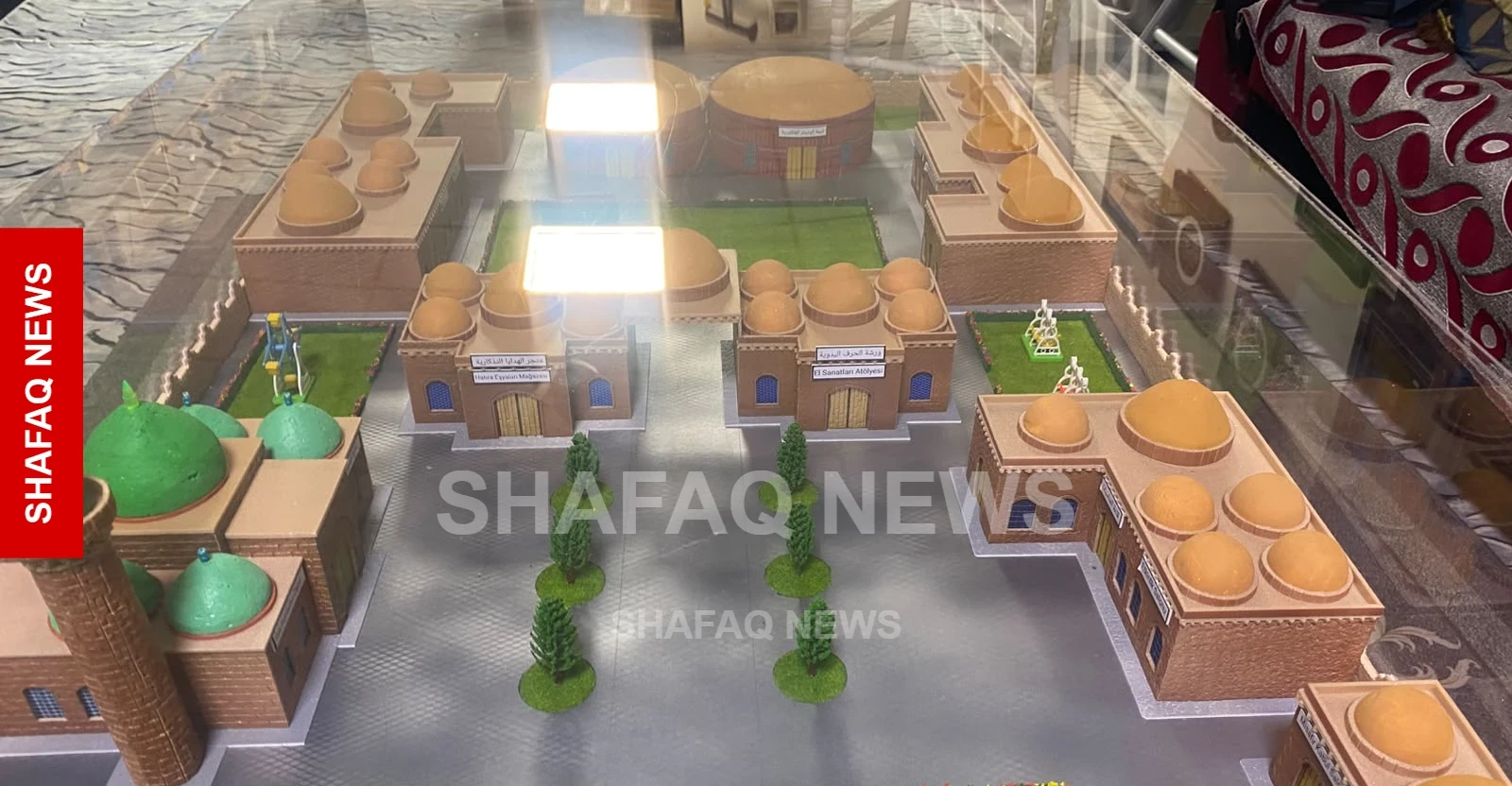
"My one aim is to revive Kirkuk's heritage, which is beginning to disappear," he said. "Many countries make an effort to preserve their monuments and document their history. Here, we see interest in our monuments declining, even though Iraq, and Kirkuk in particular, is rich in historic landmarks and the heritage of many civilizations."
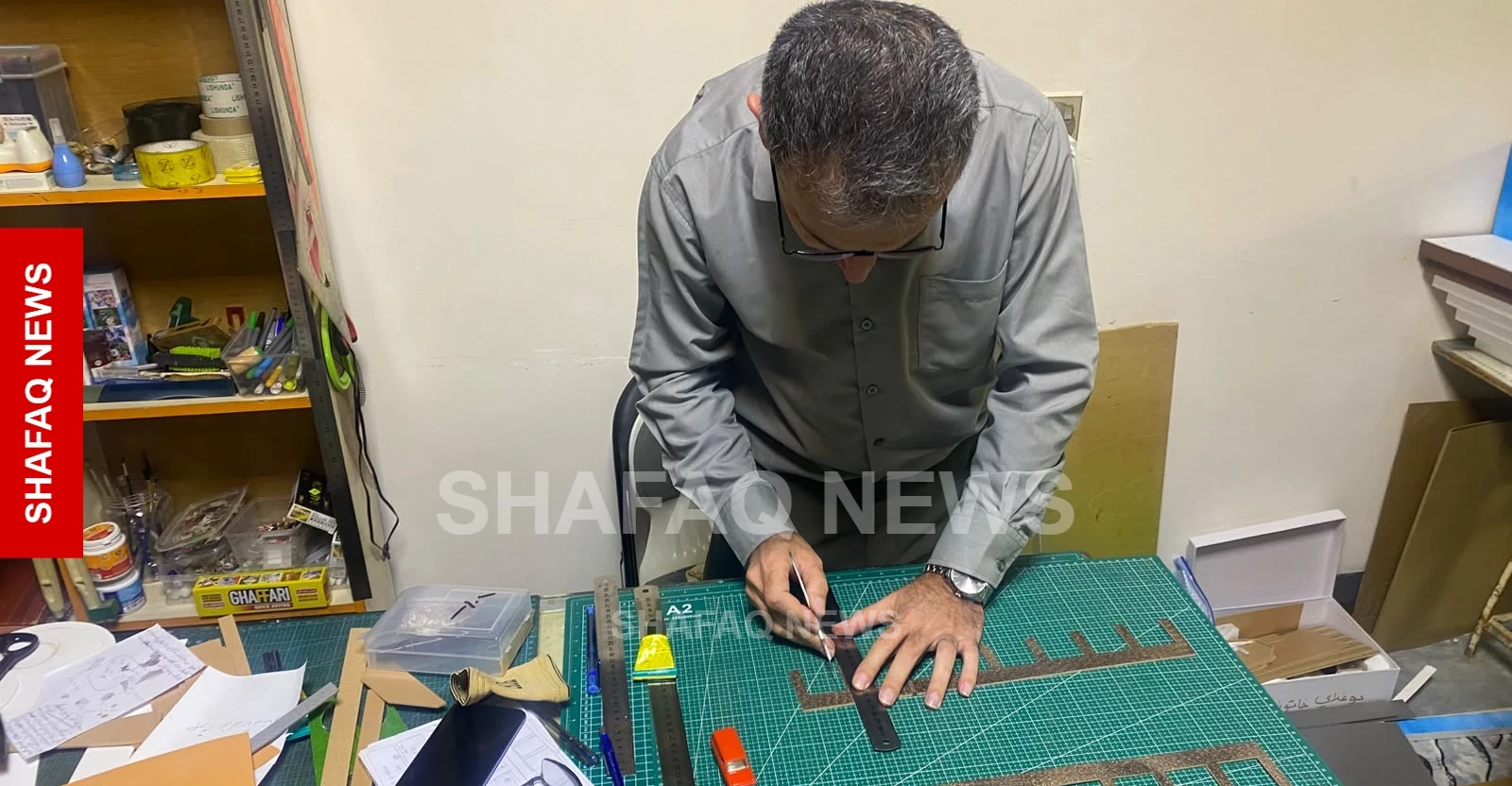
Haji Bakr teaches three days a week. On his workshop days, he often starts at 8:00 a.m. and keeps going until midnight, holding a metal ruler against narrow strips on a green cutting mat as he cuts out rows of tiny windows.
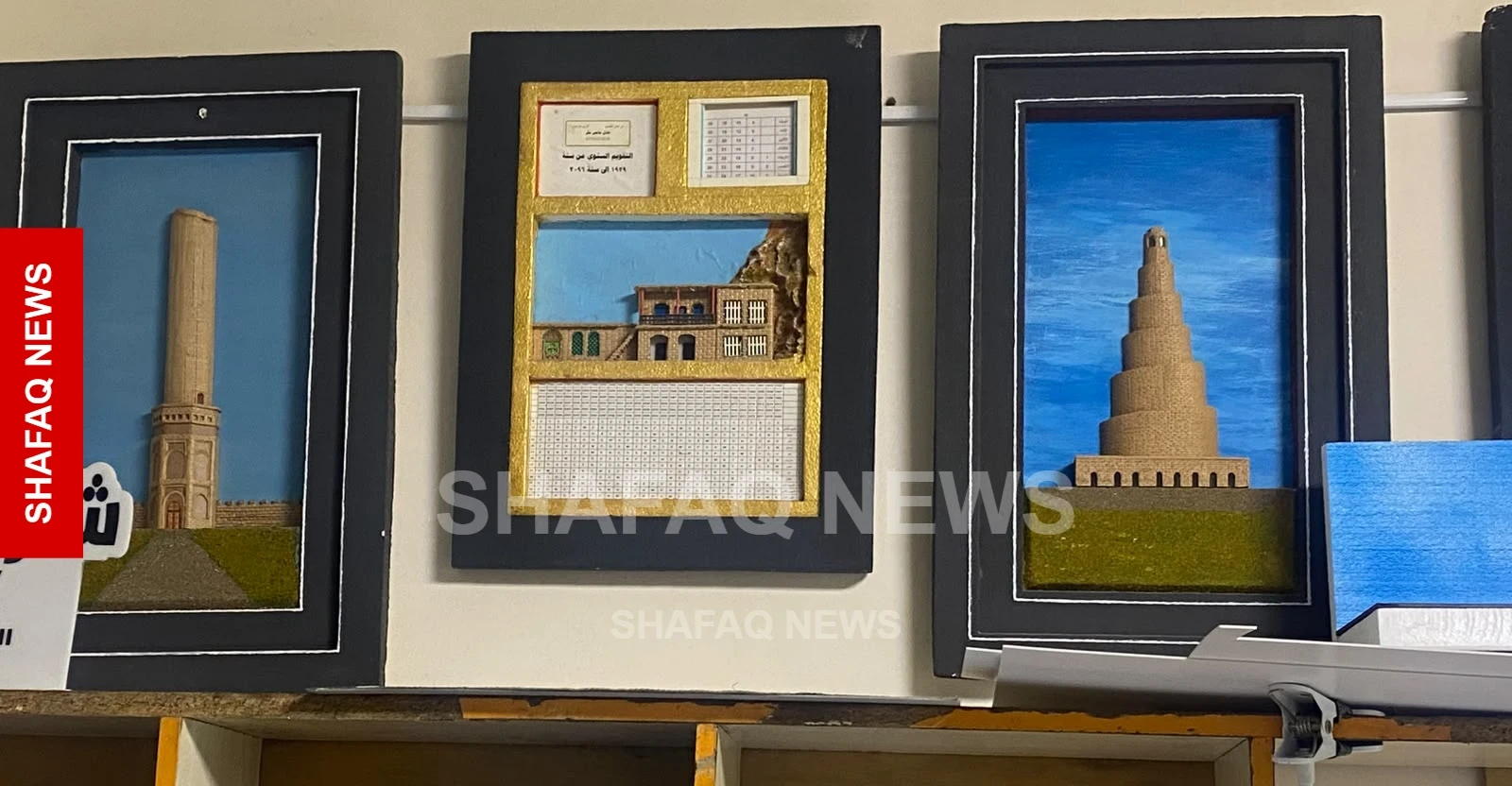
He works mainly with foam and cork, uses high-quality paints to bring out fine details, fills the streets with miniature cars and figures, and makes clear display cases from acrylic sheets. Some materials are expensive and others hard to find, so he brings supplies from Erbil when Kirkuk runs short.
Although Haji Bakr began the project for cultural rather than commercial reasons, growing public interest in his work has provided an additional source of income for his family.
Parts of Kirkuk's architectural heritage have already been lost. In a 2021 submission to UNESCO's World Heritage Tentative List, Iraq described houses in the city's citadel featuring ornamental plasterwork, arches, and ceilings resting on marble columns, many of which, it said, were demolished under the former regime.
Read more: Kirkuk's Archaeological Citadel: Neglect awaiting government funding
Through his miniature houses, figures, and landmarks, Haji Bakr seeks to preserve the shared heritage of Kirkuk's diverse ethnic and religious communities. "I don't see ethnic or religious differences as boundaries separating the people of this city. This heritage belongs to all its people, Arabs, Kurds, Turkmen, and Christians."
Read more: Iraq’s Kirkuk launches major plan to protect its ancient heritage