Shafaq News- Al-Anbar
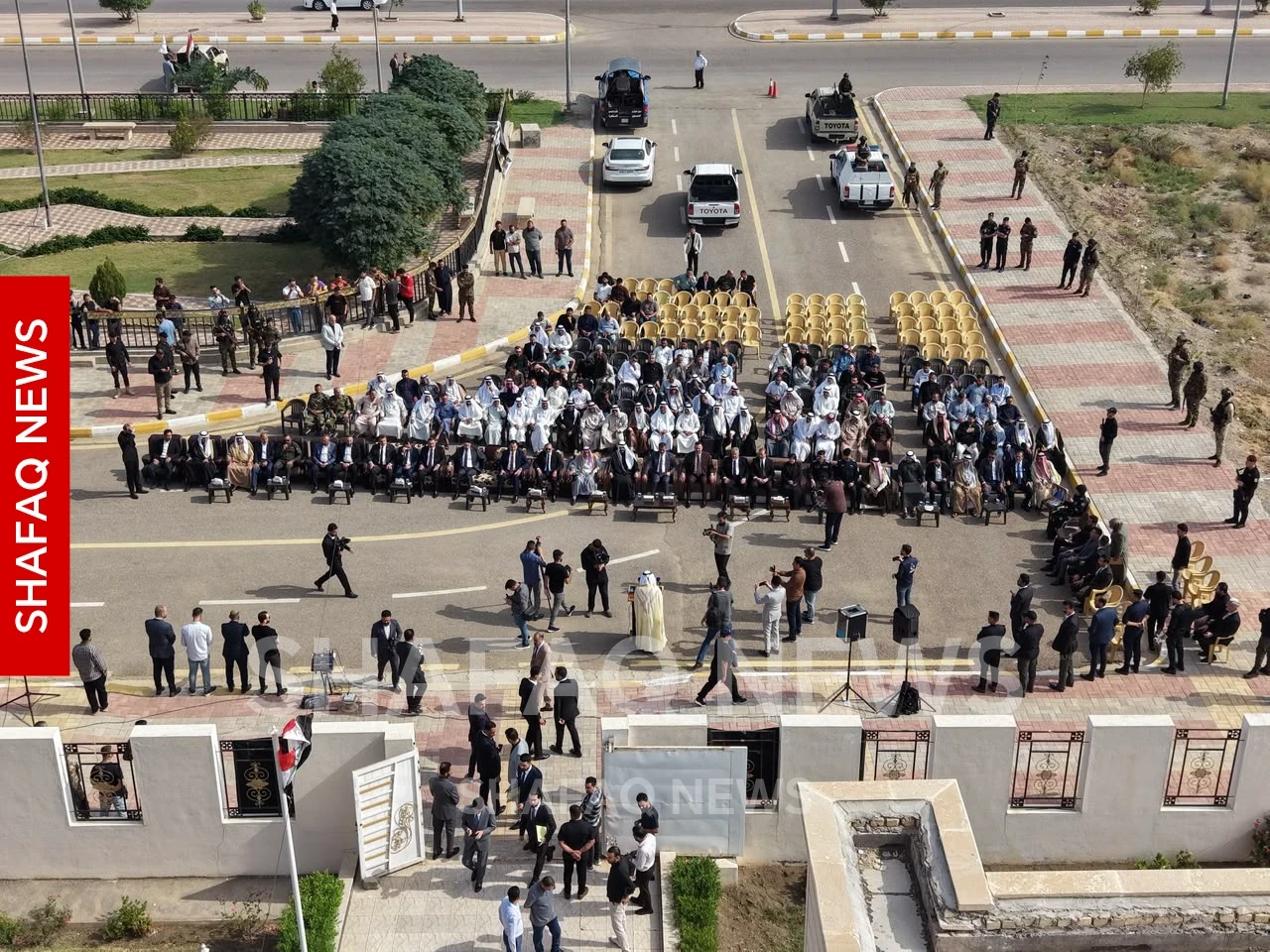
Members of Iraq’s Albu Nimr tribe, a Sunni Arab clan targeted by ISIS for resisting the group in the western province of Al-Anbar, marked the 12th anniversary of the massacre of hundreds of their relatives on Wednesday, renewing calls for compensation and a memorial honoring the victims.
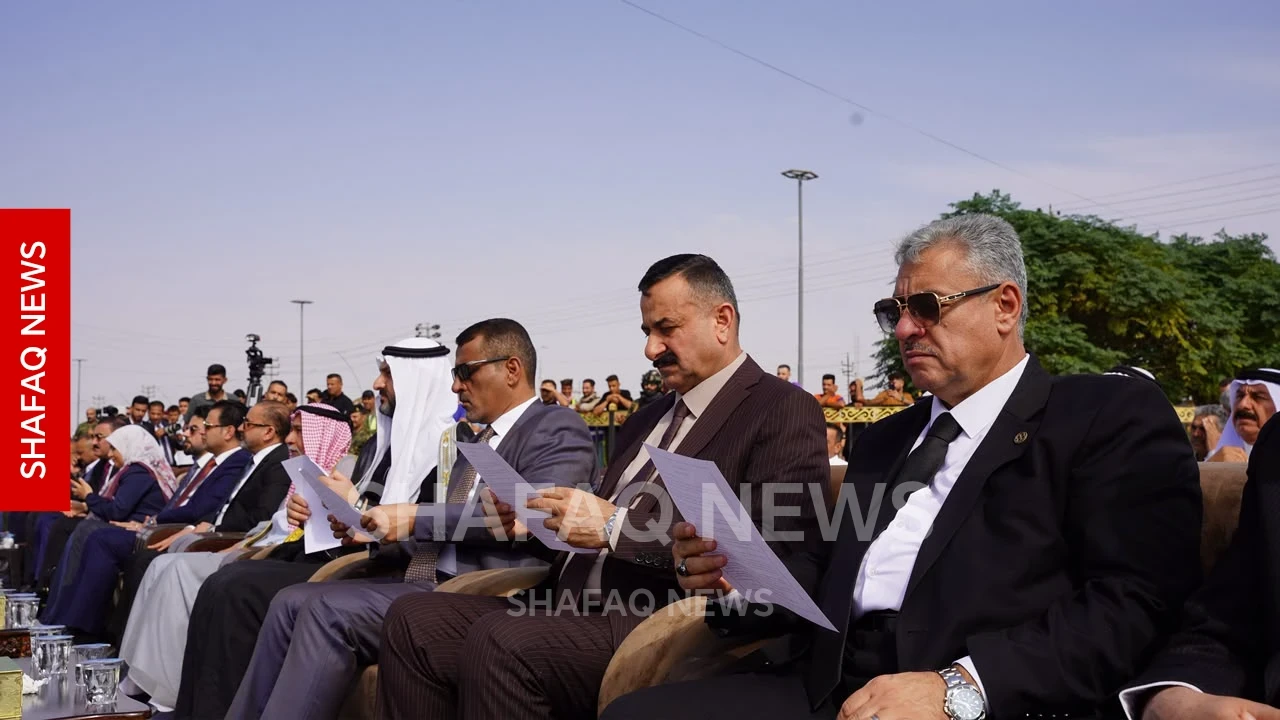
The commemoration took place in Al-Furat subdistrict of Hit, attended by Al-Anbar’s first deputy governor, provincial council members, local officials, tribal leaders, and victims’ families. Tribal leader Sheikh Samir Al-Dulaimi told Shafaq News that many families were still awaiting compensation and other financial entitlements, urging authorities to settle outstanding payments and provide support for living expenses and social welfare.
Civil activist Youssef Saad emphasized the importance of documenting the massacre and preserving the victims’ names and stories for future generations. Speaking to Shafaq News, he called on authorities to move beyond annual commemorations by taking concrete steps to secure families’ rights and pursue justice.
Participants also pressed for the resumption of suspended payments and the construction of a memorial to those killed.
Read more: Remains of 2014 ISIS victims returned to families
The 2014 Massacre
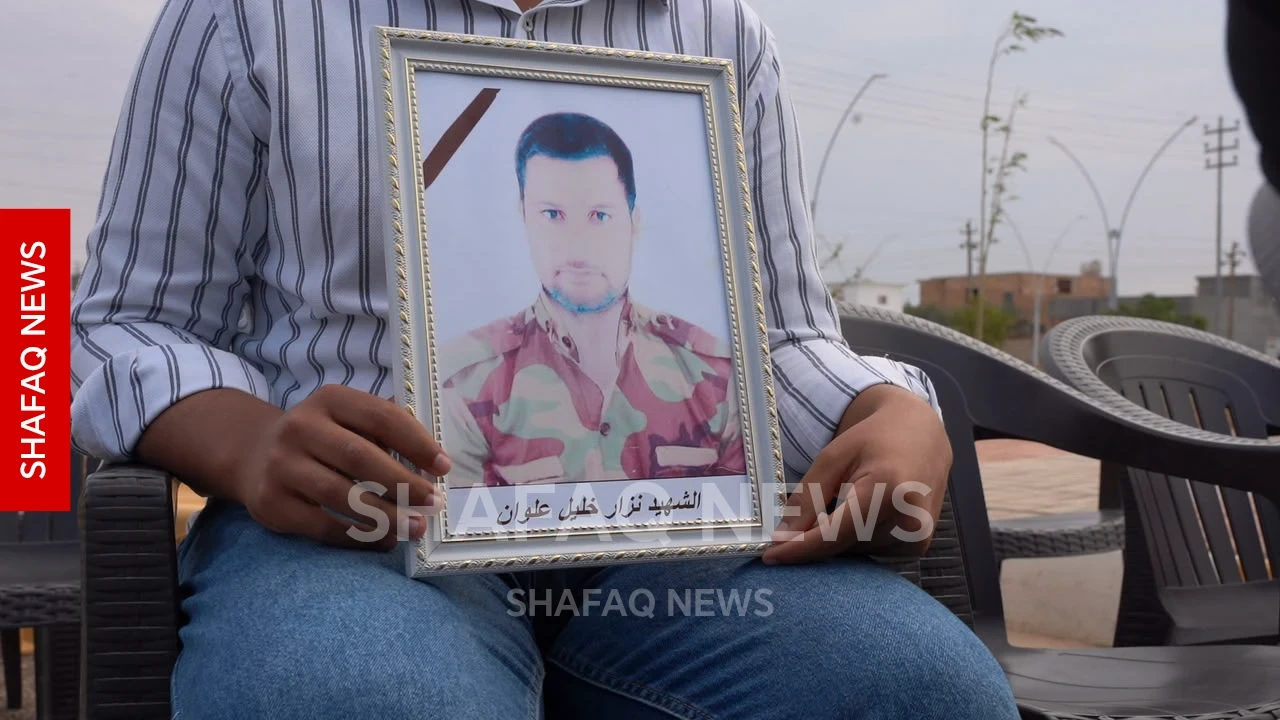
ISIS carried out mass executions of Albu Nimr members in late 2014 after overrunning their areas in Al-Anbar, targeting the tribe for resisting its advance and supporting Iraqi security forces and the Sunni tribal Awakening, or Sahwa —forces that emerged from 2006 onward, when local tribes, especially in Al-Anbar, turned against Al-Qaeda in Iraq and later opposed ISIS.
A March 2015 UN investigation said at least 602 Albu Nimr members were allegedly killed in six incidents between September 2014 and January 2015. A September 2024 assessment by the UN Investigative Team to Promote Accountability for Crimes Committed by Da’esh/ISIL (UNITAD) cited tribal representatives who estimated that around 1,200 members, including women and children, had been killed or disappeared during the broader ISIS campaign.
The killings occurred at several locations between Hit, Ramadi, Lake Tharthar, and Haditha, with some victims’ bodies dumped into wells. A February 2026 article published by Iraq’s Supreme Judicial Council also described victims being beheaded.