Shafaq News- Baghdad
Iraq has launched its first smart waste collection system, with Karbala province rolling it out in 17 areas as part of efforts to modernize waste management and reduce pollution and carbon emissions.
The system, introduced on Saturday by the National Investment Authority in cooperation with the Ministry of Environment and the Spanish Embassy in Baghdad, uses an underground network to move waste directly from residential units to transfer stations.
The project was developed with technical support from Al-Maher Economic Group and representatives of Spanish company URD.
Salar Mohammed Amin, deputy head of the National Investment Authority, called the move "an important milestone in the move toward smarter, cleaner and more sustainable Iraqi cities."
Speaking at the launch conference, he underscored that the system goes beyond introducing new technology to waste management, describing it as a project that requires cooperation among government institutions, investors and the private sector.
He linked the system to efforts to improve environmental conditions, raise service standards and make cities and residential complexes more efficient.
The National Investment Authority helped secure official approvals for the system's use in new cities and investment housing complexes, in coordination with the Ministry of Environment. A committee representing relevant government bodies is also overseeing implementation and addressing technical and operational requirements.
The Ministry of Environment, in turn, helped establish the system's requirements and standards and is part of the committee overseeing its implementation, ensuring that the project meets environmental requirements and sustainability goals.
"Investment is not limited to constructing buildings,
but extends to building sustainable cities that provide a better life for
citizens," Amin said.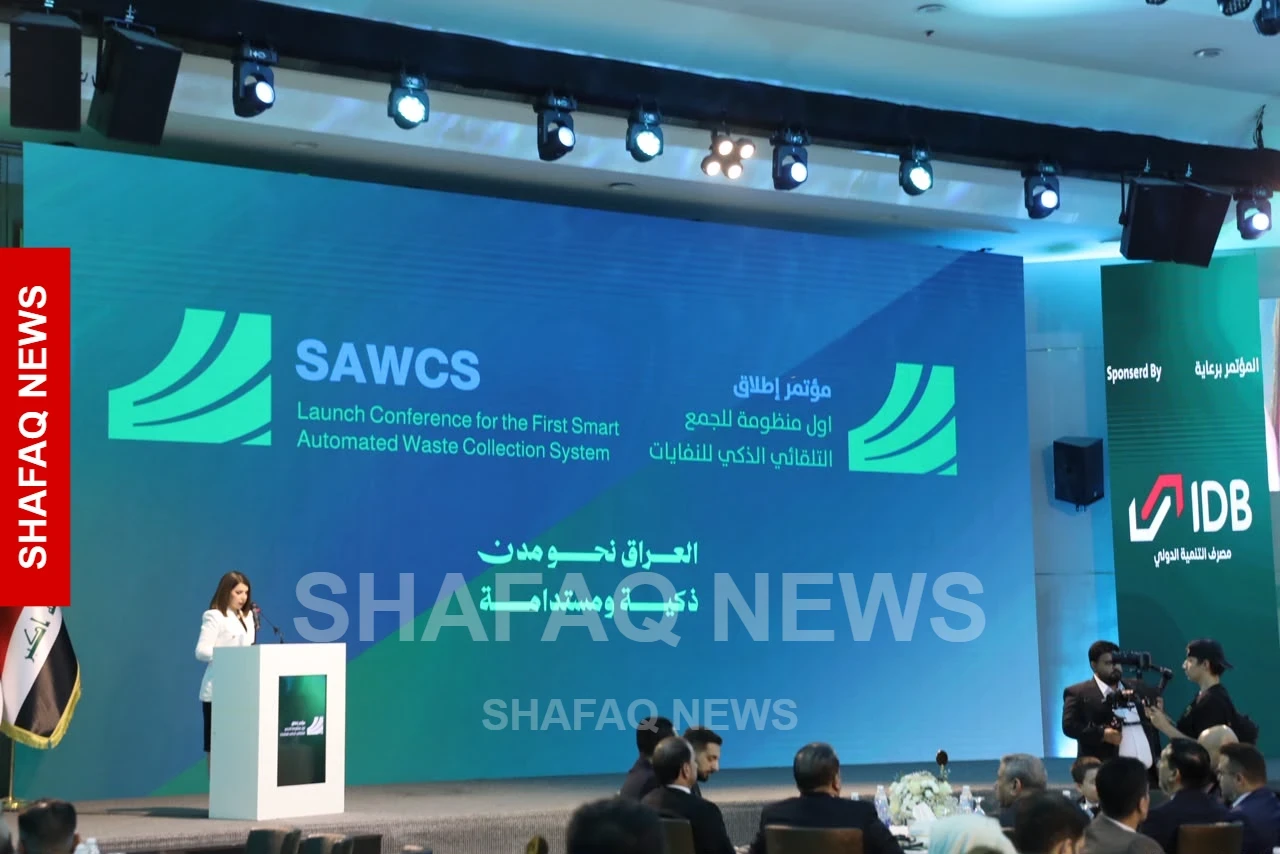
Read more: Baghdad drowning in waste: A growing environmental and economic crisis
Mona Sabah Al-Jabri, a consultant to the National Investment Authority, told Shafaq News that residents would dispose of their waste through designated openings inside their homes. The waste would then travel through underground pipes to a transfer station.
There, it would be sorted by type, with recyclable materials sent to recycling facilities and other waste processed at plants where it can be used to generate energy.
"The first phase also includes efforts to educate residents about separating waste at the source," Al-Jabri said, calling the practice in Iraq "weak, limited and not present at the required level."
Maher Al-Zubaidi, head of the Al-Etimad (Al-Imaar) Economic Group, linked the project to efforts to reduce air pollution and carbon emissions.
"The underground system would reduce reliance on waste
collection trucks and containers, cutting the emissions generated by their
movement and operation," he told Shafaq News, adding that Karbala has
approved the system for 17 areas while expressing hope that other Iraqi
provinces would adopt the project.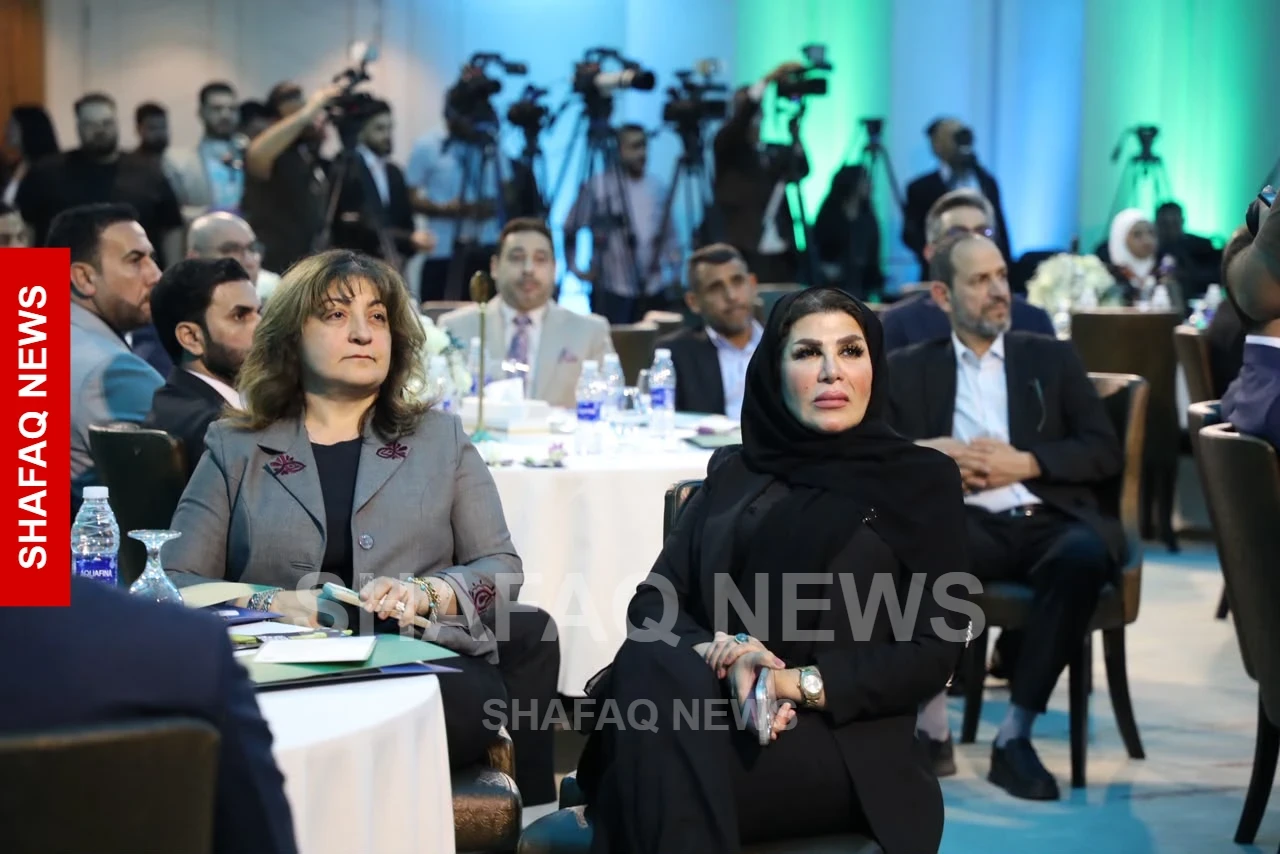
Meanwhile, Karbala Governor Nassif Jassim Al-Khattabi said the system would become part of the city's new smart-city project, pointing to the province's recent progress in treating waste without allowing it to reach rivers.
The province is also working to expand green spaces and introduce smarter methods of waste collection, the governor said, highlighting that Karbala faces a particularly heavy waste-management burden during the annual Arbaeen pilgrimage, when the province removes more than 750,000 tons of waste.