Shafaq News- Babil
With the Islamic month of Muharram drawing near, the Blacksmiths' Market —known locally as Souq al-Haddadin— in the city of Hilla of Babil Province has entered its busiest season, with workshops and shops working to meet demand for Husseini procession supplies, sustaining a craft tradition tied to Shia religious observance for generations.
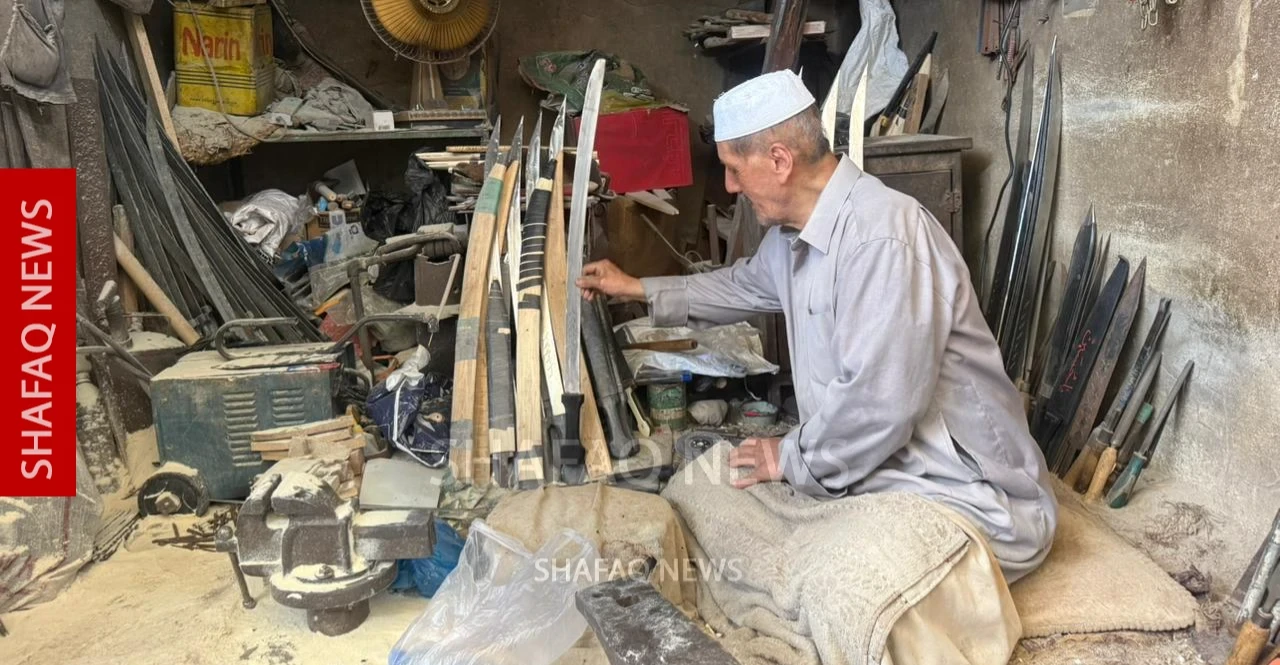
Among the market's oldest practitioners is Safi al-Mousawi, known as Abu Nasr, 72, who has spent more than four decades crafting swords and ceremonial staffs known as qamat. His workshop represents one of the most enduring examples of a trade that has defined Hilla's artisanal identity and its relationship to religious ceremony.
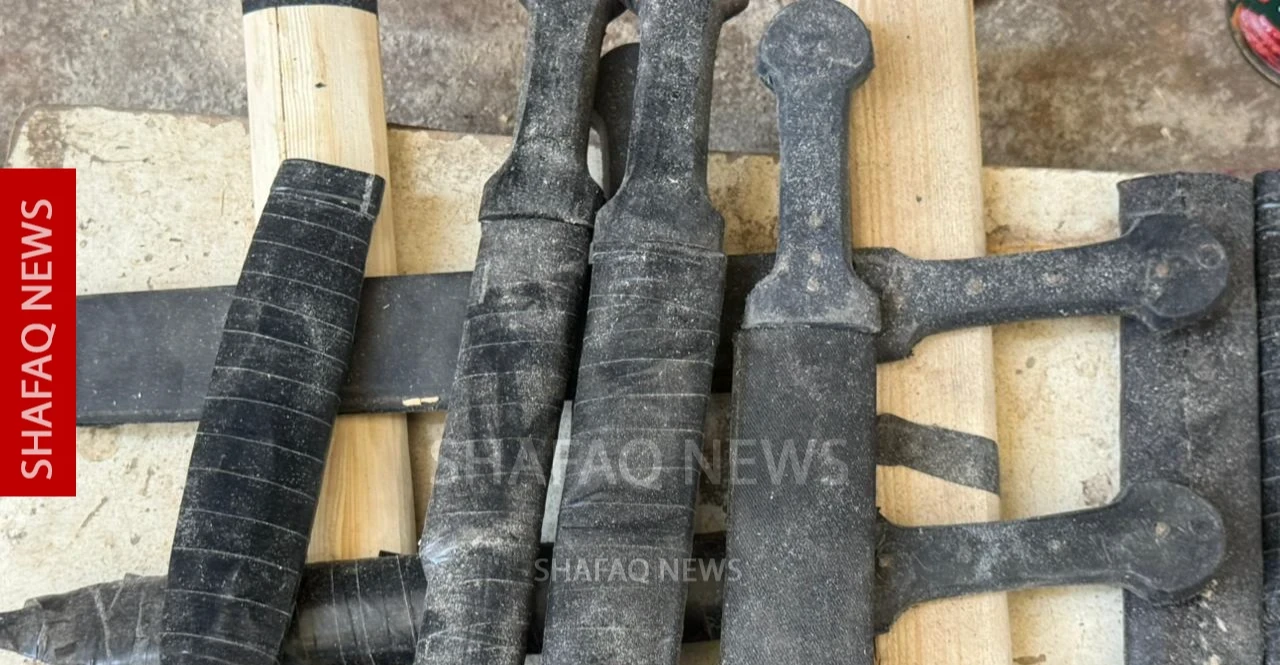
Across the market, production of dammam drums, ceremonial banners, and zanjeer chains —instruments used in some Husseini processions— is running at full pace alongside supplies of cooking materials and ceremonial garments used in the rituals.
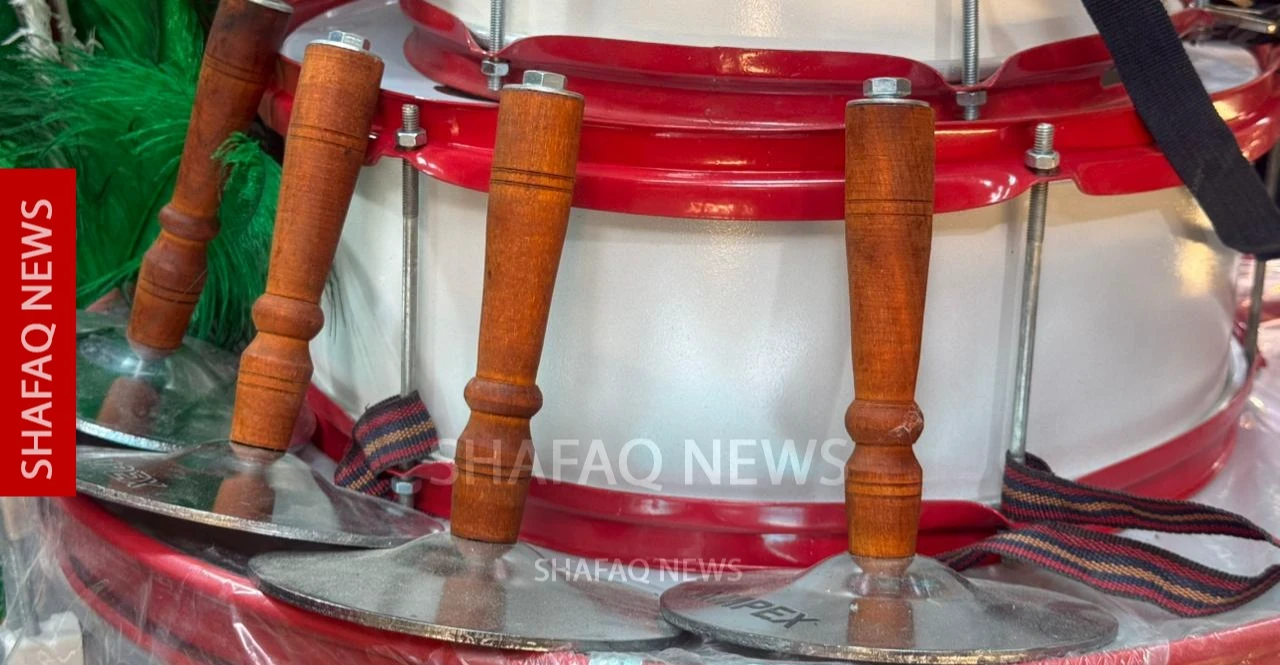
Several shop owners told Shafaq News that increased competition from cheaper foreign products has reduced demand for handmade local items in recent years, with price remaining the primary factor driving buyers toward imports.
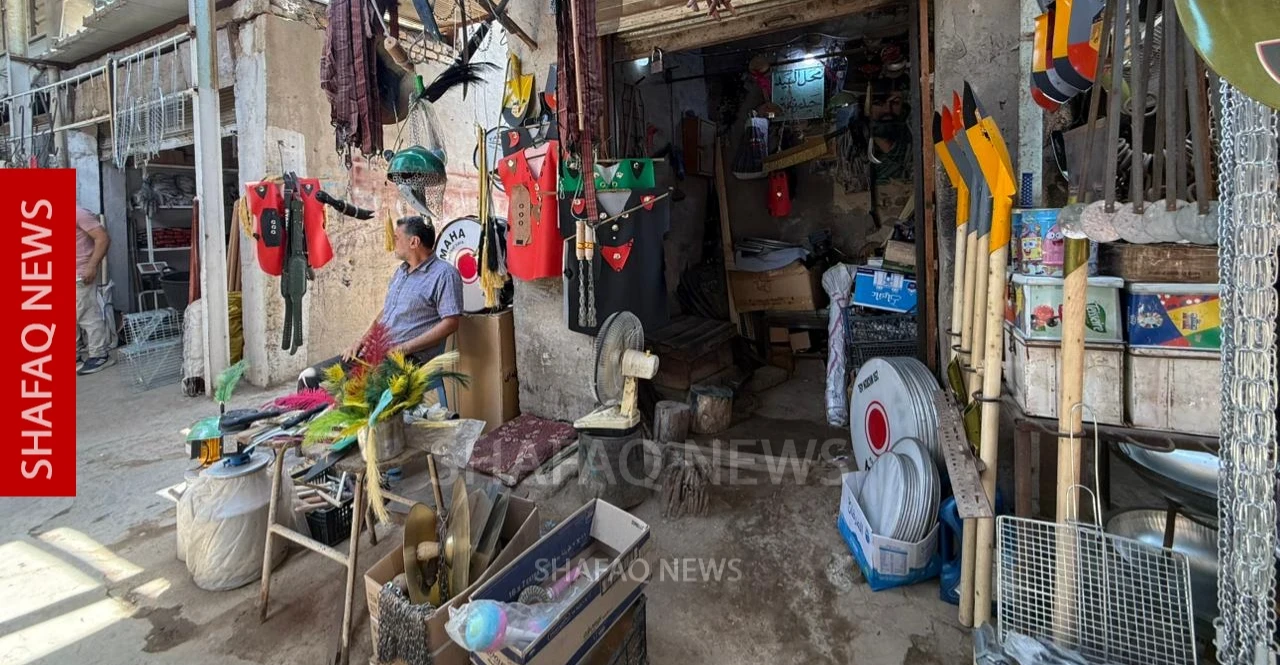
Local craftsmanship retains a loyal customer base nonetheless. Many buyers continue to seek out Hilla-made goods for their durability and for the traditional character long associated with Souq al-Haddadin, qualities that imported alternatives have not displaced.
Read more: Karbala's call: Ashura's spiritual resonance and its surging economic tide