Shafaq News- Al-Anbar
A growing number of vulnerable Iraqi families are turning to social media and informal aid networks as rising medical costs and limited institutional support widen gaps in access to urgent care, pushing grassroots initiatives into a central role in humanitarian response.
Civil and human rights activist Suleiman al-Kubaisi has been active in this field since 2017, documenting cases of poor families, orphans, widows, and people with disabilities, connecting them with donors through fieldwork and digital outreach.
“Social media platforms have become the main infrastructure for this form of aid, functioning as both a space to document need and a mechanism to mobilize donations,” he told Shafaq News, clarifying that the process typically begins on the ground, through home visits or direct messages from families in need.
Cases are then verified and circulated online before being turned into fundraising appeals designed to secure treatment costs, surgeries, or basic living expenses.
Over the years, his initiatives have contributed to the distribution of more than 800 electric and manual wheelchairs across Al-Anbar, Nineveh, Baghdad, Diyala, Saladin, Kirkuk, Basra, Dhi Qar, and Al-Qadisiyah. Hundreds of surgical procedures for critically ill patients have also been supported through the same network.
Read more: Iraq's fee-for-service crisis: Citizens pay more while receiving less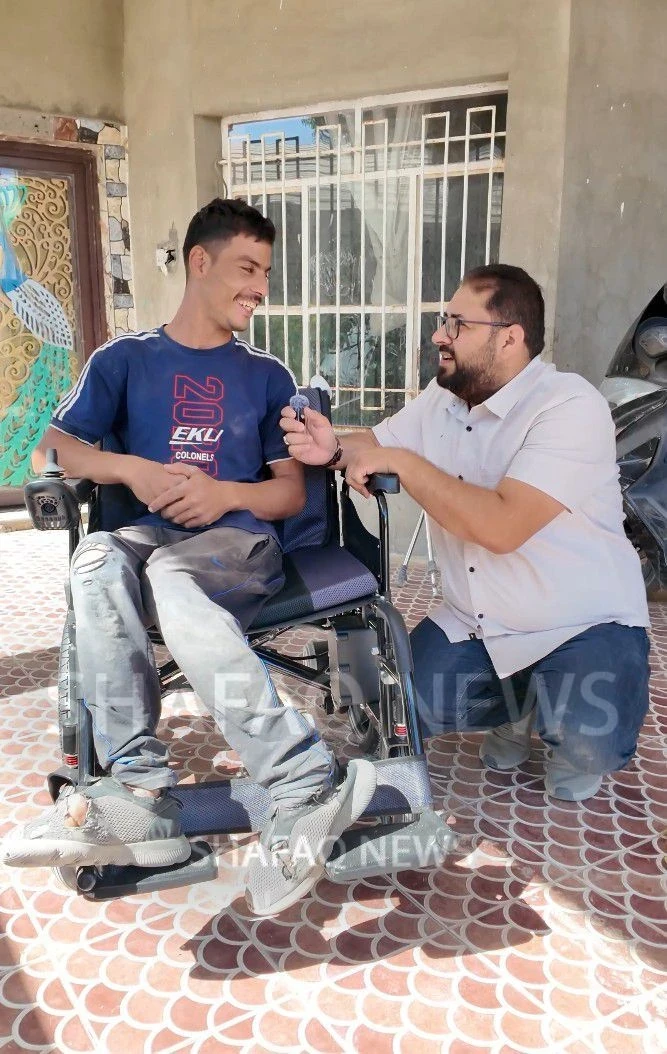
Beyond medical assistance, the work includes monthly food distributions, sponsorship of struggling families, and housing renovation and reconstruction projects for displaced and low-income households.
“Funding remains largely dependent on individual donations within Iraq and online crowdfunding campaigns,” he remarked, citing that in some cases, support came from Iraqi officials or political entities.
Medical expenses, however, often exceed what can be raised. In several cases, fundraising campaigns fall short, resulting in delayed treatment or incomplete coverage, particularly for complex surgical procedures.
“There are
cases where fundraising does not cover the full cost,” al-Kubaisi explained,
describing situations where patients are left waiting for additional support or
forced to postpone care, leaving families in prolonged uncertainty.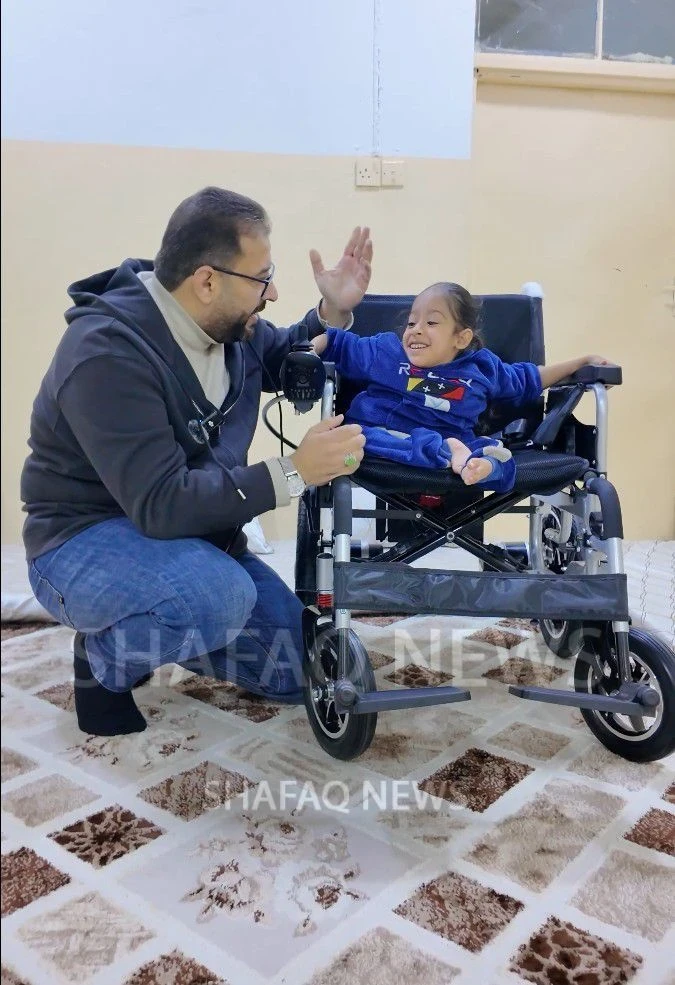
While concerns about transparency and long-term sustainability persist, these grassroots efforts continue to expand as demand for medical and social support grows. The result, he observed, is a ''fragmented but active relief system'' where individuals, digital platforms, and donor networks intersect to bridge persistent gaps in care and assistance.
Read more: Iraq’s healthcare system nears collapse: Doctors leave, hospitals overflow