Shafaq News
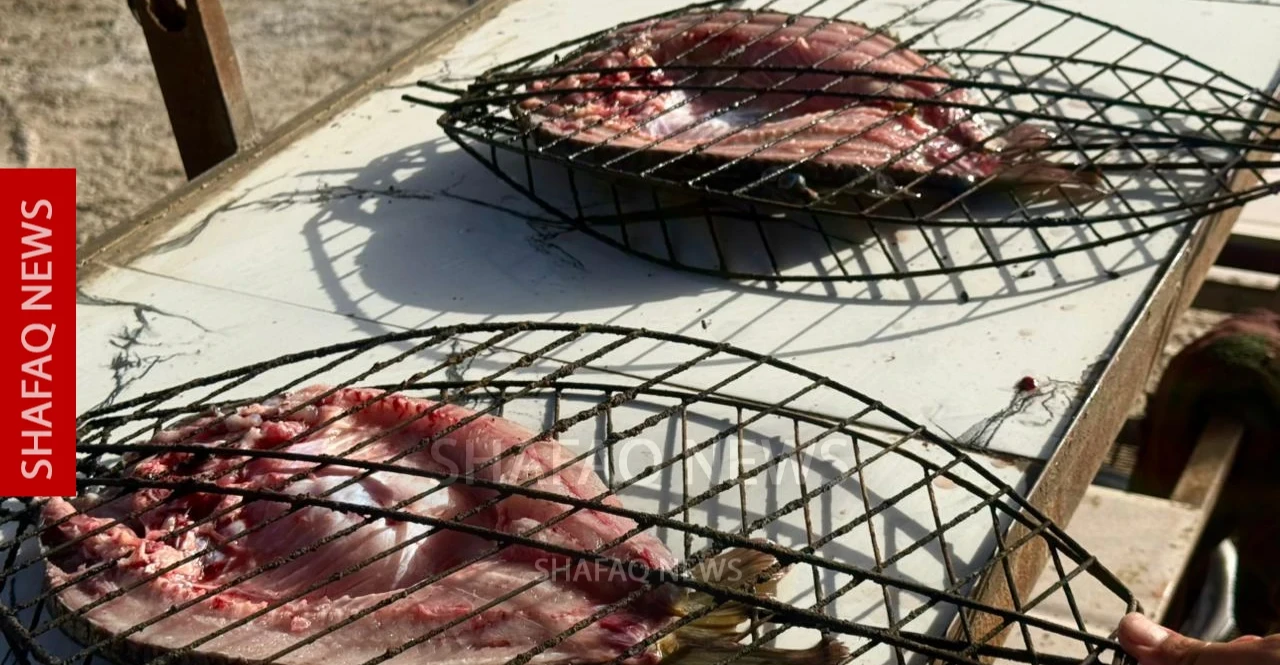
The smoky aroma of Iraq’s famous Masgouf, a traditional grilled fish dish, has long been tied to evenings along the Tigris River. Traditionally prepared by splitting large river fish open, seasoning them with salt and tamarind, and slowly roasting over open wood fires, Masgouf has for decades been associated with Baghdad’s riverbanks and outdoor dining culture.
Lately, the slow-fire cooking tradition has expanded deep into residential districts and public spaces across Baghdad, particularly along Abu Nawas Street and across other Iraqi provinces. Thick smoke now drifts between houses, parks, and narrow streets, fueling growing concern over air pollution, public health, and the steady loss of trees used as fuel.
For residents living near these restaurants, the effects have become part of daily life.
“I do not understand why authorities have failed to act against restaurants causing suffocating smoke and strong odors in residential areas,” Baghdad resident Lama Salman told Shafaq News.
According to Salman, disputes between residents and restaurant owners have become increasingly common, yet complaints rarely lead to meaningful action because of weak enforcement measures.
“Some families have even moved away because of the health risks,” she added.
Read more: From clay tablets to modern tables: Iraq's timeless cuisine
Khalid al-Shami, director of the Community Awareness Department at Iraq’s Ministry of Environment, confirmed that officials are closely monitoring the issue because of its environmental and health implications.
He explained that ministry teams, alongside members of the Environment Committee in the Baghdad Provincial Council, recently carried out inspection visits targeting fish and chicken grilling restaurants in the capital.
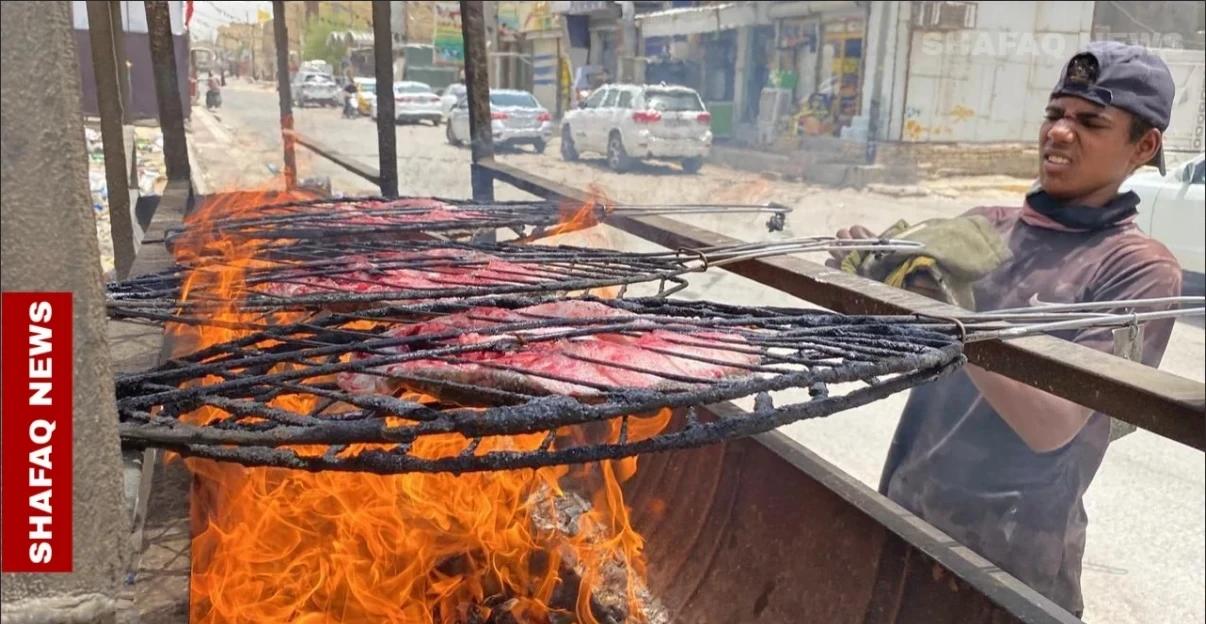
Describing wood-fired grilling as “a primitive and unhealthy practice” that pollutes the air and creates constant discomfort for nearby residents, he warned that using wood for grilling contaminates fish with smoke residue and toxic gases.
The environmental concerns extend beyond the smoke itself. The World Health Organization (WHO) has previously warned that desertification has already affected around 40% of Iraq’s land, as drought and urban expansion continue to erode green spaces and orchards around major cities.
Against that backdrop, environmental experts caution that growing demand for firewood adds further strain to an already fragile ecosystem. Iqbal Latif, an environmental specialist, described trees as crucial in absorbing carbon dioxide and improving air quality, making their loss particularly damaging in heavily polluted urban centers such as Baghdad.
Some trees, she noted, absorb toxic heavy metals from contaminated soil, including lead and other pollutants.
“The danger starts once the wood is burned or converted into charcoal,” Latif cautioned. “Combustion releases harmful hydrocarbon compounds that attach to food, especially fish, increasing exposure to carcinogenic substances that threaten human health.”
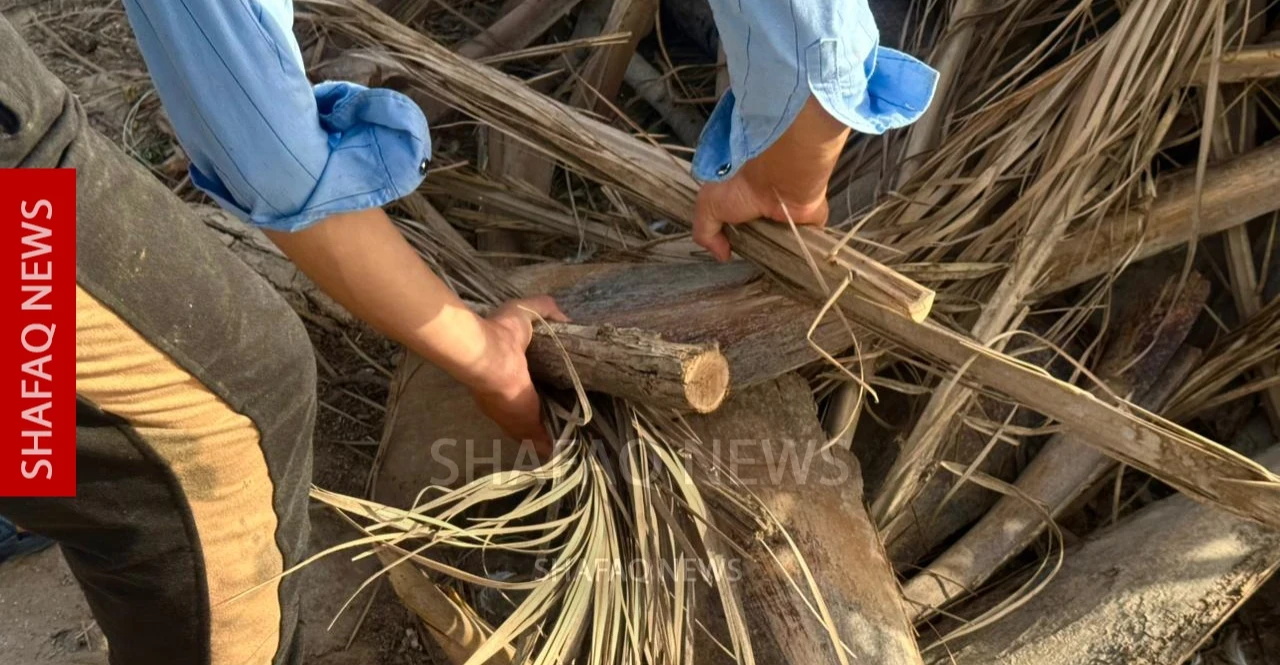
She further pointed out that burning wood releases other stored chemicals back into the atmosphere, worsening pollution levels in cities already burdened by traffic congestion, private electricity generators, waste burning, and seasonal dust storms.
“If contaminated wood is burned, toxic oxides linked to metals such as lead, copper, and aluminum may also spread into the air,” she added.
A climate profile published in 2025 by the Atlantic Council found that Iraq’s average temperatures have risen by more than 2.5 degrees Celsius over the past four decades, contributing to longer heatwaves, deteriorating water resources, and increasingly severe environmental conditions.
Beyond the pollution concerns, Latif linked the growing popularity of grilled fish restaurants to illegal fishing practices aimed at meeting rising market demand, including electric shock fishing and the use of chemicals harmful to aquatic life. She argued that authorities have yet to establish clear regulations or designate specific areas separating such businesses from residential neighborhoods.
Read more: Pollution gnaws at Iraq: Laws without teeth, fines without impact
Written and edited by Shafaq News staff.