Shafaq News – Baghdad
Neutral tones are steadily taking over the wardrobes and living spaces of Iraqi youth, displacing the bold, vivid colors that once defined previous decades. What began as a design trend shaped by social media and global aesthetics has evolved into a broader cultural shift toward visual calm, simplicity, and emotional balance.
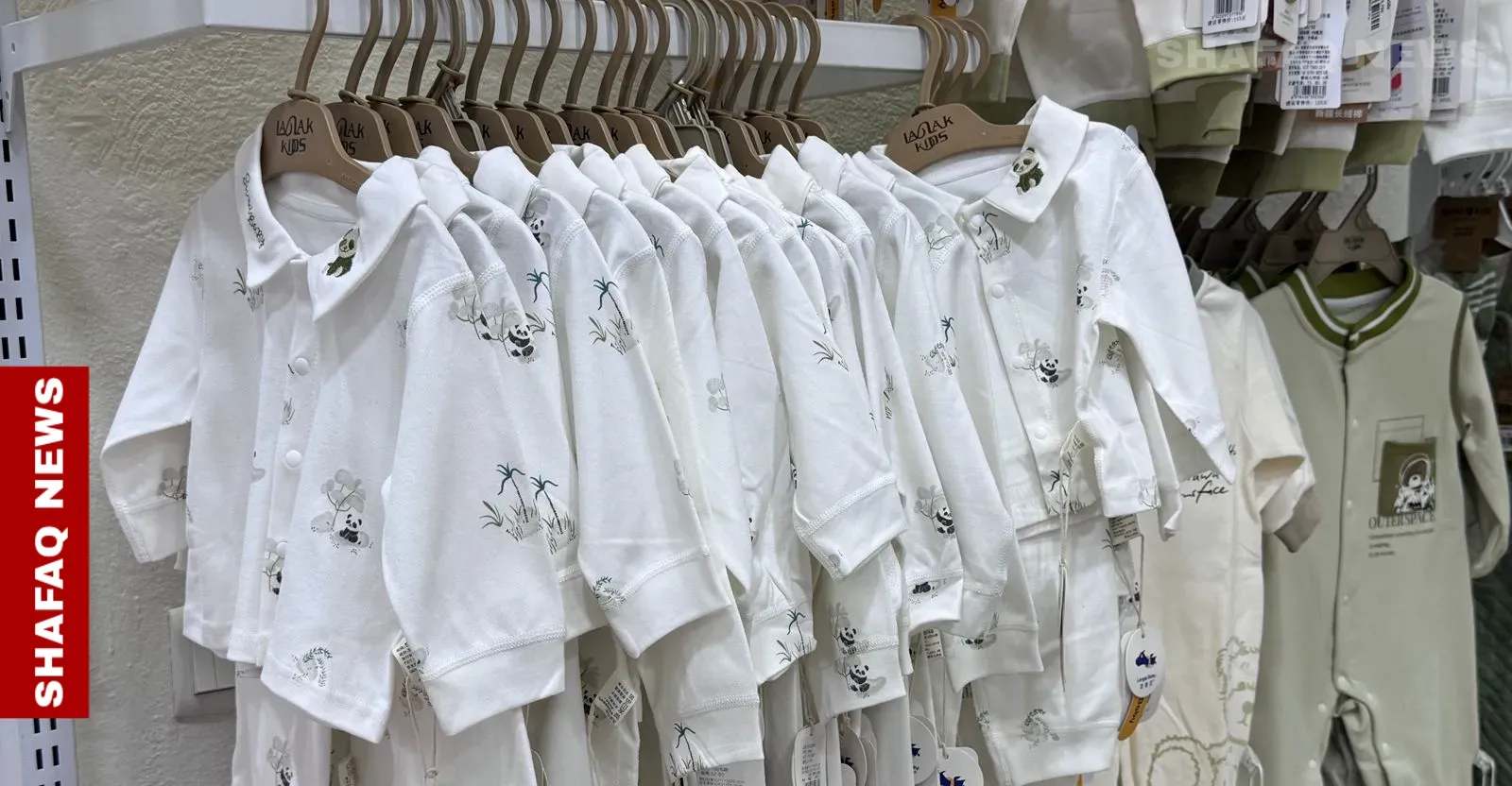
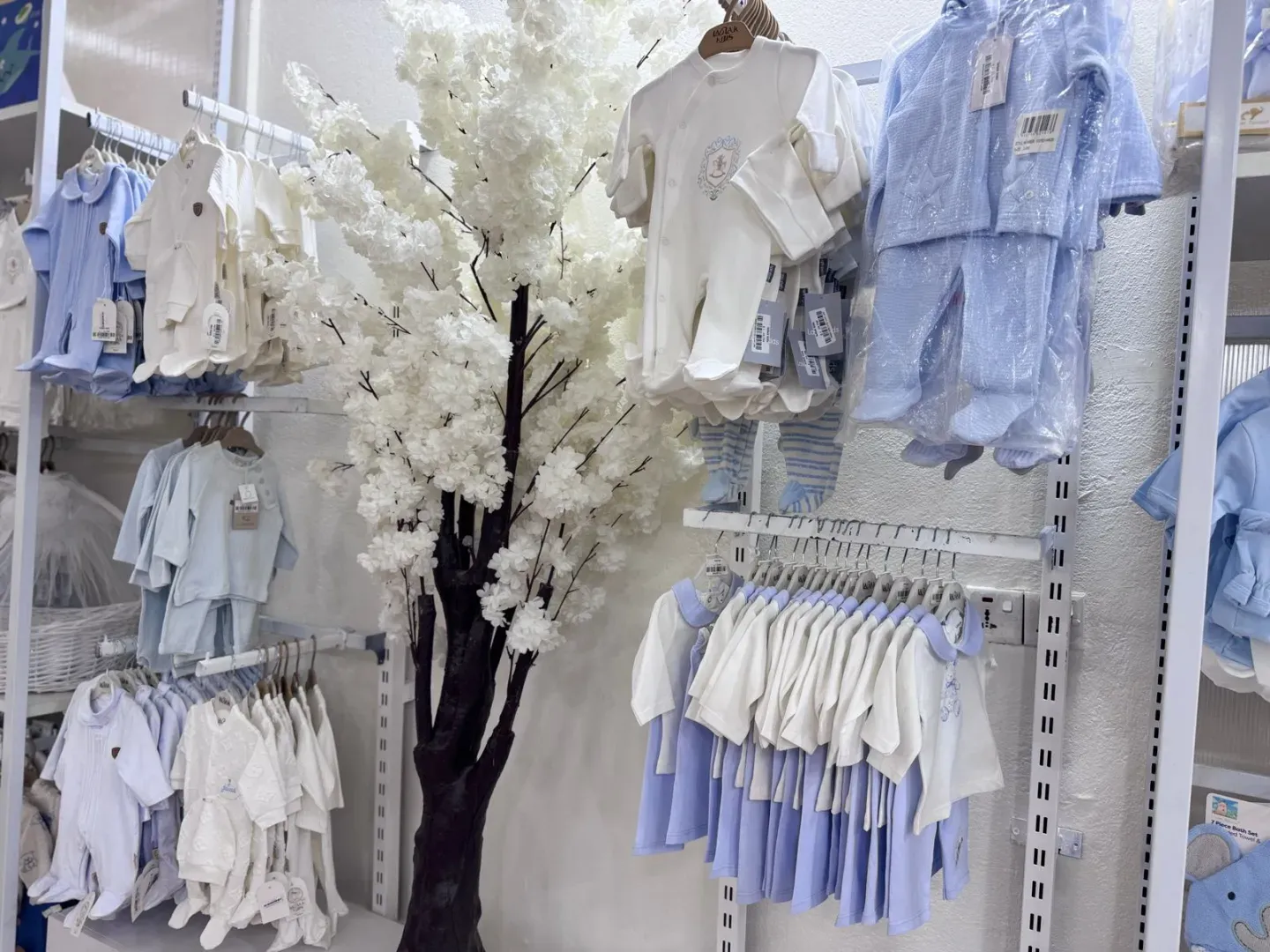
This transformation has moved beyond mere taste. It is now being closely examined by psychologists, artists, and designers for its deeper behavioral and emotional impact—especially on children. While some see neutral colors as a pathway to tranquility and inner balance, others warn that excessive reliance on them risks emotional flatness and visual monotony.
Supporters argue that neutral shades promote mental stability, are easy to coordinate, and lend homes an air of elegance and luxury. These qualities have helped them dominate interior design since the early 2000s, replacing the bright, saturated palettes that once filled living rooms and bedrooms.
Psychologist Manahil Al-Saleh told Shafaq News that intense, vivid colors can negatively affect children’s concentration, particularly those suffering from hyperactivity and attention disorders. “Neutral tones are often more suitable for such children,” she said. However, she cautioned against blindly following online trends, stressing that children’s personalities must be considered when choosing bedroom designs or clothing.
“Colors play a powerful role in shaping personality,” she said. “Many trends are driven more by advertising and commercial agendas than by psychological research, and they heavily influence adolescents and young people.”
In Iraqi homes, cream and beige tones now dominate children’s bedrooms, widely believed to create a soothing environment. Hewa Latif, a 35-year-old mother from Baghdad al-Jadida, said she decorates her son’s room with soft, neutral colors and regularly updates the décor. “I follow television ads and social media ideas,” she said. “I choose calm, modern colors that make my child feel happy and comfortable.”

Academics note that color influences differ depending on the shade and the individual. Researcher Karim Al-Jabri told Shafaq News that scientific studies have confirmed a strong relationship between color and emotional response. “Yellow symbolizes energy and vitality and stimulates happiness in children,” he explained, adding that it is ideal for play environments.
He said blue encourages calmness and focus, while green helps reduce anxiety—making both especially suitable for kindergartens and primary schools. Red, however, he warned, stimulates movement and can push children toward aggressive behavior if used excessively.
“The human relationship with color—especially in childhood—is extremely sensitive,” Al-Jabri said. “Some colors create anxiety and sadness, while others generate joy and energy. There is also a physical relationship between color and the surrounding visual environment, whether in clothing, décor, or architecture.”
Photographer Azraa Al-Waeli sees the spread of neutral colors as a collective desire to escape visual chaos. “In photography sessions, clients now consistently choose calm backgrounds that add depth and balance to images,” she said. “Beige blends beautifully with natural light, white conveys purity and openness, and gray offers flexible visual harmony.”
In fashion, architecture, and advertising, neutral colors continue to dominate modern designs. Fashion designer Ziyad Mansour described neutral palettes as a reflection of timeless elegance unaffected by fast-moving trends. “They make it easier to coordinate outfits for different occasions,” he said, “but they still need bold accents to avoid dullness.”
He added that gray, beige, and black are essential in interior design because they create a sense of space and comfort—provided they are not overused.
From a marketing perspective, sociologist Hassan Al-Ziyadi explained that major companies rely heavily on neutral colors to project stability and sophistication. “But total dependence on them can reduce visual attraction if they are not applied scientifically,” he said.
Between calm and monotony, elegance and emotional flatness, neutral colors are steadily reshaping the visual identity of homes, fashion, and public spaces in Iraq—reflecting a deeper generational search for balance amid the noise and pressures of everyday life.