Shafaq News
The holy month of Ramadan began across Iraq on Thursday after the country’s highest Shiite religious authority in Najaf, the Sunni Endowment Office (Diwan al-Waqf al-Sunni), and the Kurdistan Region’s Endowment authorities confirmed the sighting of the crescent moon, marking the start of a month that reshapes daily life in a country where about 97% of the population is Muslim.
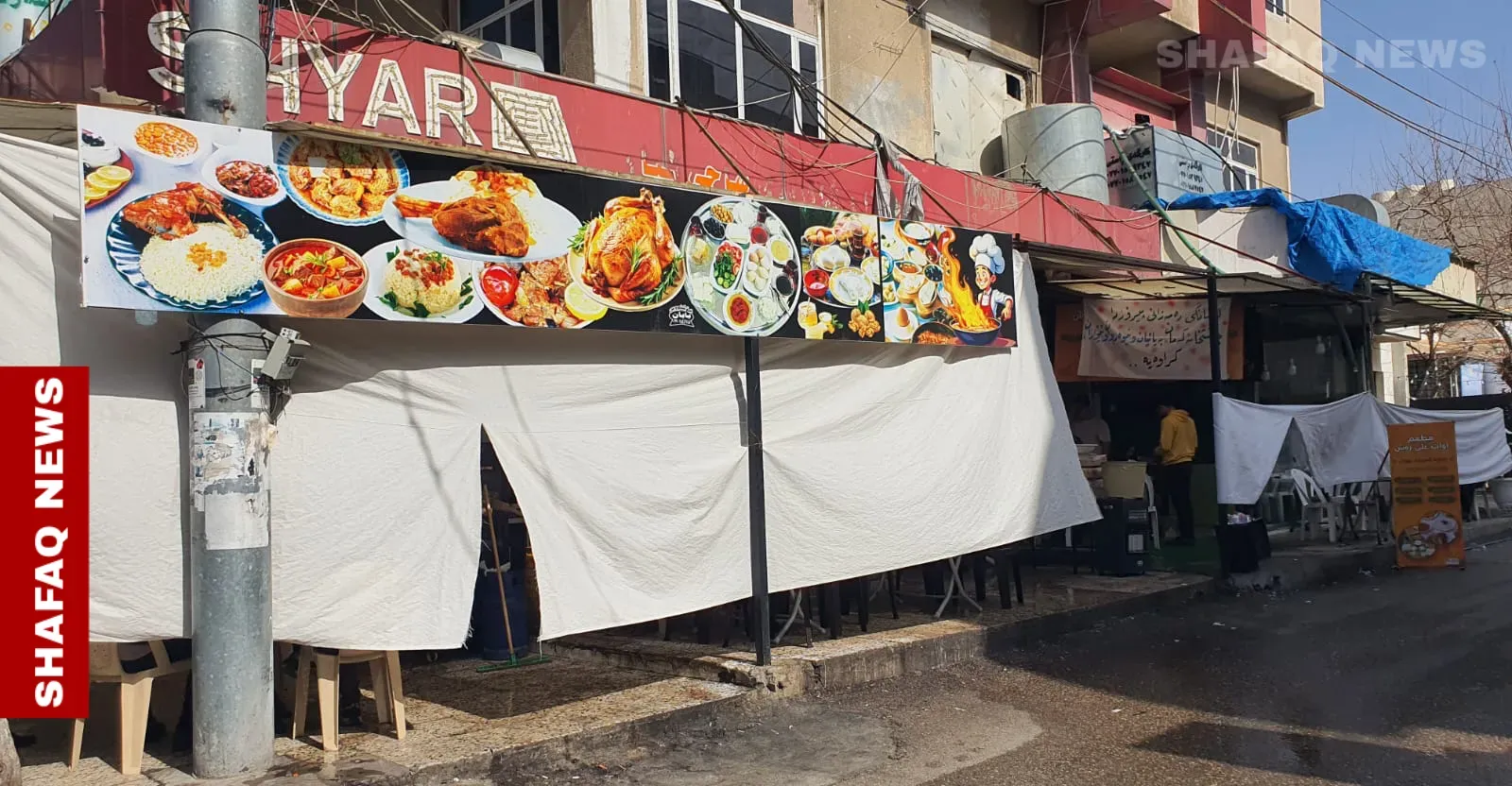
From the first day of fasting, the pace of Iraq’s cities shifted. Afternoon traffic eased, and many restaurants reduced daytime service. In Al-Sulaymaniyah, restaurant owner Karzan Mohammed said limiting public service during fasting hours was a voluntary decision “out of respect for the sanctity of the month and for those who are fasting.” He added that daytime customers are usually travelers or people exempt from fasting for health reasons.
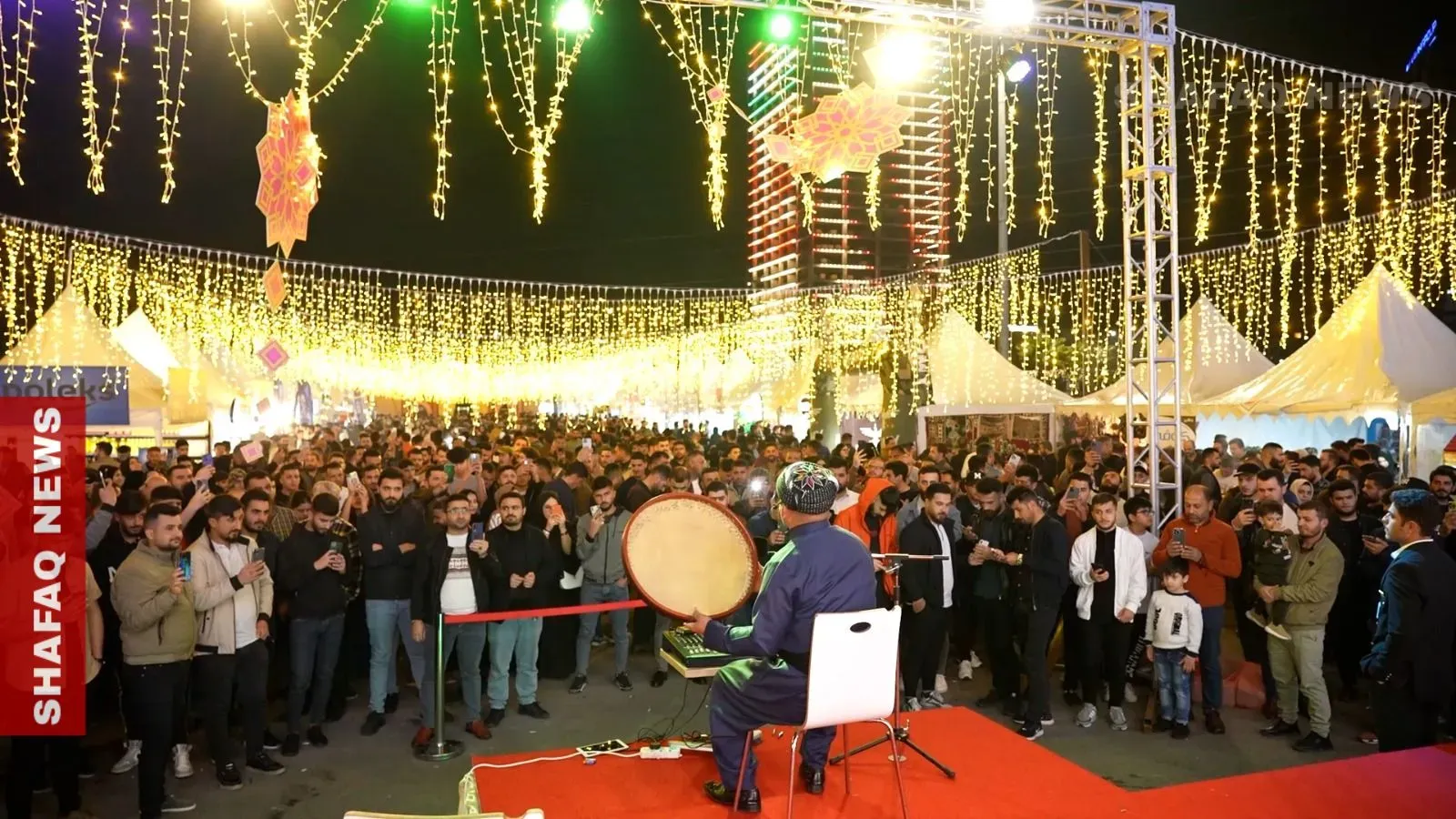
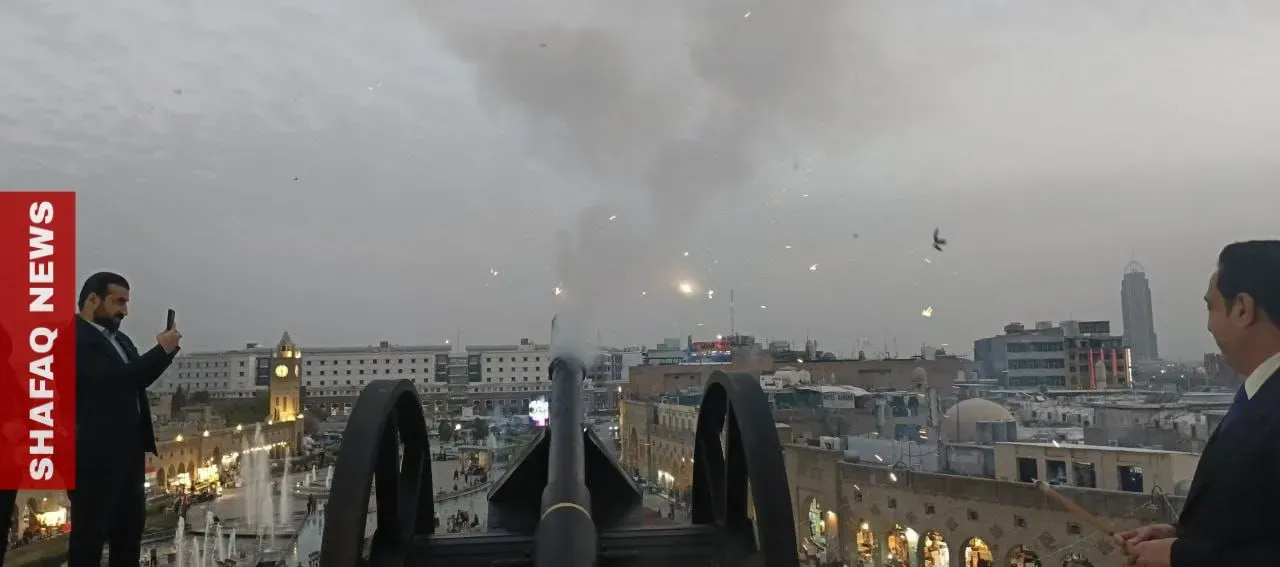
As daylight activity slows, evenings become more active. In Baghdad, the Iraqi army fired the traditional iftar cannon along Abu Nawas Street at sunset, signaling the end of the daily fast. The ritual, carried out with a single round, has become a nightly fixture during Ramadan.
A similar scene unfolded in Erbil, the capital of the Kurdistan Region, where a revived “historic” iftar cannon echoed near the ancient citadel. The initiative’s organizer, Mullah Zana Khayam, described the cannon as a long-standing Islamic practice once used in large cities to mark sunset before modern sound systems and digital timekeeping. Its return has drawn families and visitors to the area.
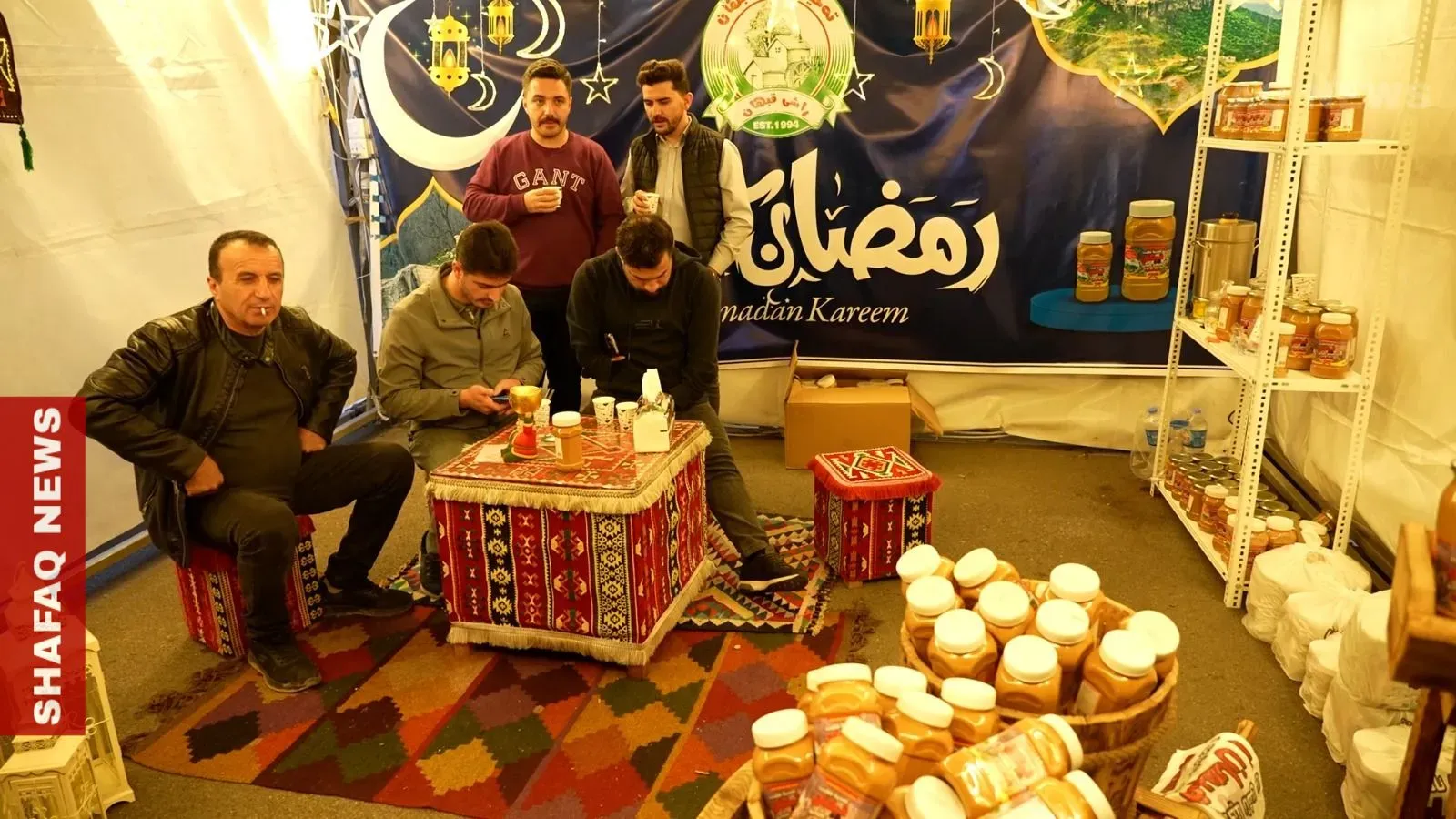
Markets have also adapted to the season. In Kirkuk, families purchased traditional decorations —colorful lanterns, illuminated crescent shapes, and festive lights— that brighten neighborhoods after dark. Shop owners reported increased demand for Ramadan supplies as households prepared for shared evening meals.
The Interior Ministry urged citizens and residents to respect Ramadan’s sanctity, banning public eating during fasting hours and prohibiting the sale and circulation of alcoholic beverages throughout the month. Authorities in several provinces said inspection campaigns would continue to ensure compliance with health regulations and public order. In the Kurdistan Region, the Ministry of Culture and Youth directed media outlets to follow legal guidelines when presenting Ramadan programs.
Price increases during Ramadan remain a concern for many Iraqis, prompting local authorities to launch monitoring campaigns to prevent price manipulation and food hoarding.
“Authorities will not allow increases in food prices, particularly for items associated with iftar meals,” Acting Al-Sulaymaniyah district commissioner Fadhil Omar told Shafaq News, adding that penalties would match the severity of violations. He noted that while most prices remained stable before Ramadan, meat prices fluctuated due to external supply factors, as much of Iraq’s meat is imported.
At the national level, financial adviser to the Prime Minister, Mudhir Mohammed Saleh, said Iraq faces no serious risk to food price stability during Ramadan. He cited five factors: government food basket reserves, private sector stocks sufficient for more than a year, cooperative hypermarkets that help stabilize prices, open trade channels for imports, and domestic agricultural production. Saleh told our agency that around eight trillion Iraqi dinars (about $6 billion) are allocated monthly for salaries, pensions, and social welfare, reaching about nine million beneficiaries and indirectly supporting much of the country’s nearly 40 million population.
Beyond markets and policy, Ramadan continues to reinforce social solidarity. In Babil, the Internal Security Forces Training School launched a blood donation campaign in cooperation with the province’s main blood bank to address potential shortages during the fasting month. In Duhok, the Chamber of Commerce and Industry opened a “Ramadan Nights” market offering discounted goods, describing it as an annual initiative aimed at easing financial pressure on families while maintaining a festive atmosphere.
Mosques across Iraq reported increased attendance, particularly for evening prayers and the special Taraweeh prayers held after the final obligatory prayer of the day. In Dhi Qar, families often attend together, bringing children to participate in congregational worship and religious lessons.
After prayers, the traditional game of Muhaybis —a team-based game centered on concealing a small ring— remains a hallmark of Ramadan nights in several cities, including Kirkuk. Groups gather late into the evening, combining competition with social interaction. “I feel great happiness when we play Muhaybis after Taraweeh with friends and neighbors,” said Jatin Mohammed, describing the game as a way to strengthen unity and communication during the month. Other local games, such as “Siniya,” also attract groups of youths for nightly gatherings.
Across Iraq, Ramadan in 2026 remains, as in previous years, a spiritual pillar and a defining feature of public life.