Shafaq News – Al-Anbar
In Iraq’s western al-Anbar province, local historian Rashid al-Alousi is leading an initiative to document the region’s fading heritage and safeguard its cultural identity after years of conflict and destruction.
Al-Alousi, who also serves as a
legal researcher, has spent more than a decade building a personal archive of
al-Anbar’s historical landmarks—many of which have disappeared or remain at
risk. His project includes images, records, and written documentation of
religious, social, and commercial sites, as well as traditional crafts,
professions, and customs dating back to the early 20th century.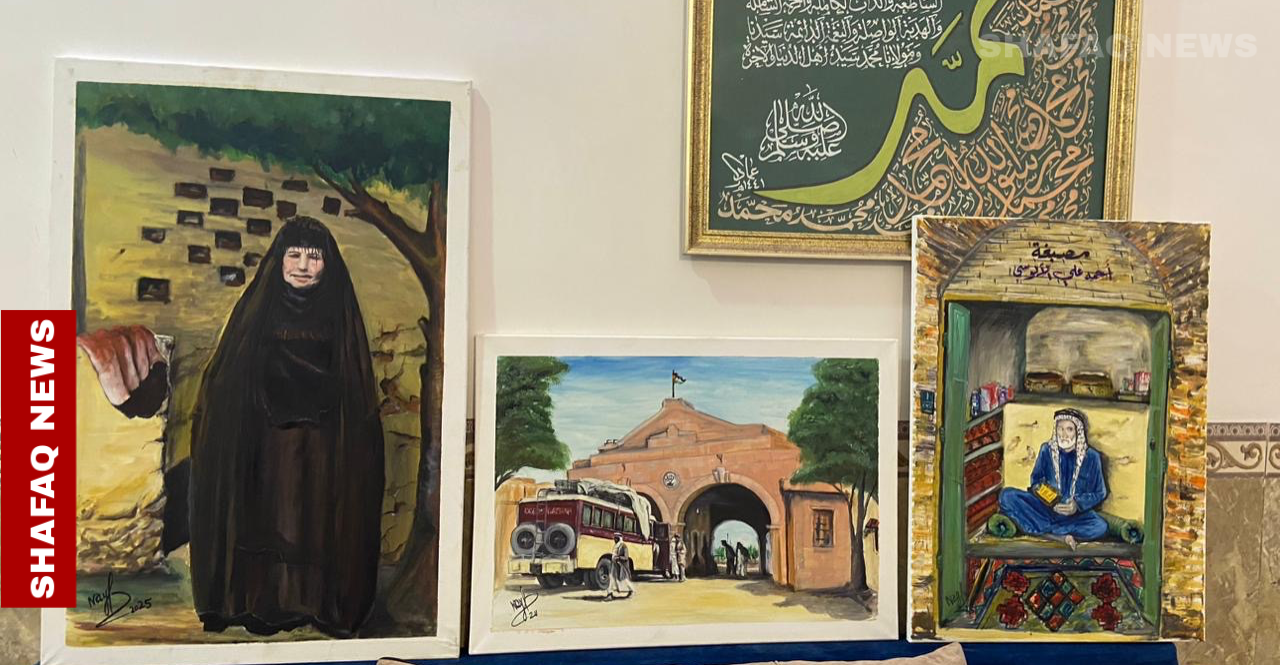
“Our past strengthens the present and guides the future. My archive reflects the identity of al-Anbar,” al-Alousi told Shafaq News. For him, the initiative is about ensuring continuity between generations.
The project’s visual dimension is
powered by a group of local artists, most notably veteran painter Naif
al-Alousi. Working from archival images and data, they recreate the province’s
lost landmarks through fine art.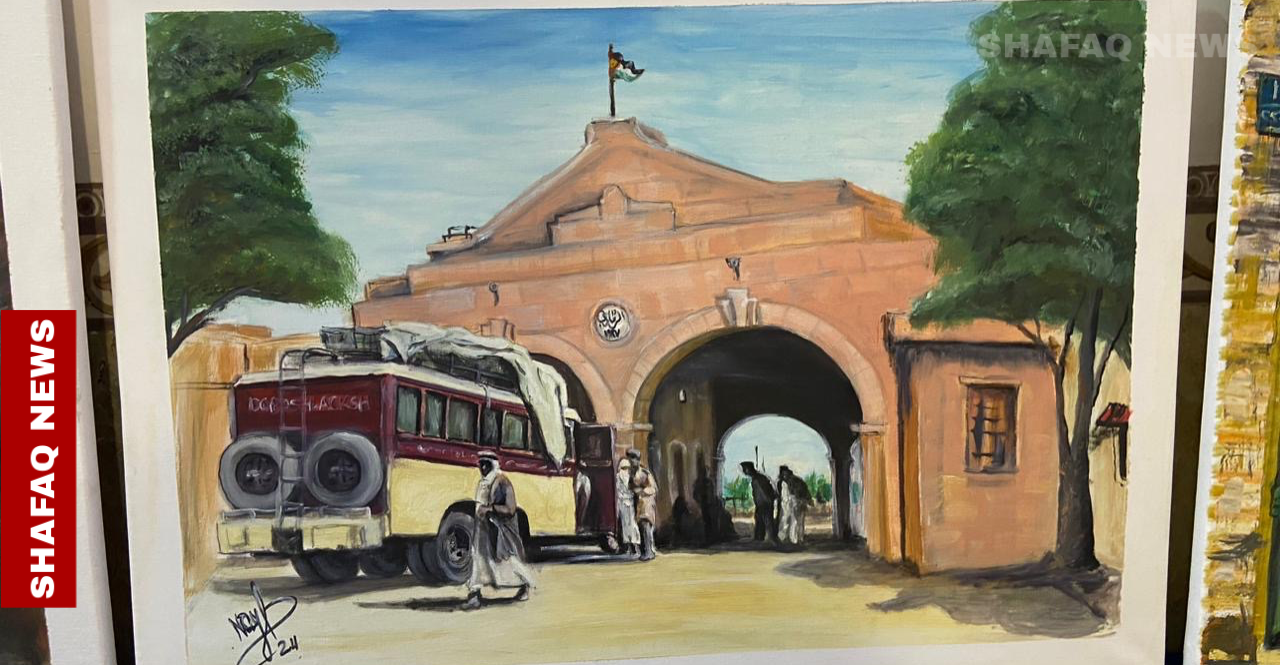
While Rashid handles the documentation, the artists transform the material into visual storytelling—breathing life into historical memory with every brushstroke.
To expand access, al-Alousi plans to
convert the archive into both a mobile and digital exhibition once the
collection is complete, aiming to reach homes, schools, and cultural
institutions alike.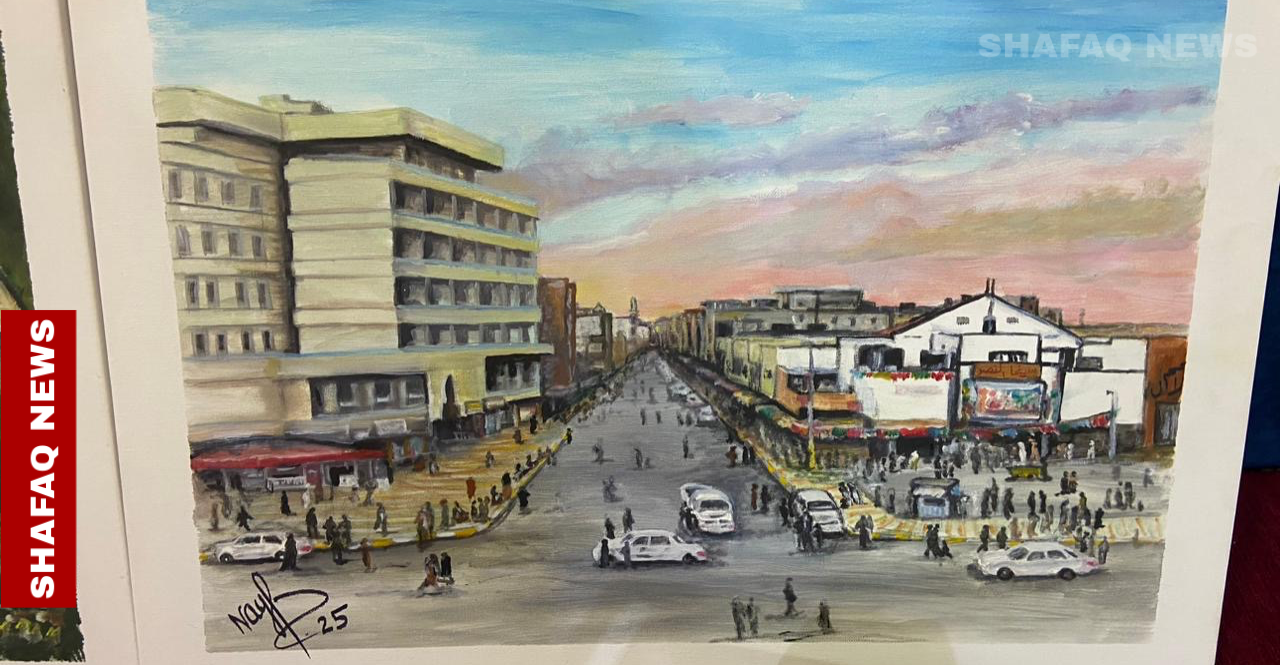
However, since launching the effort in 2009, he has faced no shortage of challenges. “The biggest difficulties are collecting archival photos, verifying their information, and preserving them properly,” he said.
Today, his archive spans from 1900 to 2025, encompassing everything from daily life and crafts to well-known figures in religion, art, and sports.
Despite operating largely on his
own, al-Alousi credits support from local institutions for helping him acquire
official documents and maintain the archive’s credibility. Community backing,
he added, has also played a critical role.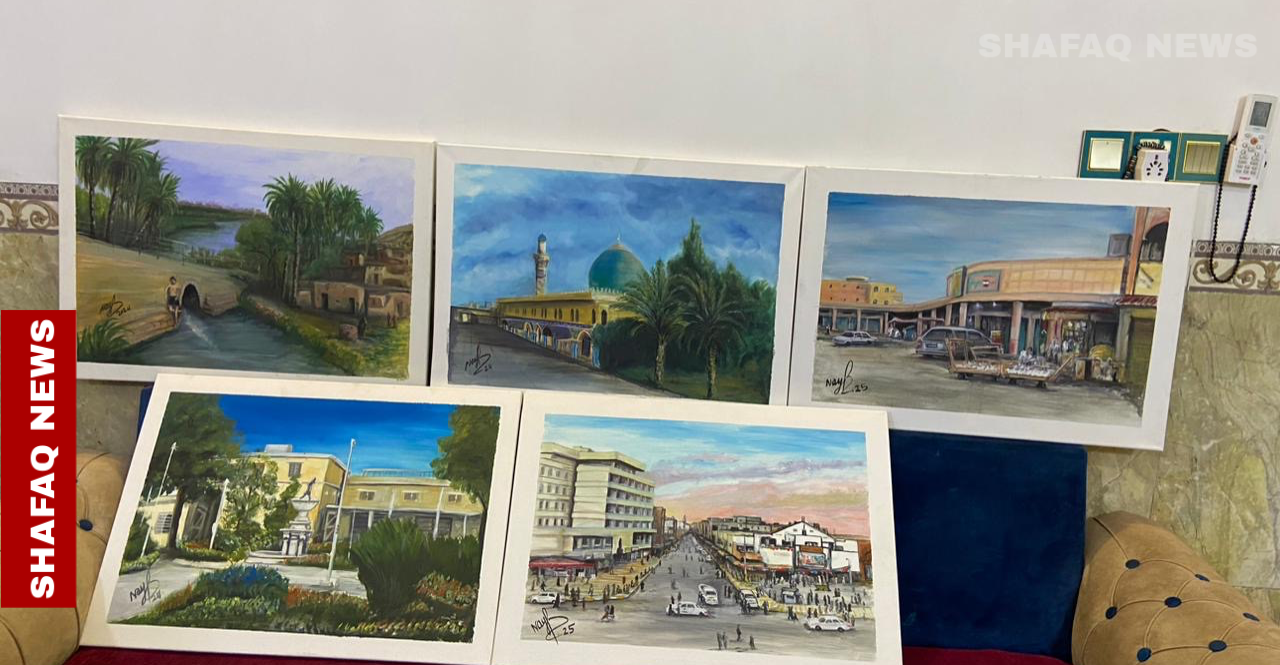
The work has also resulted in a published volume in 2022—the co-authored "Ramadi: History and Heritage" with researcher Majid Hamid Ahmed al-Alousi, turning part of the project into a public historical reference.
Even in a region where art and
cultural heritage are often undervalued, he remains committed. “I do this out
of love for my city. Constructive feedback is welcome—destructive criticism
changes nothing."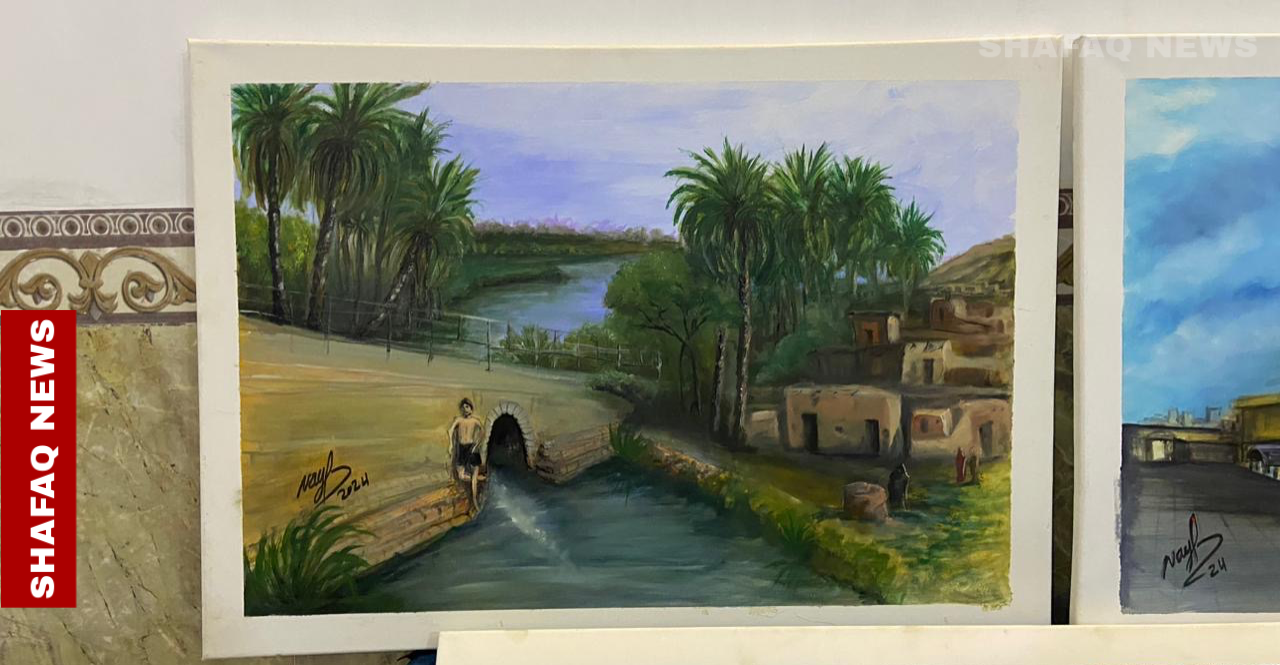
Ultimately, for al-Alousi and his team, the archive is more than a record—it’s a cultural resistance to erasure, reclaiming memory in a province still healing from its turbulent past.