Shafaq News
In the depth of February, when northern Iraq is at its coldest and the fields lie dormant, Iraq’s Yazidis mark Khidr Elias, a three-day fast culminating in a restrained but symbolically dense observance that binds faith to land and collective memory.
Observed in communities stretching from Sinjar to Duhok, and centered spiritually in the sacred valley of Lalish, the festival reflects a theology shaped by nature: water as origin, renewal as inevitability.
Austerity Before Renewal
The observance begins with a strict fast from sunrise to sunset over three consecutive days. For many Yazidis, the fast carries personal vows; prayers for healing, marriage, or relief from hardship. It is both petition and discipline.
On the eve of the feast, families gather for a modest meal, traditionally including a wheat-based dish symbolizing fertility and continuity. Children move between homes singing folk refrains, while candles are lit in courtyards and shrines, gestures of supplication during the year’s bleakest stretch.
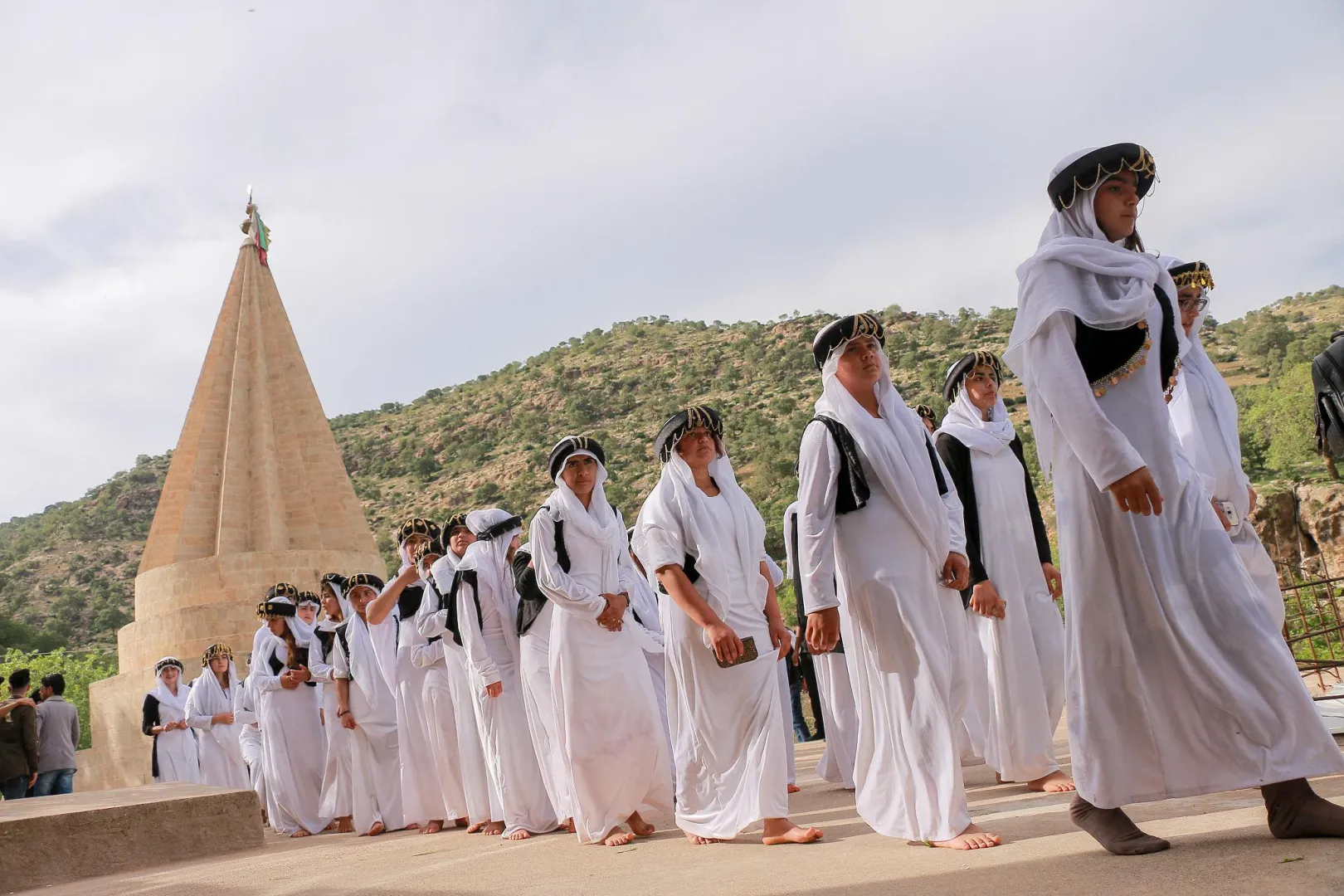
Figure of Water and Return
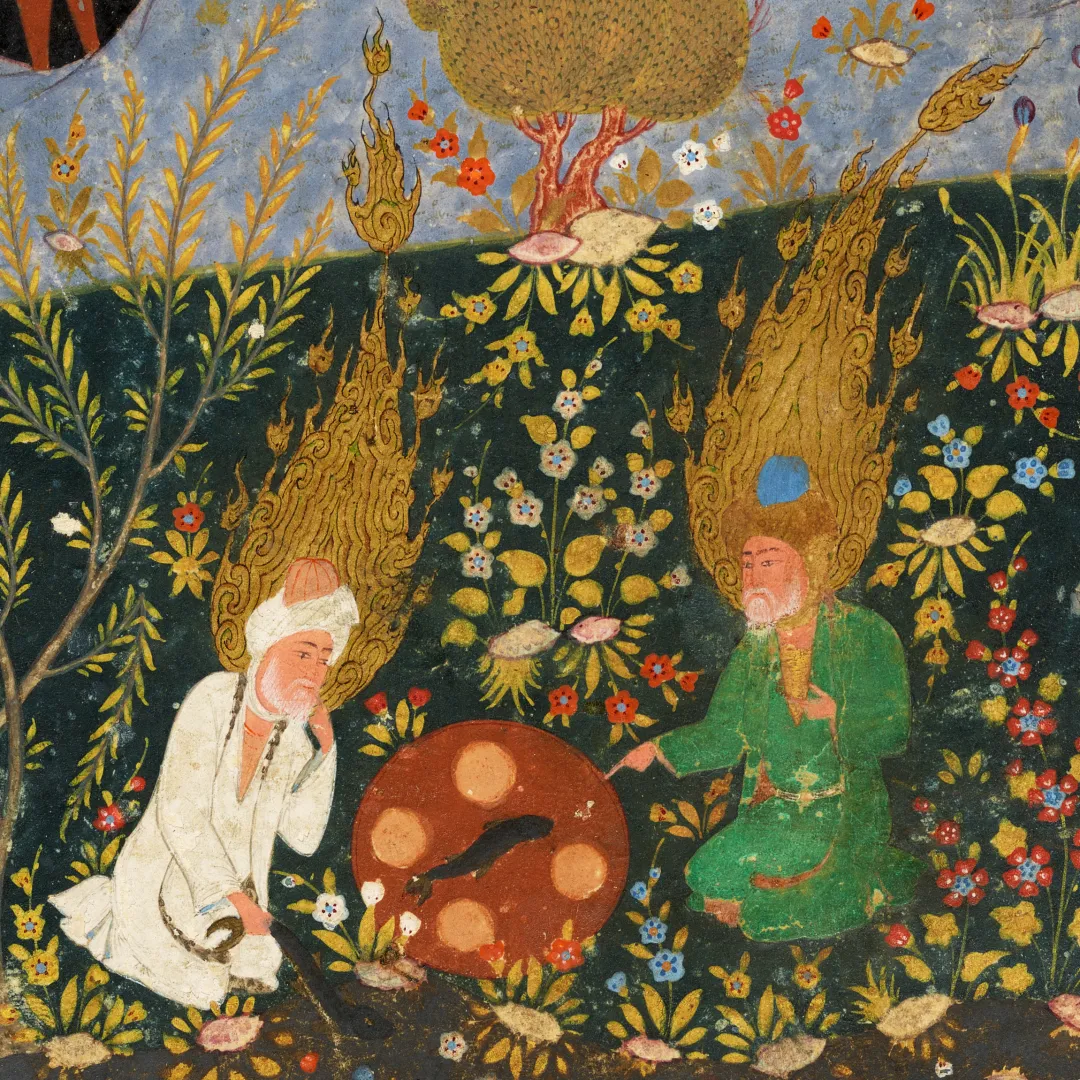
Khidr Elias occupies a distinctive place in Yazidi theology. Associated with water, sustenance, and seasonal rebirth, he embodies the passage from winter barrenness to spring revival.
In Lalish, worshippers visit sacred springs, washing their faces as an act of spiritual purification. The ritual underscores a foundational religious principle in Yazidi belief: harmony between human life and the natural order.
Community Rooted in the North
Iraq is home to the world’s largest Yazidi population. Estimates vary, but before the 2014 ISIS assault, their numbers were widely placed between 500,000 and 600,000. Displacement, migration, and emigration have since reduced that figure significantly, with large communities now in Europe.
Inside Iraq, Yazidis are concentrated primarily in the Sinjar district in Nineveh province and in areas of Duhok province within the Kurdistan Region. Lalish, in Duhok’s Shekhan district, remains their spiritual center, the site of pilgrimage and major religious observances. Smaller communities are also found in parts of northern Syria and southeastern Turkiye.
The community speaks mainly Kurmanji Kurdish and follows an ancient monotheistic faith with distinct rituals and a hereditary clerical structure.
Quiet Assertion After Genocide
Since ISIS overran Sinjar in August 2014, killing thousands and enslaving women and children, Khidr Elias has acquired additional weight. Entire villages were emptied; many survivors remain in displacement camps or in exile. Reconstruction in Sinjar remains slow, and political disputes over governance and security persist.
In that context, the festival is no longer solely devotional; it is restorative. Lighting a candle or keeping the fast now carries layered meaning, remembrance, resilience, and a refusal to dissolve.
Measured Celebration
Khidr Elias unfolds without spectacle. There are no mass rallies or public displays. The observance remains intimate, within homes, around shrines, beside springs.
Yet its message is clear. Even in the coldest season, renewal follows austerity. Water returns. Fields awaken. And a community that has endured displacement and violence gathers, quietly but deliberately, to affirm continuity.
Written and edited by Shafaq News staff.