Shafaq News
For centuries, Iraqi women have transformed colorful threads into intricate works of art. Today, that same tradition is helping a new generation turn creativity into income, blending heritage with modern entrepreneurship.
Hand embroidery has long been a cherished pastime, providing women with opportunities to gather, socialize, and create elaborate patterns on fabrics such as silk and al-Qamraiya, a heritage Iraqi cloth celebrated for its intricate designs. Artisans used materials like agate and lentils, emphasizing high-quality, handmade supplies.
Despite the rise of machines, this meticulous craft has endured, preserving
cultural identity while opening doors to modern business opportunities.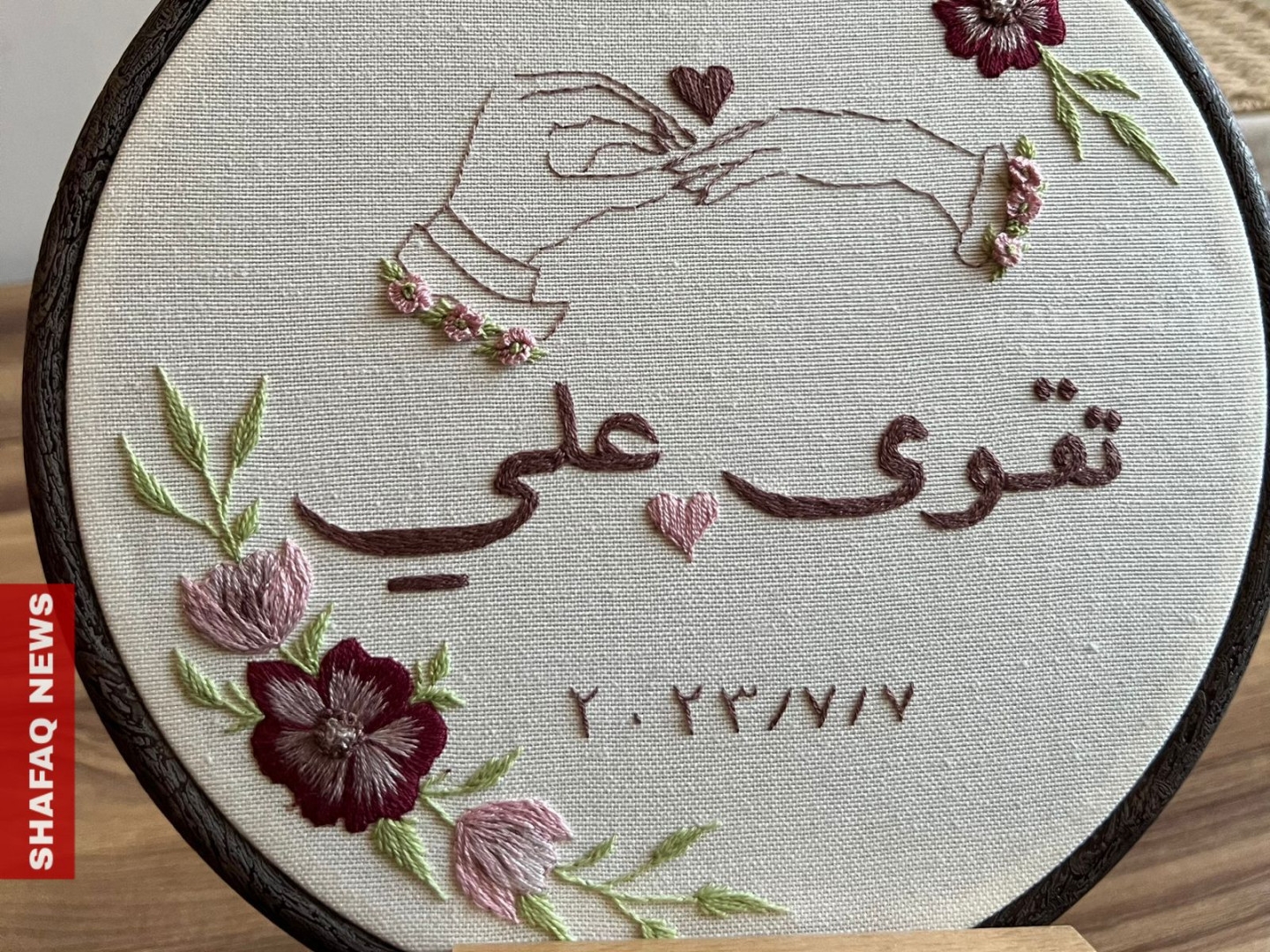
Hobby to Hustle
In recent years, many young Iraqi women have transformed embroidery from a hobby into a source of income, showcasing their creations at art exhibitions and online. Tamara Khalid, owner of the Instagram store Tama Stitches, discovered embroidery after experimenting with painting and knitting. She began with simple, low-cost tools and honed her skills over the course of two years before opening her store in 2021, combining hand embroidery with machine-based designs.
“After finishing high school, I decided to pursue an independent career,” Khalid explained to Shafaq News, highlighting how social media gave her a platform to showcase her work and attract orders for engagement gifts and special occasions.
“While I initially focused on hand embroidery, I increasingly
incorporated machine techniques to meet demand and complete projects more
efficiently,” she noted.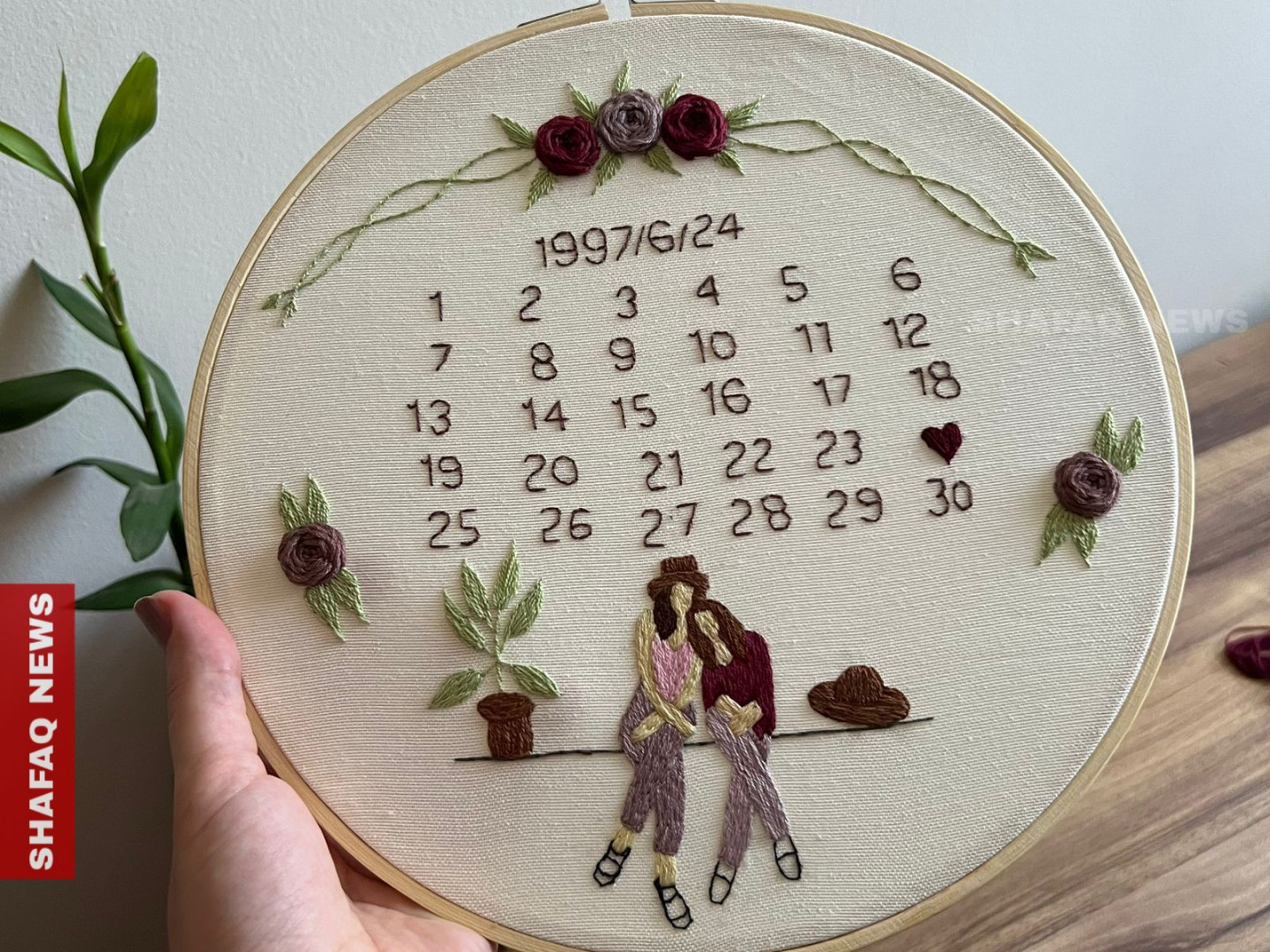
Crafted Value
Hand embroidery, though more time-consuming, offers a level of refinement and visual appeal that machine work cannot match. This allows artisans to command higher prices and earn recognition from customers who value skill and effort.
Today, embroidery has expanded beyond traditional fabrics to items such as hats, shirts, towels, and bags, as well as uniforms, merchandise, and promotional gifts.
Prices range from 20,000 to more than 100,000 Iraqi dinars ($15–$75),
depending on size, design, and materials. Simple name stitching averages around
20,000 dinars, while detailed, multi-colored works can cost several times more.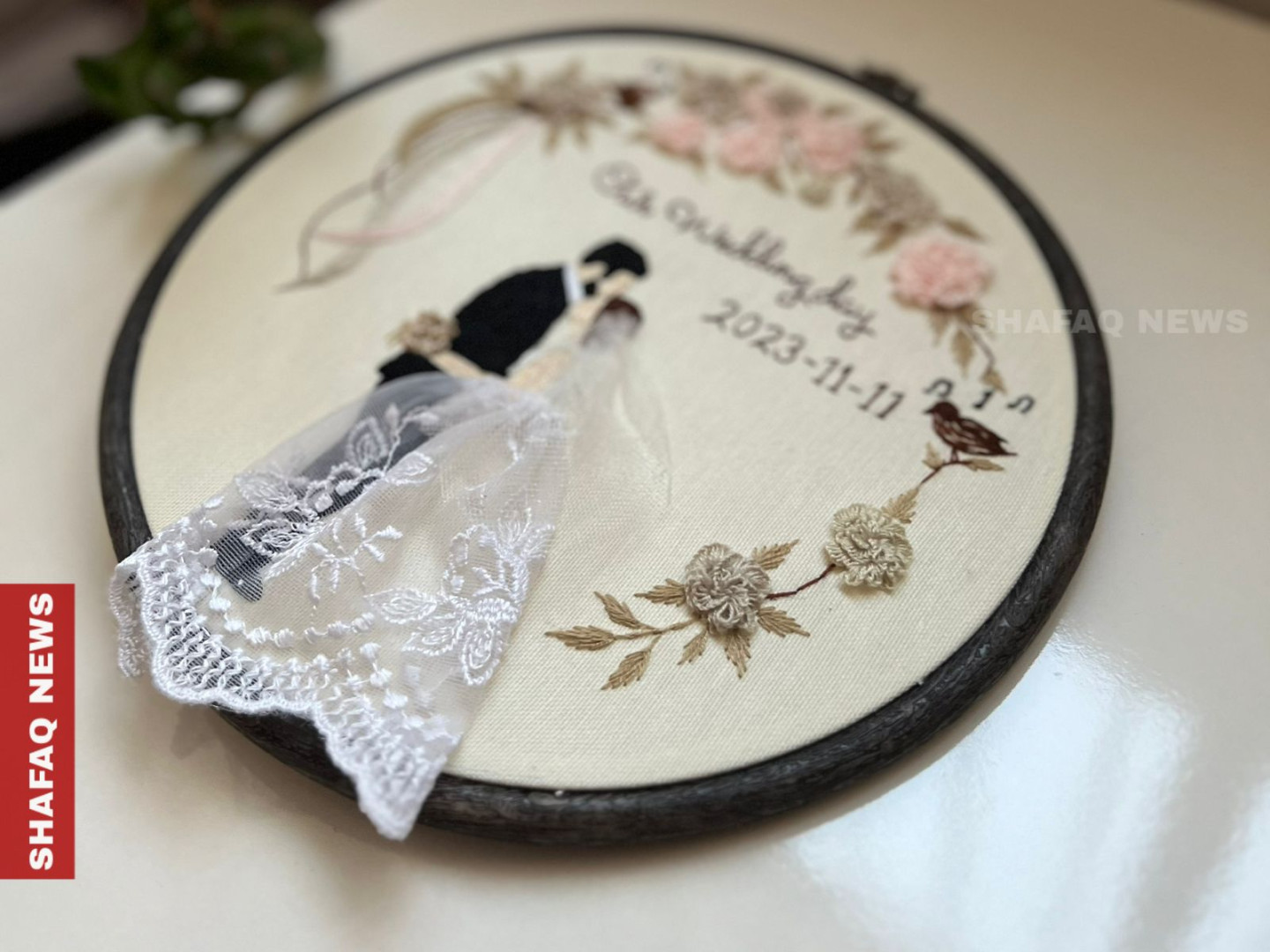
Nidal Saadi, owner of Enzo Kids, shared with Shafaq News that she focuses on modern machines to reduce labor and production time. “Handmade pieces, while visually impressive, often carry higher costs for consumers,” Saadi emphasized, stressing that successful embroidery requires design expertise, familiarity with machines, and creativity to produce unique patterns.
Following strong demand, Saadi plans to open a second store, reflecting growing consumer interest in embroidery. She also noted that sourcing high-quality materials, particularly fabrics from France, Turkiye, and England, remains a challenge.
Such small-scale initiatives also carry broader economic benefits. Economist Hassan al-Bahadli highlighted that projects led by youth and women help reduce unemployment, provide financial support, and contribute positively to Iraq’s economy. “Government support for small and medium-sized enterprises strengthens growth, diversifies the economy, and creates sustainable employment,” he added.
Written and edited by Shafaq News staff.