Shafaq News
From ancient Assyrian heritage and Mosul's post-ISIS reconstruction to Sinjar's displaced communities and a recovering economy, Nineveh embodies both Iraq's extraordinary past and the challenges shaping its future.
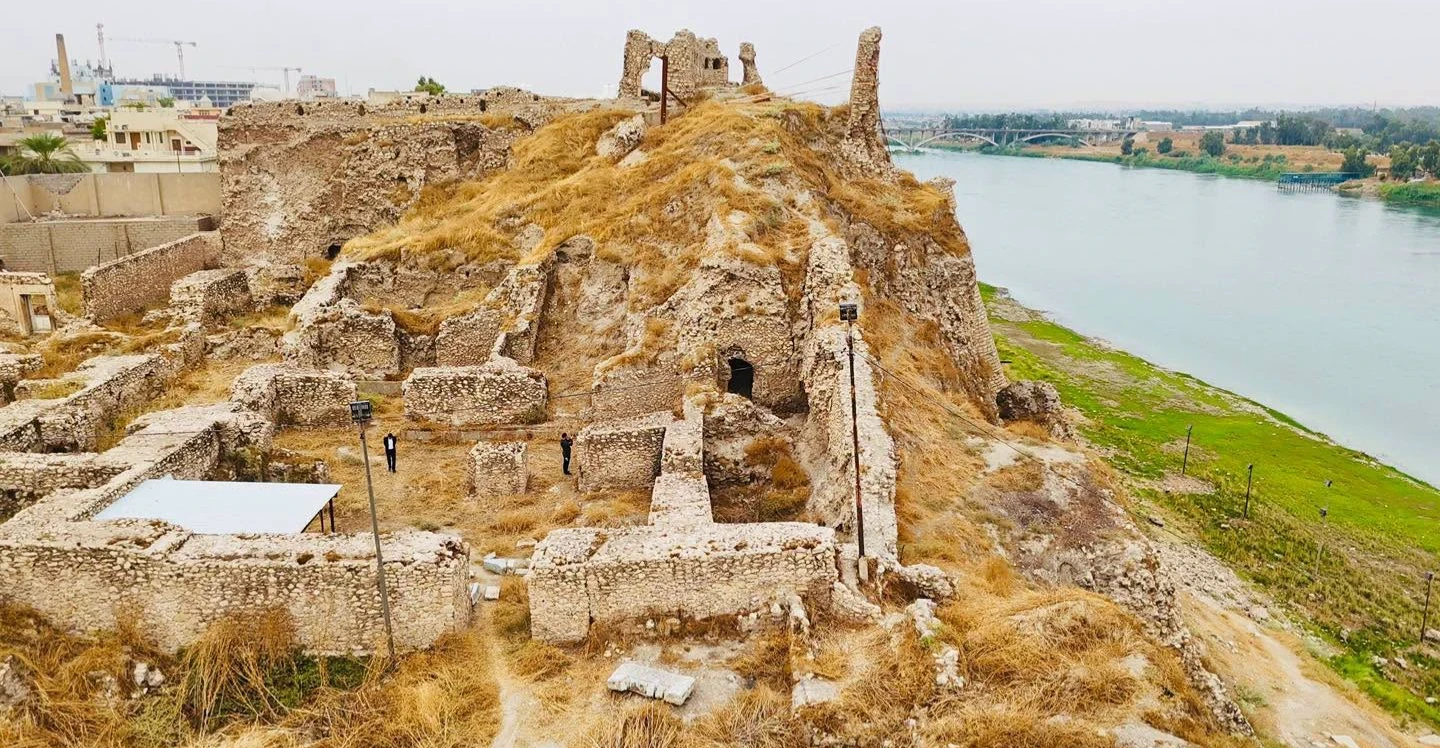
Nineveh has long stood at the crossroads of Iraq's history, culture, and identity. The province takes its name from the ancient city of Nineveh, which became the capital of the Neo-Assyrian Empire and ranked among the largest cities of the ancient world.
Today, the province presents striking contrasts. Mosul, its capital and one of Iraq's largest cities, has regained much of its urban life despite the scars of war, while the surrounding plains remain among the country's important agricultural areas. To the west, Sinjar continues to struggle with the legacy of the ISIS genocide against the Yazidis and years of displacement, political disputes, and slow reconstruction.
Across the province, ancient heritage exists alongside the
continuing effort to rebuild communities devastated by conflict.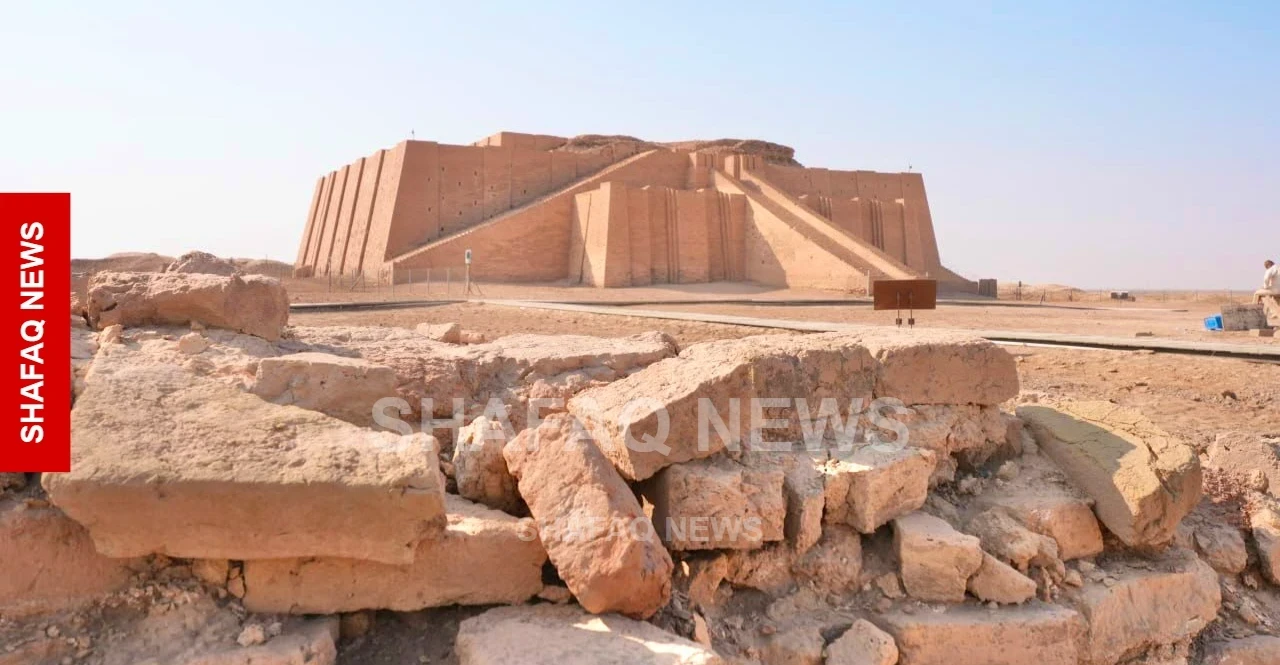
Legacy and People
Ancient Nineveh reached its height as the capital of the Neo-Assyrian Empire in the seventh century BCE. Archaeological sites including Kuyunjik and the remains of royal palaces associated with rulers such as Sennacherib and Ashurbanipal testify to a civilization known for its administrative organization, military power, monumental architecture, and cultural achievements.
The remains of the ancient city's walls and gates still stand alongside modern Mosul, connecting the contemporary provincial capital to a history stretching back thousands of years.
That heritage suffered another destructive chapter after ISIS seized Mosul and large parts of Nineveh in 2014. The occupation and subsequent military campaign caused mass displacement, widespread destruction, and extensive damage to religious, cultural, and archaeological sites. Iraqi forces declared Mosul liberated in July 2017, but reconstruction and the return of displaced communities have continued for years.
Nineveh remains one of Iraq's most ethnically and religiously diverse provinces. Its population includes Arabs, Kurds, Turkmen, Shabak, Yazidis, Assyrians and other Christian communities, alongside smaller minorities. The province also includes Sunni and Shia Muslim communities as well as Christians, Yazidis and other religious minorities, with many communities concentrated in particular towns and districts.
Arabic is widely spoken, alongside Kurdish, Syriac, Turkmen, and Shabaki, reflecting a social landscape shaped by centuries of migration, coexistence and conflict.
Dr. Layla Salih, head of the Nineveh Antiquities Section, told Shafaq News that the province's diversity remains central to its identity. "The diversity of Nineveh is both its strength and its challenge. It is what allows the province to survive and rebuild, even after devastating conflicts," she said.
Read more: Nineveh Council lifts building restrictions on Mosul outskirts amid demographic dispute.
Land and Lifelines
Nineveh stretches from the Tigris River valley and the Nineveh Plains to the Sinjar Mountains in the west. It borders the Kurdistan Region and Syria and has for centuries served as a corridor for trade, migration and cultural exchange.
Its geography also shapes its economy. The plains produce wheat, barley, vegetables, and other crops, while livestock farming remains important in rural areas. Successive years of drought, declining rainfall and wider water shortages across Iraq have placed increasing pressure on agricultural communities and forced farmers to adapt to more difficult conditions.
The province also contains significant energy and mineral resources. The Qayyarah oil field south of Mosul returned to production after suffering extensive damage during the war against ISIS, while limestone, gypsum and sulfur deposits support construction and other industries.
The Mosul Dam on the Tigris, Iraq's largest dam, remains vital to water management, irrigation and electricity generation. Its operation requires continued monitoring and maintenance because of longstanding geological challenges beneath its foundations.
Work and Recovery
Agriculture remains an important source of employment and income across Nineveh, particularly in the fertile plains surrounding Mosul. Wheat and barley dominate much of the cultivated land, alongside vegetables, orchards, and livestock.
Industry is another part of the province's recovery. The Qayyarah oil field remains an important energy asset, while cement, food processing and other industries provide employment. In Mosul's Old City, workshops and small businesses have also returned as neighborhoods damaged during the fighting are rebuilt.
Trade has gradually recovered as markets and commercial activity have returned across Mosul. New roads, rebuilt bridges and the restoration of Mosul International Airport have improved connectivity after years of war-related disruption.
The airport was formally inaugurated after reconstruction in July 2025, and domestic commercial flights resumed that November. Its first international flight since reopening departed for Medina, Saudi Arabia, in January 2026. Full operations, however, have continued to face licensing and technical requirements.
Unemployment, particularly among young people and returnees, continues to challenge a province where years of conflict destroyed businesses, disrupted education and displaced large parts of the workforce.
"Jobs are still scarce, and the scars of the past
occupation linger. Sustainable diversification is essential to prevent renewed
instability," Mosul-based economist Jamal Shafiq told Shafaq News.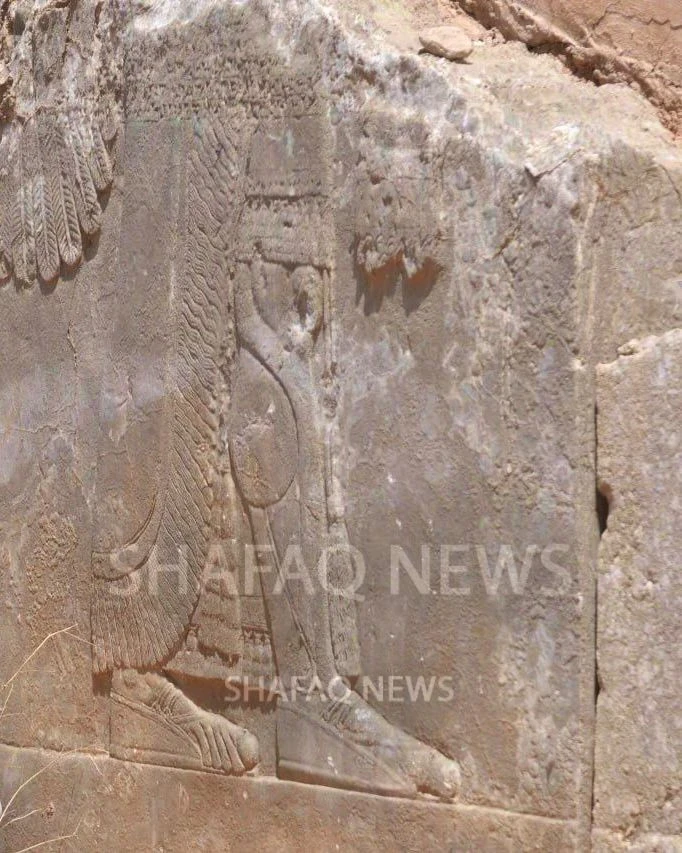
Sinjar's Unfinished Recovery
No account of Nineveh's recovery is complete without Sinjar.
In August 2014, ISIS attacked the predominantly Yazidi district, carrying out mass killings, abductions, and enslavement in atrocities recognized by the United Nations and several governments as genocide. More than a decade later, thousands of families remain displaced, and many Yazidis are still searching for relatives who disappeared during the assault.
Return efforts have continued. In 2026, hundreds of families registered or prepared to leave displacement camps in Duhok and return to Sinjar with assistance from Iraqi authorities and the International Organization for Migration. But homes and infrastructure still require reconstruction, while security and administrative disputes have complicated efforts to restore normal life. The 2020 Sinjar Agreement between Baghdad and the Kurdistan Regional Government was intended to address security, administration, and reconstruction, but its implementation remains incomplete.
The result is one of Nineveh's sharpest contrasts: while Mosul has seen visible reconstruction and the restoration of major landmarks, many families from Sinjar are still waiting for the conditions that would allow them to return permanently.
Read more: The long shadow of Sinjar: Twelve years after the ISIS genocide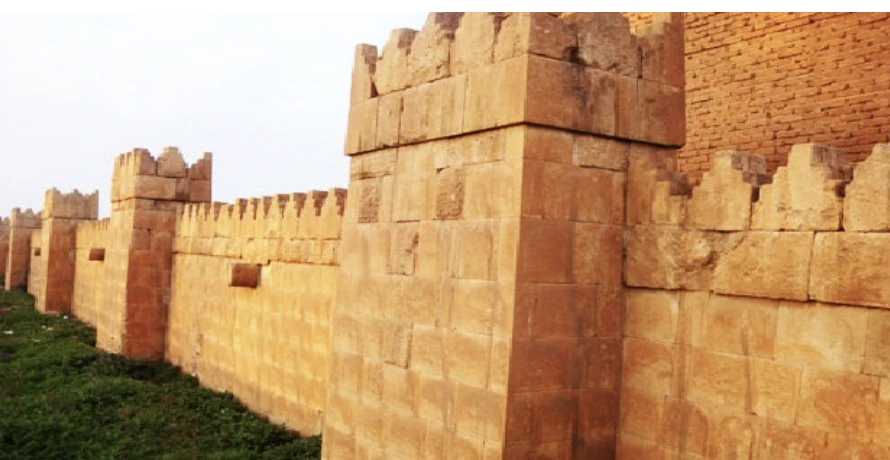
Spirit and Heritage
Mosul's Old City offers one of the clearest signs of Nineveh's recovery.
Much of the historic district was devastated during ISIS's occupation and the battle to retake the city. Since 2018, UNESCO's Revive the Spirit of Mosul initiative, supported by Iraq and international partners, has undertaken one of the largest cultural reconstruction programs in the city's modern history.
The Al-Nouri Mosque and its Al-Hadba Minaret, the Convent of Our Lady of the Hour, and Al-Tahera Church were rebuilt, while the project rehabilitated 124 heritage houses. UNESCO also rehabilitated 404 classrooms and supported cultural, educational, and vocational programs as part of the initiative.
UNESCO has framed the initiative as more than physical
reconstruction, linking the restoration of heritage to cultural recovery,
education, and social cohesion.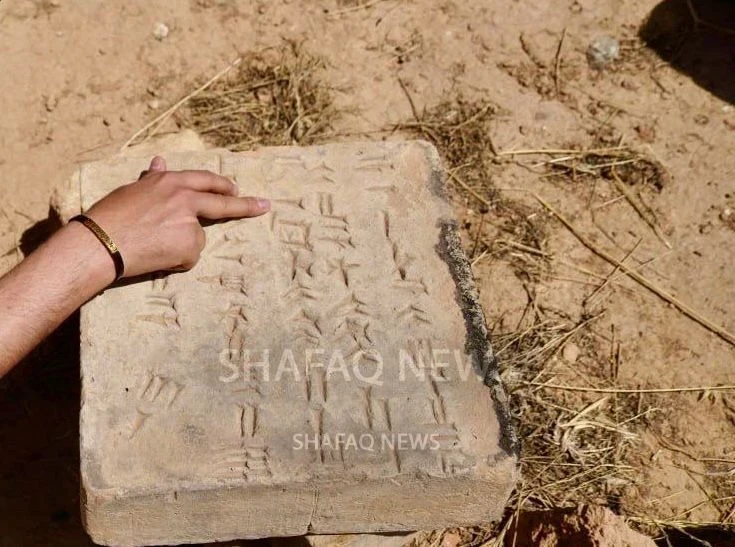
Music, poetry, visual arts and traditional crafts, including weaving, woodwork and metalwork, have returned to public life as Mosul's cultural scene recovers. Religious and cultural observances, including the Yazidi New Year in Lalish, Christian Easter celebrations and Islamic Eid holidays, remain important markers of Nineveh's diverse social life.
Meanwhile, education is both a casualty of war and a foundation for recovery. The University of Mosul has also continued its recovery, with damaged facilities restored and academic life revived. UNESCO has supported the rehabilitation and modernization of its Central Library, providing digital equipment, preservation systems, and training for library staff.
Yet resources are still tight, and many students bear psychological wounds. Wafaa al-Zubaidi, a primary school teacher in the Old City, told Shafaq News, "It is not just about teaching; it is about healing the minds of children who have lived through destruction."
Read more: Beyond the ruins: Rediscovering Mosul’s spirit
Written and edited by Shafaq News staff.