Shafaq News
An in-depth look at Al-Sulaymaniyah in northern Iraq, a cultural and intellectual hub where writers, artists, and activists shape Kurdish political thought, identity, and everyday life.
Framed by the silhouettes of the Azmar and Goizha mountains, Al-Sulaymaniyah, known to its people as Slemani, rises not only as a geographic centerpiece of the Kurdistan Region of Iraq, but also as its cultural and intellectual heartbeat. Revered as a haven for poets, philosophers, and political thinkers, this city has long stood as a beacon of Kurdish enlightenment, free expression, and civic dynamism.
Birth of a Cultural Capital
Founded in 1784 by Ibrahim Pasha Baban of the Baban principality, Al-Sulaymaniyah quickly evolved into more than just a regional capital; it became the crucible of Kurdish literary and cultural rebirth.
Writers like Nalî, Mahwi, and
Piramerd emerged from its vibrant milieu, laying the groundwork for modern
Kurdish literature. Today, its population exceeds one million. While Kurds form
the overwhelming majority, small yet enduring Arab, Turkmen, and Assyrian
communities contribute to its social tapestry. Though the city’s Jewish and
Armenian communities have largely emigrated, glimpses of their heritage remain
etched in architecture and memory.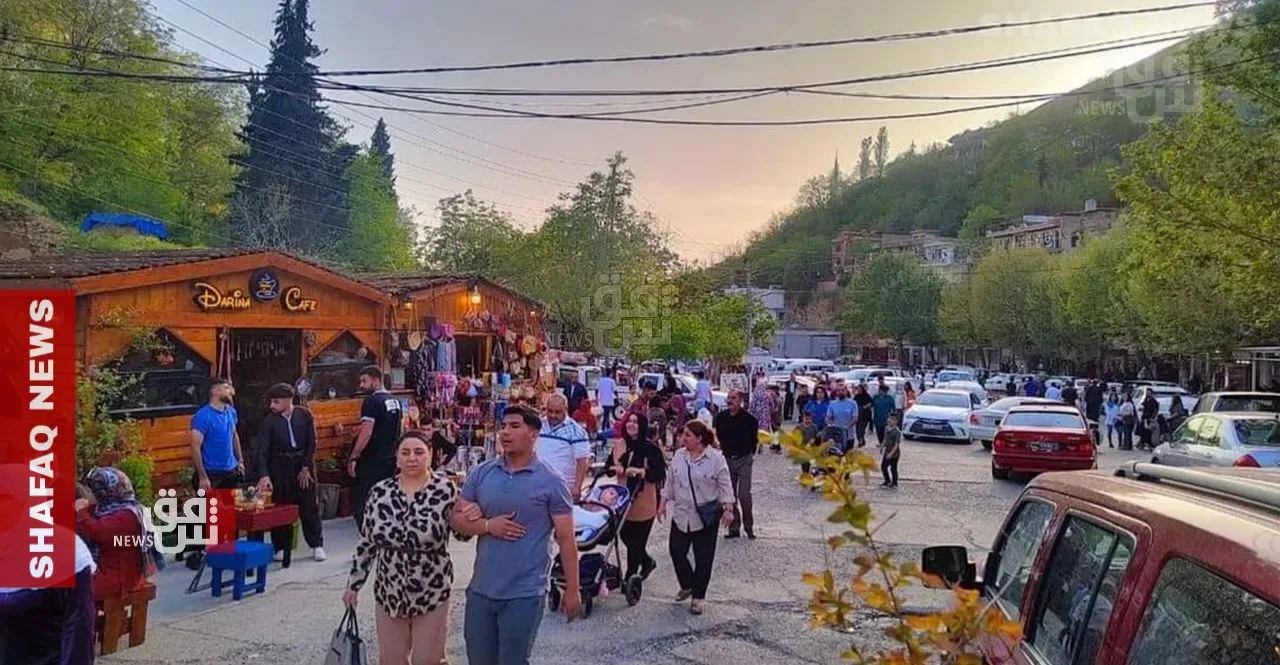
Educating Kurdistan
Language is the soul of Slemani. Sorani Kurdish, spoken natively there, has flourished into the region’s dominant literary and administrative medium, and Al-Sulaymaniyah has played a defining role in that evolution.
Home to printing presses, translation bureaus, and cultural institutes, the city champions a linguistic and intellectual vibrancy. Arabic remains widely understood, while English is increasingly prevalent among the younger, globally-minded generation.
The city boasts more than a dozen
higher education institutions, including the University of Sulaimani and the
American University of Iraq–Sulaimani. These centers of learning have
cultivated a literacy rate exceeding 85% in the province, with nearly 20% of
youth pursuing university education. Students from across Iraq and the Kurdish
diaspora gravitate to its academic scene, enriching its cosmopolitan texture.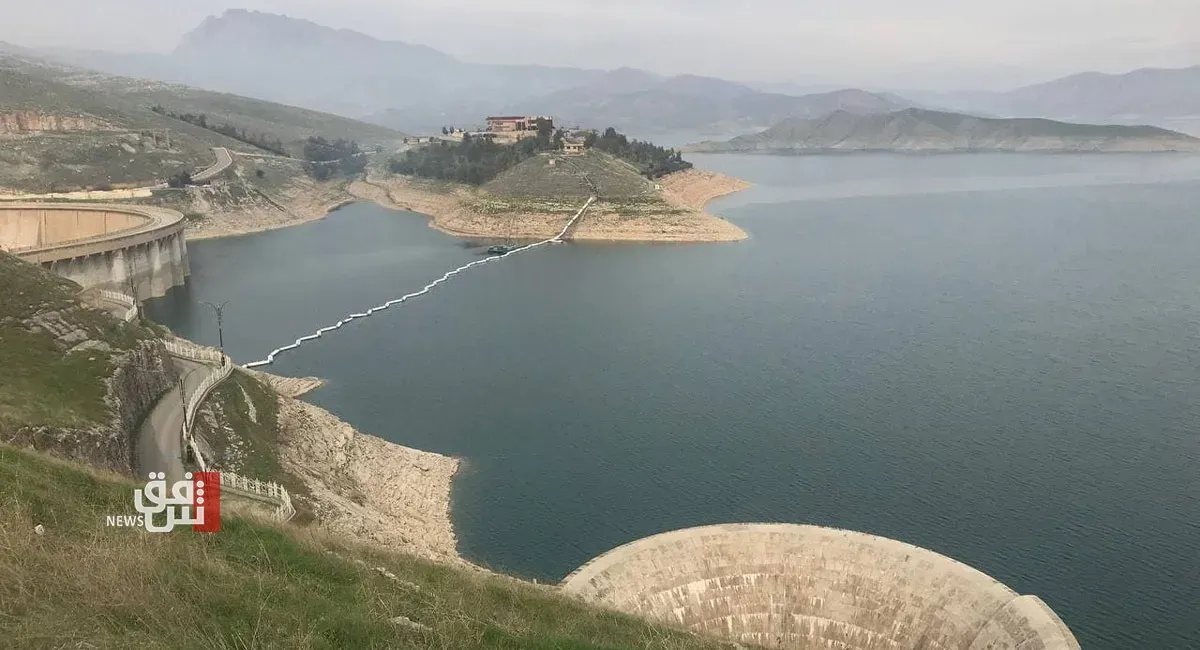
Culture & Community Thrive
Al-Sulaymaniyah’s streets hum with artistic rhythm and political engagement. Cafés double as salons where activists, writers, and artists dissect the day’s headlines.
Art galleries, theatres, and cultural spaces reflect both tradition and experimentation, whether in a modern staging of a classic Kurdish play or a photo exhibit capturing the region’s struggles and hopes.
The Slemani Museum, second only to Baghdad’s Iraq Museum in archaeological significance, anchors this cultural depth with artifacts spanning ancient Mesopotamian civilizations. Literary life also thrives through independent bookstores, publishing houses, and a poetry scene that continues to shape public discourse.
Progressive by Iraqi standards, the
city fosters open conversations on topics ranging from gender rights to mental
health and environmental awareness. While conservative views persist,
particularly in older generations and rural areas, civil society in Al-Sulaymaniyah
is robust. Hundreds of NGOs focused on women’s empowerment, legal justice, and
youth development form the scaffolding of a participatory civic culture.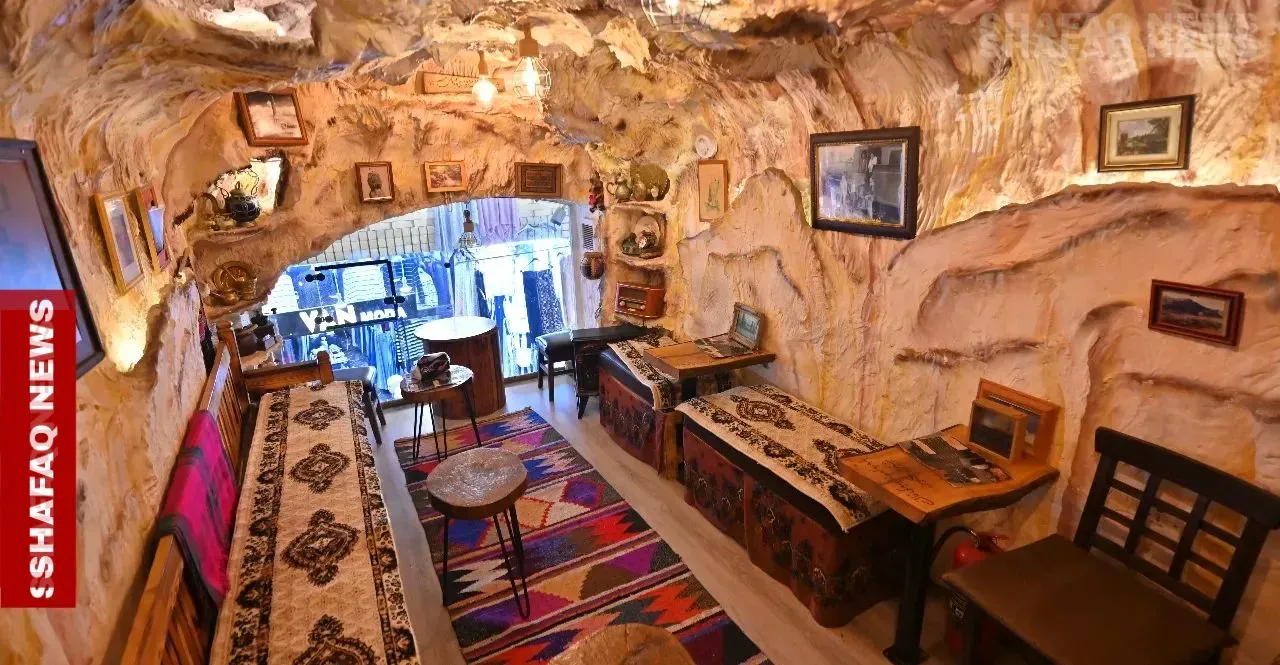
Navigating Economic Tides
Once rooted in agriculture and trade with Iran, Al-Sulaymaniyah’s economy now extends across construction, telecommunications, healthcare, media, and tourism.
The Tanjaro Industrial Zone, located to the city’s south, hosts a variety of small-scale manufacturers and food processors. Simultaneously, a modest but growing startup culture has taken root, especially among tech-savvy youth aiming to carve digital niches in the local economy.
Yet this economic promise remains tangled in structural knots. The dispute over oil revenue sharing between the Kurdistan Regional Government and Baghdad frequently disrupts salary payments and public services. Corruption, bureaucratic hurdles, and limited access to investment capital pose further constraints.
With an overall unemployment rate
around 14%—and youth unemployment even higher—the challenges are real. Still,
the city’s entrepreneurial spirit refuses to dim, powered by resourcefulness
and a sense of possibility.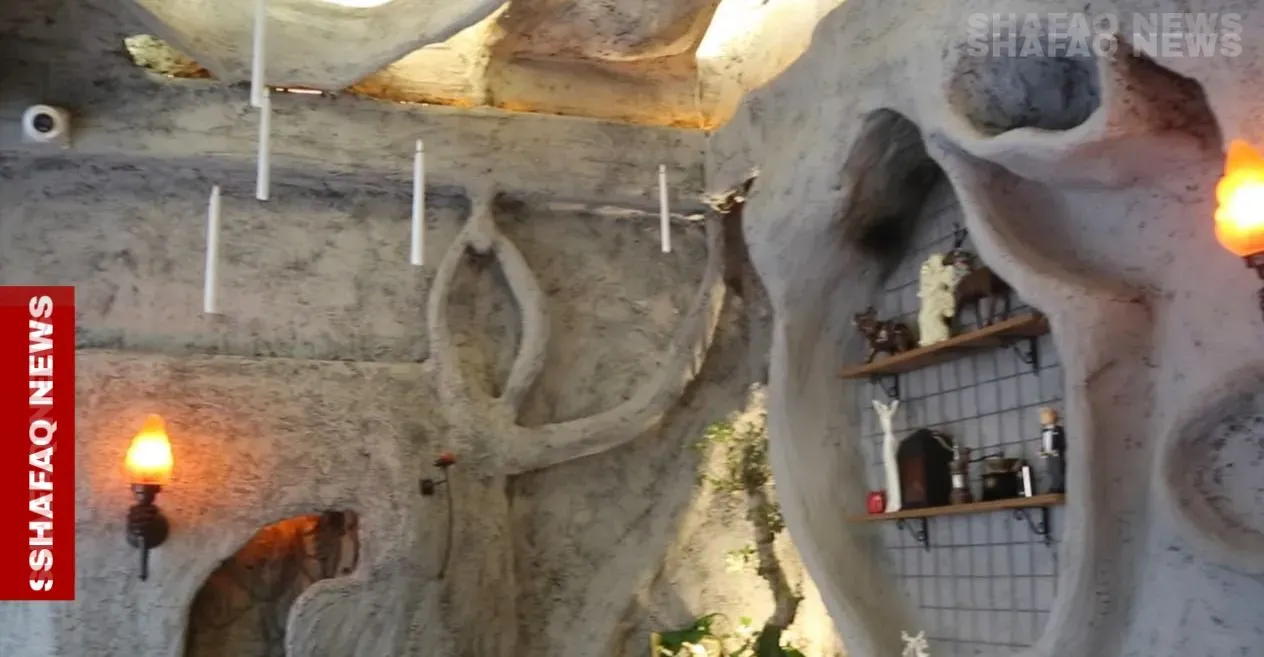
Green Challenges
Al-Sulaymaniyah lies in a fertile valley ringed by dramatic limestone ridges and forested peaks. Summers are blistering, often soaring above 40°C, while winters bring a dusting of snow to its mountainous edges. The area is rich in rivers, springs, and forests, but this natural bounty is under strain.
Rapid population growth, unregulated construction, and weak environmental oversight have taken a toll. Pollution, deforestation, and dwindling water reserves are worsening as climate change accelerates. The Dukan Dam, a key source of water and electricity northwest of the city, now faces threats from erratic rainfall patterns and sedimentation.
Local NGOs and citizen-led campaigns
have taken up the cause, calling for reforestation, wastewater management, and
conservation. But governance in this arena remains fragmented and underfunded.
A 2024 survey by regional environmental groups revealed that over 60% of nearby
rivers and streams are contaminated by untreated sewage and industrial
discharge.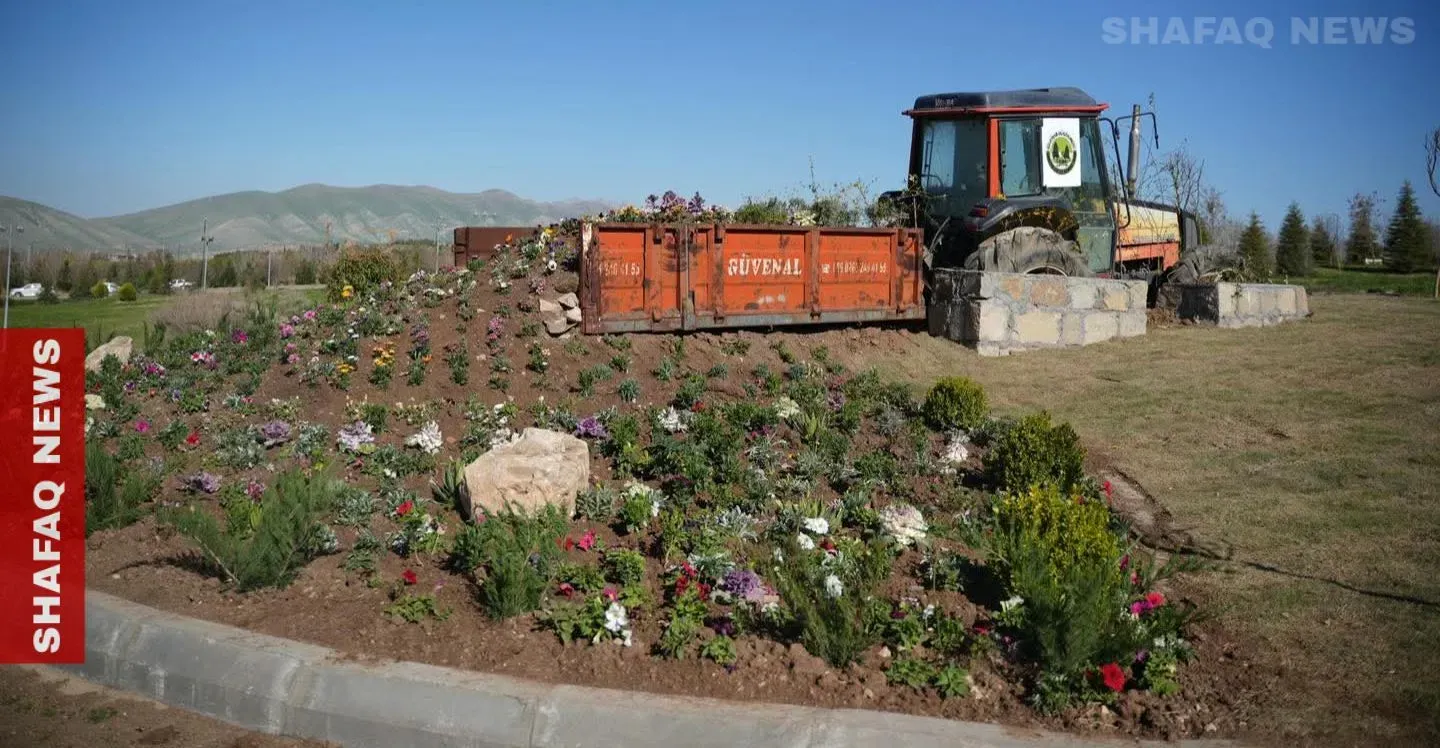
Governing & Dissent
Long the stronghold of the Patriotic Union of Kurdistan (PUK), Al-Sulaymaniyah offers a political climate distinct from the KDP-dominated Erbil and Duhok. This intra-Kurdish rivalry touches everything from media landscapes to economic priorities.
Still, the city maintains a relatively open political atmosphere. Independent newspapers, television networks, and research institutions thrive, offering platforms for dissent and inquiry. While generally secure, protests do erupt, often sparked by economic pressures or governance grievances.
The city’s proximity to Iran
introduces additional complexity, as cross-border shelling aimed at Iranian
Kurdish opposition groups occasionally rattles nearby communities.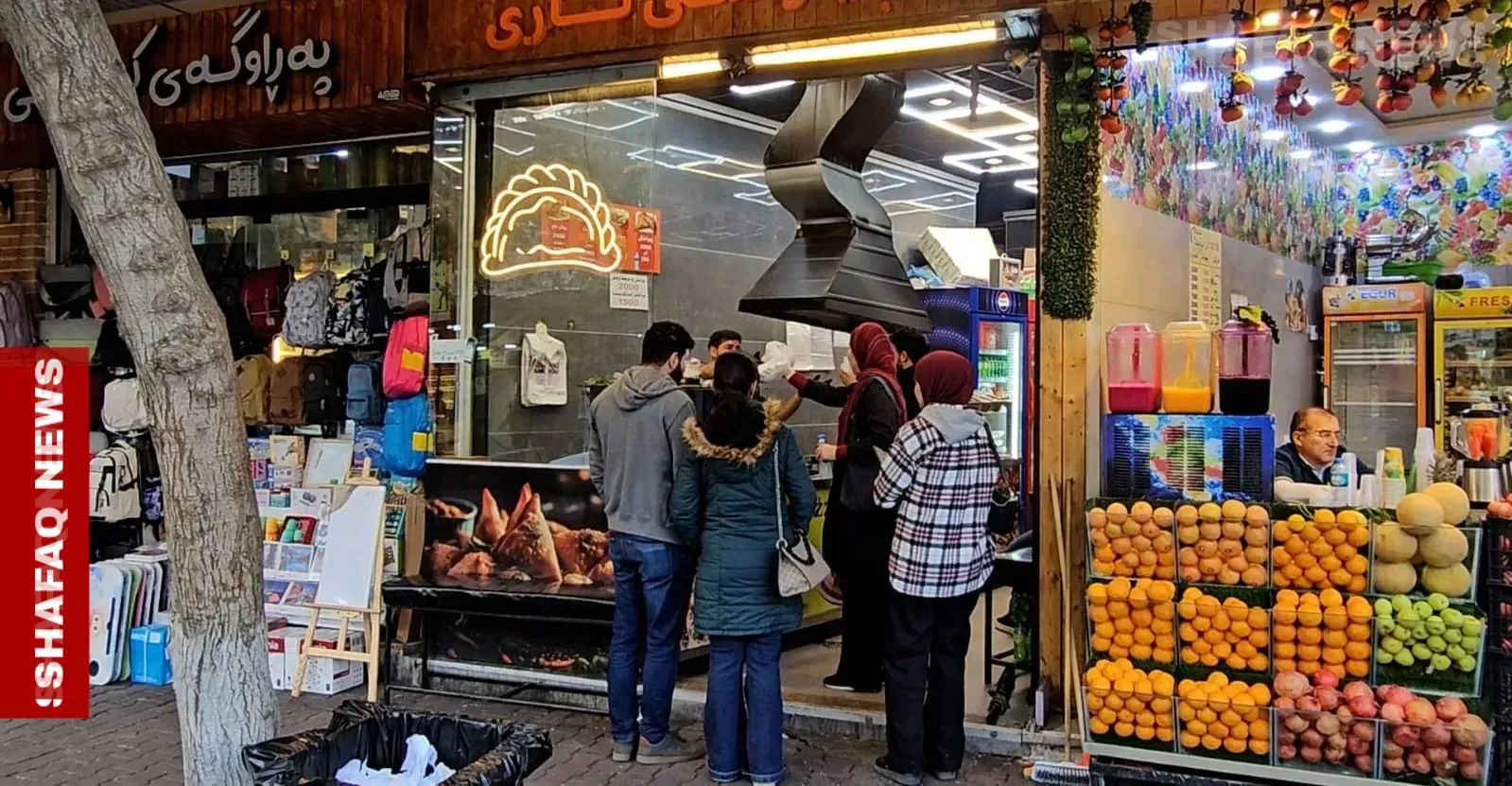
Back and Forth
Despite its cultural wealth, Al-Sulaymaniyah has seen a steady outflow of its youth. Economic stagnation and political disillusionment have turned migration into both a symptom and a survival strategy. In 2023 alone, over 12,000 residents left the province through legal and irregular means. The city now has one of the highest per capita emigration rates in Iraq.
Remittances from the diaspora—particularly in Germany, Sweden, the Netherlands, and the UK—are lifelines for many households and small businesses. These emigrants include not only laborers, but also academics, artists, and entrepreneurs. While some maintain cultural and political ties to Slemani, the departure of so many bright minds has hollowed out key sectors, including healthcare and education.
Yet even as many leave, others arrive. Tourists from Baghdad, Basra, and beyond escape to the city's crisp mountain air and open society each summer. Diaspora Kurds return in search of roots, nostalgia, or opportunity. International visitors, such as NGO workers, scholars, and artists, add another layer to the city’s global resonance.
Cultural tourism is also gaining momentum. Events like the Slemani Book Fair, the Al-Sulaymaniyah International Film Festival, and an array of music, photography, and theatre festivals now punctuate the city’s calendar.
Culinary offerings, historic museums, and literary landmarks have turned Al-Sulaymaniyah into a destination for both reflection and celebration.
Written and edited by Shafaq News staff.