An in-depth look at Dhi Qar province in southern Iraq, where ancient Mesopotamian heritage, marshland life, and long-standing neglect shape the region’s present
Shafaq News
Dhi Qar Province, in Iraq’s southern heartland, is often overshadowed by its larger neighbors, yet it remains one of the country’s most historically rich and socially complex regions. Known in older references as Siwaki, the province combines the legacies of Mesopotamia’s earliest cities with the pressing realities of modern governance, economic struggle, and cultural resilience.
Ancient Heart of Mesopotamia
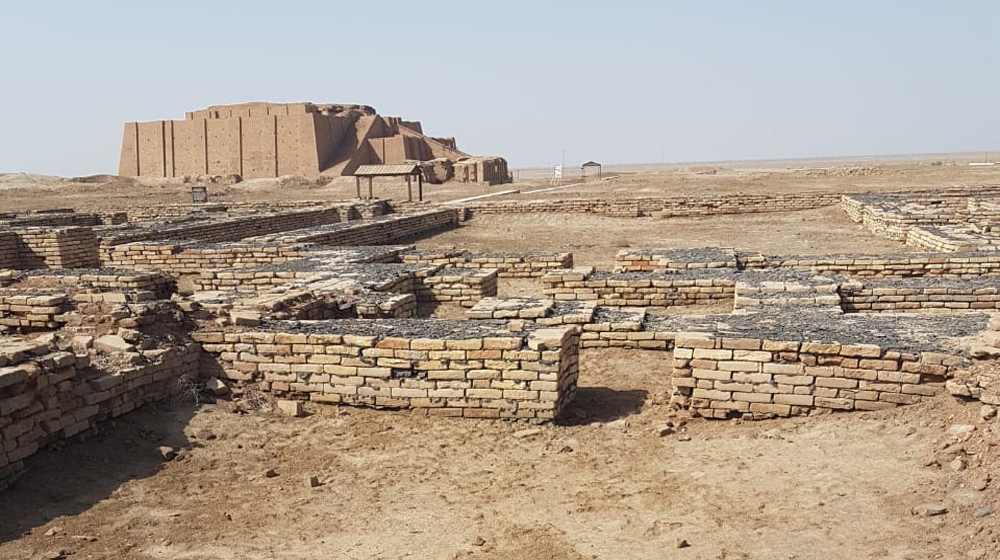
At the center of Dhi Qar’s identity lies its ancient heritage. The Ziggurat of Ur, dating back more than four millennia, towers as a reminder of the city that once dominated Sumerian life and is traditionally linked to the Prophet Abraham. Alongside Ur stand the ruins of Eridu, Girsu, and Lagash, cities that shaped the dawn of human civilization. More than 1,200 archaeological sites are registered across the province, though less than 10 percent have been excavated. Recent international digs, including those led by the British Museum and the University of Pennsylvania, have uncovered temples and canal systems, offering new glimpses into early urban societies.
Geography and the Marshes
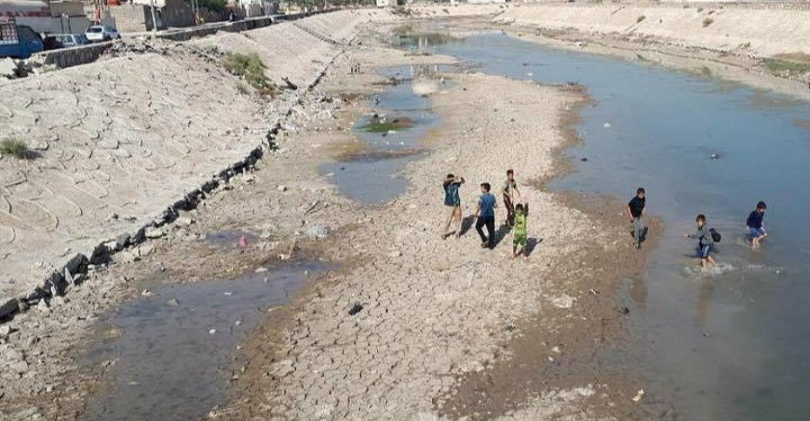
Covering nearly 13,000 square kilometers, Dhi Qar stretches from desert plains to the Central Marshes, a UNESCO World Heritage site. The marshes provide habitat for endangered species such as the smooth-coated otter and remain a lifeline for local communities who depend on fishing, buffalo herding, and reed-based crafts. But climate change, combined with declining water flow from the Euphrates, has placed enormous strain on this delicate ecosystem. Summers regularly exceed 50°C, and recurring sandstorms further complicate life in both urban and rural areas.
A Diverse Population
Home to about 2.3 million residents, the province’s population is overwhelmingly Shiite Arab, but includes Marsh Arabs (Ma'dan), Mandaeans, and small Christian communities. Religious life is visible throughout the year: Shiite rituals fill city streets during Muharram, while Mandaean priests continue baptism ceremonies in the Euphrates, preserving ancient Aramaic prayers.
Tribal structures also shape daily governance, with names such as Bani Hushaysh, al-Ali, and al-Sa’idi carrying weight in dispute resolution. In rural areas, tribal councils often settle conflicts faster than formal courts.
Education and Social Development
Education has expanded significantly since the establishment of the University of Dhi Qar in 2000, which today enrolls more than 14,000 students across multiple faculties. Women make up 52 percent of the student body, signaling changing social patterns. Still, literacy rates in rural areas lag behind urban centers, particularly among women.
Over 1,400 schools operate across the province, but aging infrastructure and teacher shortages hinder progress. Civil society organizations and NGOs supplement state efforts by introducing mobile libraries and school-support initiatives.
Economy and Employment
Dhi Qar’s economy sits at the intersection of oil wealth and agricultural decline. The Al-Nasiriyah and Gharraf oil fields produce about 140,000 barrels per day, with Gharraf being managed in partnership with foreign firms such as Petronas and Japex. Yet, local employment quotas are often unmet, and residents complain that pipelines provide little benefit to the community.
Agriculture, once a source of pride, has suffered from shrinking water levels and soil salinity that now affects nearly 40 percent of farmland. Despite these difficulties, Dhi Qar still produced more than 11,000 tons of dates and nearly 8,000 tons of tomatoes in 2024. The marshes continue to supply fish, buffalo milk, and reeds, forming part of the local economy and cultural identity.
Unemployment remains one of the province’s most pressing issues. Overall rates stand at about 32 percent, with youth unemployment nearing 50 percent. While informal markets and small-scale factories absorb some of the workforce, large-scale projects such as the proposed industrial zone in Fajr remain delayed. Tourism, despite its immense potential, also struggles due to inadequate infrastructure, poor road networks, and the absence of organized services.
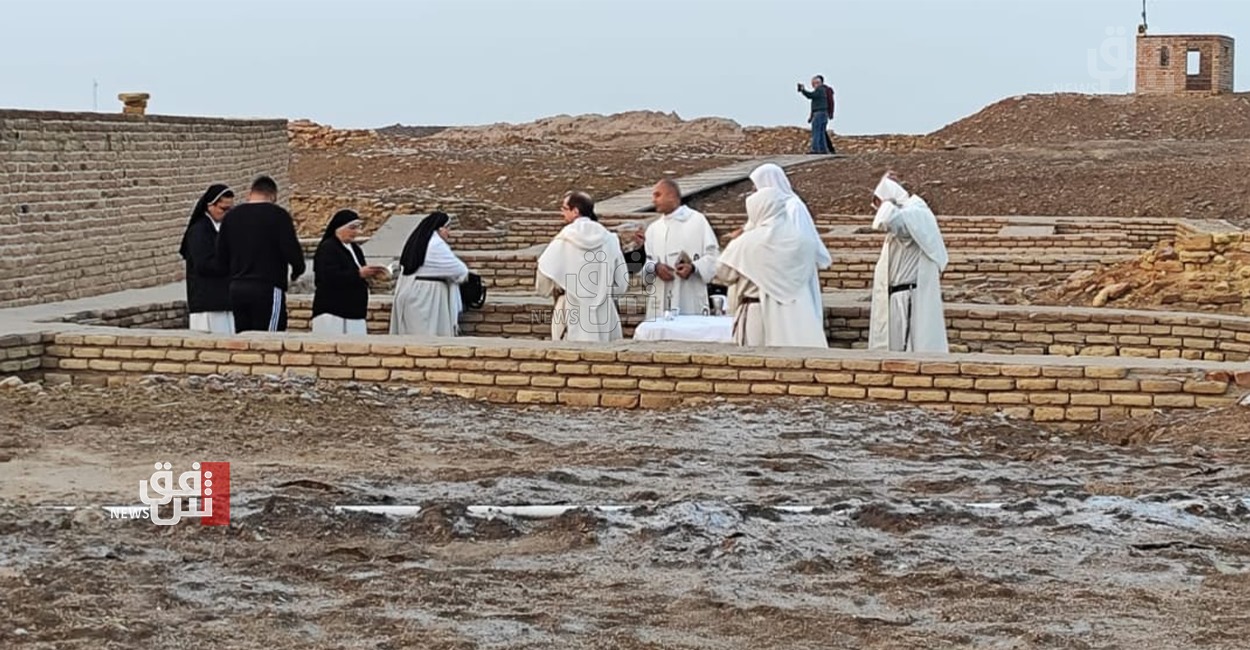
Pope Francis’s 2021 visit to Ur briefly placed Dhi Qar on the world stage, but the momentum has not translated into sustainable tourism development.
Politics and Protest
Dhi Qar has long been associated with political activism and dissent. In 1991, following the Gulf War, it was one of the first provinces to rise against Saddam Hussein’s regime. The revolt was met with severe crackdowns, including mass arrests and the draining of the marshes as a form of punishment.
Decades later, the province again became a symbol of protest. In 2019, Al-Haboubi Square in Al-Nasiriyah emerged as a central hub of the nationwide Tishreen movement. The square hosted tents, murals, and rallies, serving as a platform for demands for reform and better governance. Dozens of young demonstrators were killed, but the site remains marked by memorials and murals that continue to tell the story of sacrifice and resilience.
Culture and Identity
Despite hardships, cultural life in Dhi Qar remains vibrant, celebrating its poetry, ranging from classical verse to street protest slogans. The Al-Nasiriyah Museum holds more than 10,000 artifacts, with efforts underway by UNESCO to digitize parts of its collection.
Traditional music, particularly al-maqam, continues to echo across marsh villages, accompanied by reed flutes and oral storytelling traditions. Contemporary art is also finding a foothold: youth photography exhibitions in recent years have captured both the hardships and everyday beauty of life in the province.
For Iraq and the broader region, Dhi Qar is a land where Mesopotamian history coexists with modern political challenges, where marshland biodiversity contends with water scarcity, and where young voices push for reform against a backdrop of unemployment and limited opportunities.
The province may not be polished or well-promoted, but it offers something enduring: resilience, deep cultural roots, and a living connection to the world’s earliest civilizations.
Written and edited by Shafaq News staff.