Shafaq News- Damascus
Syrians continue to face worsening economic conditions marked by rising prices, declining purchasing power, and growing poverty, with many families increasingly relying on remittances and debt to secure basic needs.
A field survey conducted by Shafaq News in Damascus, its countryside, Aleppo, Homs, and Latakia found widespread stagnation in local markets due to weak consumer spending, as residents described the current situation as a phase of survival only.
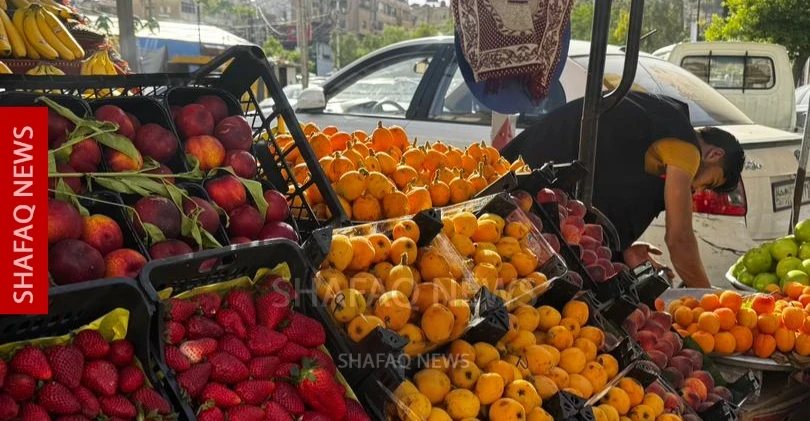
Abu Mohammed, a former public sector employee from rural Damascus, said his salary before the fall of the previous government “barely covered a few days,” explaining that the suspension of salaries for many public-sector workers forced families to depend on relatives abroad.
“Today, there is no stable source of income,” he noted, adding, “People are selling their belongings or borrowing money to secure food and medicine.”
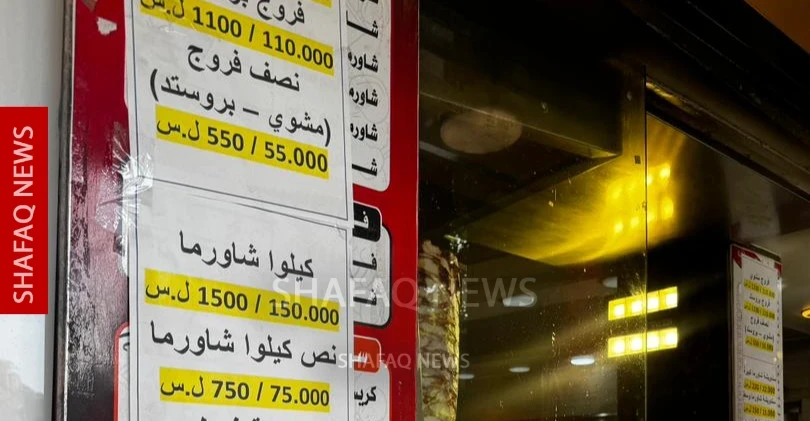
Local economic estimates indicate that Syrians’ purchasing power has declined by between 30% and 50% in recent months due to rising prices and fluctuations in the Syrian pound on the unofficial market.
Recent economic reports also showed that the minimum monthly cost of living in Syria has reached nearly two million Syrian pounds, equivalent to around $169.
Amer Deeb, an economic researcher and head of the Syrian Renaissance Council, described the crisis as stagflation affecting living conditions across the country. “Remittances from abroad had become the backbone of household consumption in Syria amid weak wages and declining local production.”
In Aleppo, Umm Ali, a mother of three, said her family now depends on “one main meal a day” after food and fuel prices increased. “Bread and vegetables have become a daily burden,” she added, emphasizing that education, healthcare, and transportation had become “luxuries for many people.”
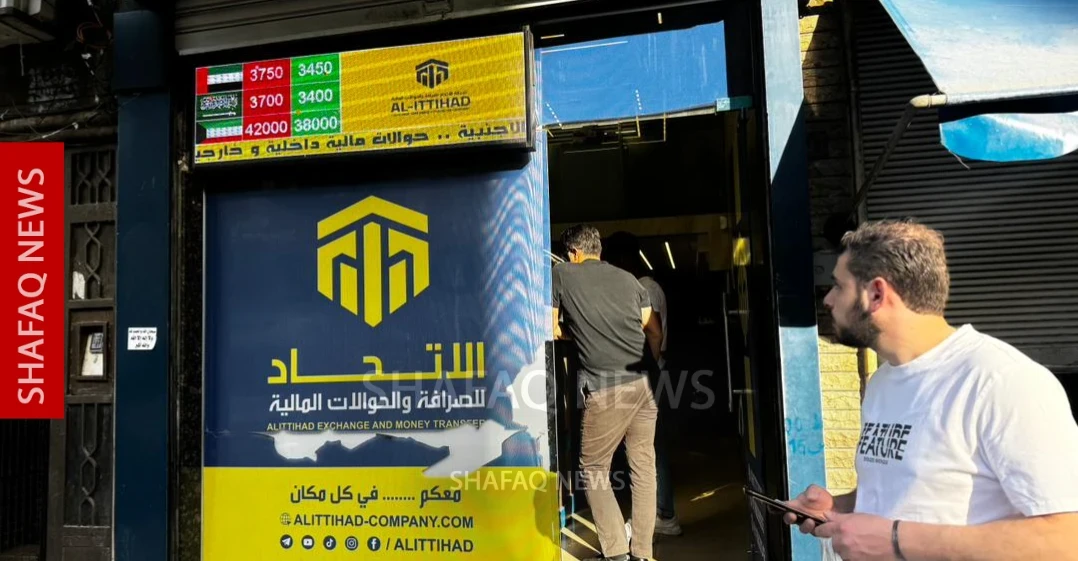
The owner of “Masar” money transfer office in Damascus told Shafaq News that remittances, once used to improve living standards, had become “the only lifeline for entire families.”
The International Monetary Fund recently reported that there were “signs of recovery” in the Syrian economy, while stressing the need for banking reforms and stronger monetary policies to ensure financial stability.