Shafaq News- Suwayda
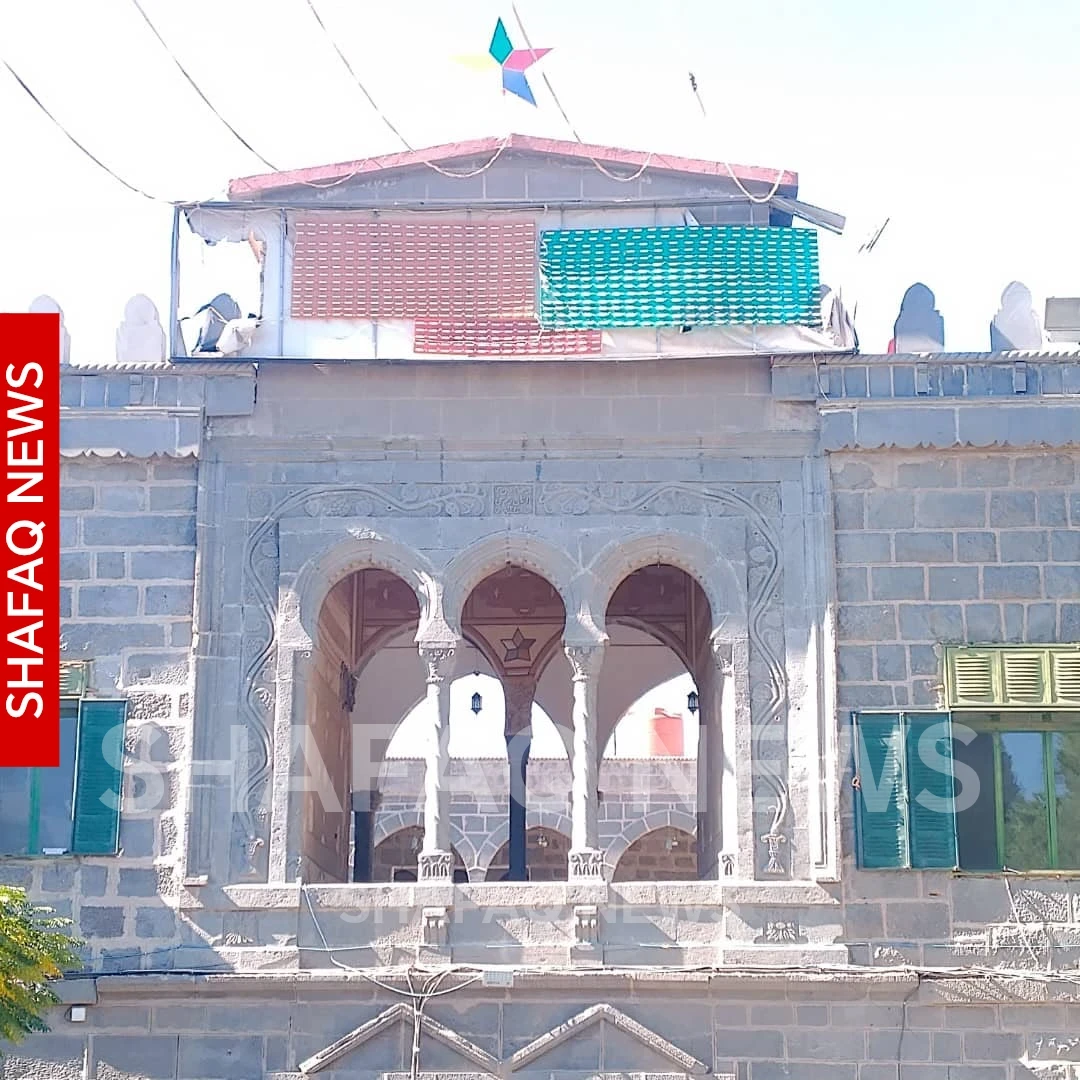
After her husband was killed during the July 2025 violence, Umm Adnan fled with her three children to Ain Al-Zaman, a Druze shrine in Syria’s Suwayda province that provided food and medical care for the family.
“Ain Al-Zaman was my second home,” she described the shrine in an interview with Shafaq news. “It saved me from destitution and poverty and supported my children and me through one of the hardest periods of our lives.” A loan enabled her to open a small shop making dairy products, giving her a way to support her children.
Shelter and Community Support
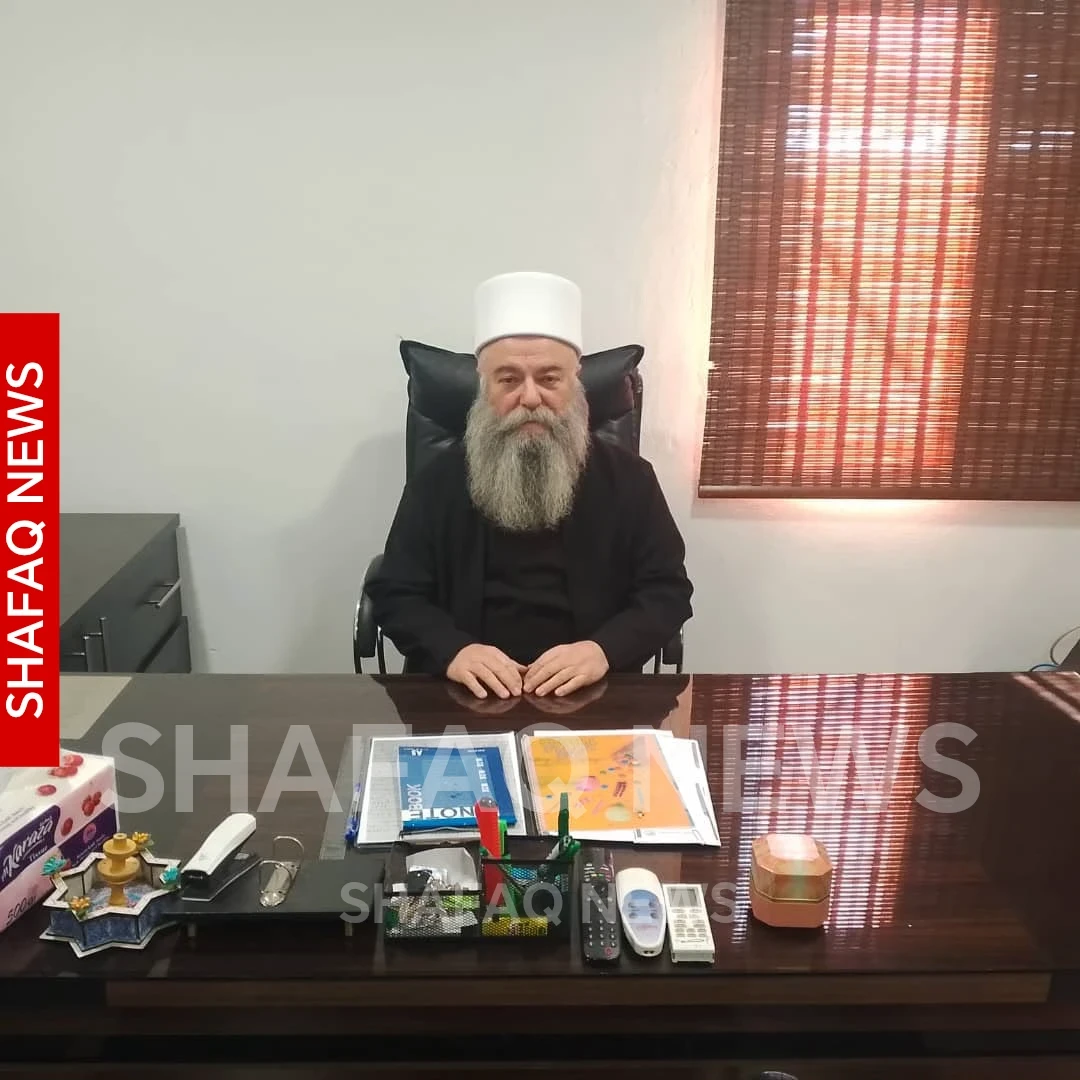
Sheikh Youssef Jarbou, a spiritual leader of Syria’s Druze community, told Shafaq News that Ain Al-Zaman represented the community’s highest religious authority. For decades, it had been a symbol of spirituality and peace before becoming a center for receiving and sheltering displaced people after the July 2025 violence.
The shrine’s role extends beyond religion, Jarbou said, describing a social and cultural institution that helps shape community life. Since Syria’s crisis began in 2011, it has hosted meetings intended to heal divisions, find common ground, and bring religious and community authorities together.
The Ain Al-Zaman relief institution serves as its charitable arm, with specialized committees working across several fields.
Medical Care and Mediation
The institution’s health committee provides monthly assistance to about 400 people with chronic illnesses. It also handles about 1,500 other medical cases. More than 55 doctors offer their services free, alongside more than four pharmacists who provide medication without charge.
Its endowments committee organizes and manages religious endowments across 110 villages, using internal rules, financial records, formal decisions, and annual reports, while a religious committee provides advice and helps guide decisions concerning social, religious, intellectual, and ethical development. The cultural committee organizes seminars, lectures, and other cultural and intellectual events.
Since 2018, the dispute-resolution committee has helped address more than 3,500 community disputes through mediation and efforts to bring opposing sides together.
History, Education, and Livelihoods
The institution’s published history traces the site to the Byzantine period, when it was known as Deir Sinan and used for worship. Jarbou has also described how Sultan Pasha Al-Atrash met fellow revolutionaries there to consult and coordinate their positions during the 1925-1927 Great Syrian Revolt against French Mandate rule.
Moeen Al-Amatouri, the institution’s press office director, told Shafaq News that its work grew out of the local community. “Jarbou helped organize its activities by introducing internal rules and implementing regulations after taking office in 2012.”
A financial administration prepares annual reports detailing income and expenditure, Al-Amatouri said, as part of efforts to improve organization and transparency in managing resources. The media office further helped establish Al-Shamaa, or The Candle, a magazine publishing intellectual, philosophical, and social research by contributors from Syria and abroad, including Tunisia, Morocco, and Iraq.
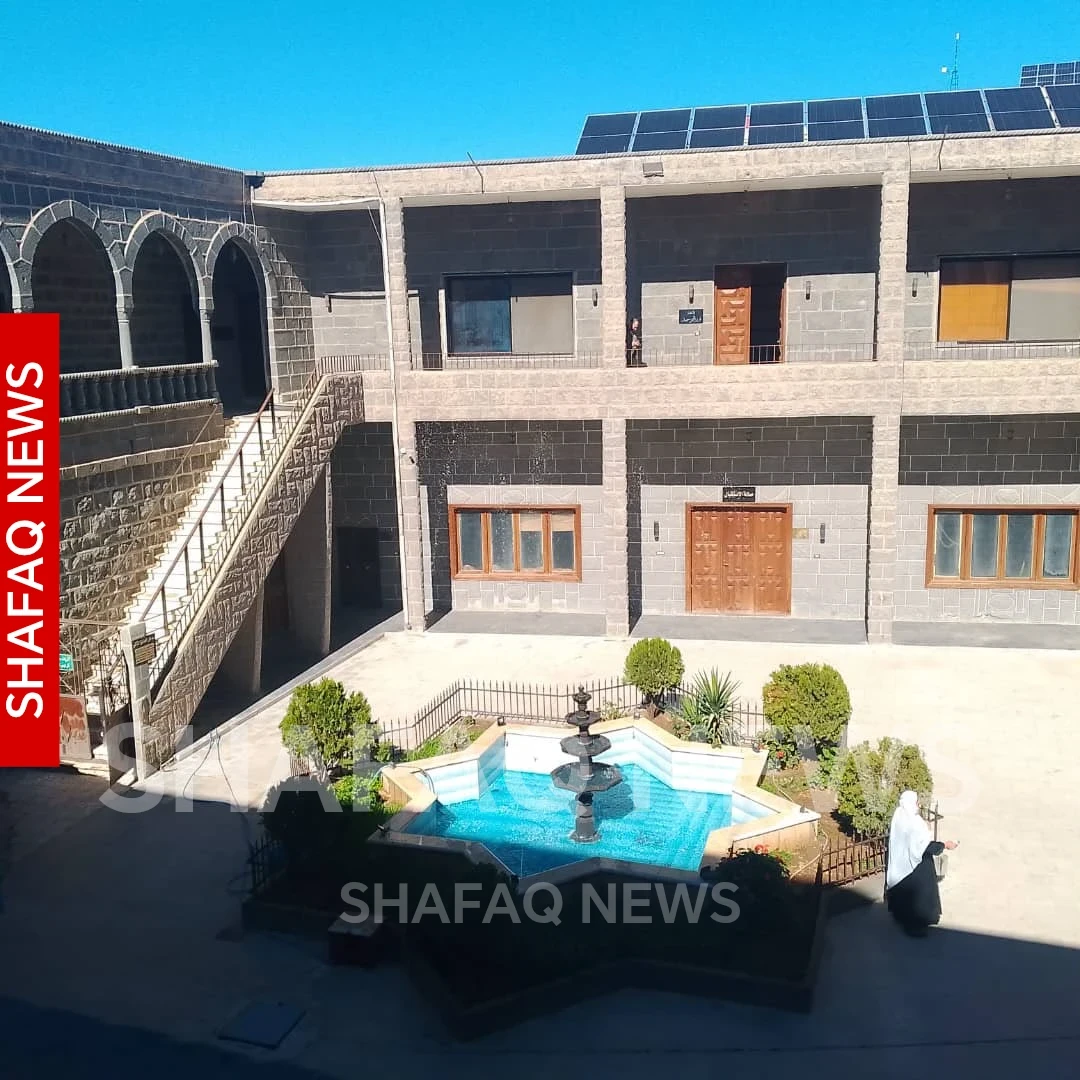
The institution also established a library of about 3,000 titles for researchers and students. Its programs include psychological support, education for adults and children, literacy courses, and classes for students preparing for preparatory and secondary school certificate exams.
It has also carried out development projects and provided loans under the supervision of local and international organizations to support economic initiatives and help families improve their living conditions.
Speaking to Shafaq News, resident Raafat N. stressed that the shrine had provided a safe refuge for thousands of families during the July 2025 violence. It supplied essential support in cooperation with local residents, whose contributions played a major role in responding to the crisis and helping displaced families, he added.