Shafaq News- Damascus
Syria's Damascus International Book Fair hosted a standalone Kurdish pavilion this week, marking the first major institutional recognition of Kurdish cultural heritage since the country's reopening to international cultural events.
Shafaq News correspondent reported that the pavilion attracted significant visitor traffic with rare manuscripts documenting Kurdish history, the first issue of the oldest Kurdish magazine published in Damascus in 1932, and the first Kurdish newspaper ever printed.
Mohammed Suleiman, pavilion coordinator, told Shafaq News that the exhibition aims to embed recognition of Kurdish identity, language, and culture within Syria's cultural diversity framework. "This opens dialogue channels between different components and builds bridges based on mutual trust."
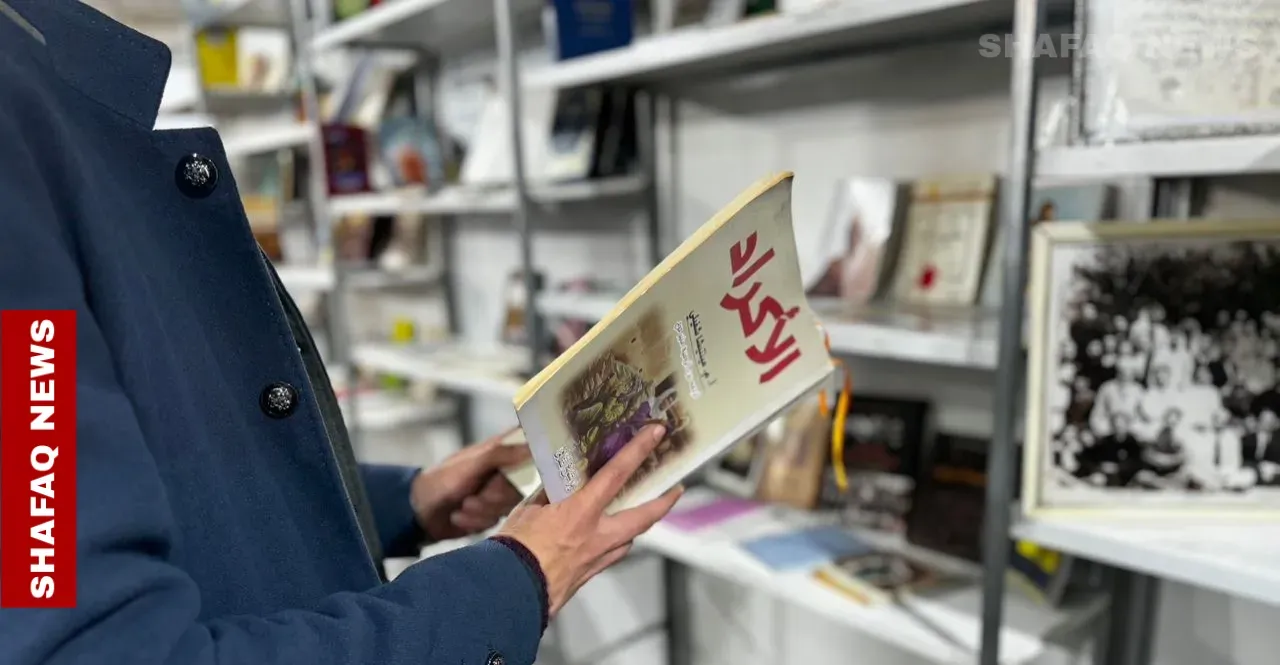
The display included historical photographs of Kurdish fighters who resisted French occupation, religious texts including a Kurdish-language Quran interpretation, and a Sunni Shafii jurisprudence book written in Kurdish.
Organizers assembled over 150 titles from private libraries rather than official publishing houses, Suleiman said. The collection spans intellectual, literary, religious, and historical works borrowed "on trust" from collectors and friends.
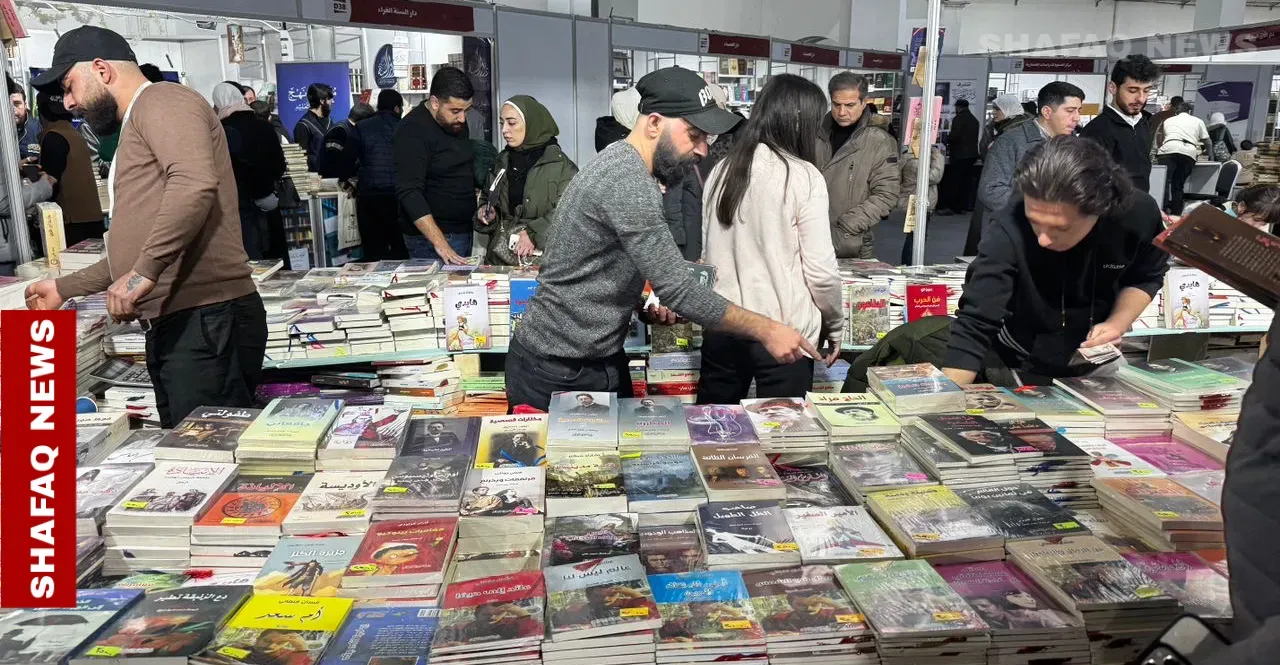
"The Kurdish literary and intellectual output remains limited in circulation among broad audiences due to multiple barriers, including political and linguistic obstacles."
Visitor engagement exceeded expectations, with literary and intellectual figures from multiple provinces attending, he added.
Iraqi publishing houses also participated prominently, generating a strong Syrian audience response. Syrian writer Hanan Halboni said the fair represents a genuine opportunity for Syria's cultural scene to emerge from isolation.
"After hearing about Al-Mutanabbi Street and its historic bookstores, after reading Iraqi poets from Badr Shakir Al-Sayyab to Nazik Al-Malaika, the Jawahiri and Muzaffar Al-Nuwab, we're seeing an unexpected cultural reality," Halboni told Shafaq News.
Iraq resembles Syria in its ancient components, she concluded, making it easier to understand authentic cultural pluralism in these countries rooted deep in history. The Kurdish component carries a substantial cultural heritage.
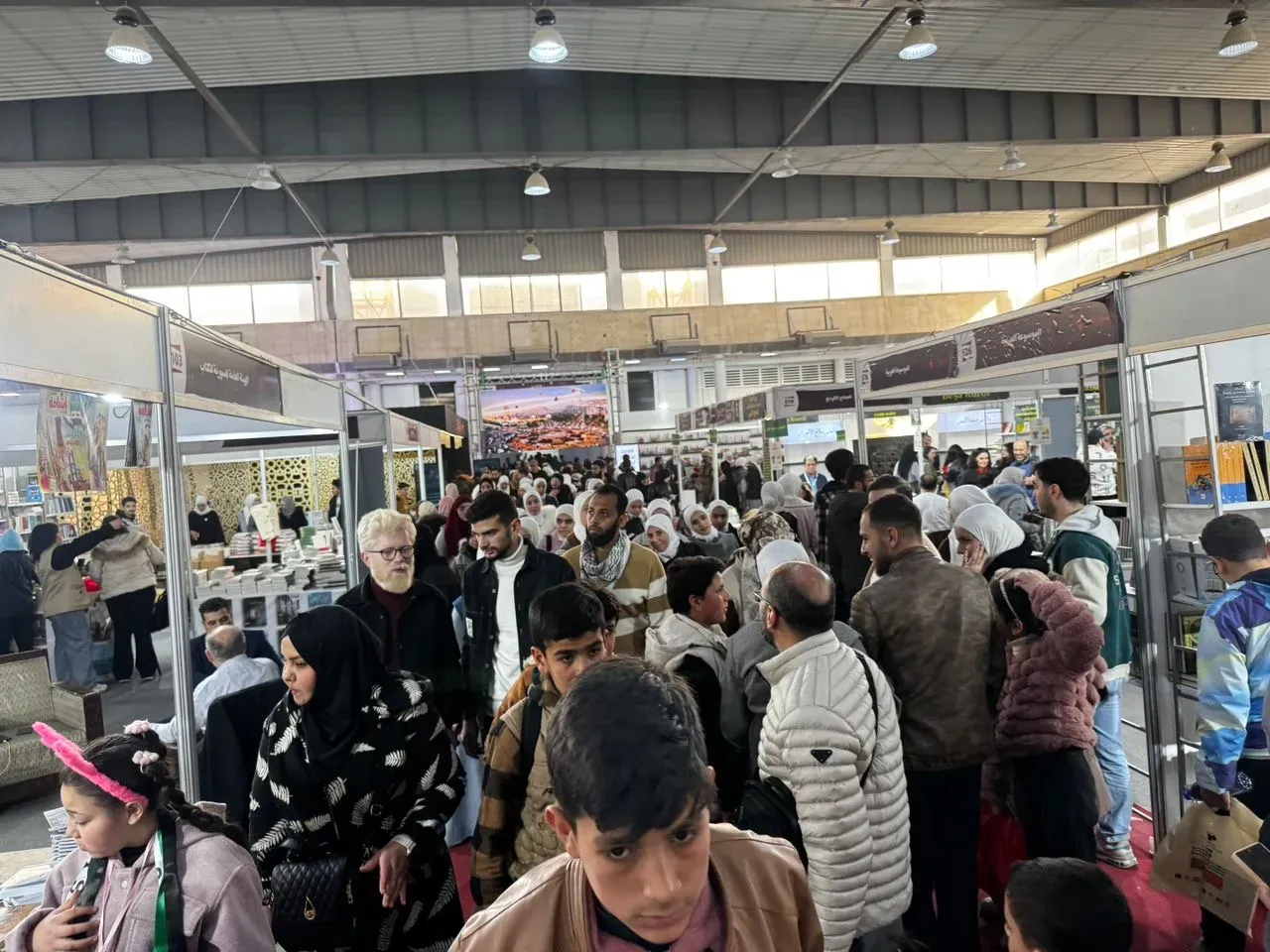
The Damascus International Book Fair ran from February 5-16 at the capital's fairgrounds, featuring more than 500 publishers from 35 countries. It is the first major international cultural event since Bashar Al-Assad's ouster in December 2024.
The Kurdish pavilion implements Presidential Decree Number 13, which transitional President Ahmed Al-Sharaa signed January 16 on linguistic, cultural, and citizenship rights. The decree recognized Kurdish as a national language alongside Arabic, abolished 1962 census measures that stripped Kurds of Syrian nationality, declared Newroz a national holiday, and banned ethnic discrimination.
Separately, Culture Minister Mohammad Yassin Saleh said publishers were not charged participation fees under Al-Sharaa's directives, calling the fair a "landmark edition" that shows "Syria returns with strength and regains its word, meaning and identity."